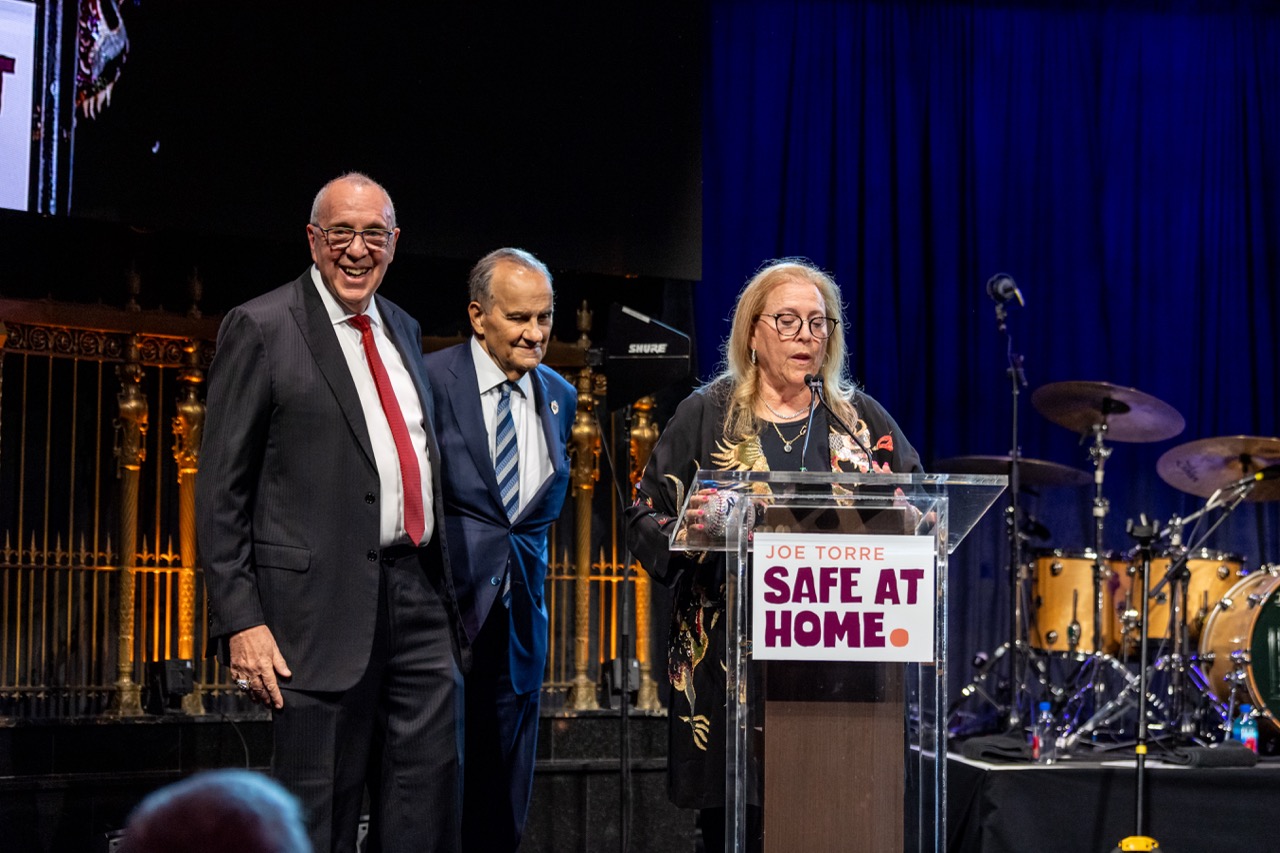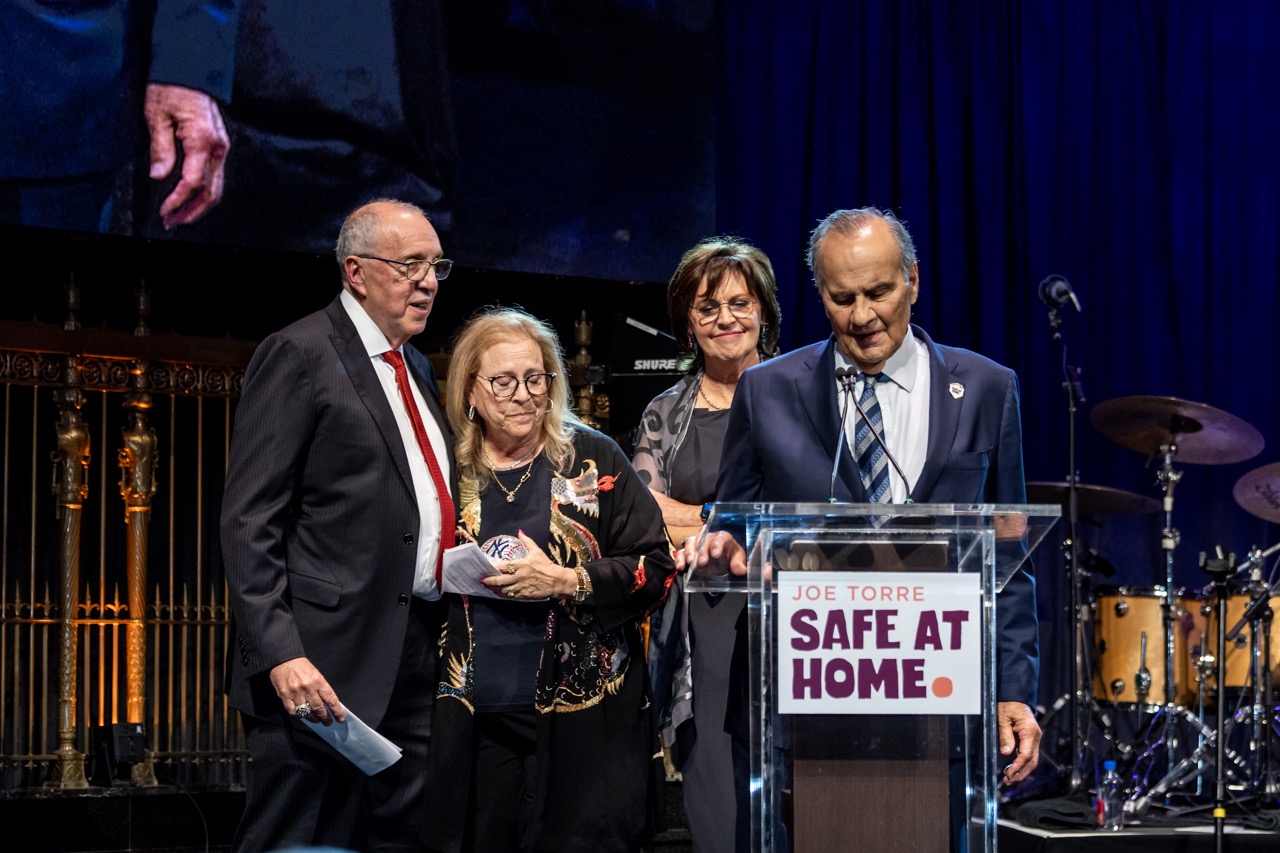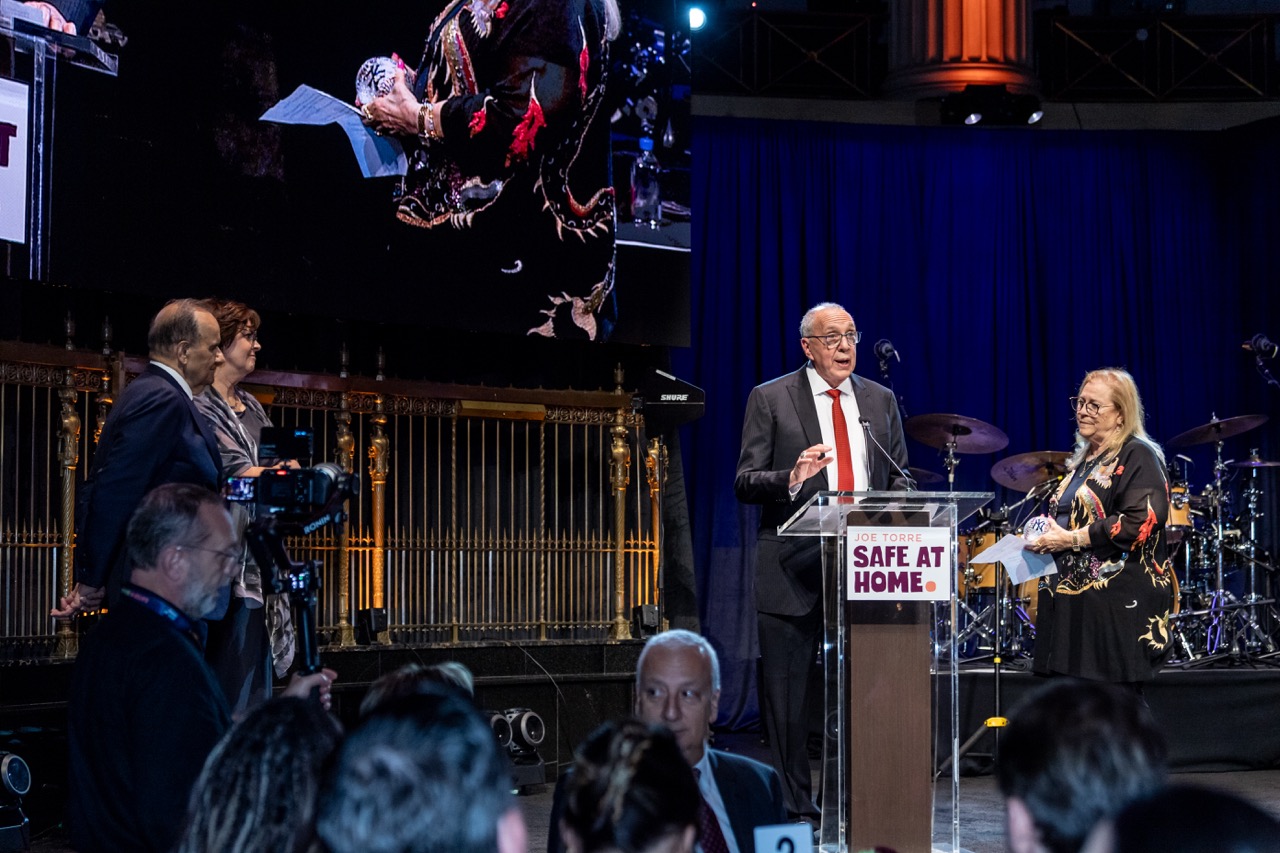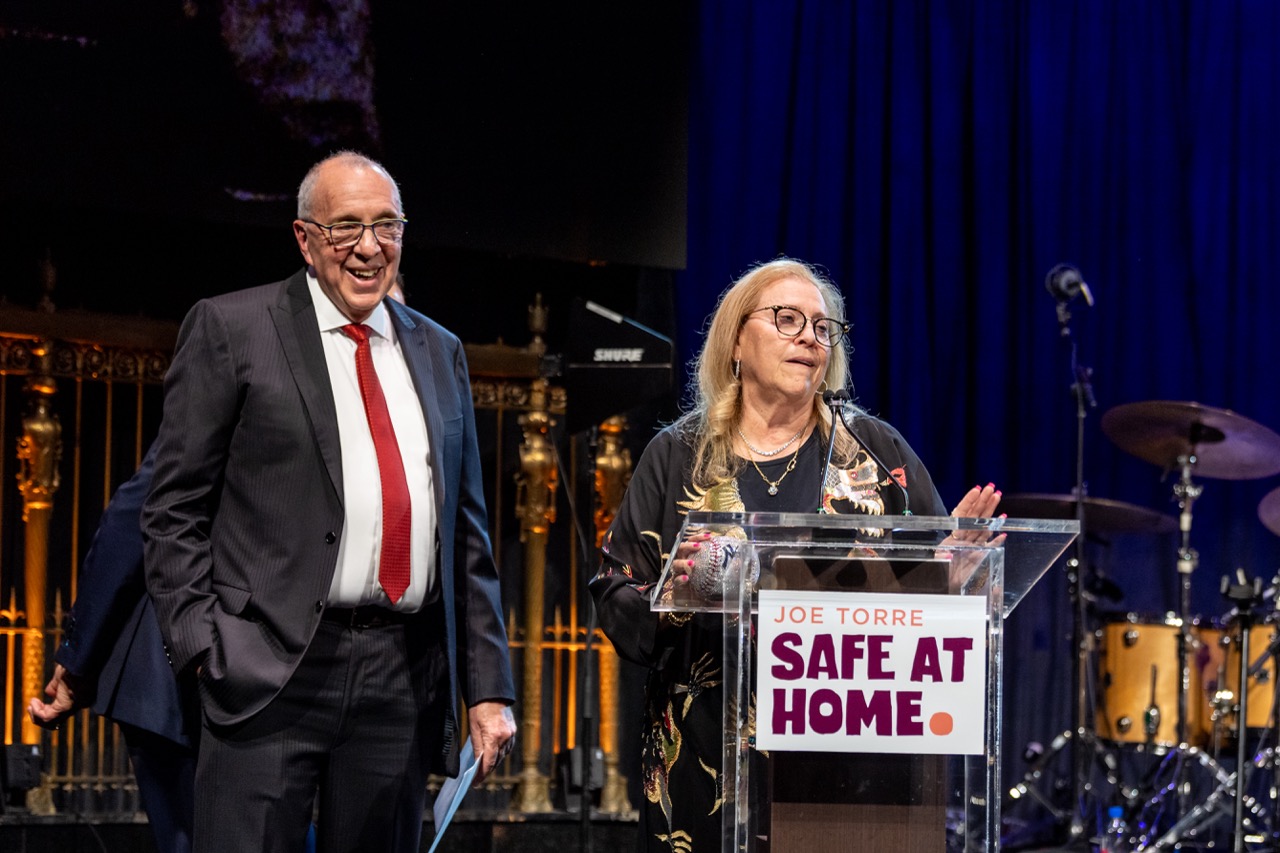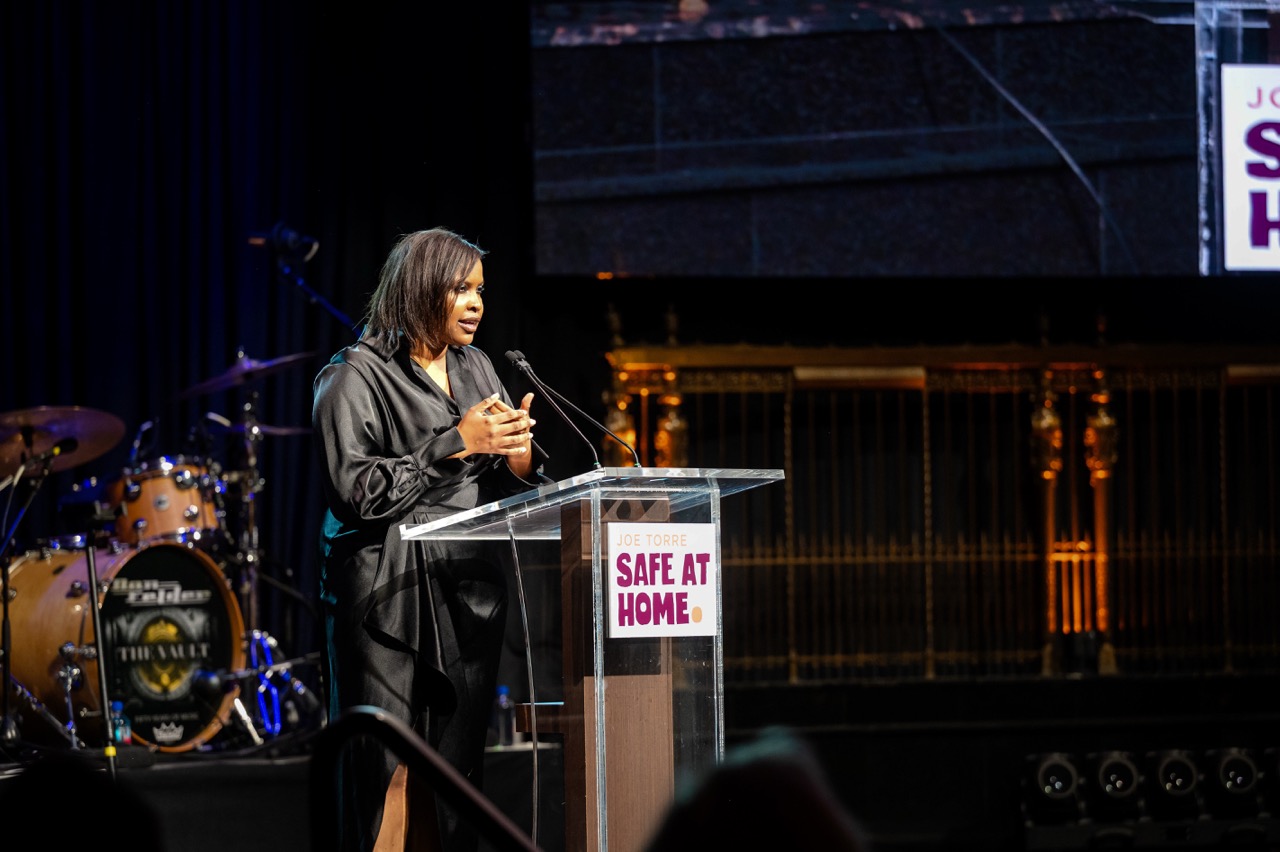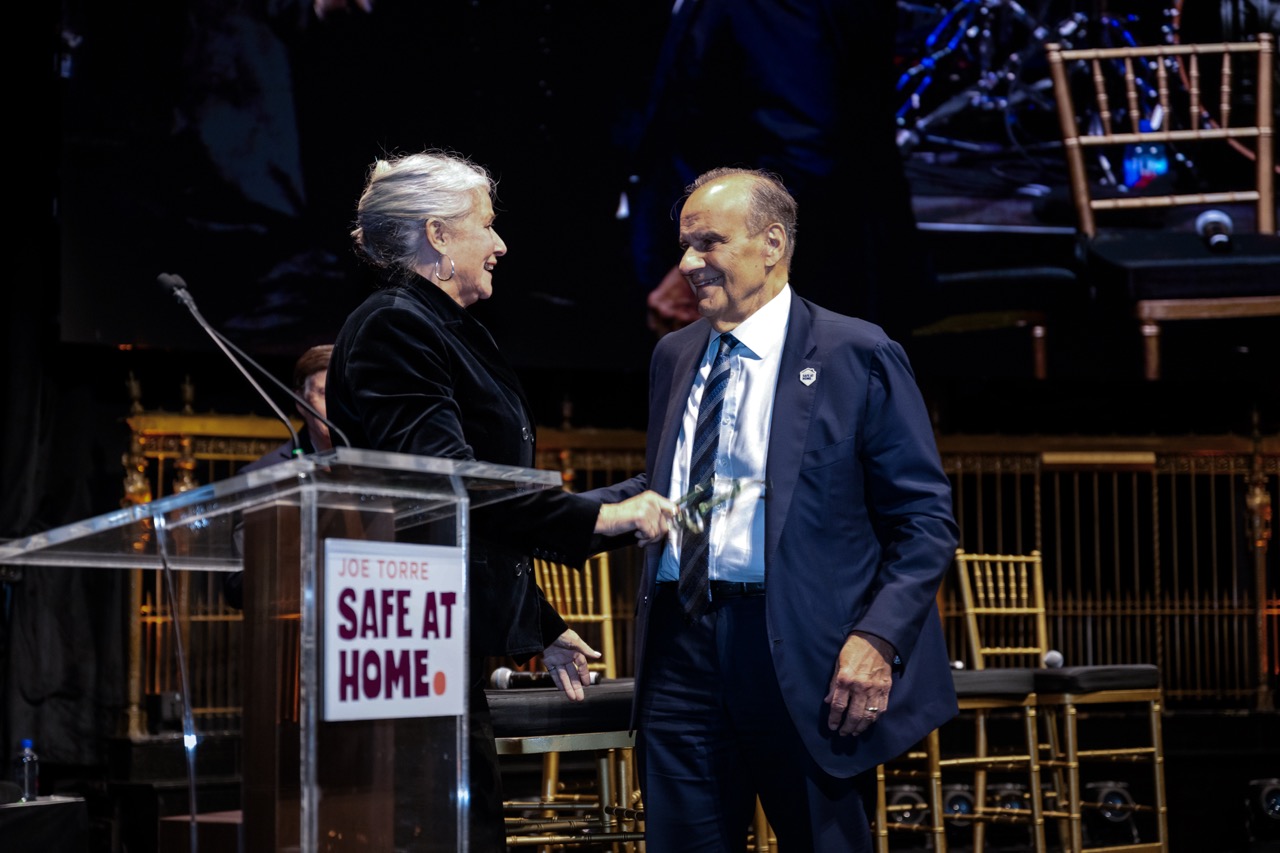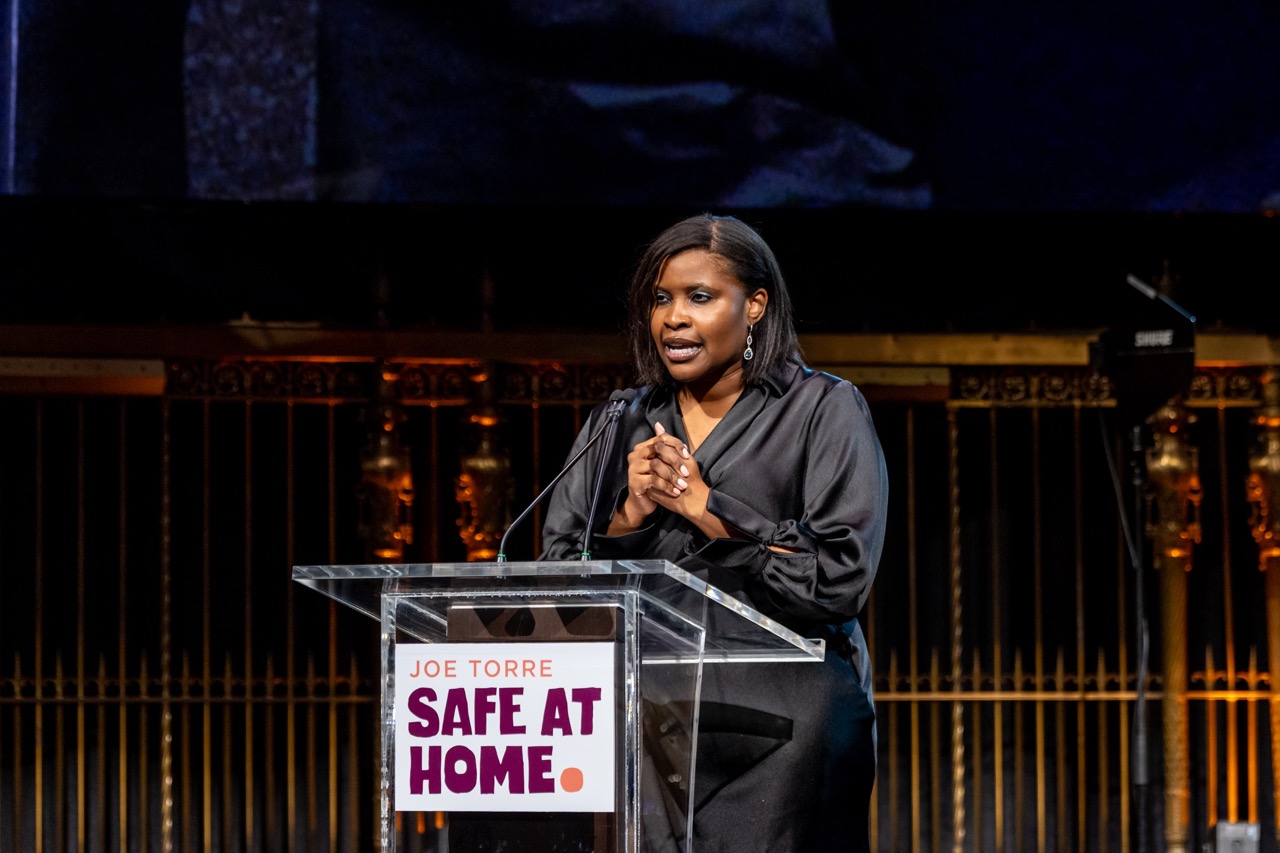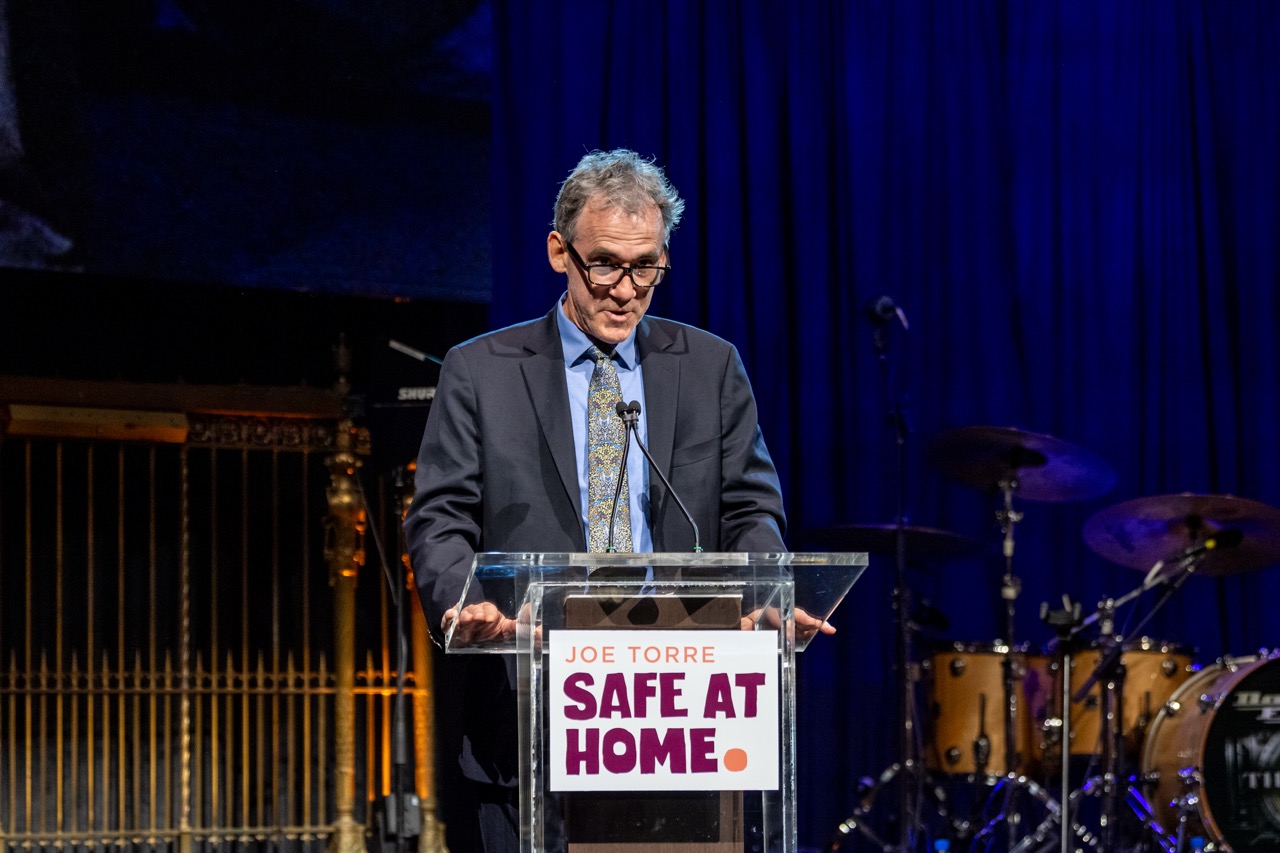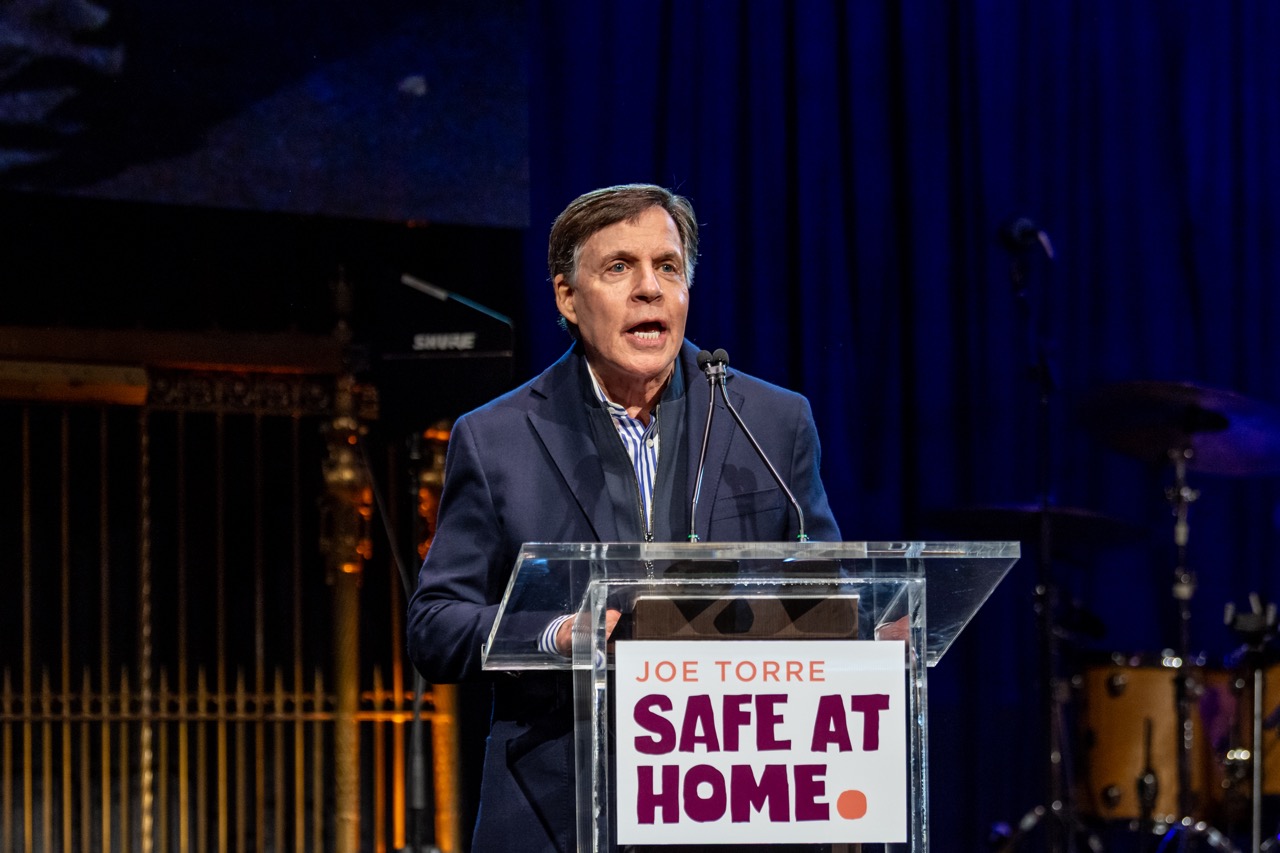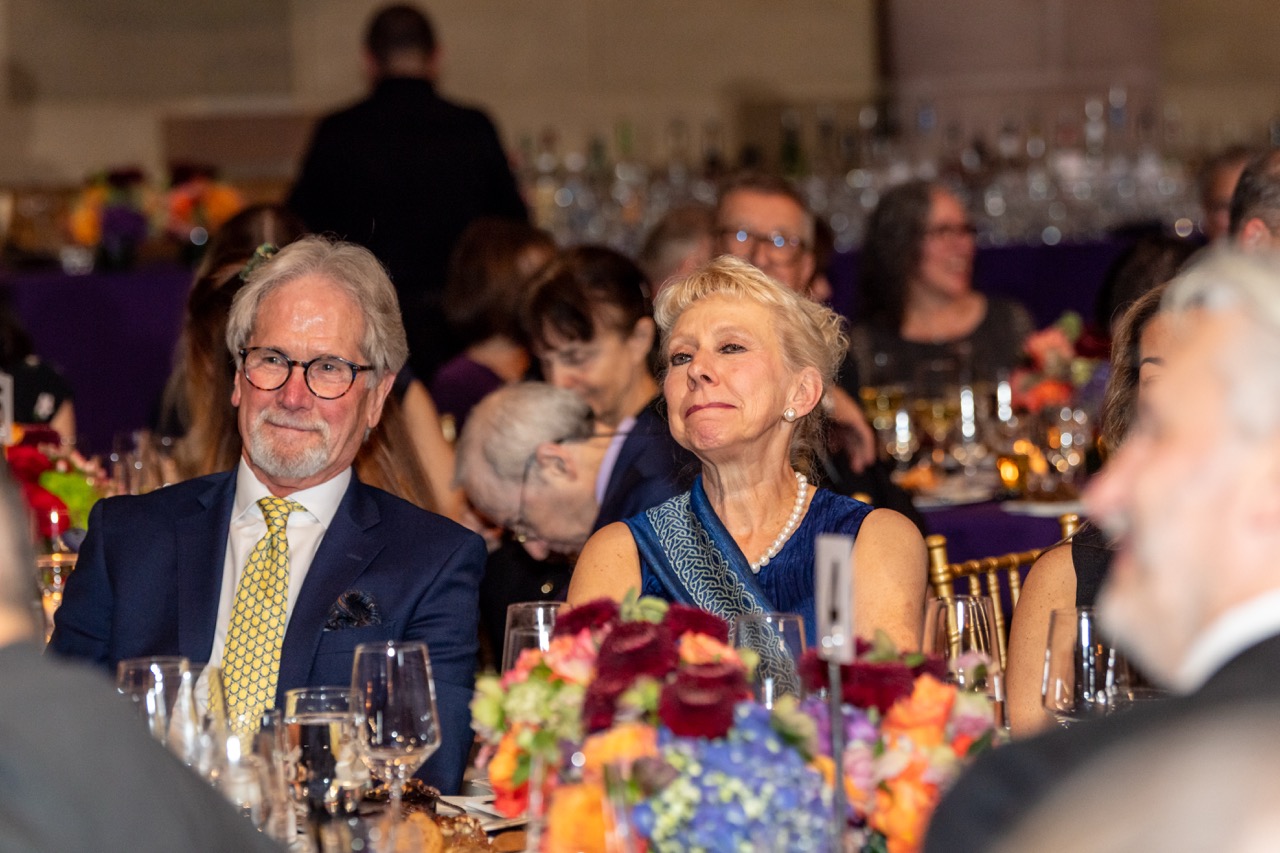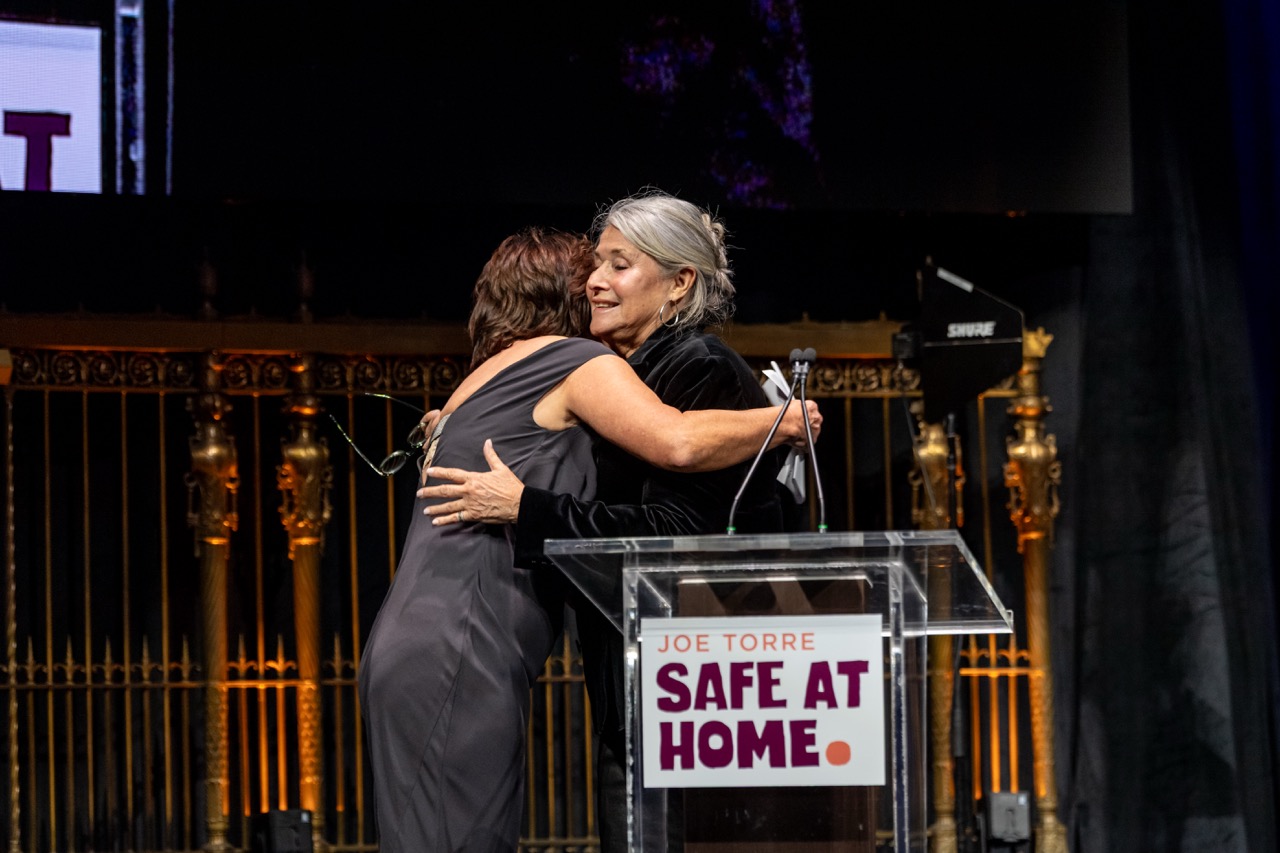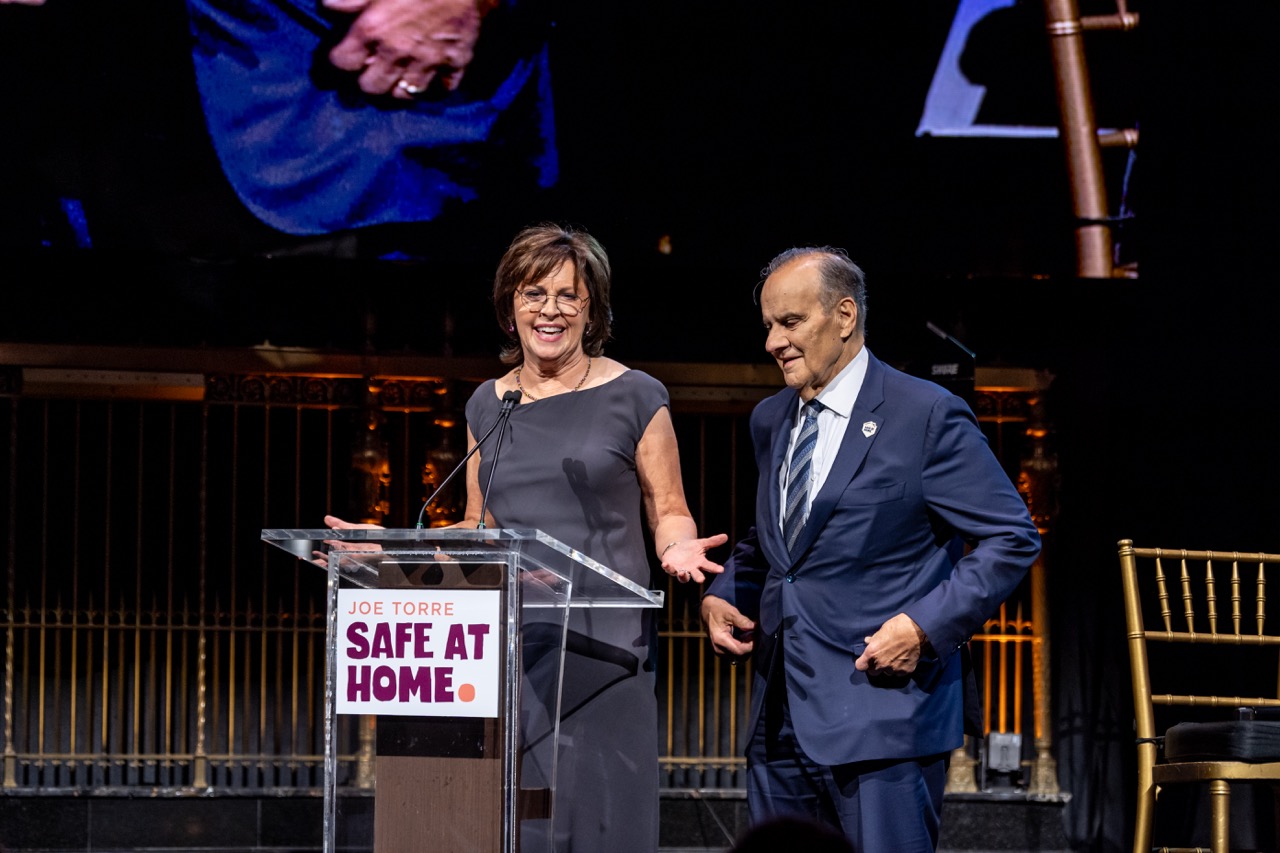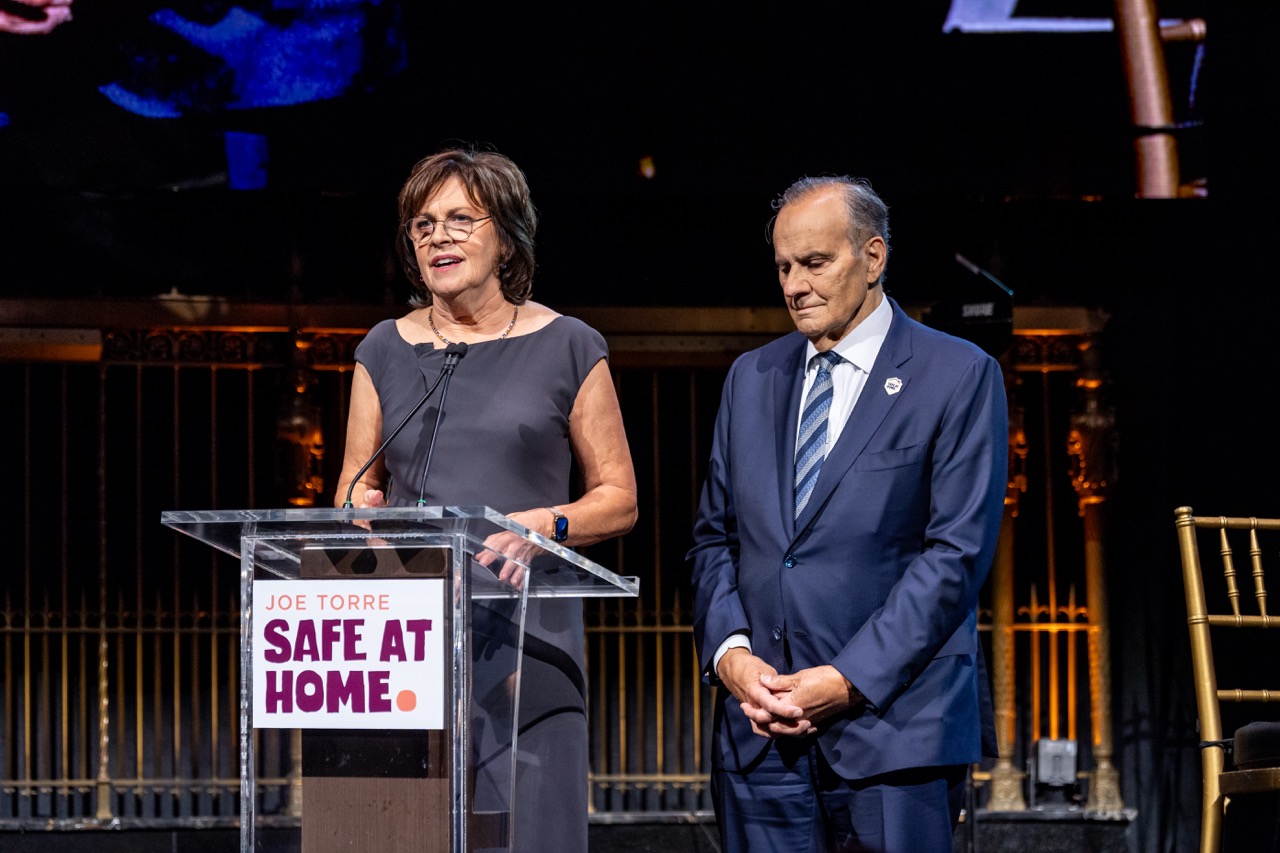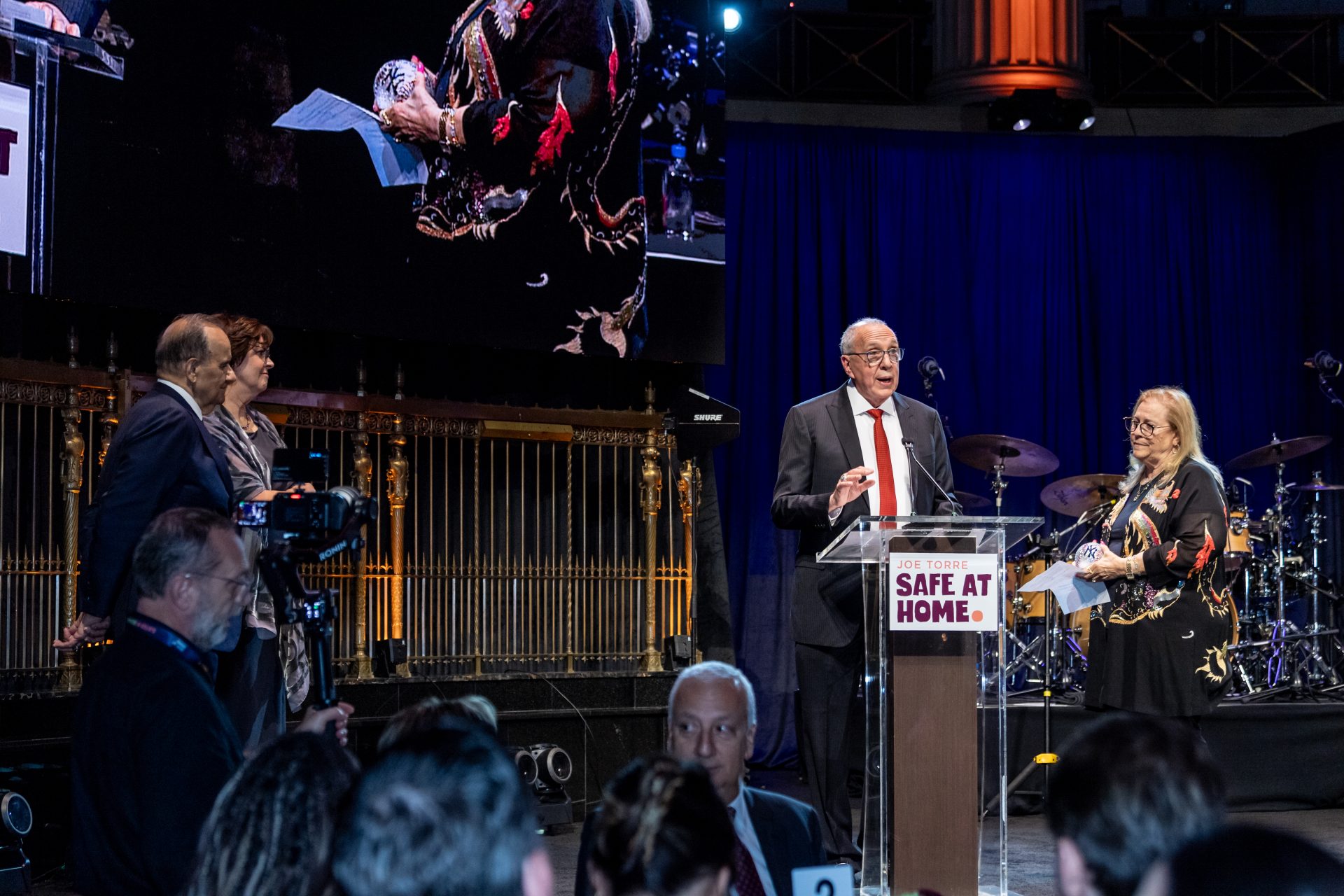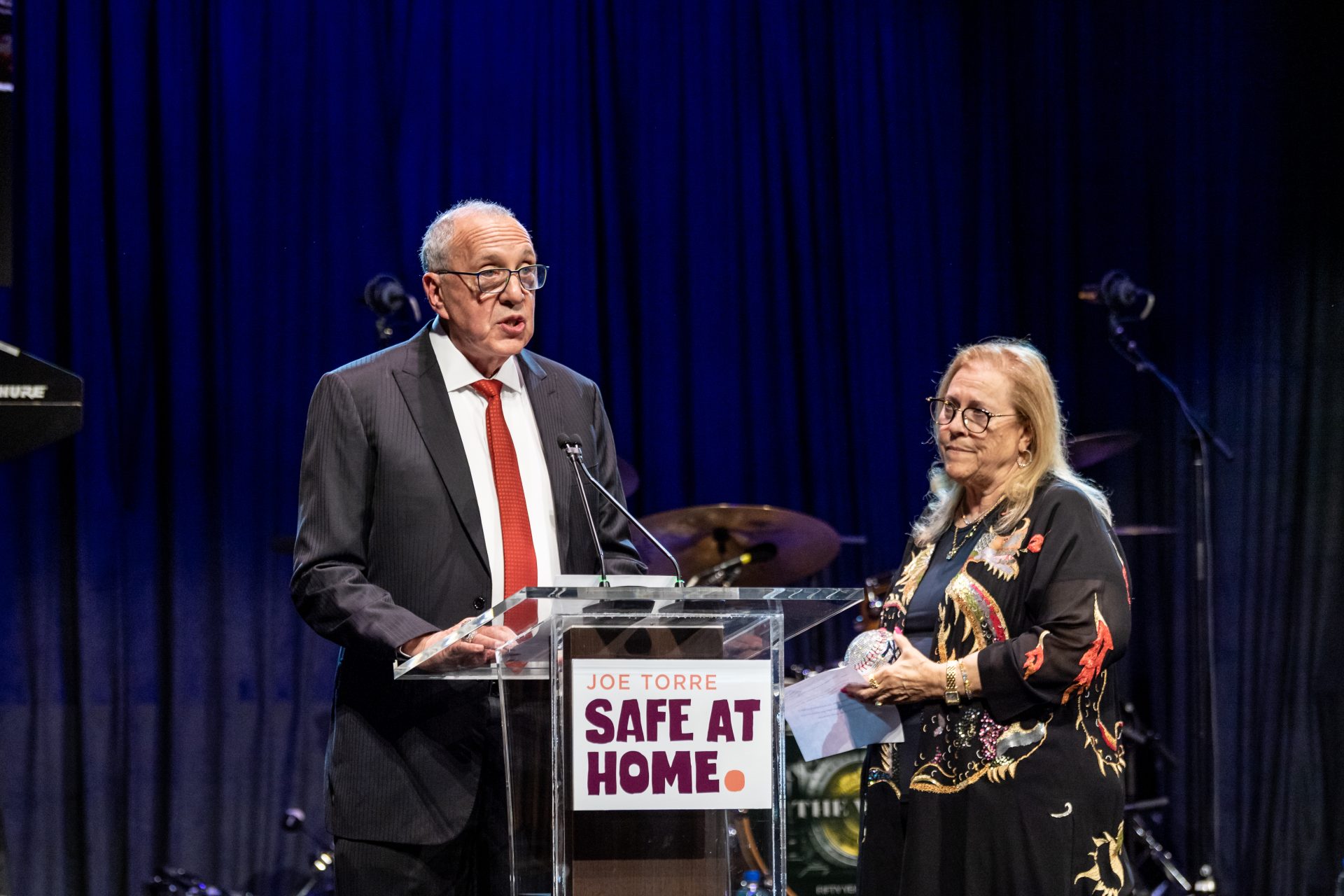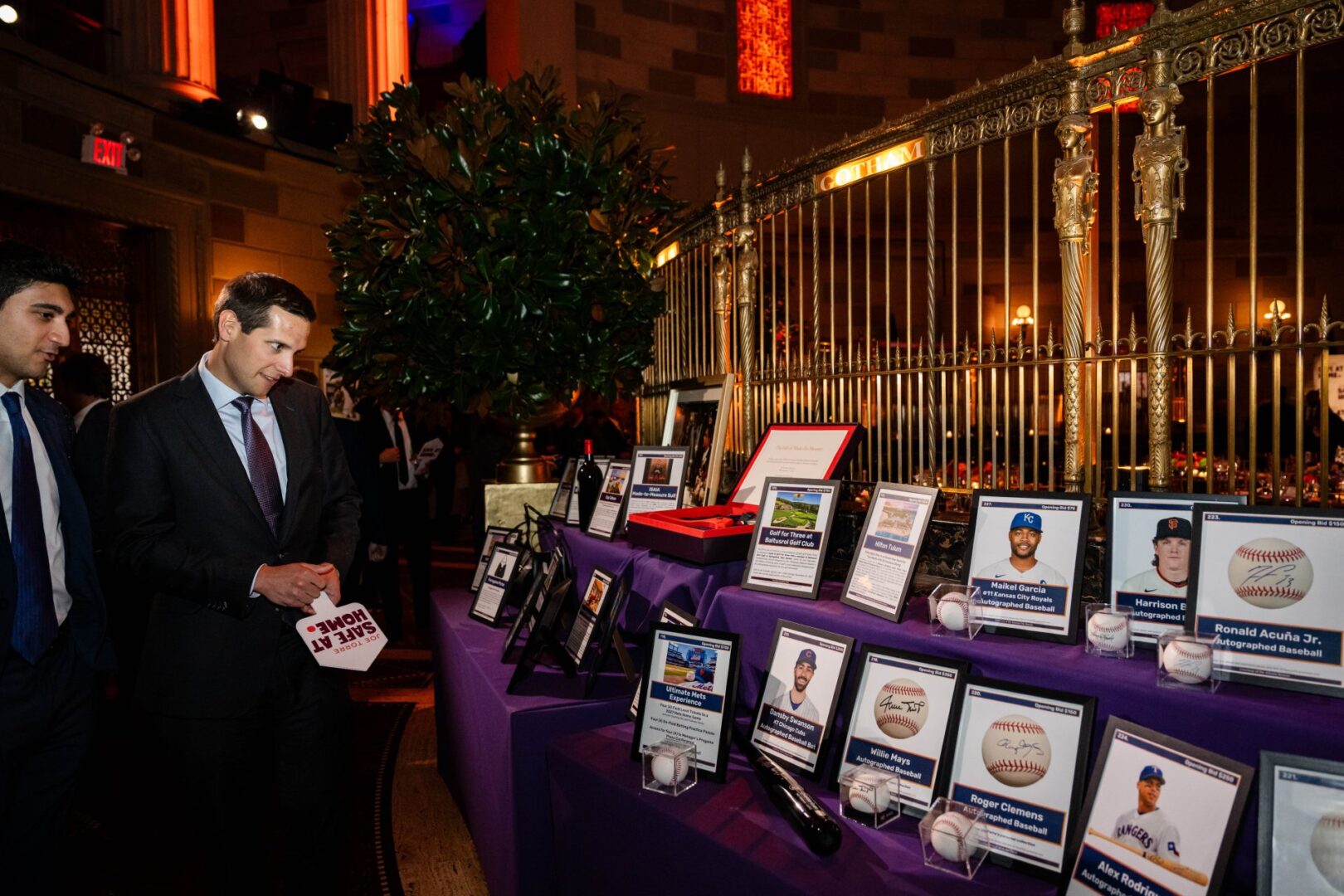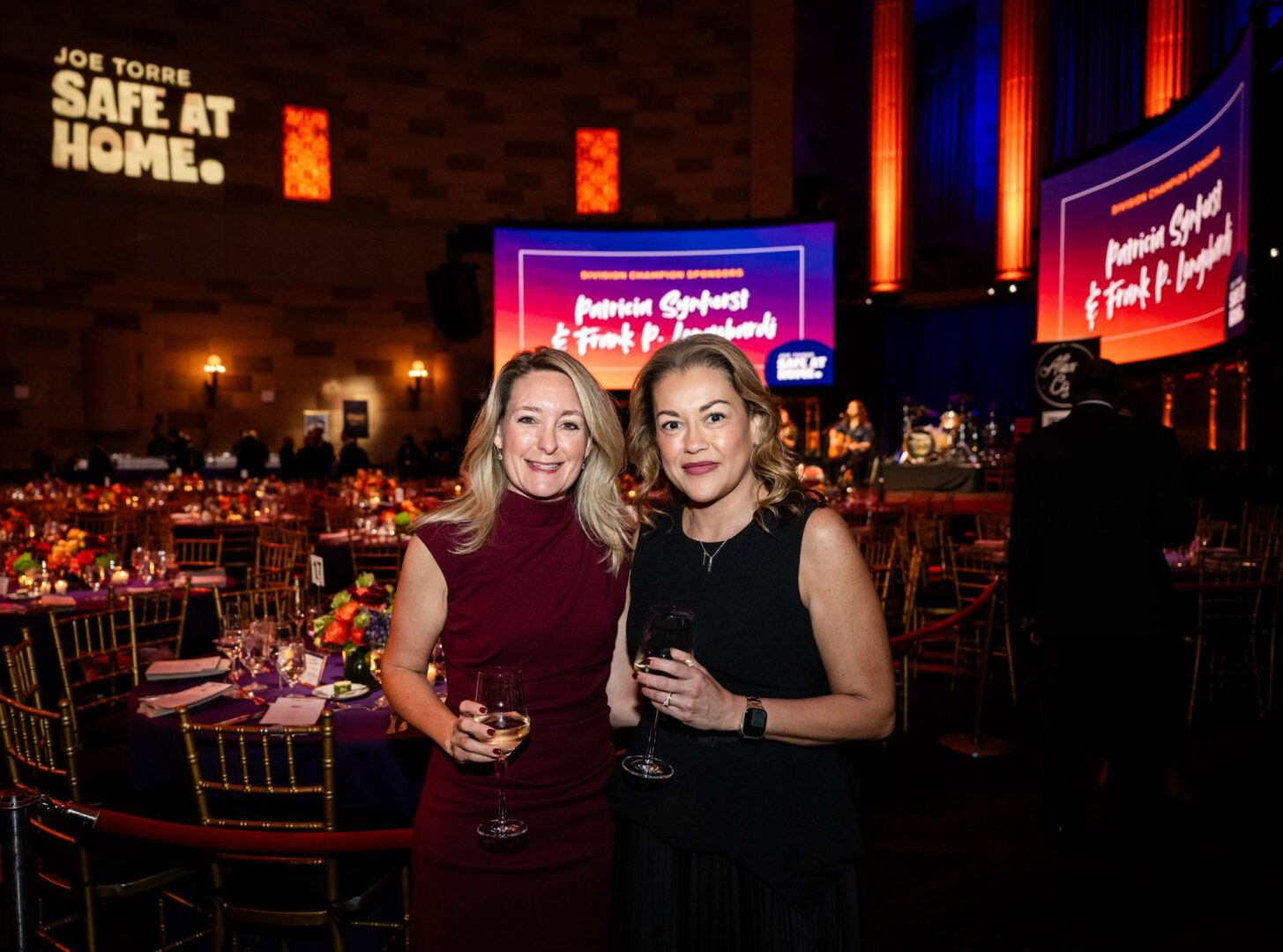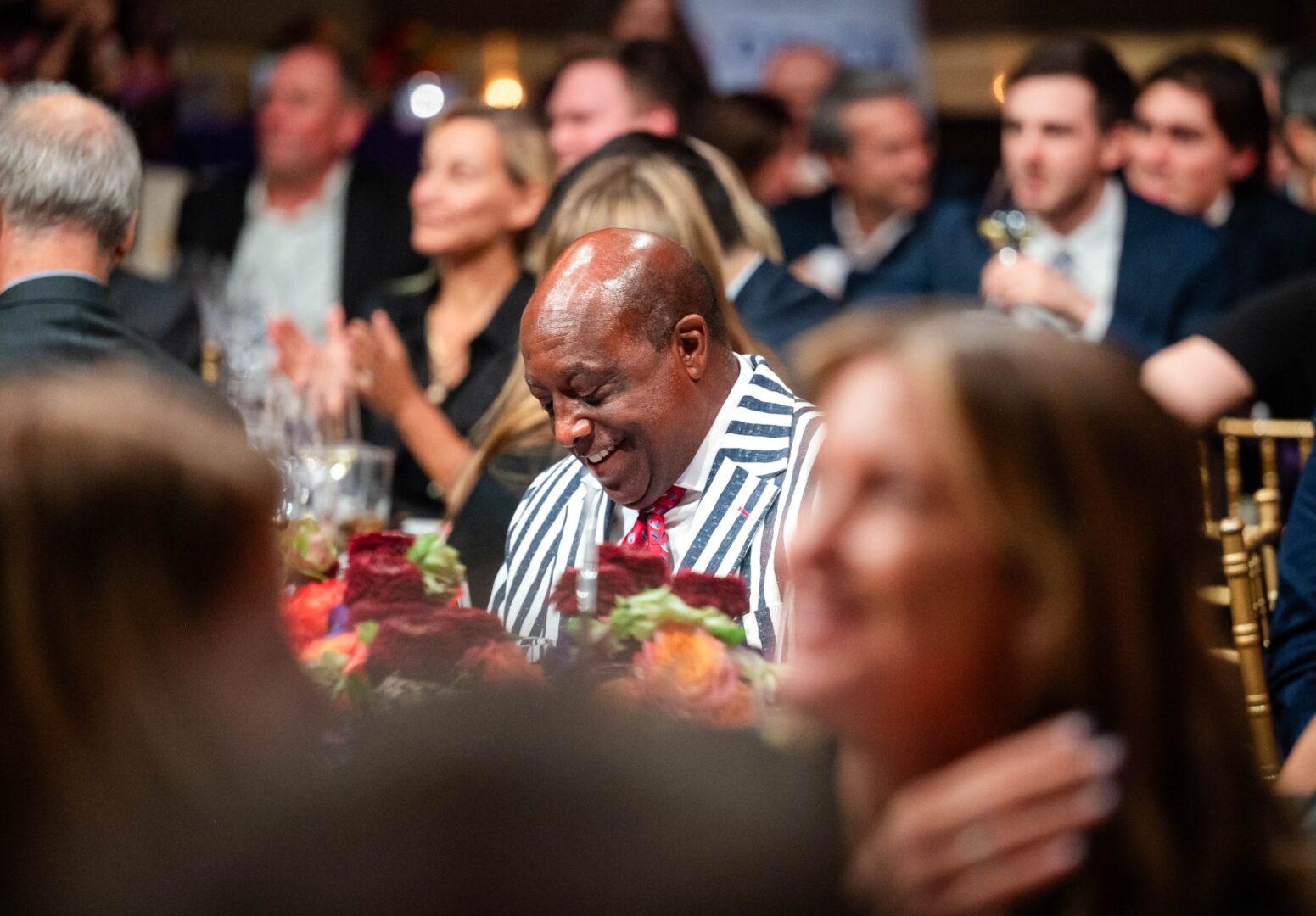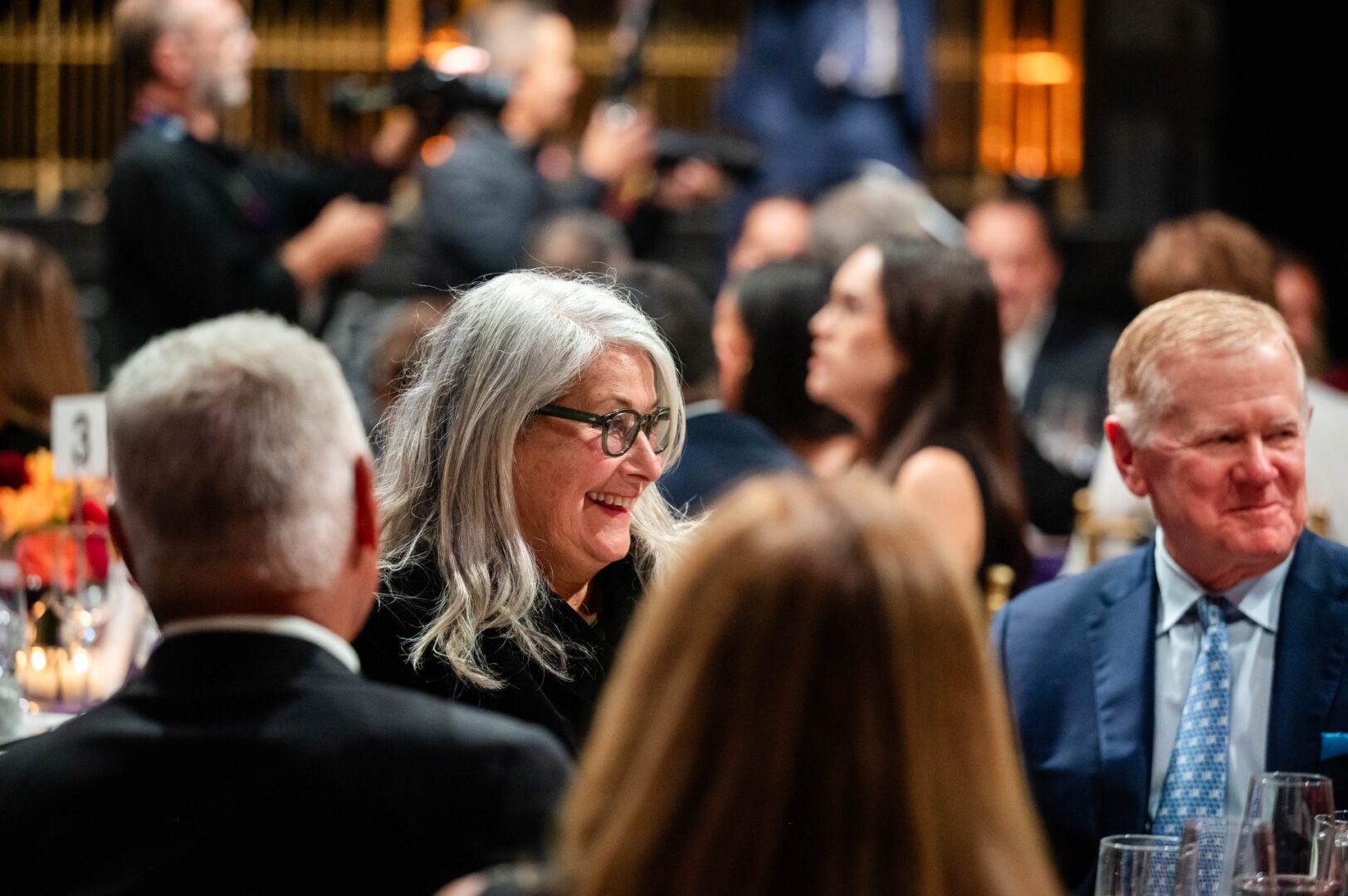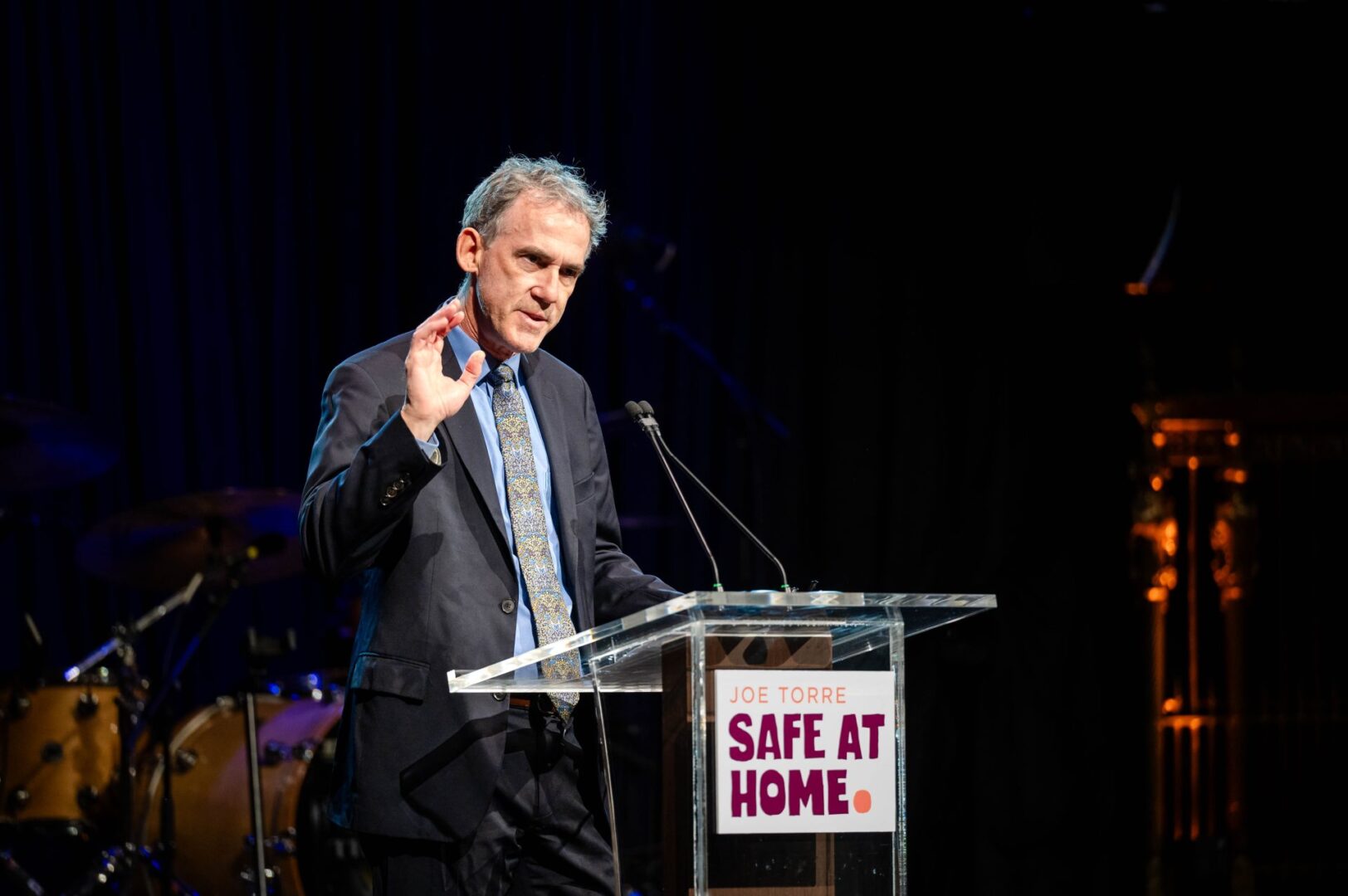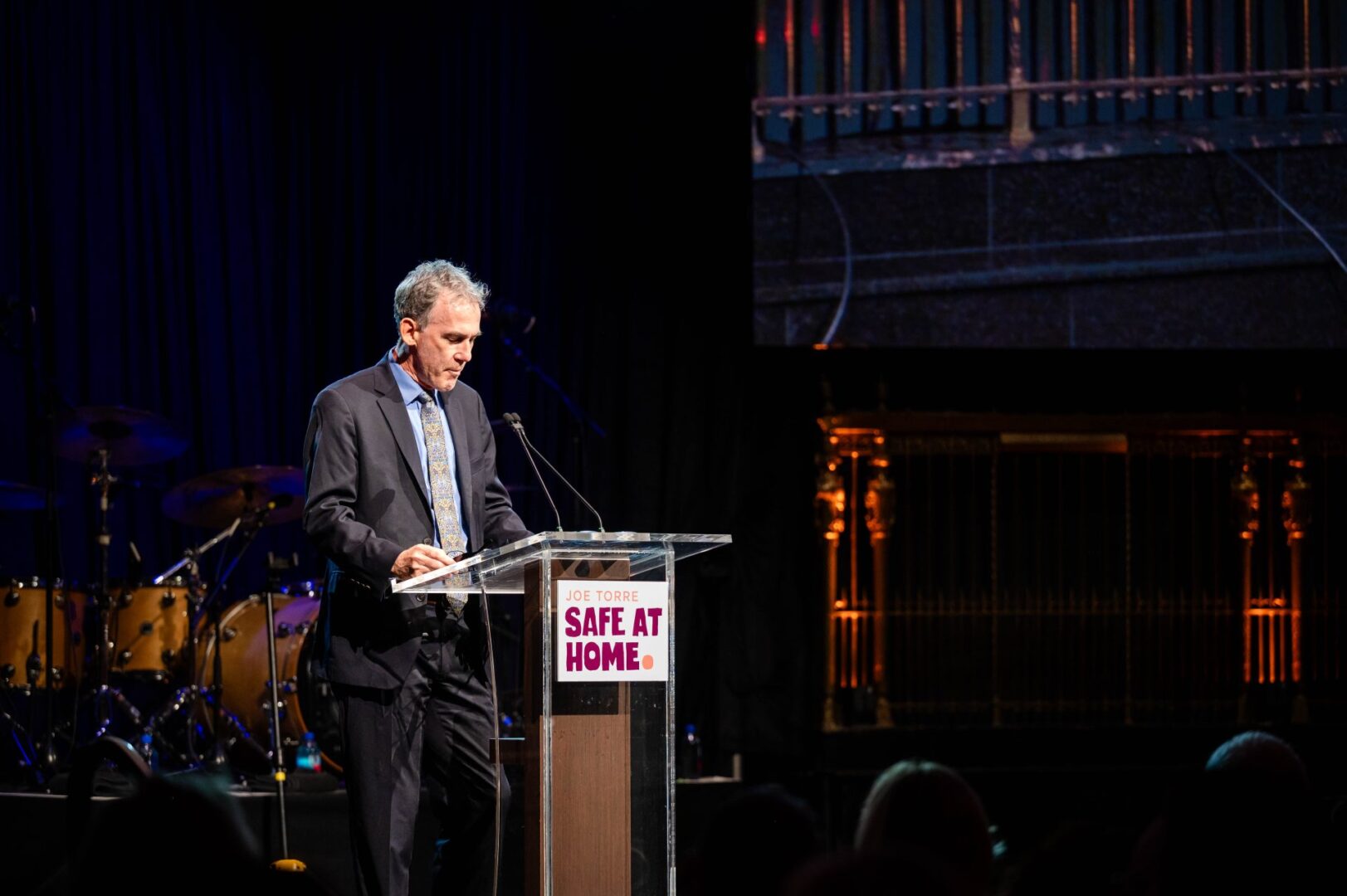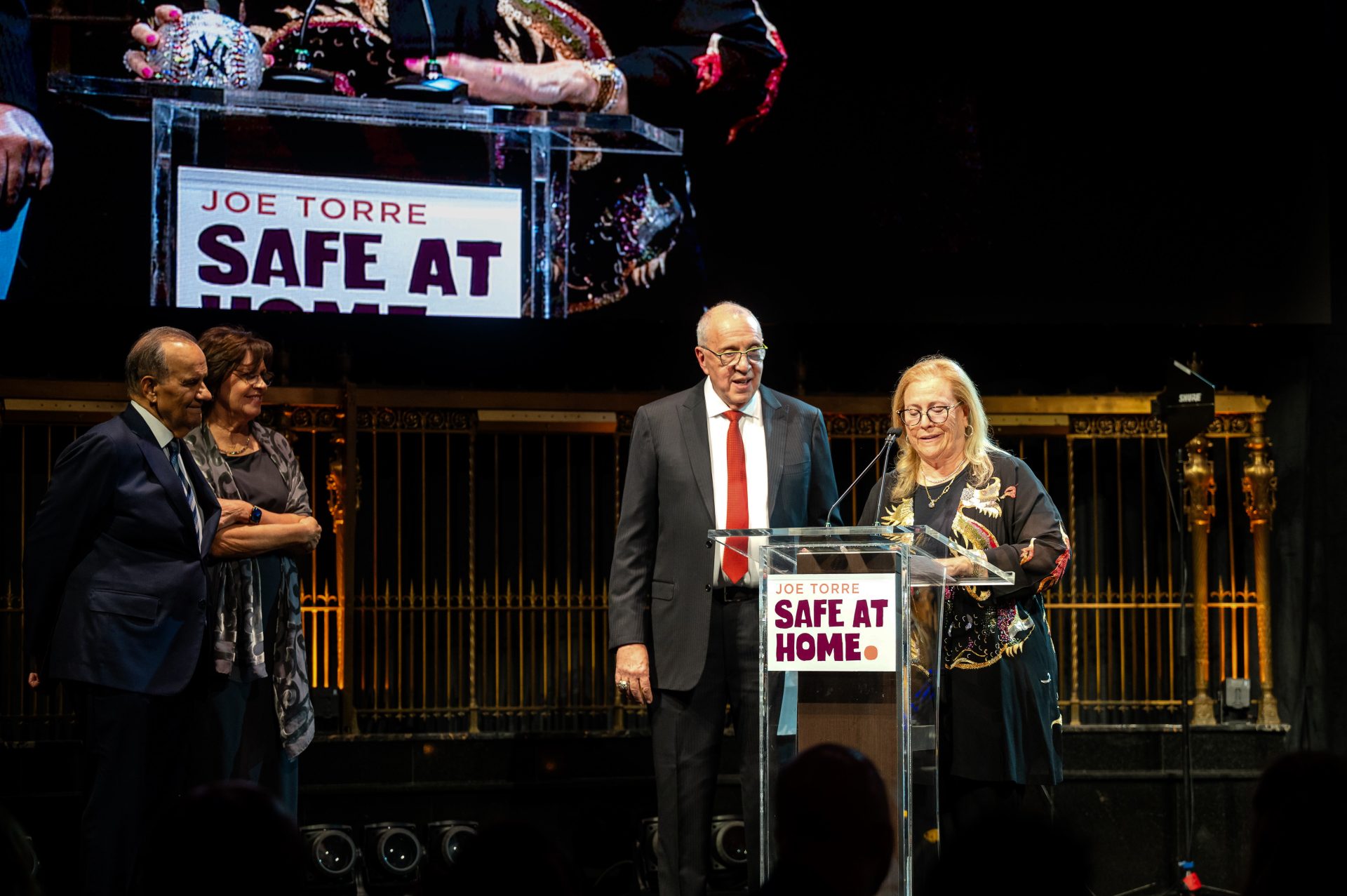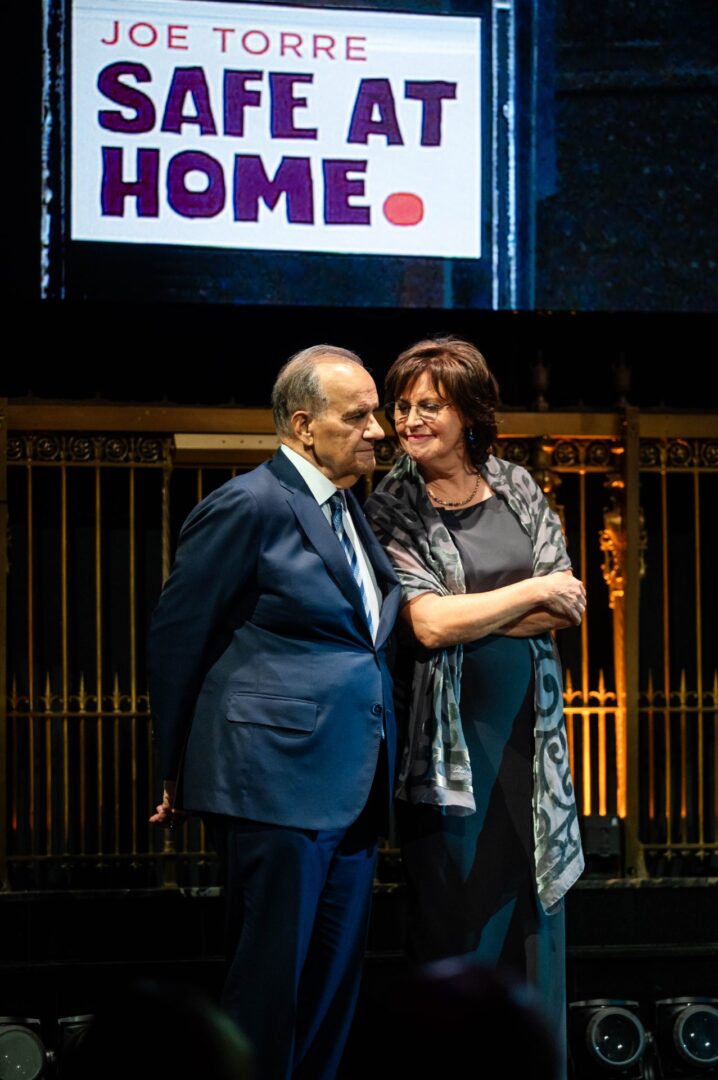
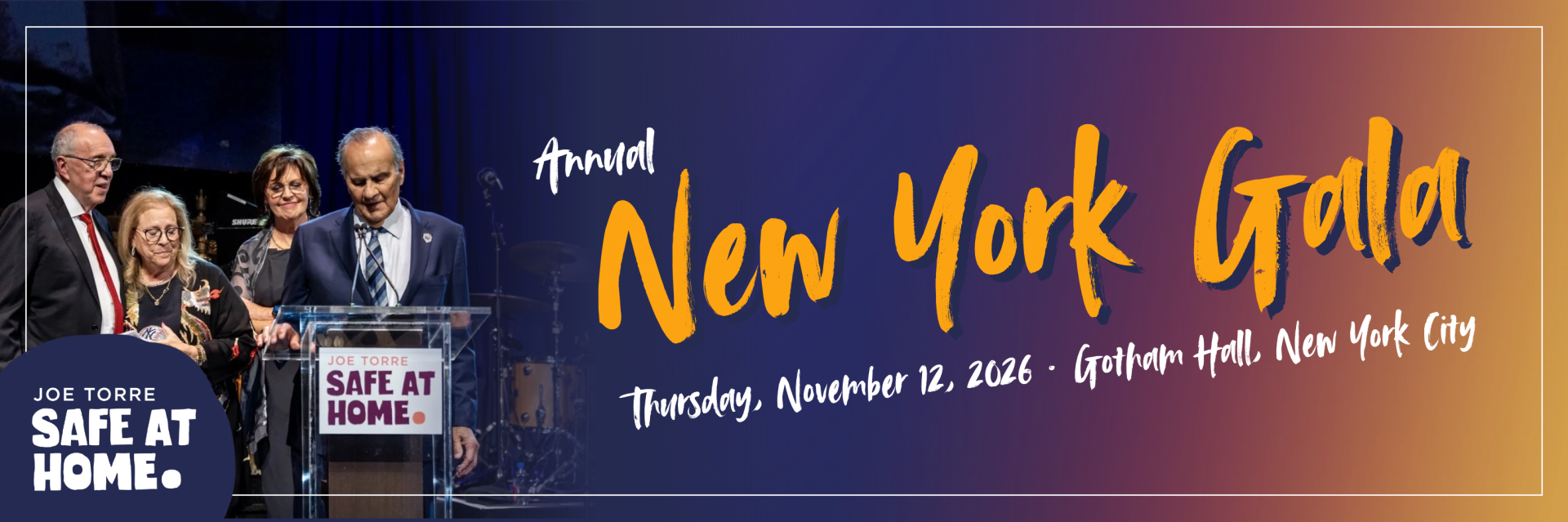
Event banner for Joe Torre Safe at Home: Annual New York Gala, with speakers at a podium on the left and bold orange 'New York Gala' text on a navy-to-orange gradient; date and Gotham Hall, NYC listed.

Safe At Home’s 2026 New York Gala

Safe At Home’s 2026 New York Gala

A Night of Gratitude, Generosity, and Impact

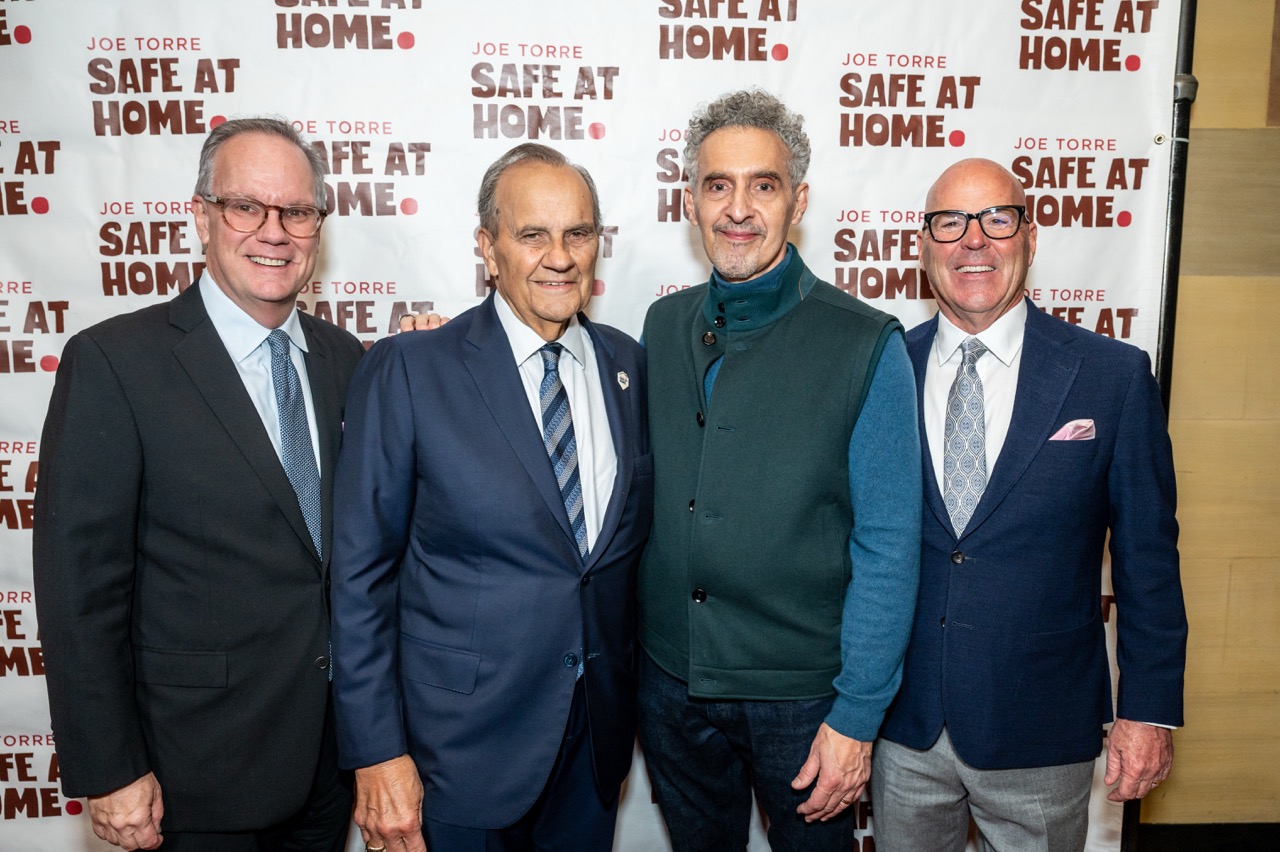
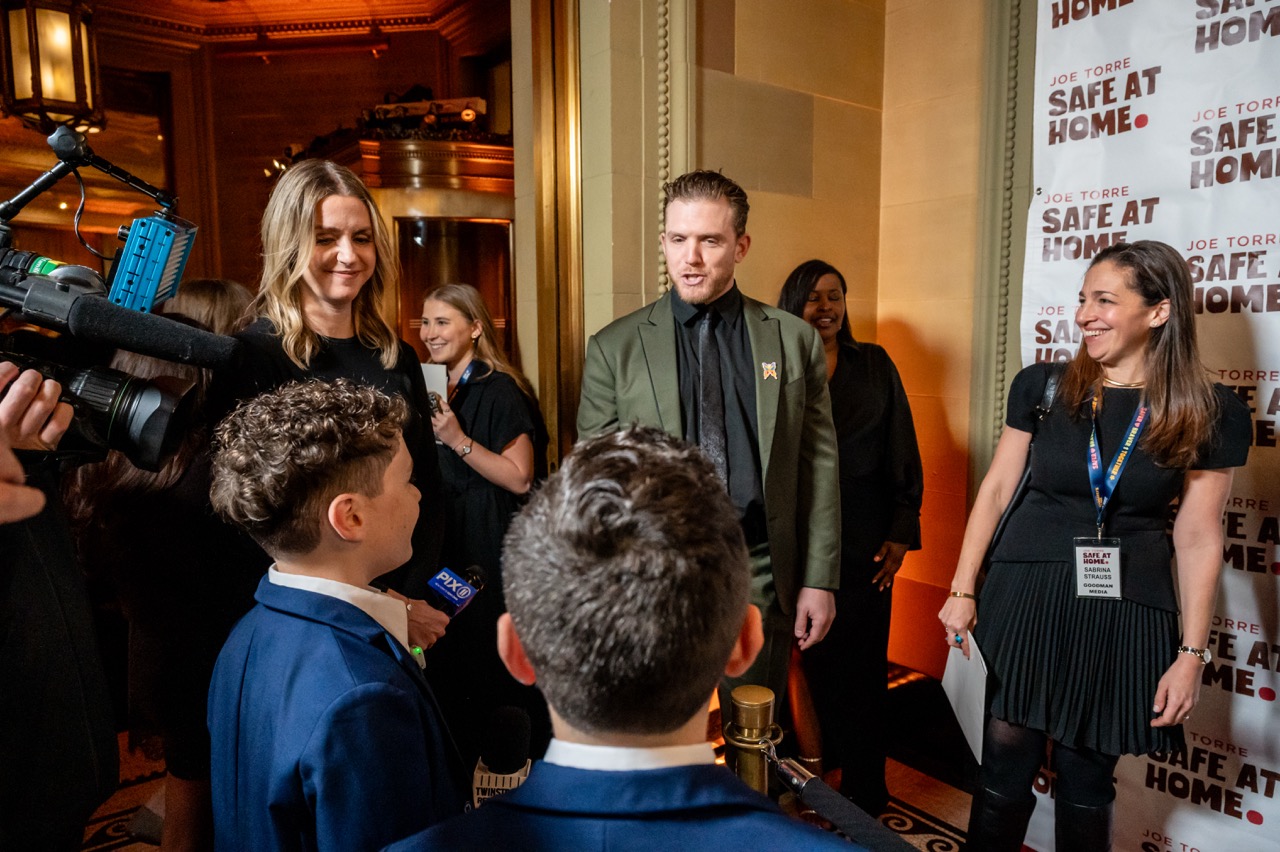
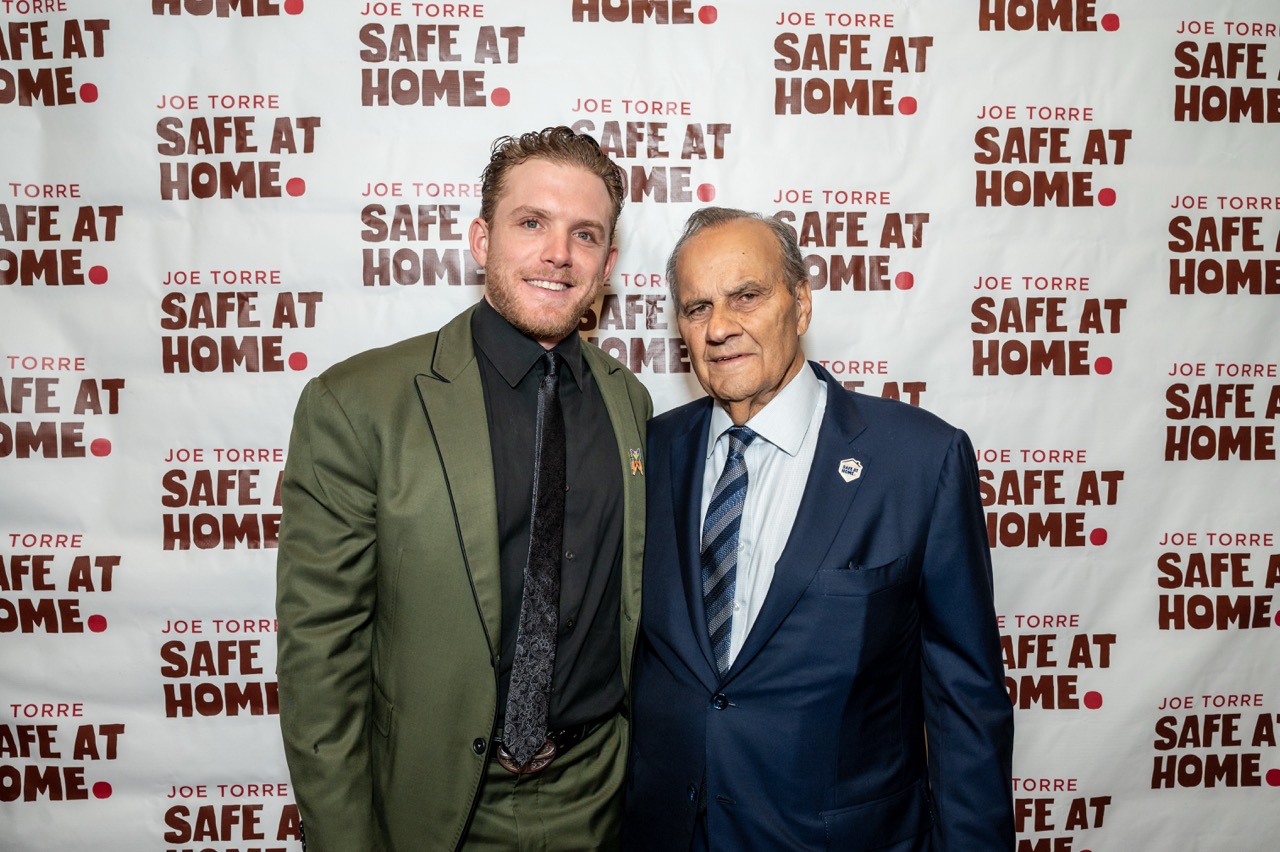
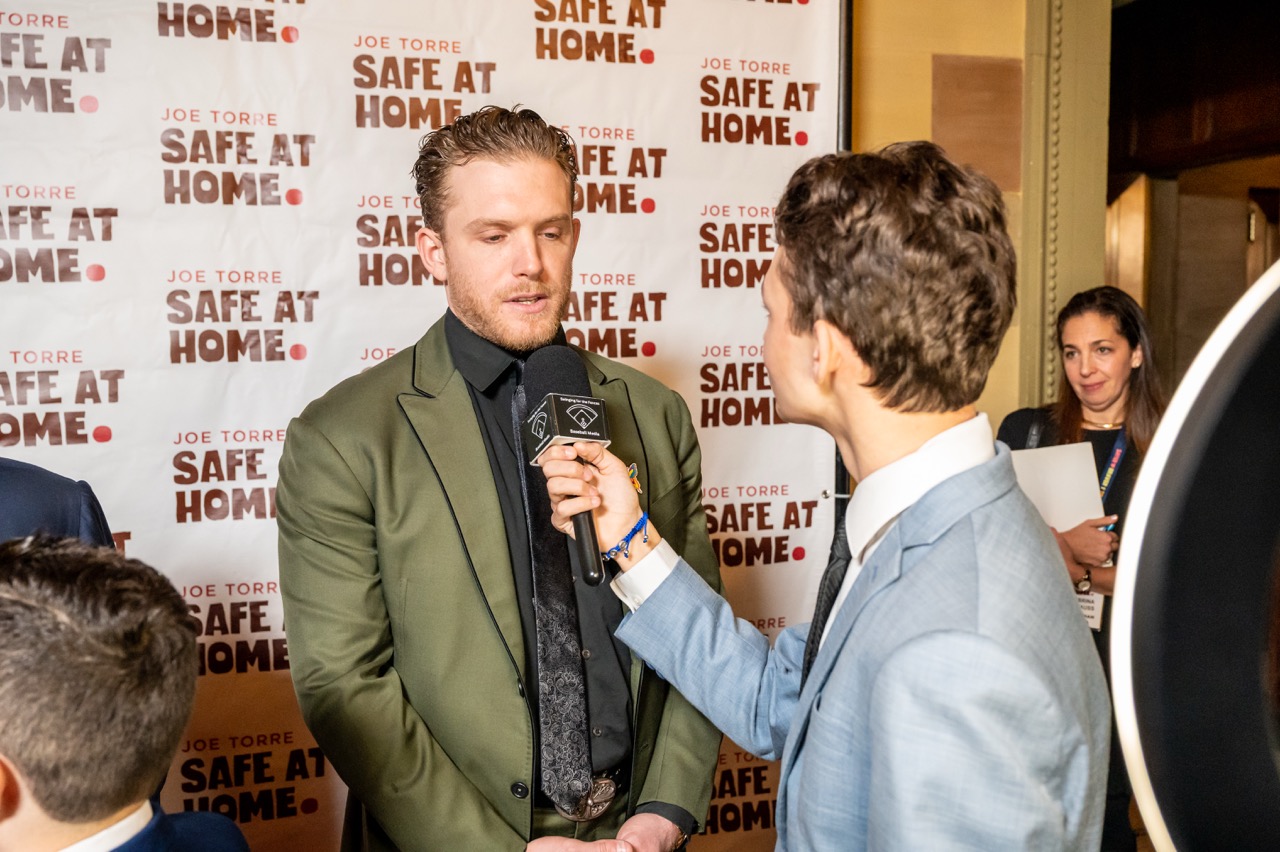
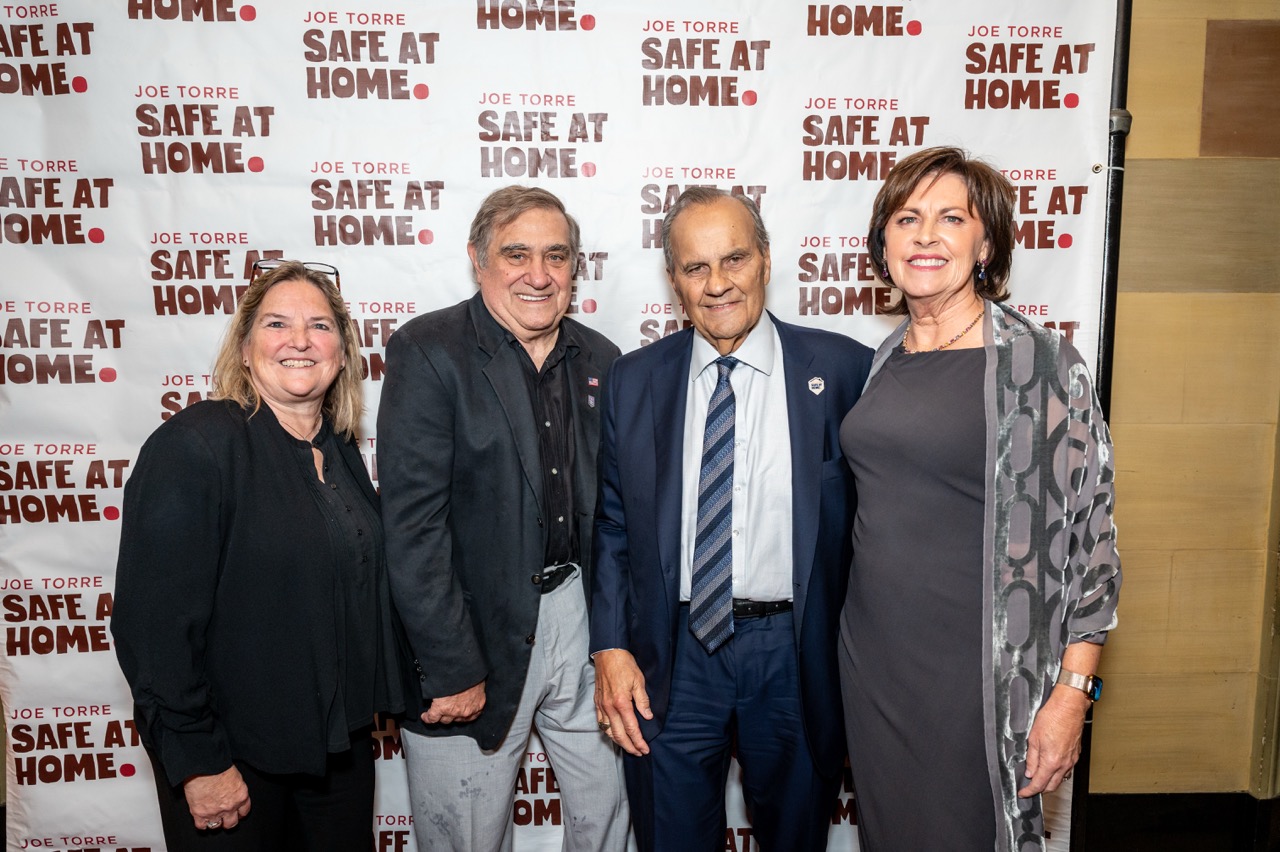
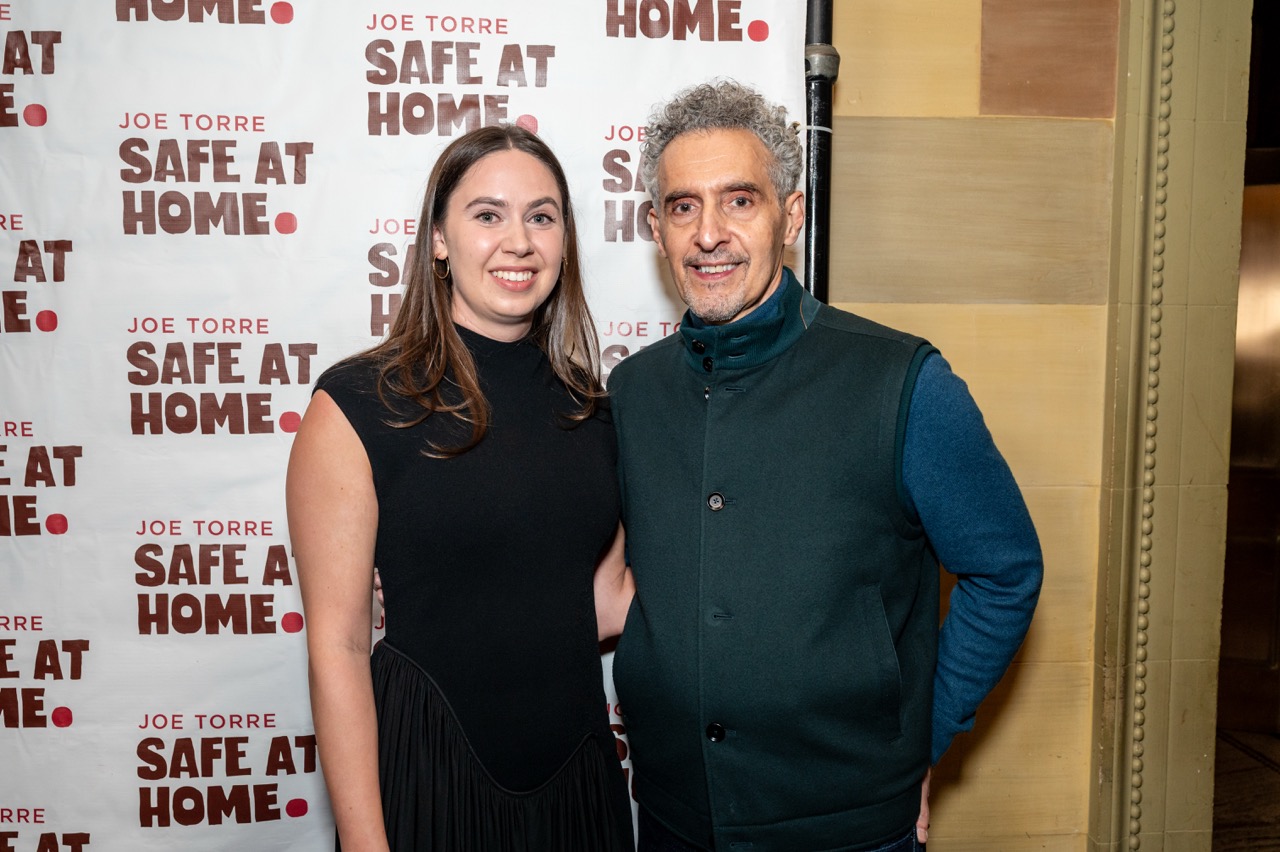
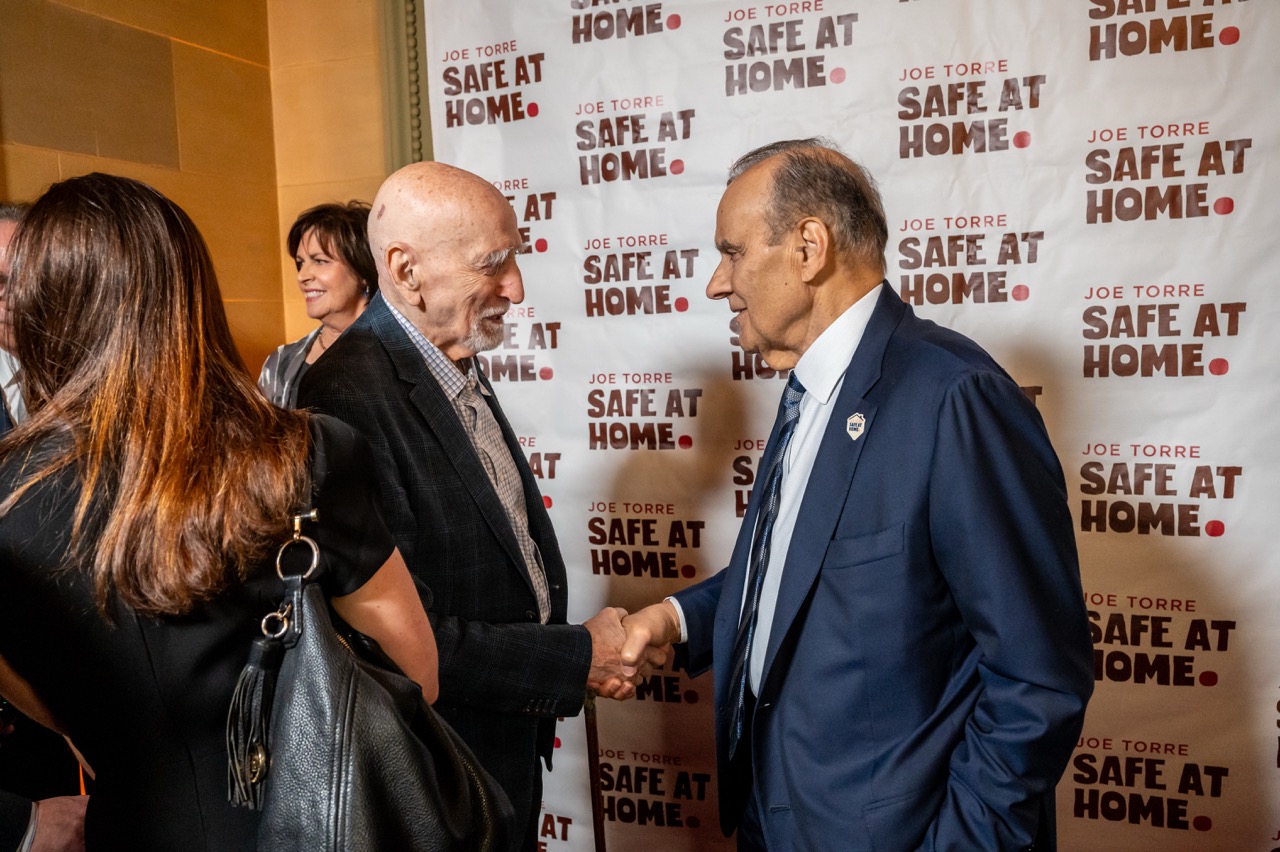
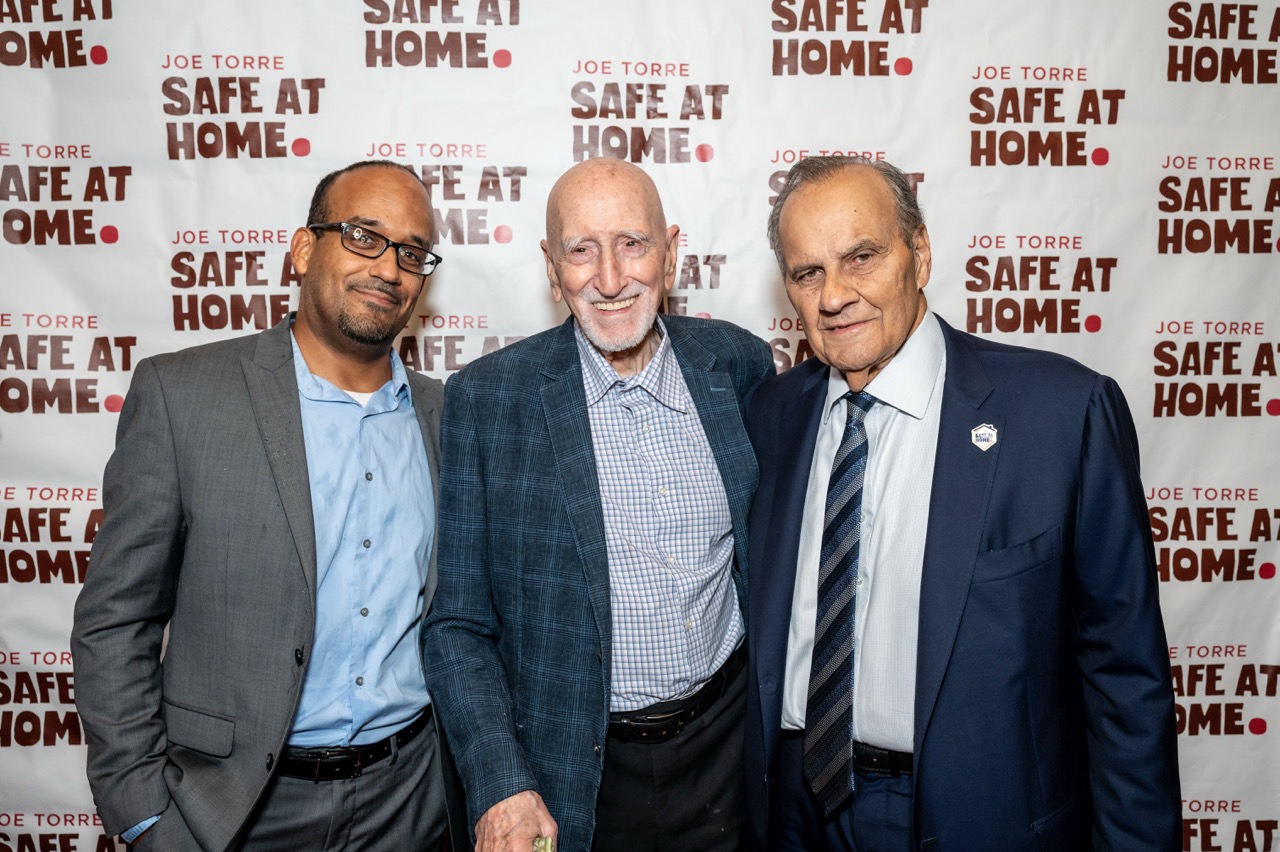
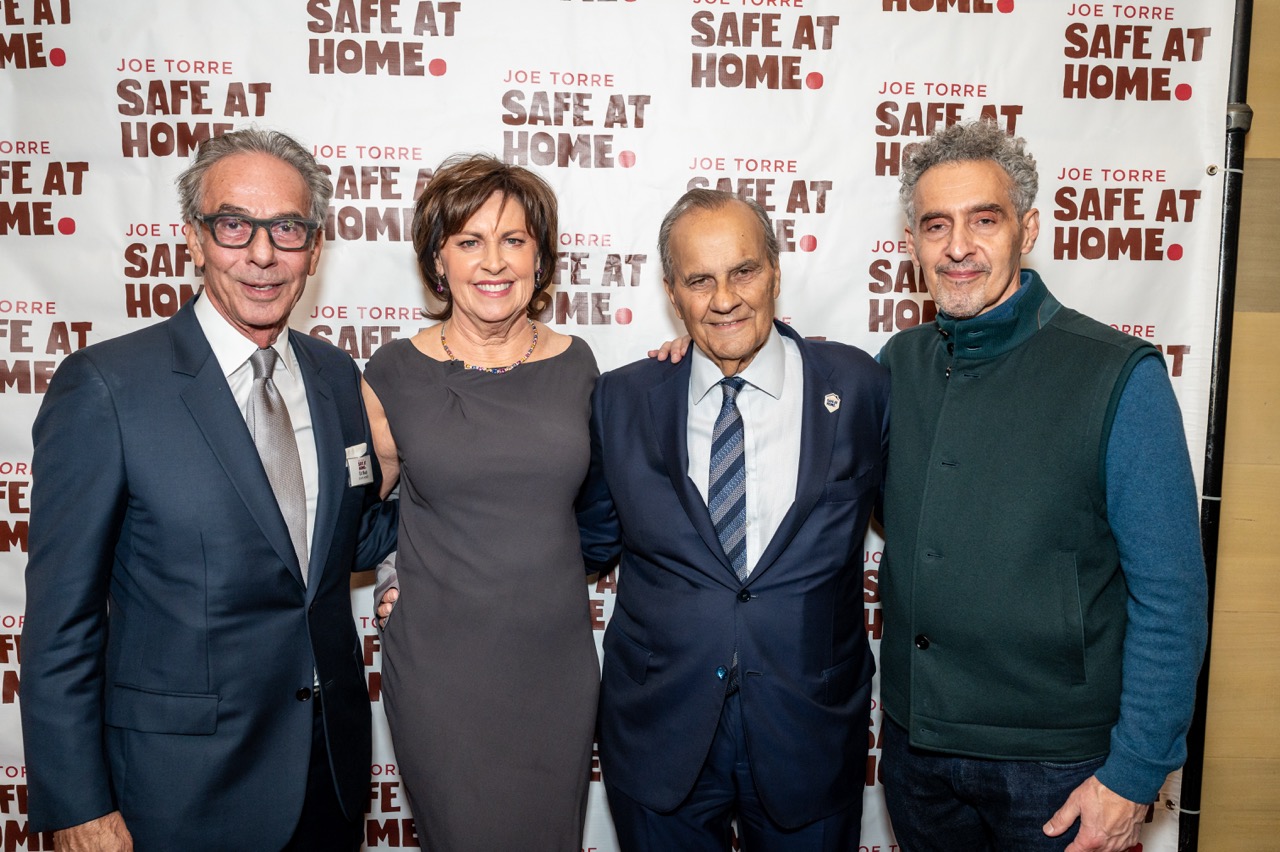
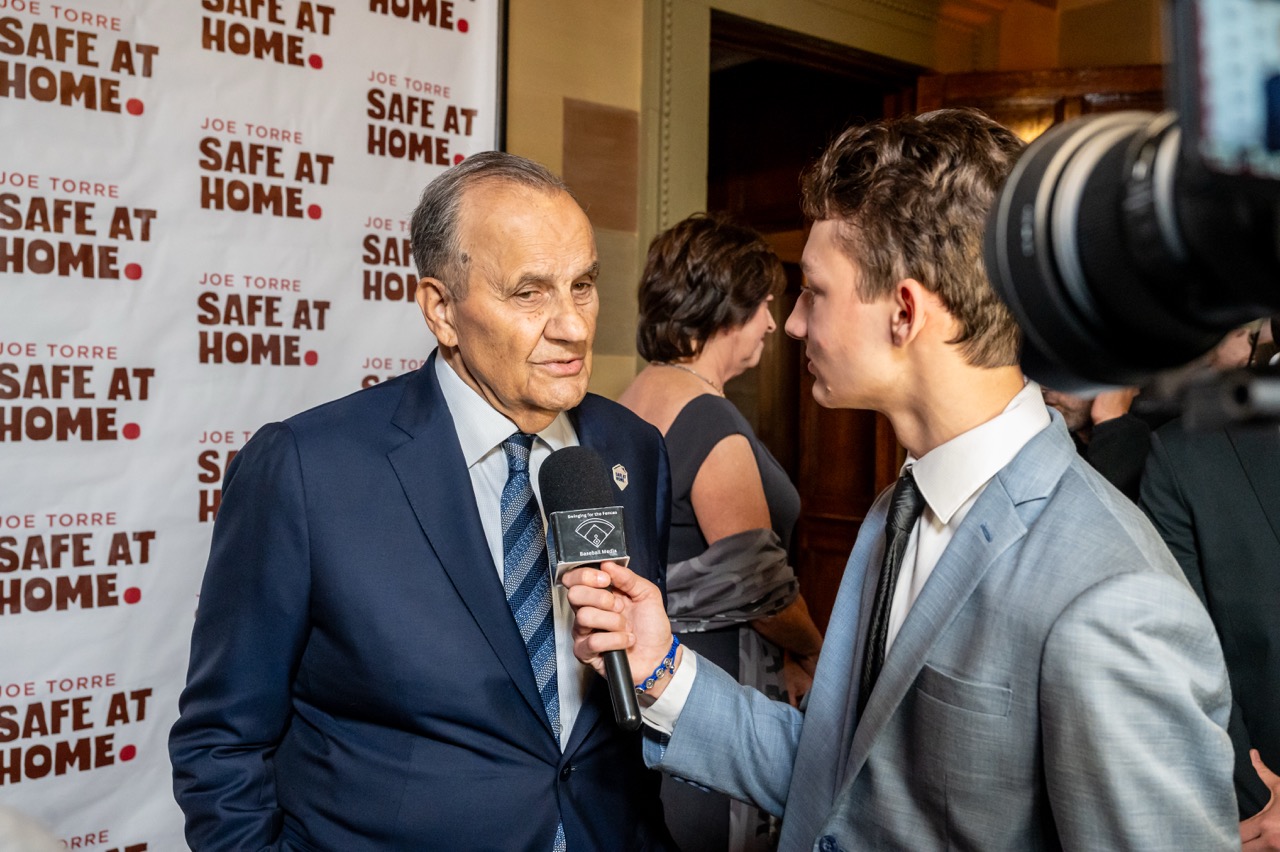
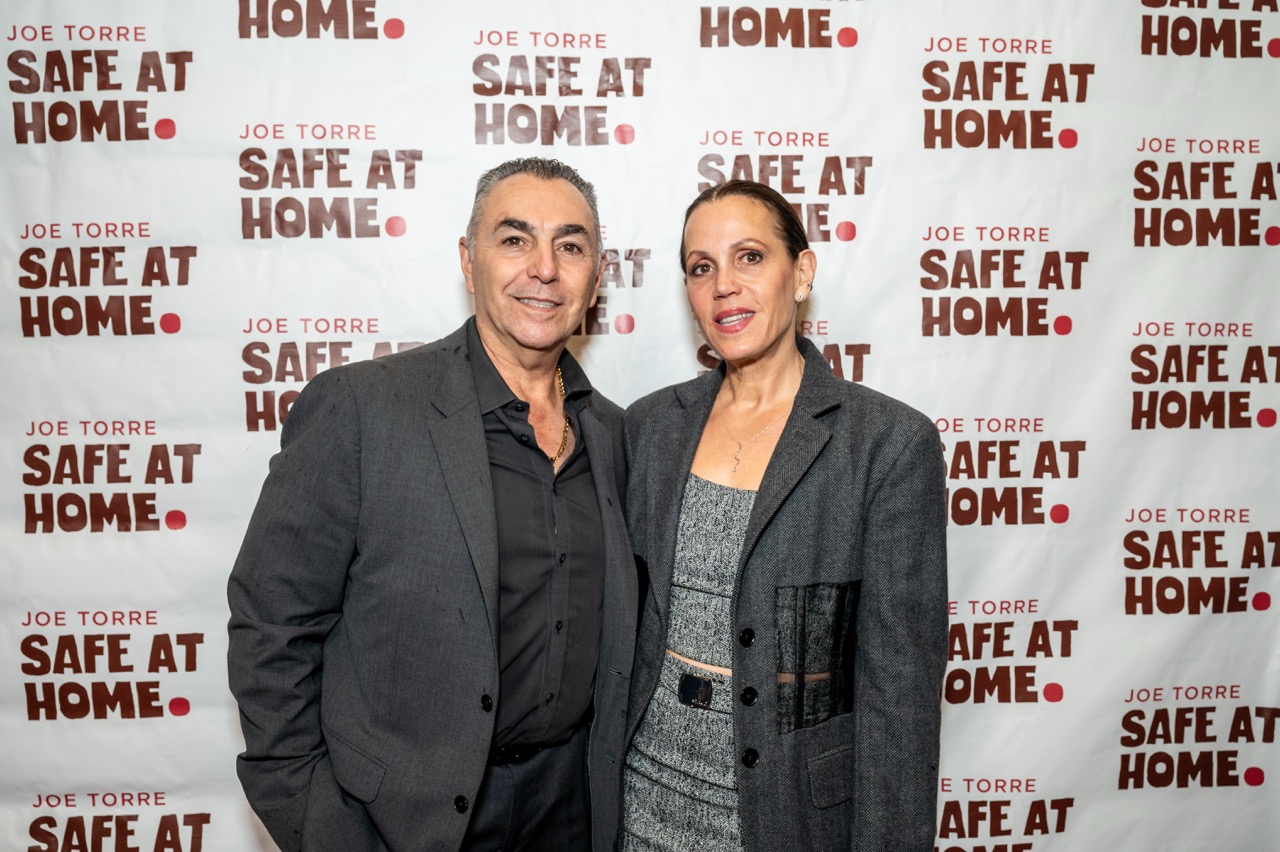
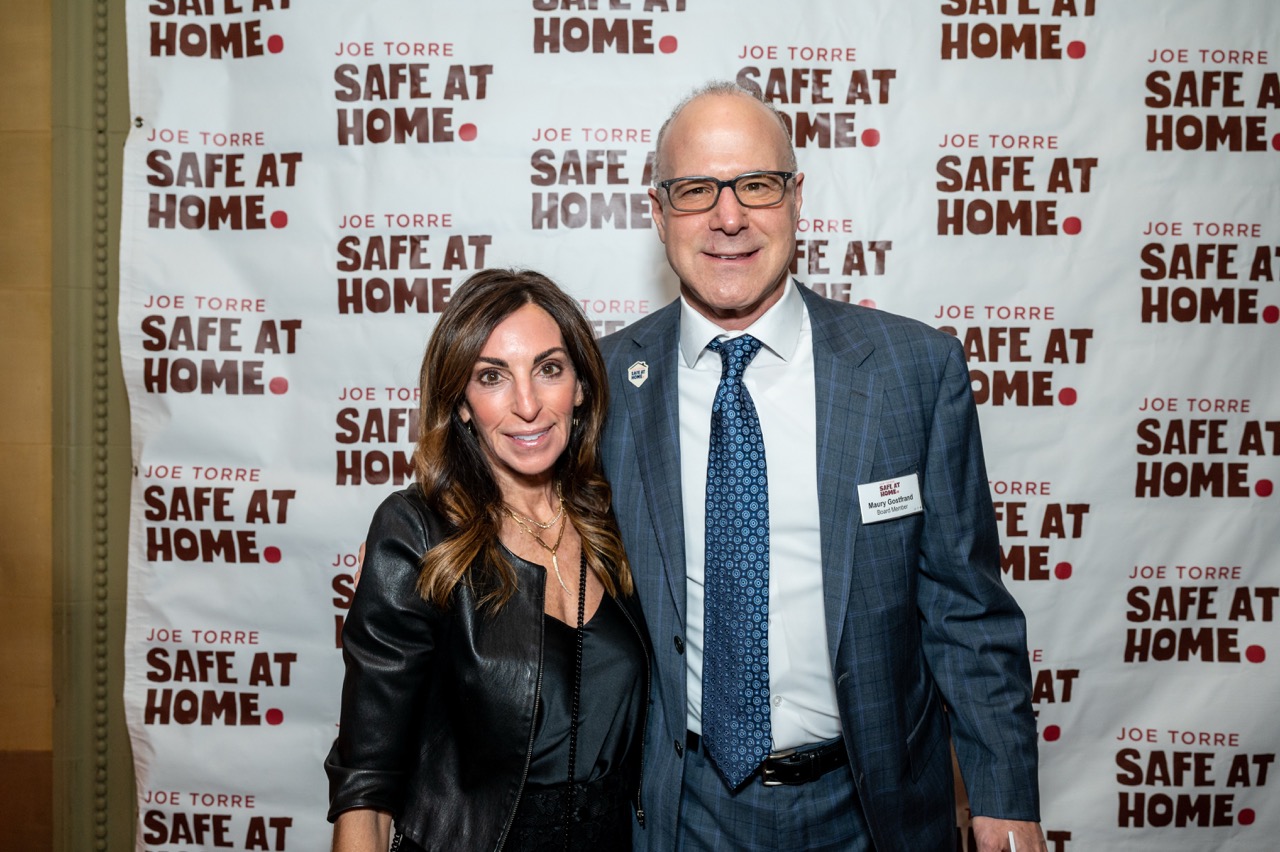
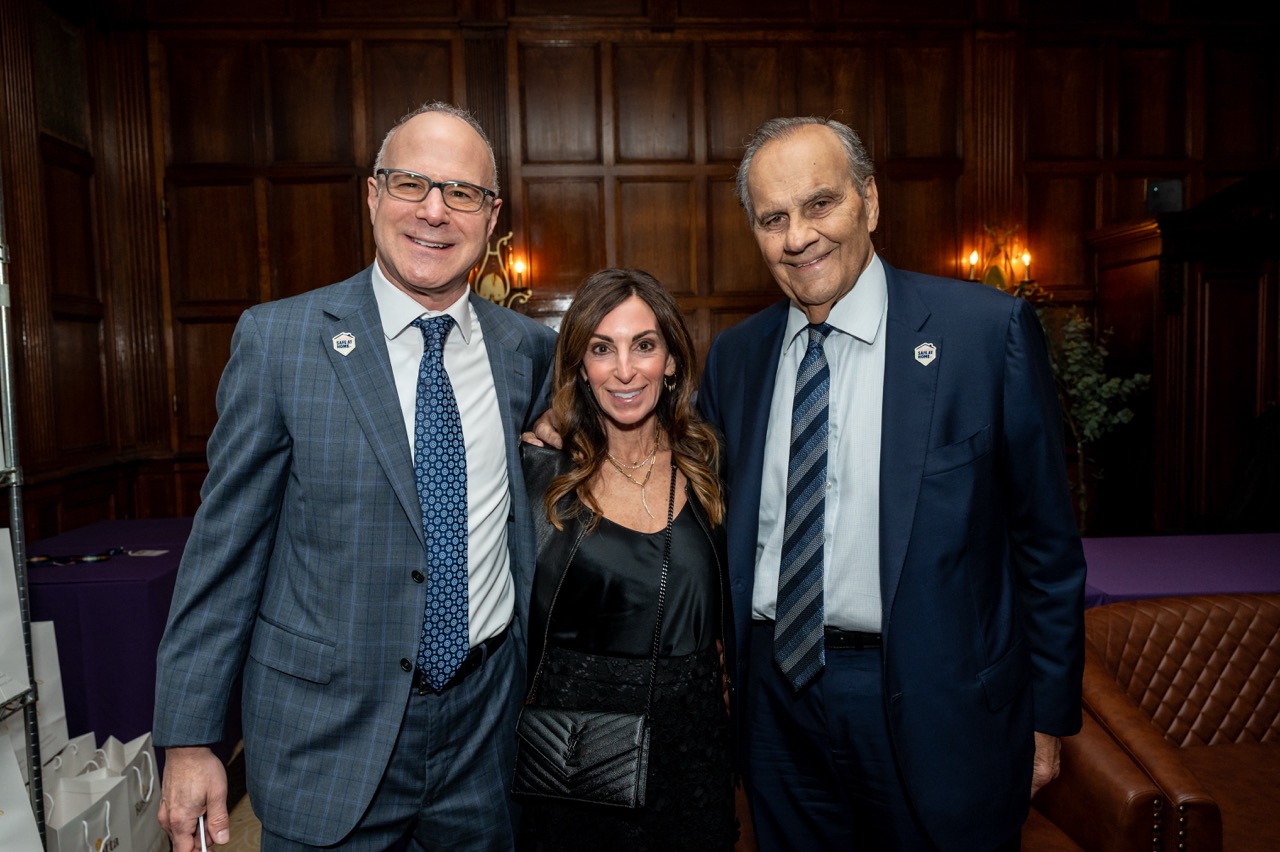
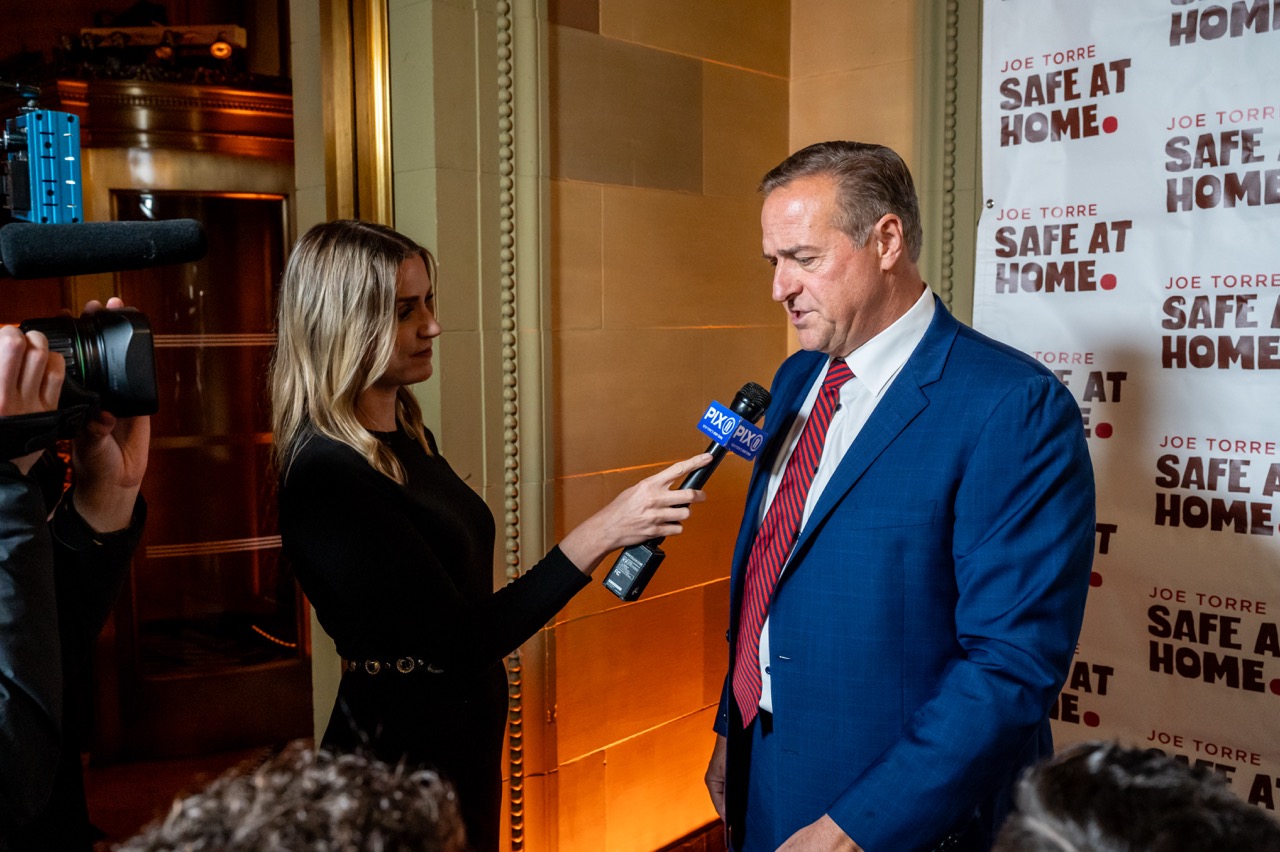
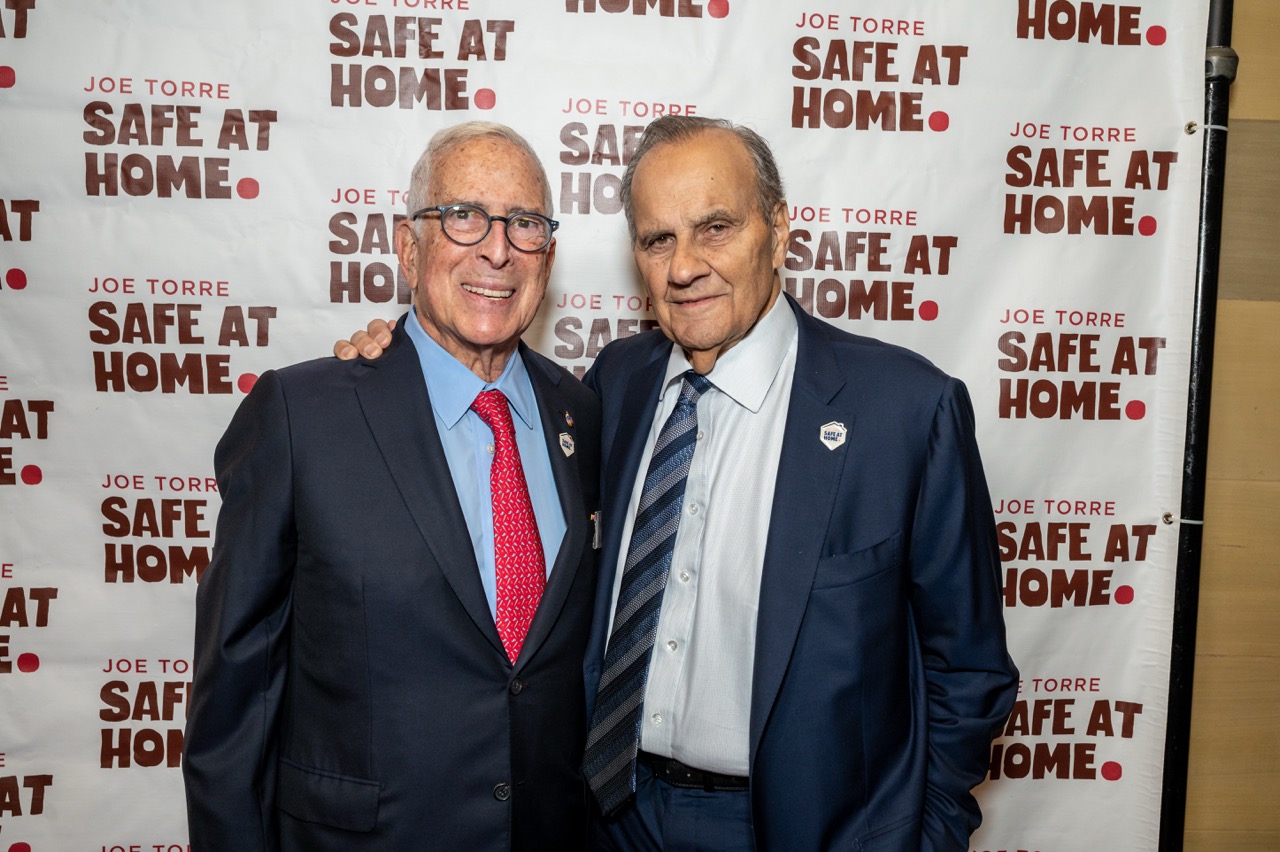
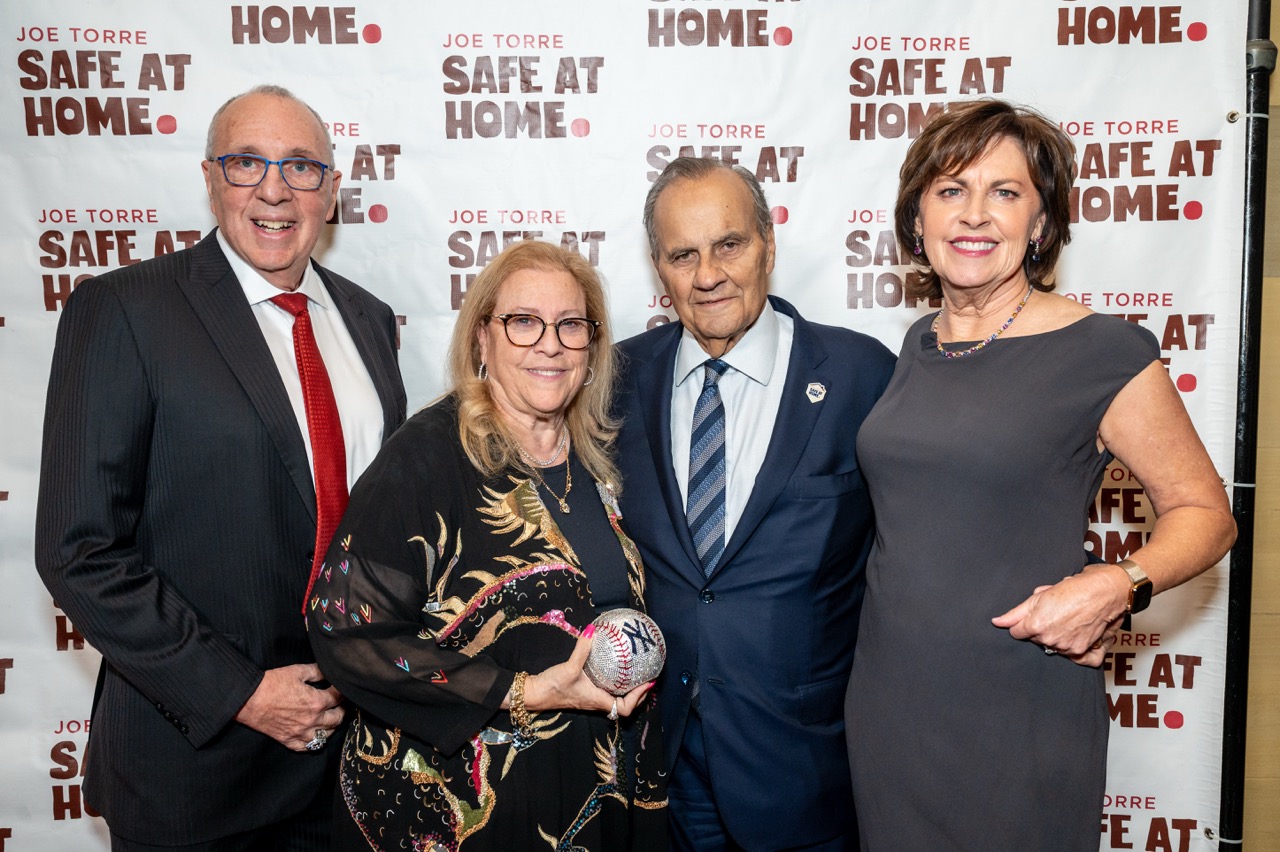
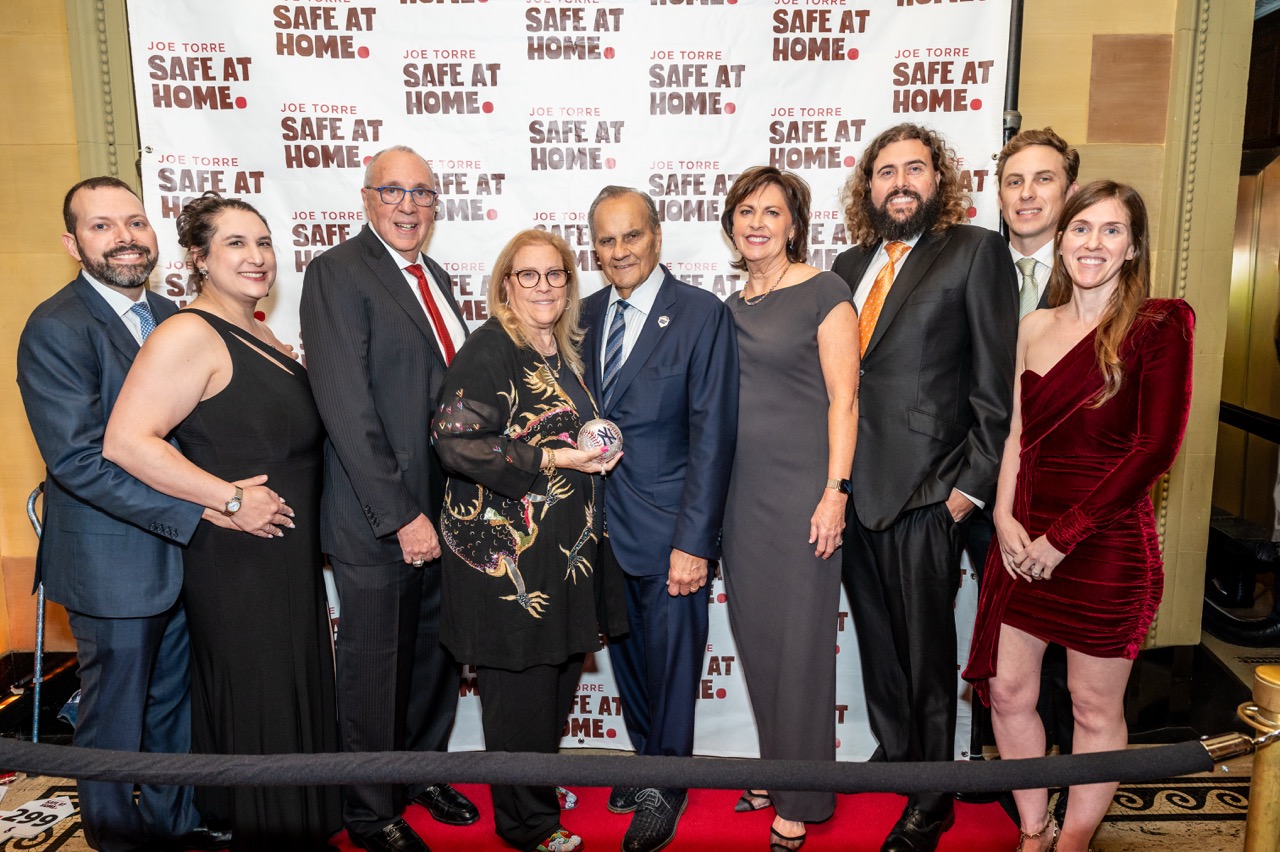
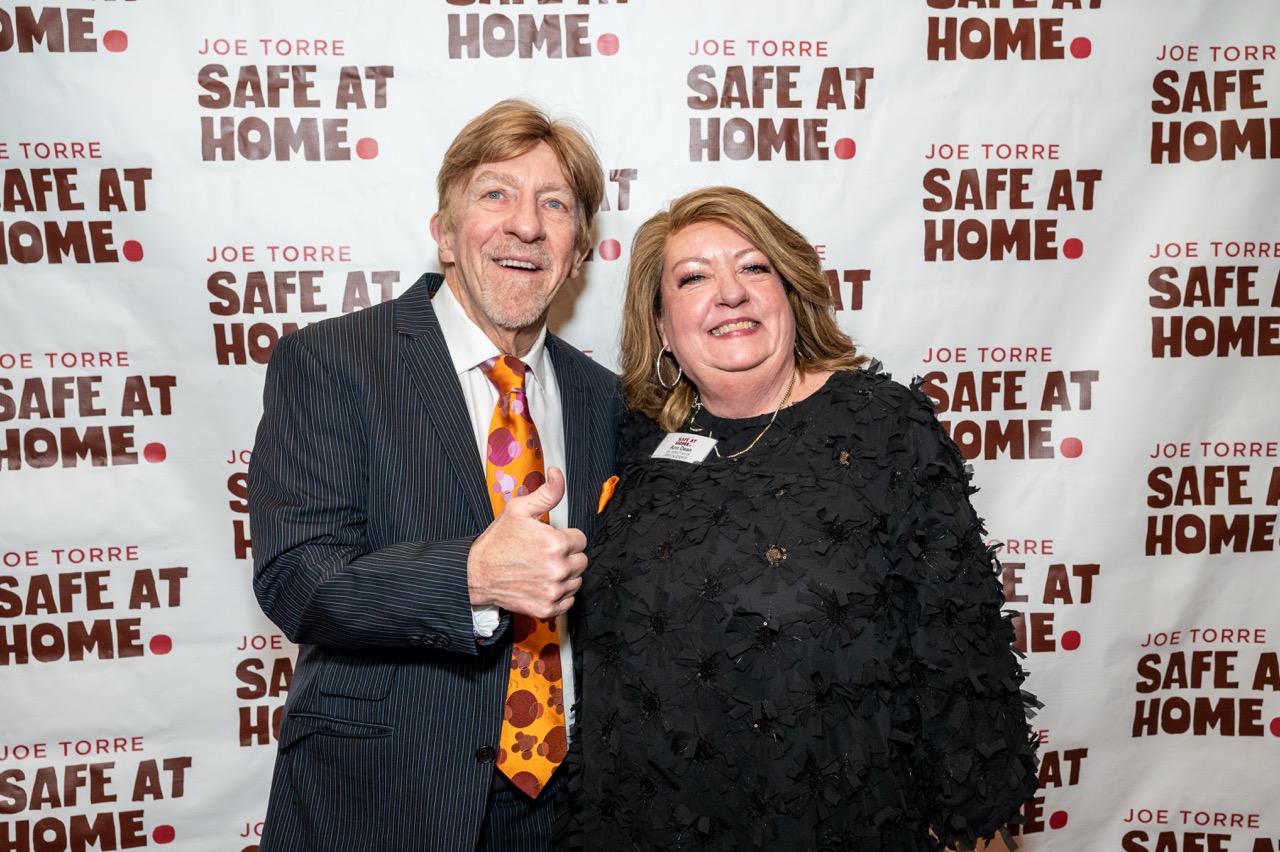
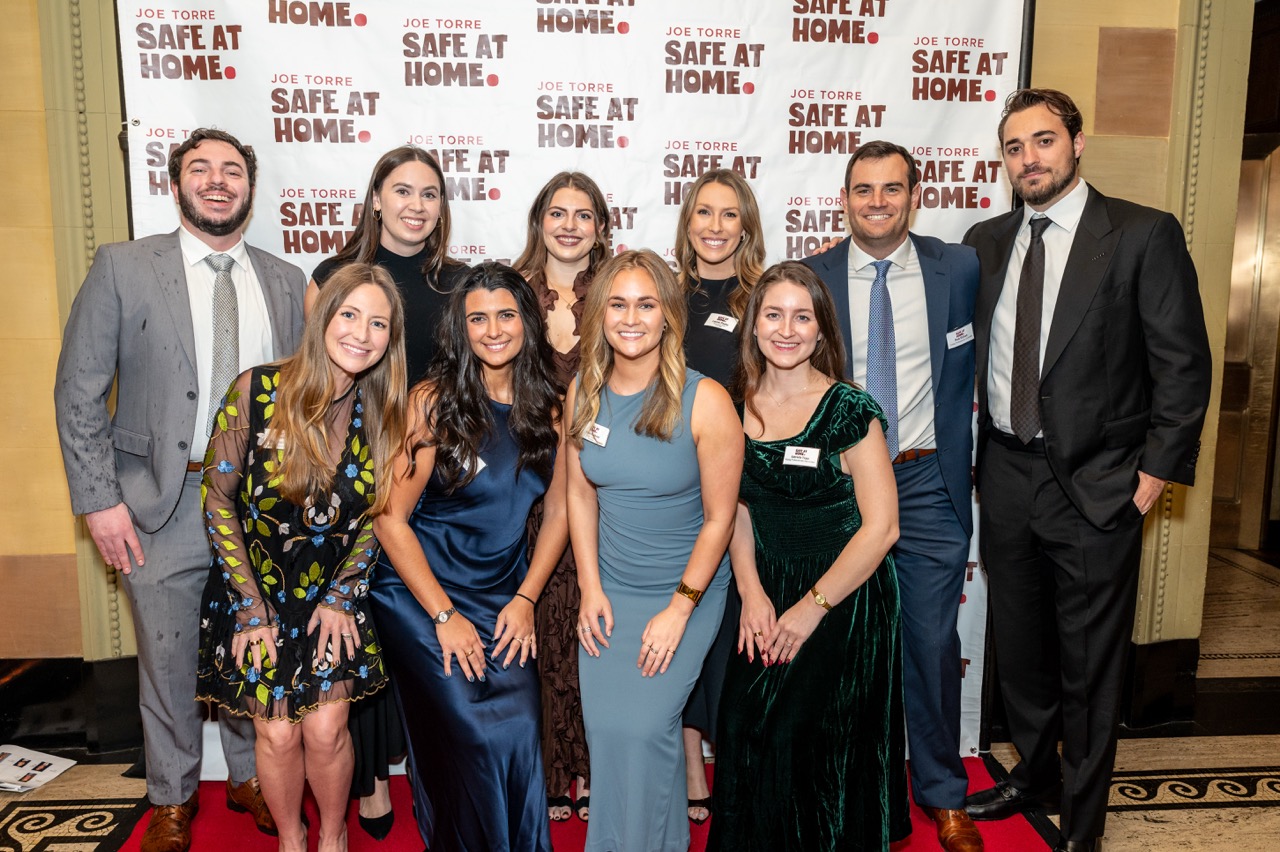
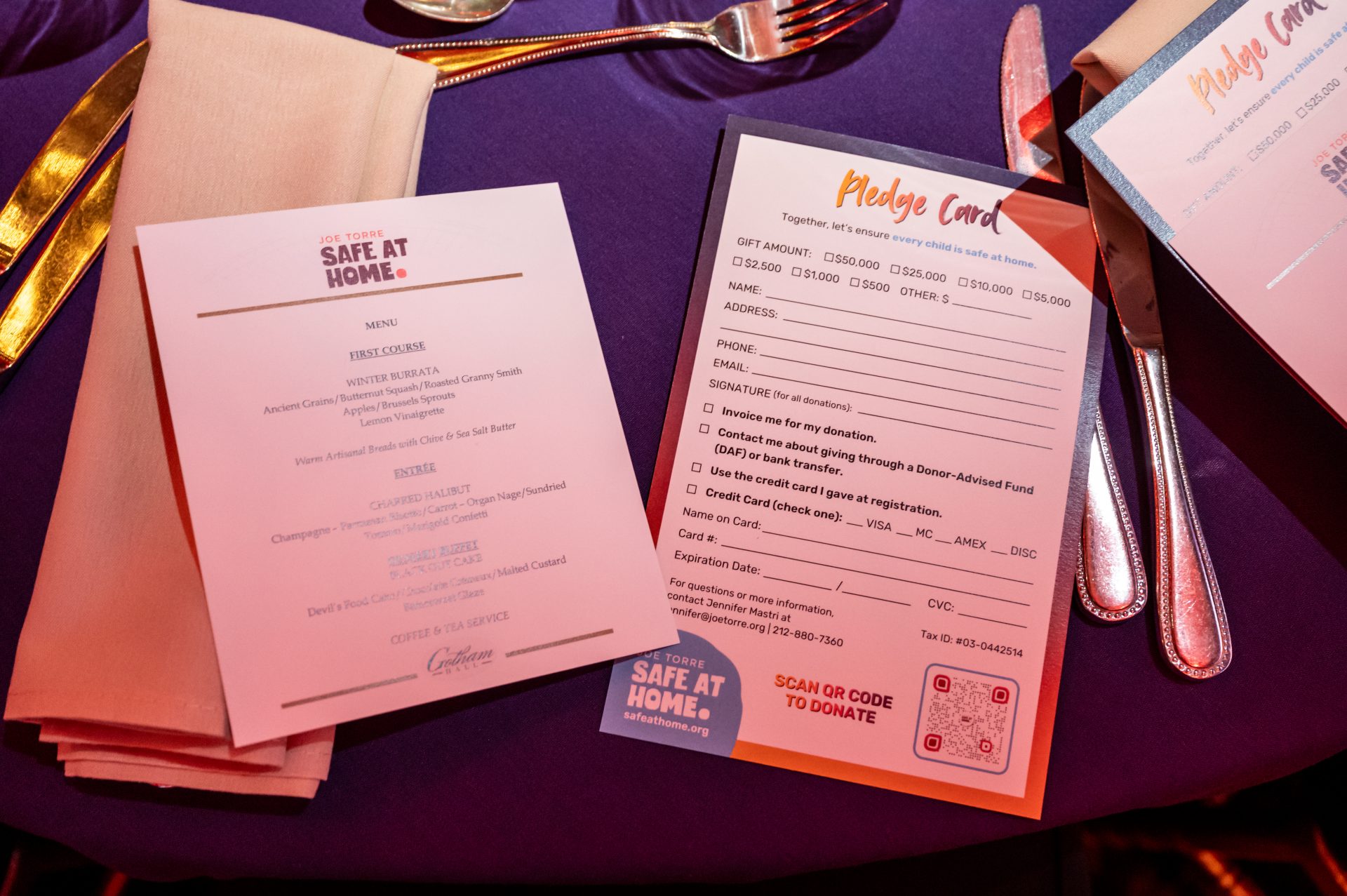
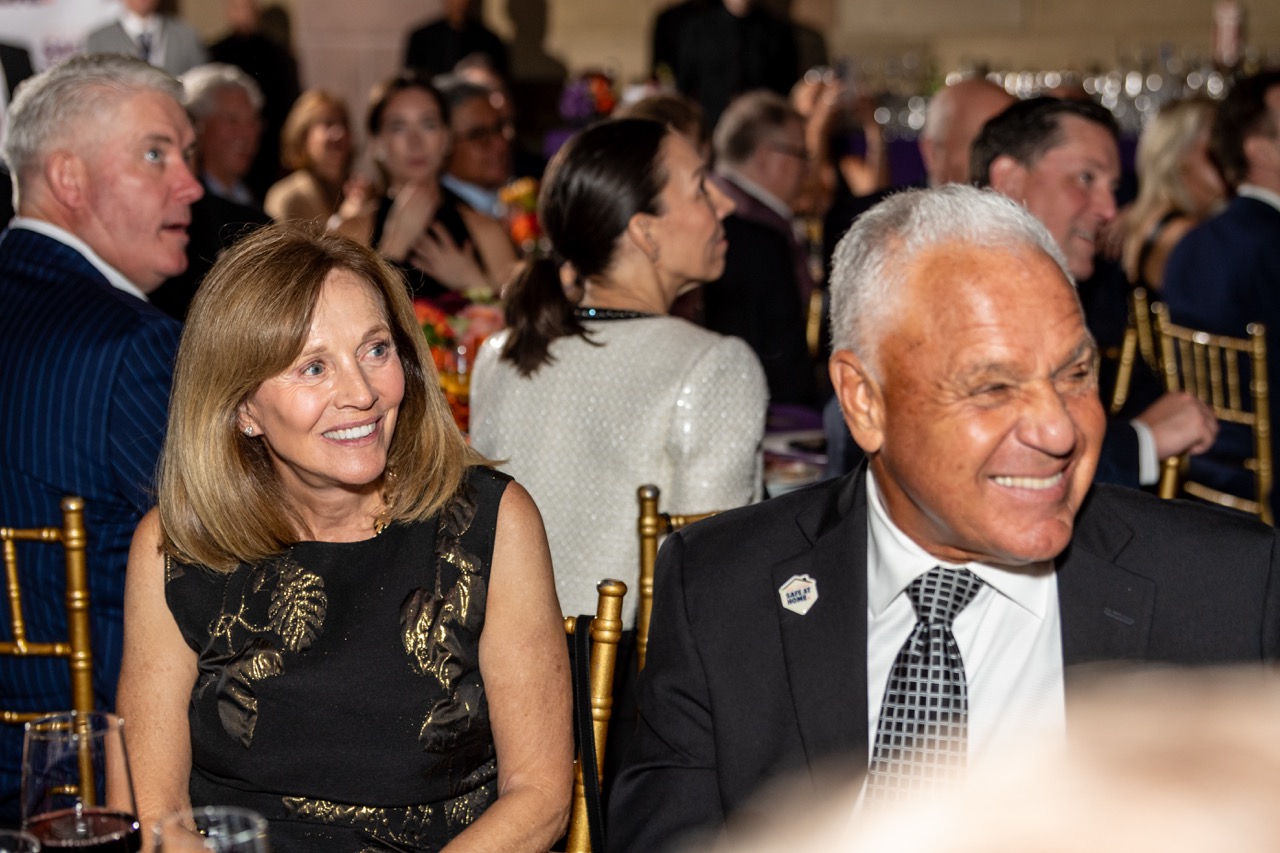
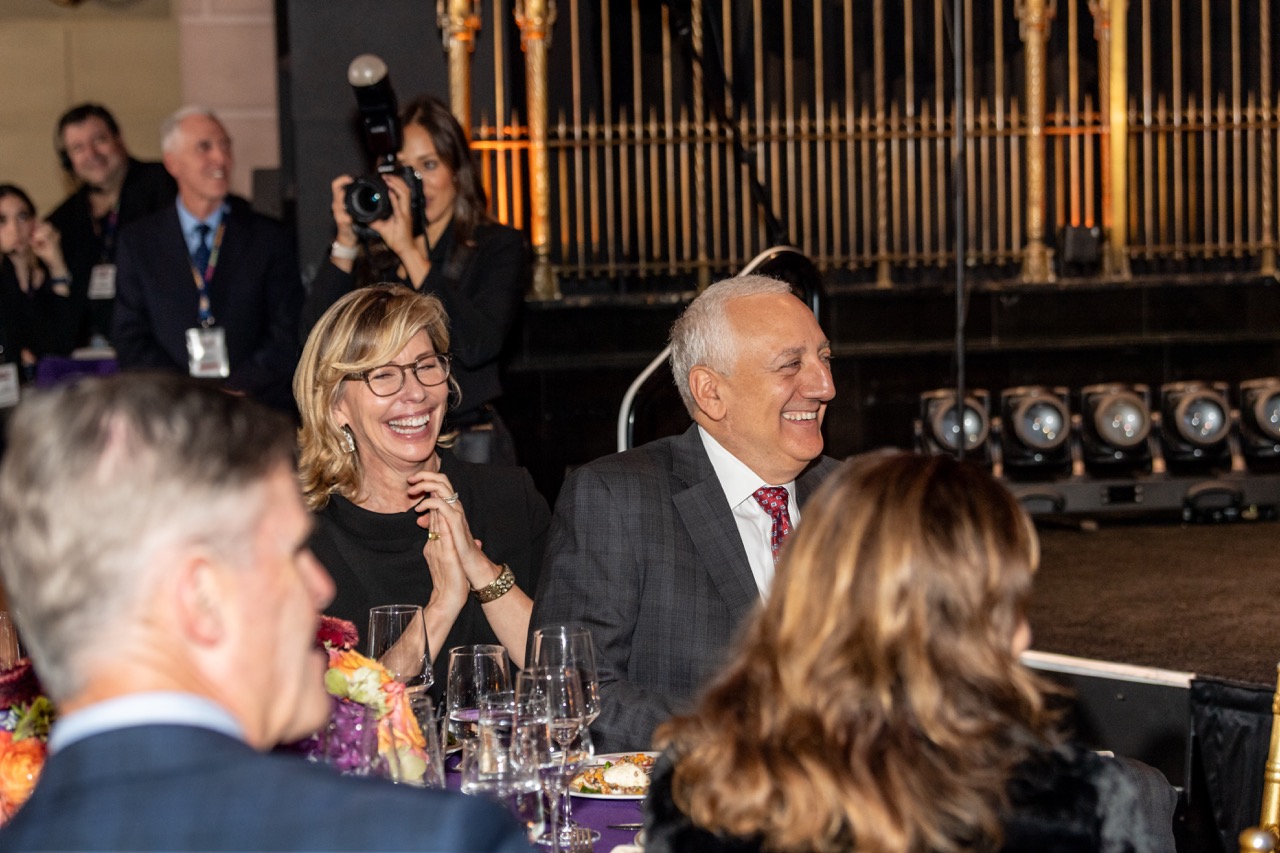
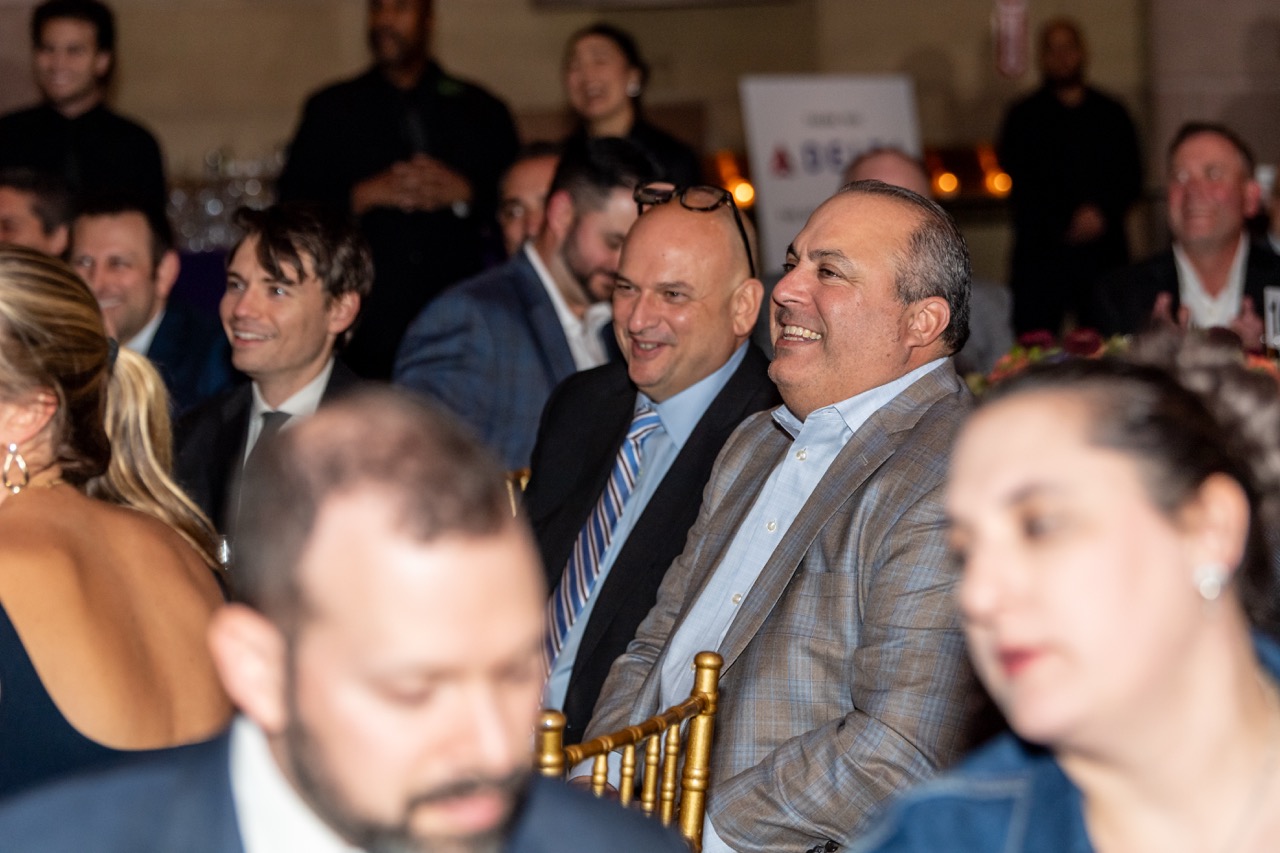
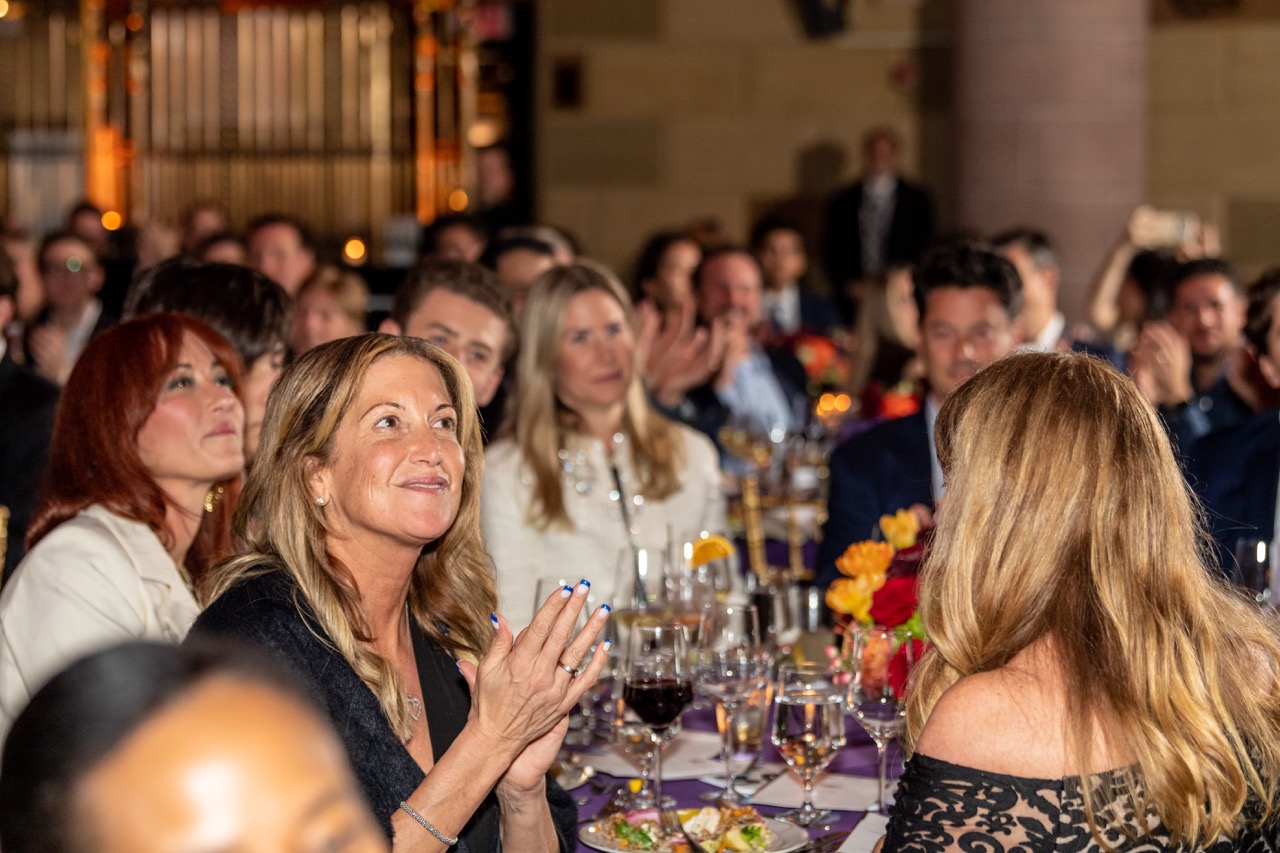
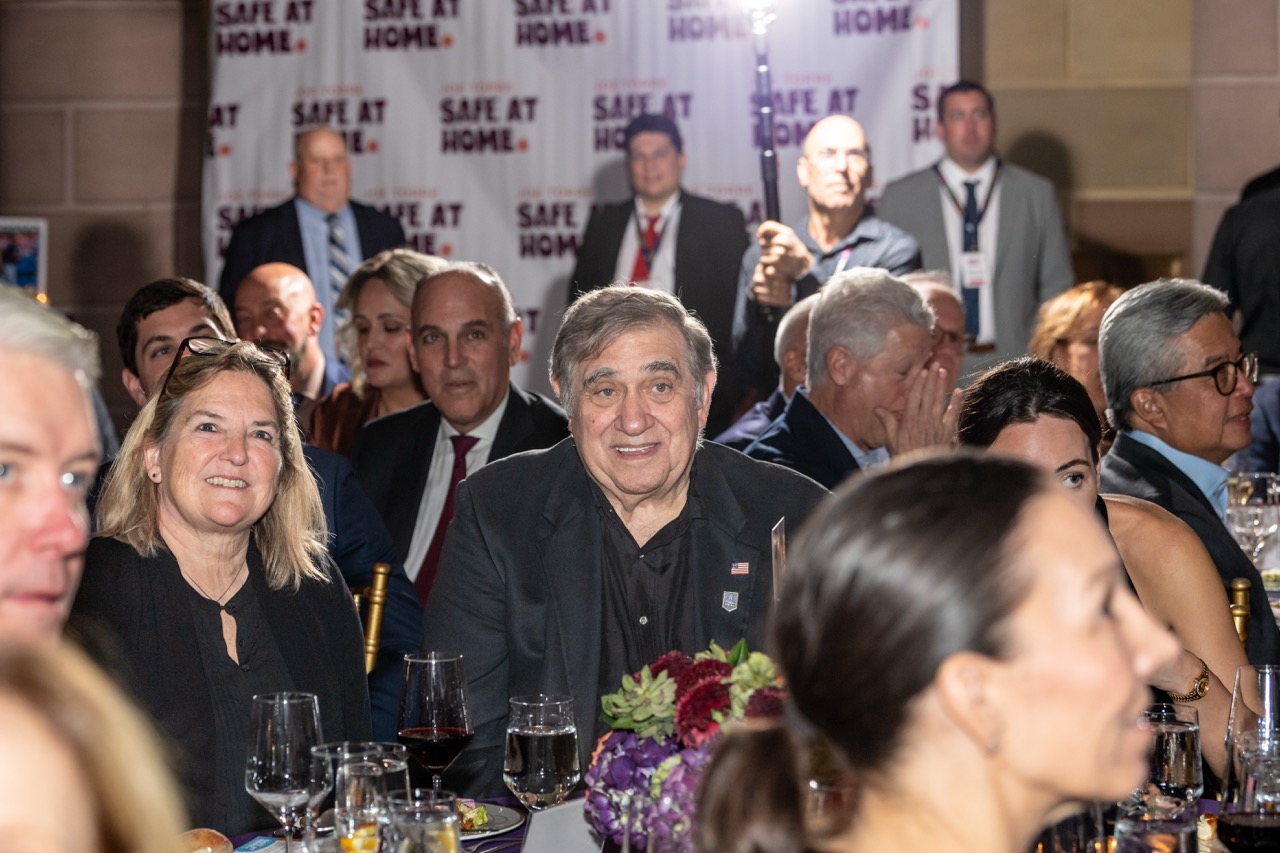
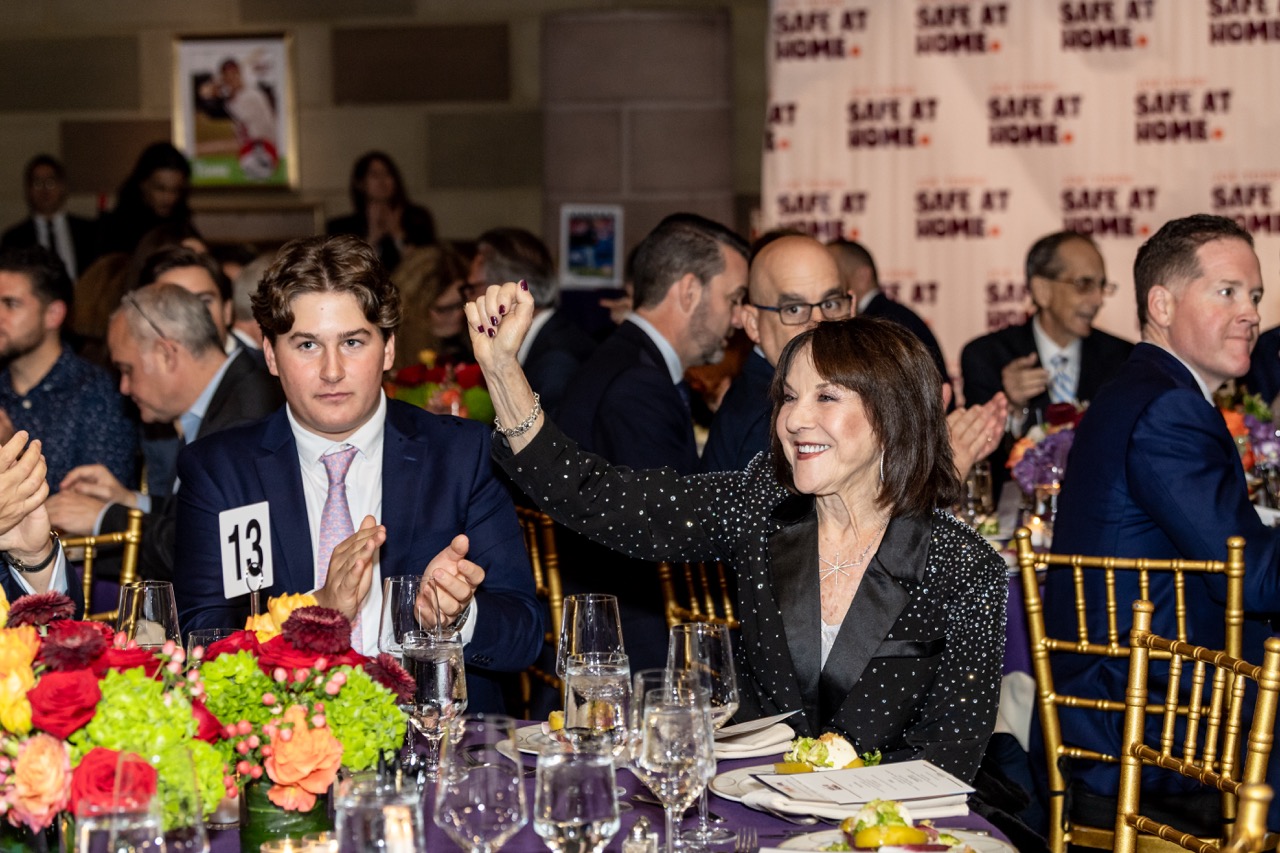
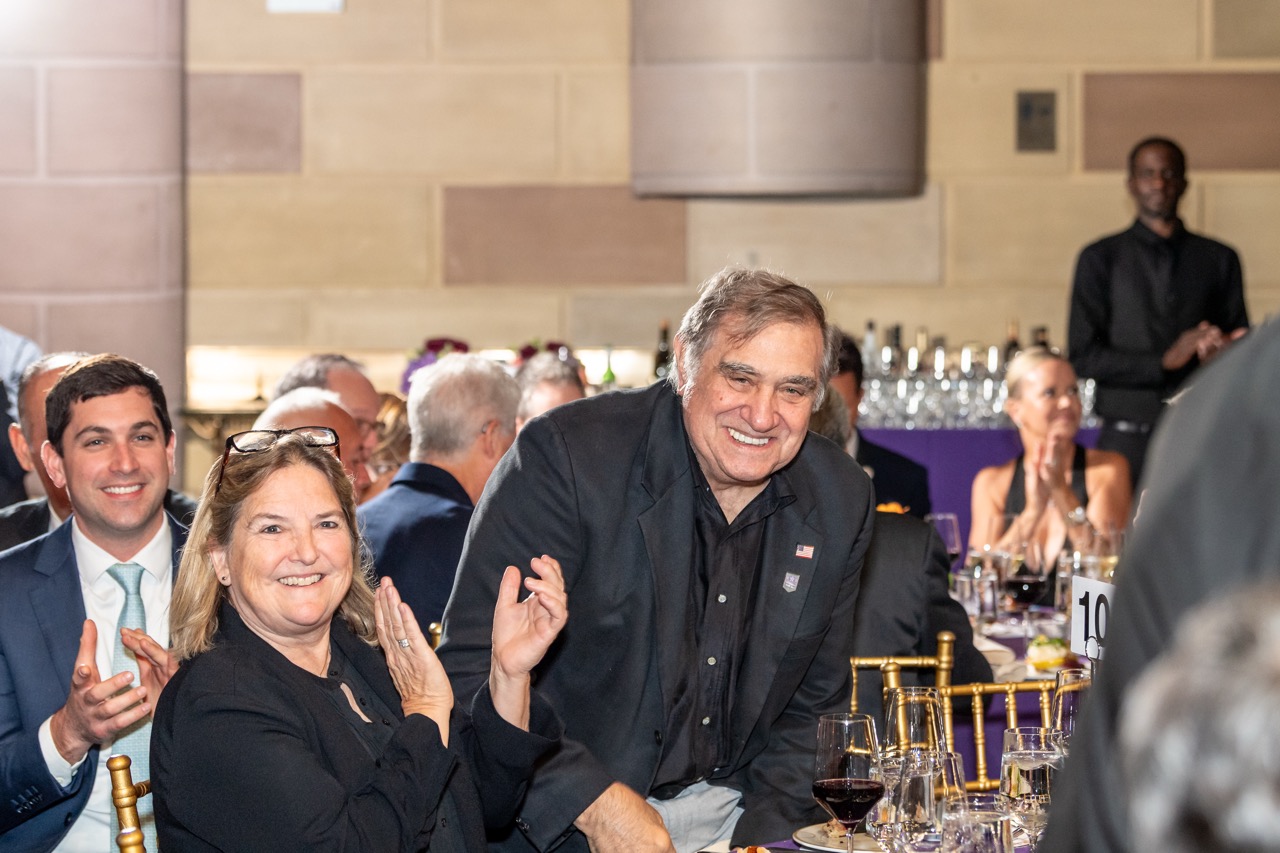
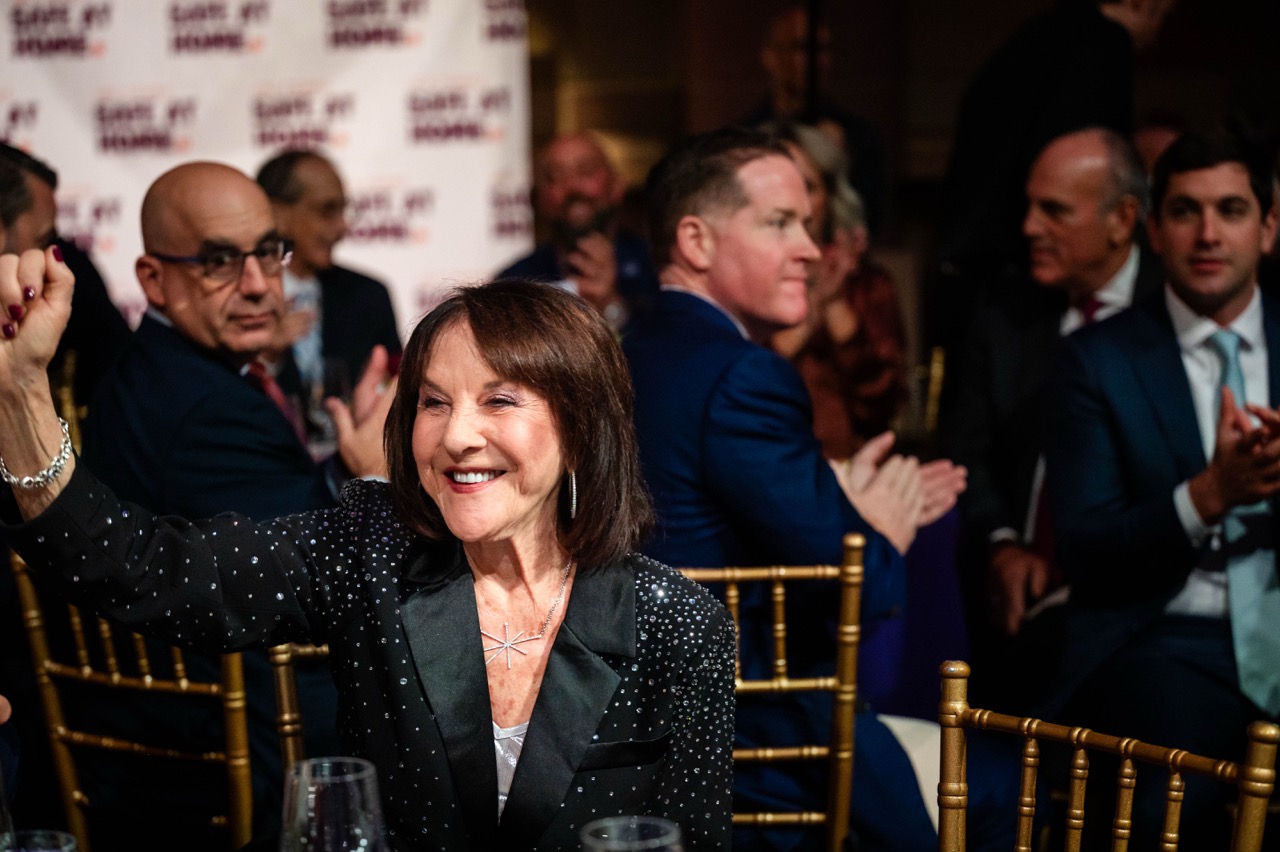
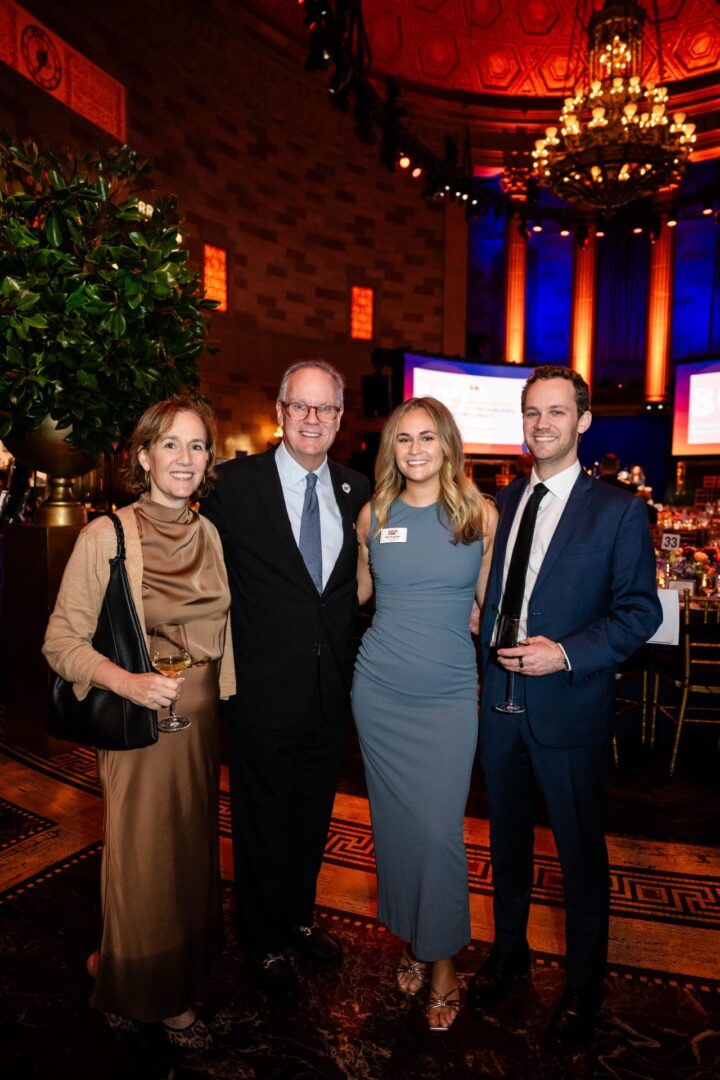
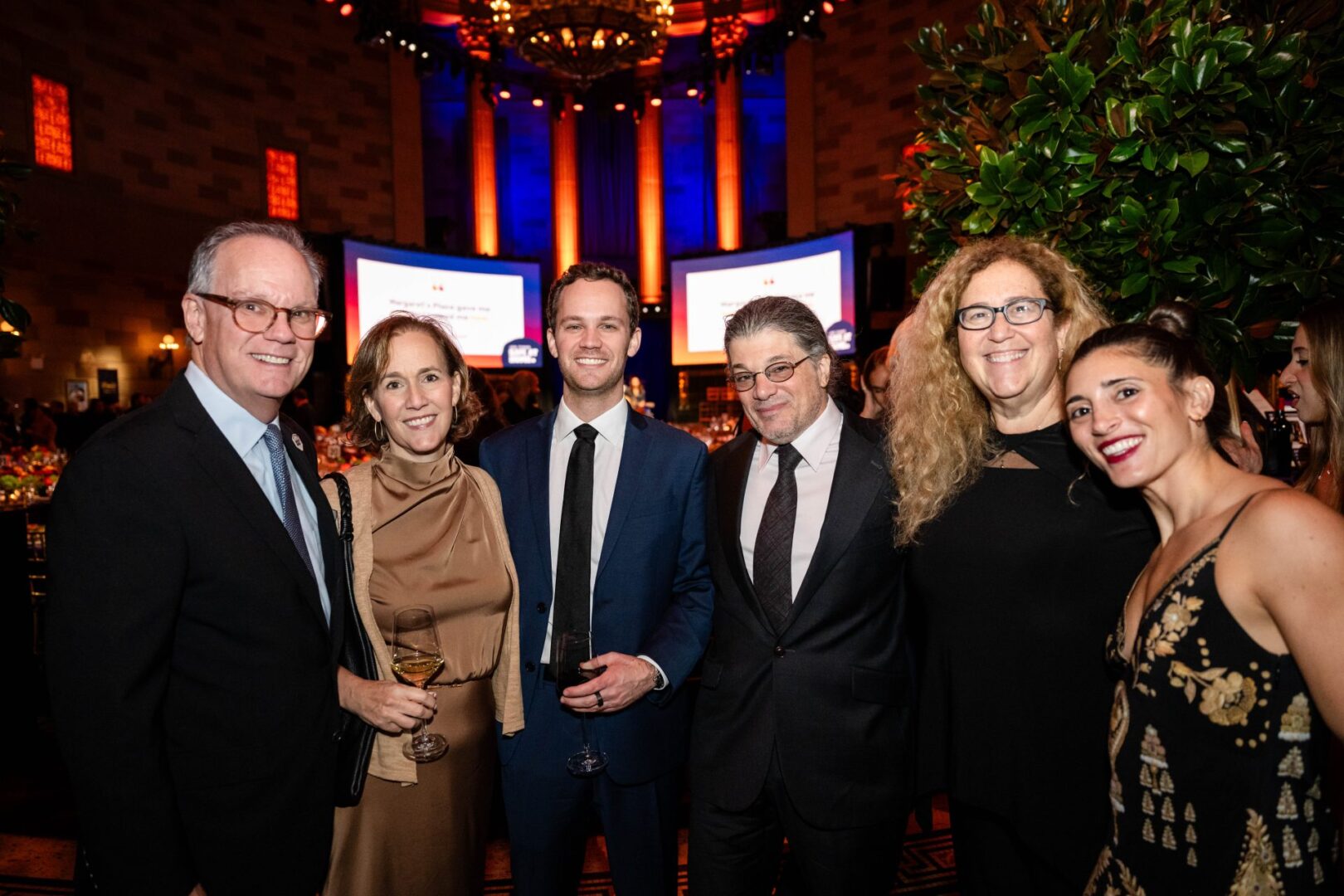
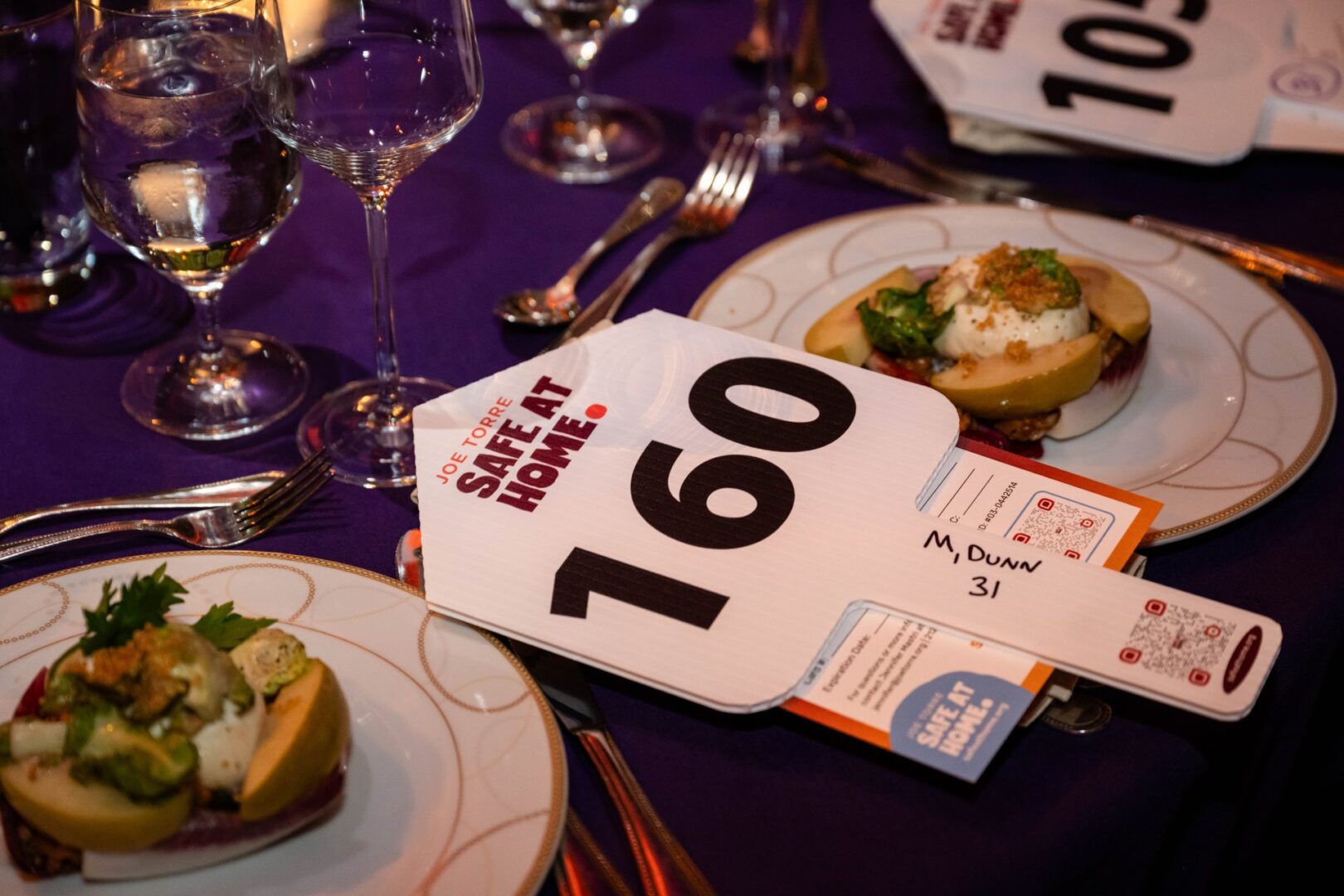
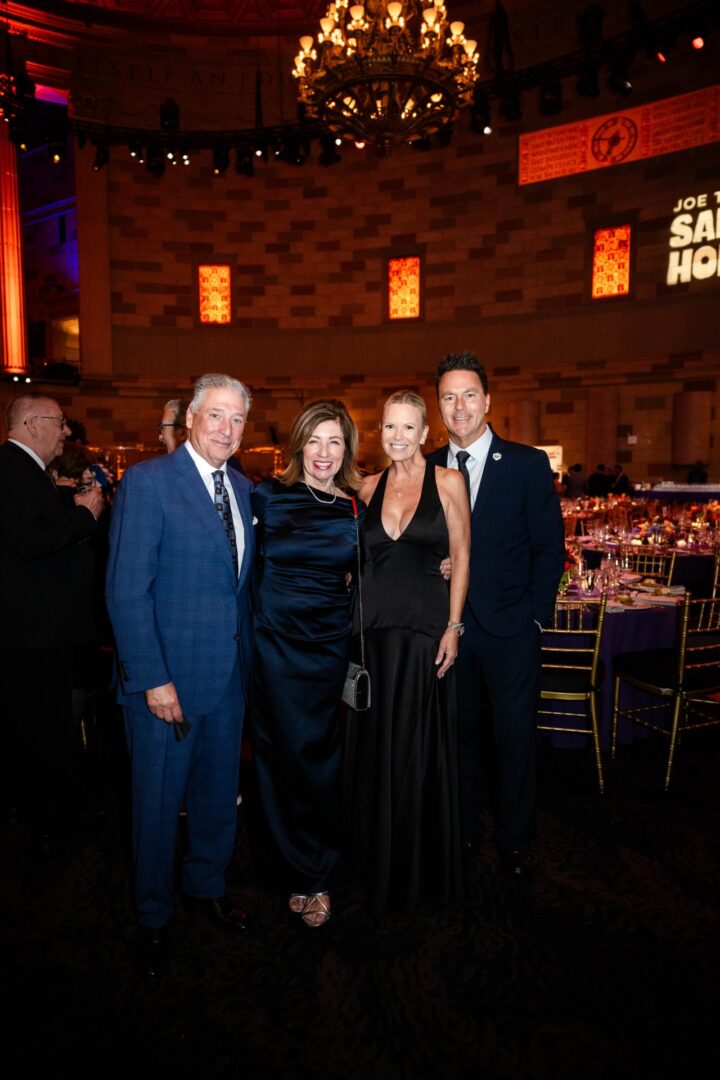
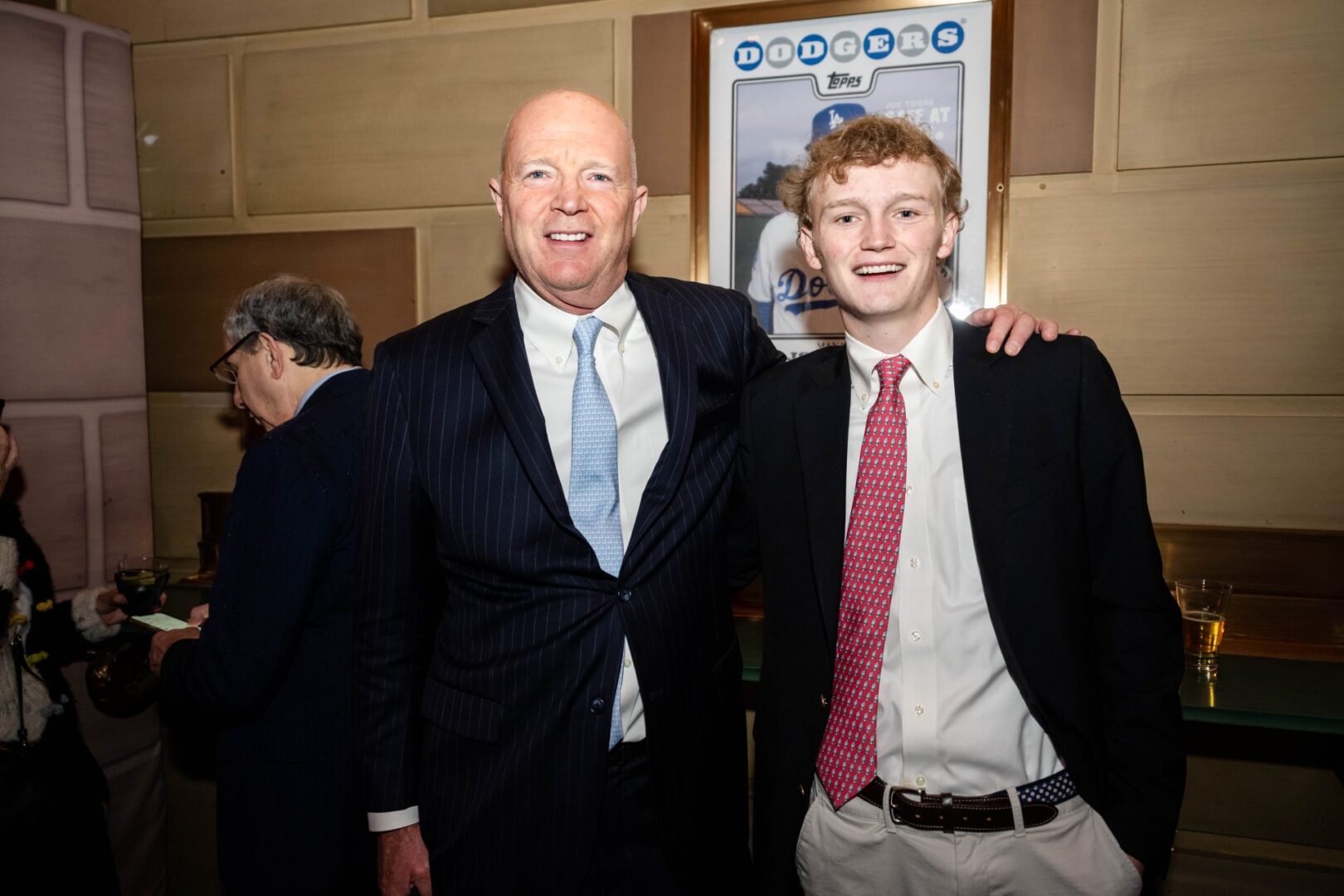
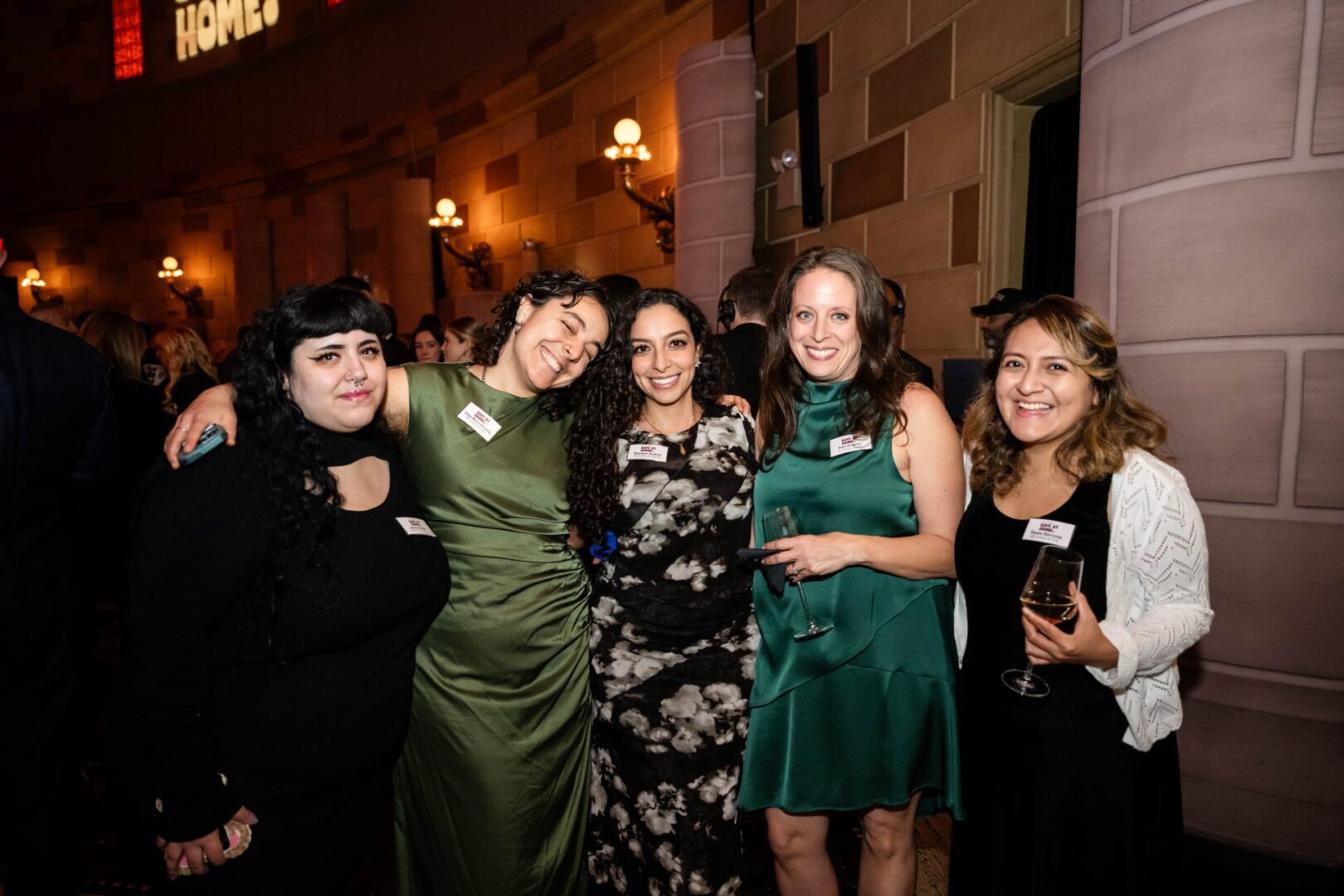
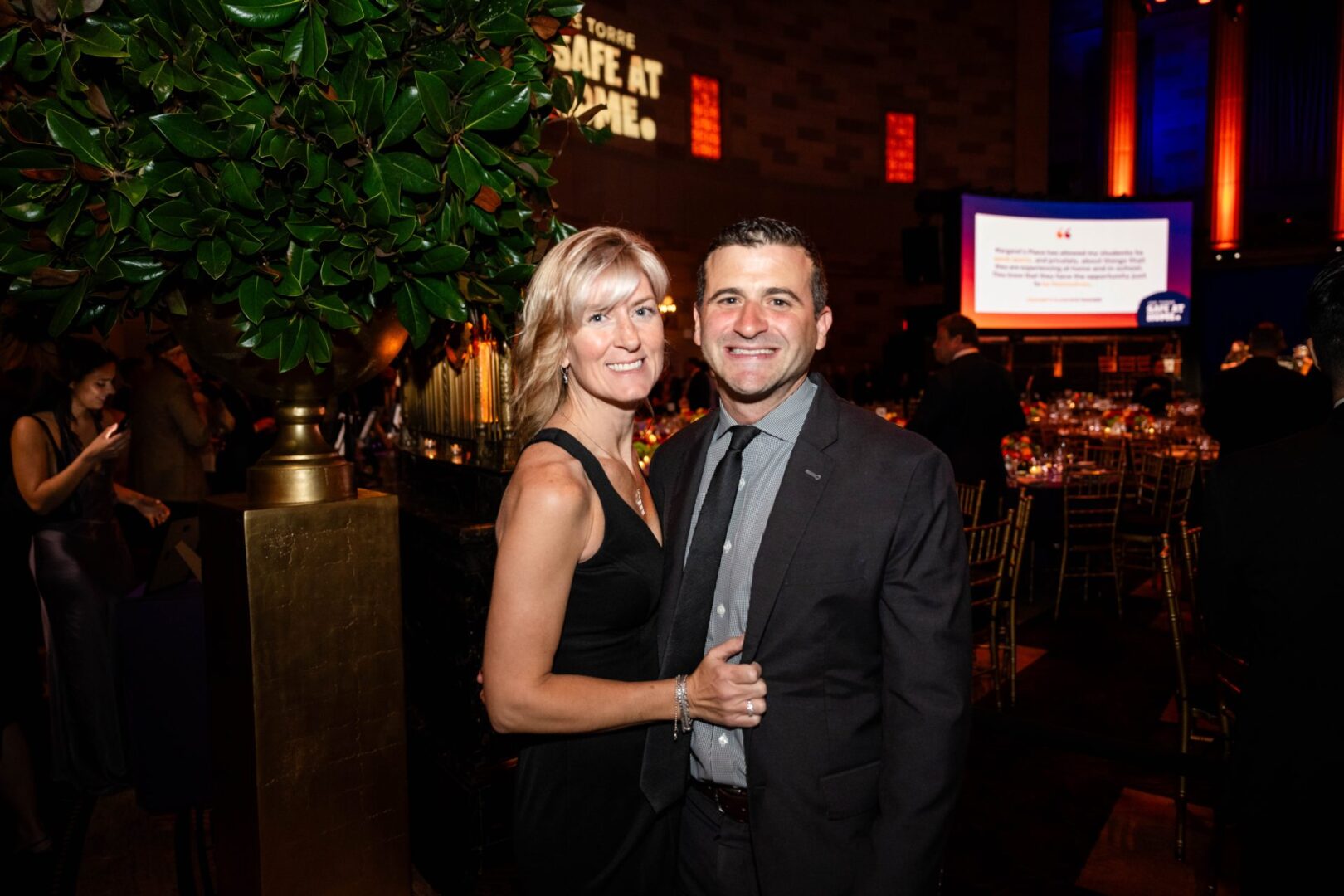
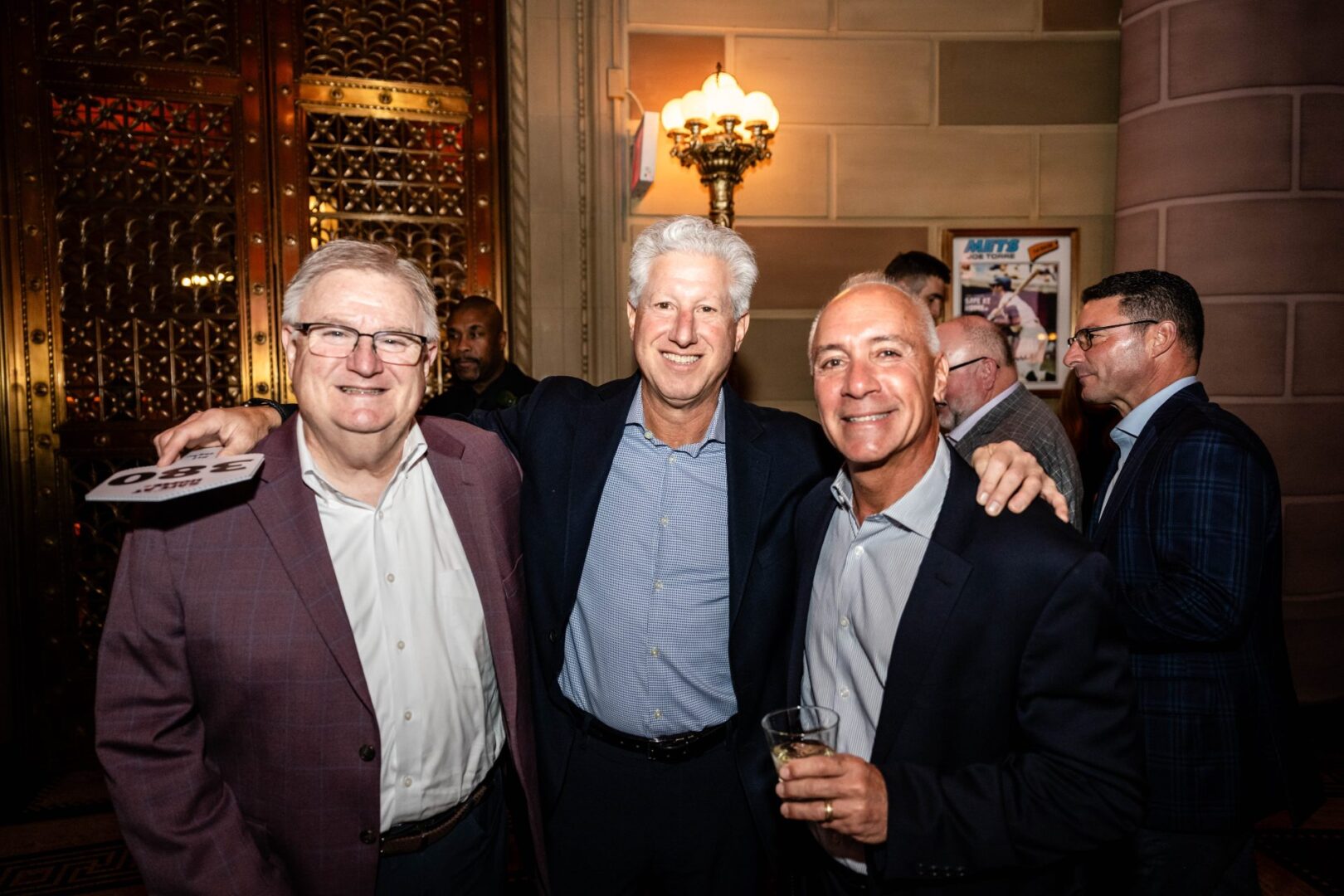
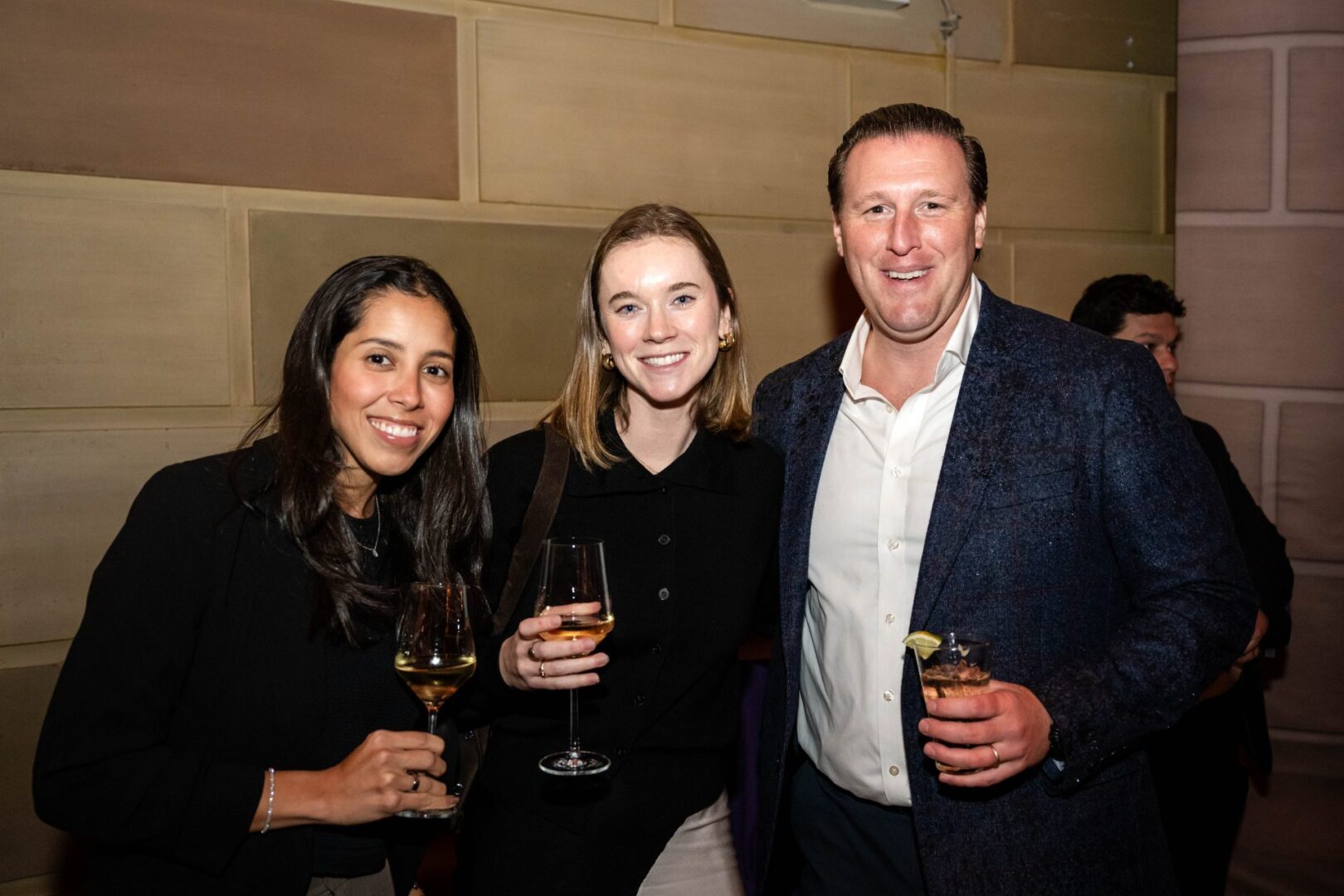
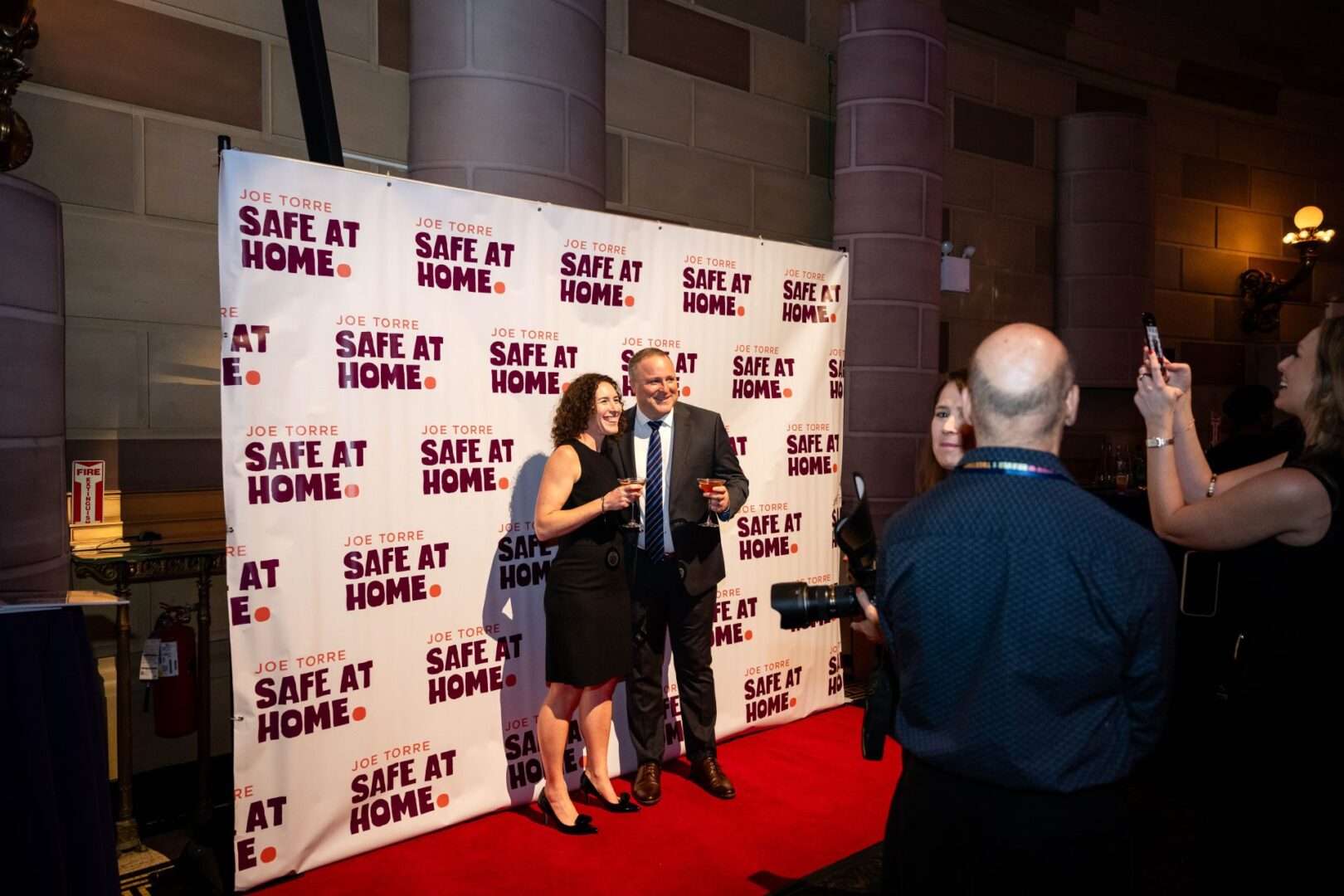
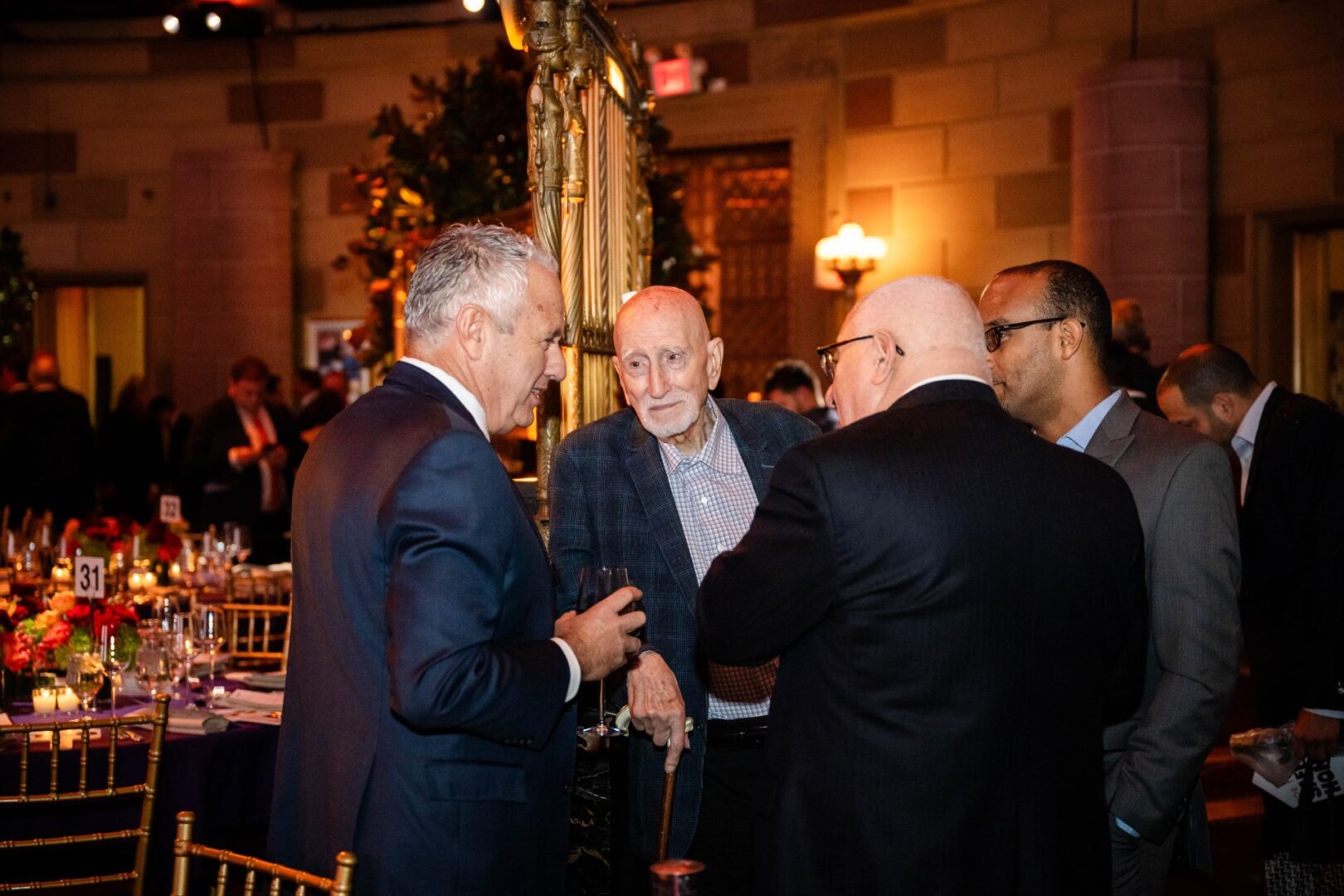
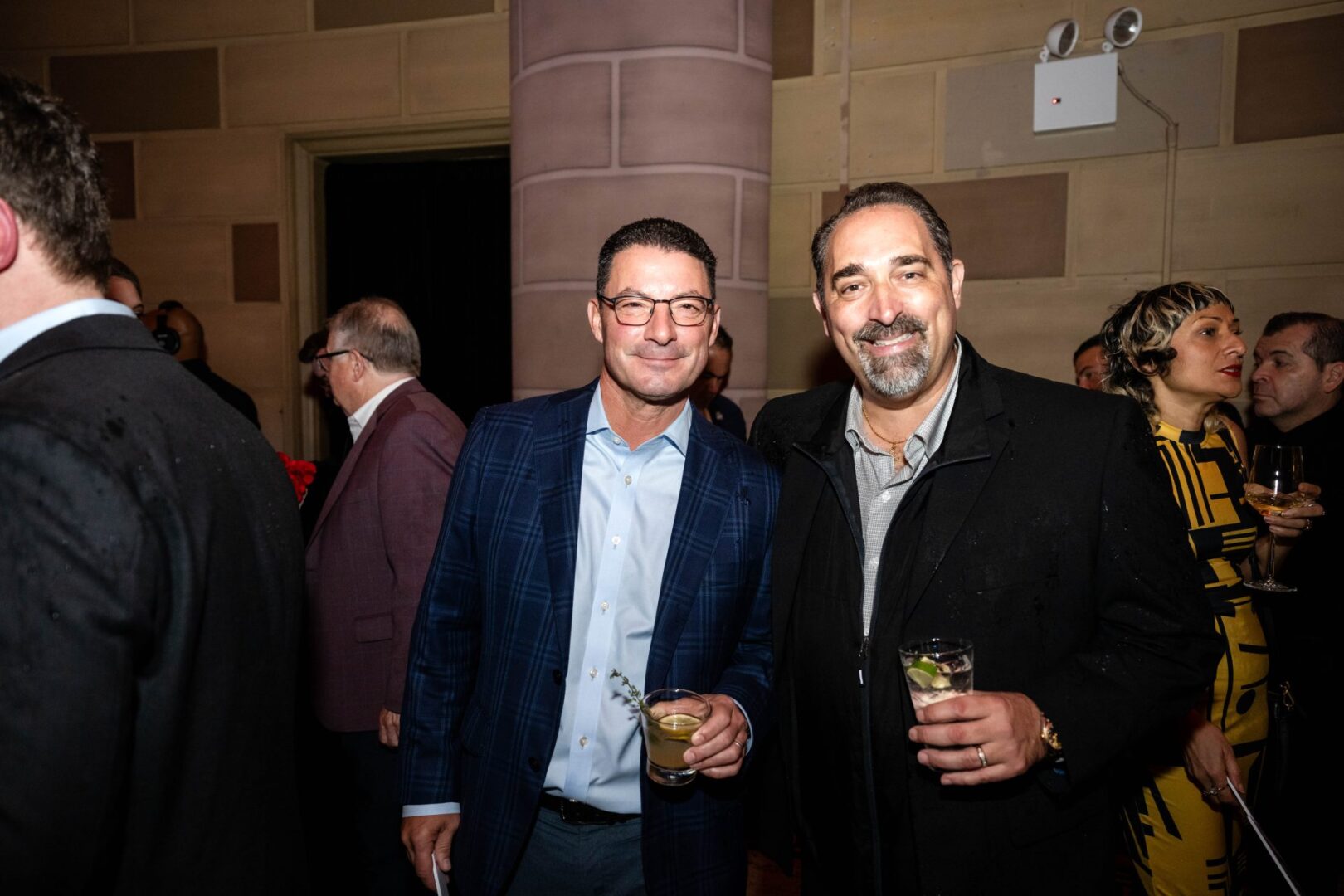
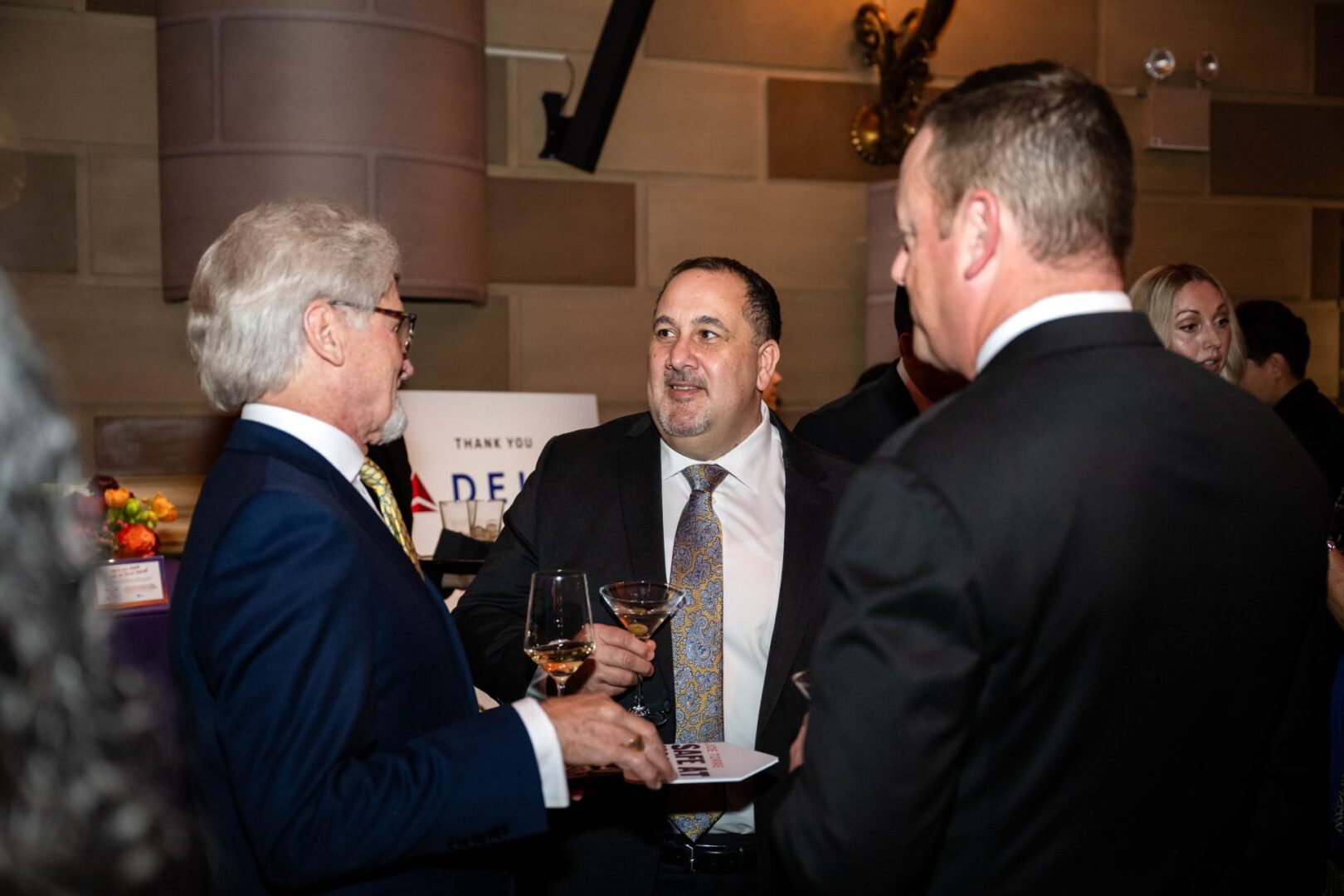
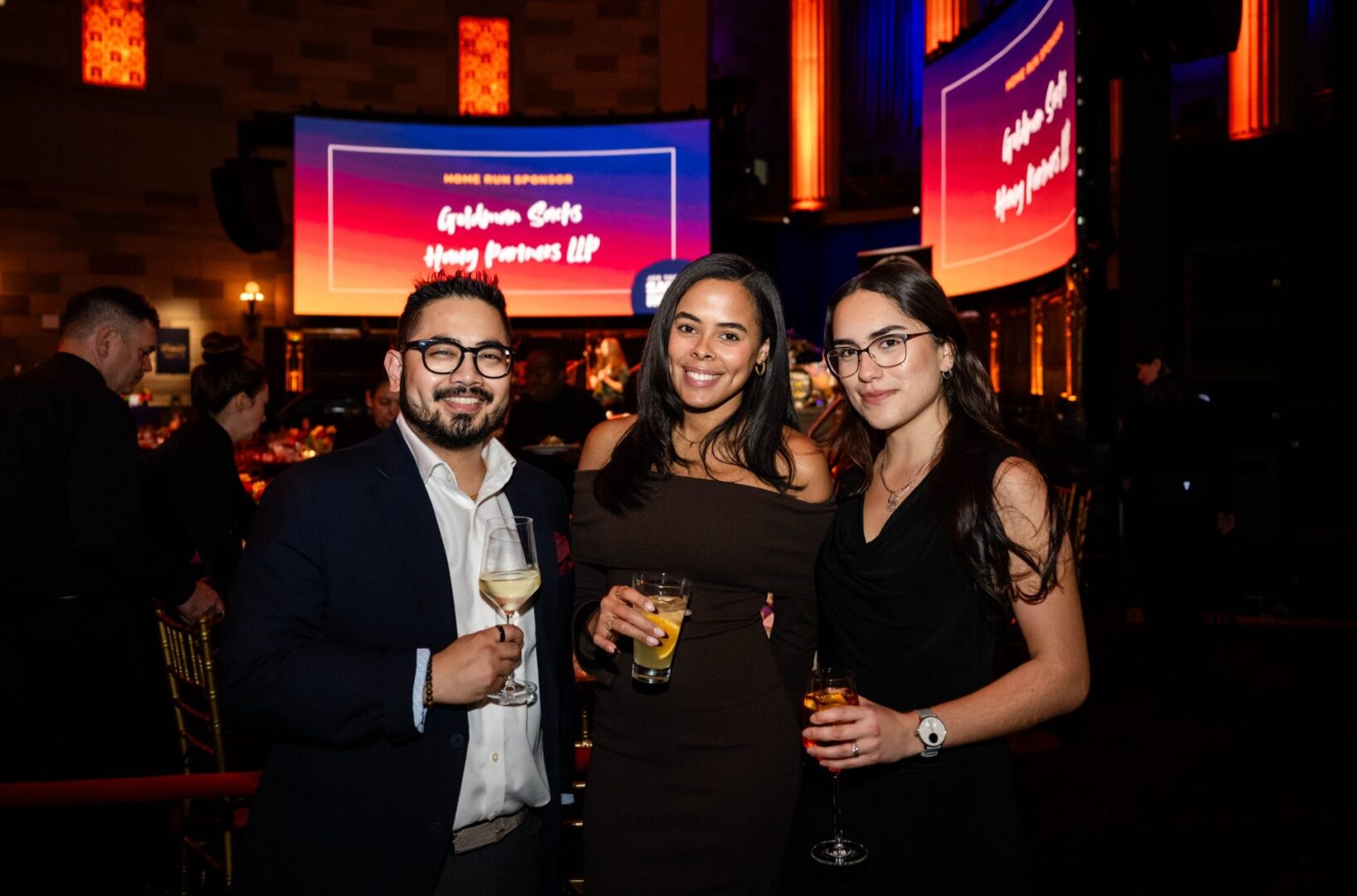
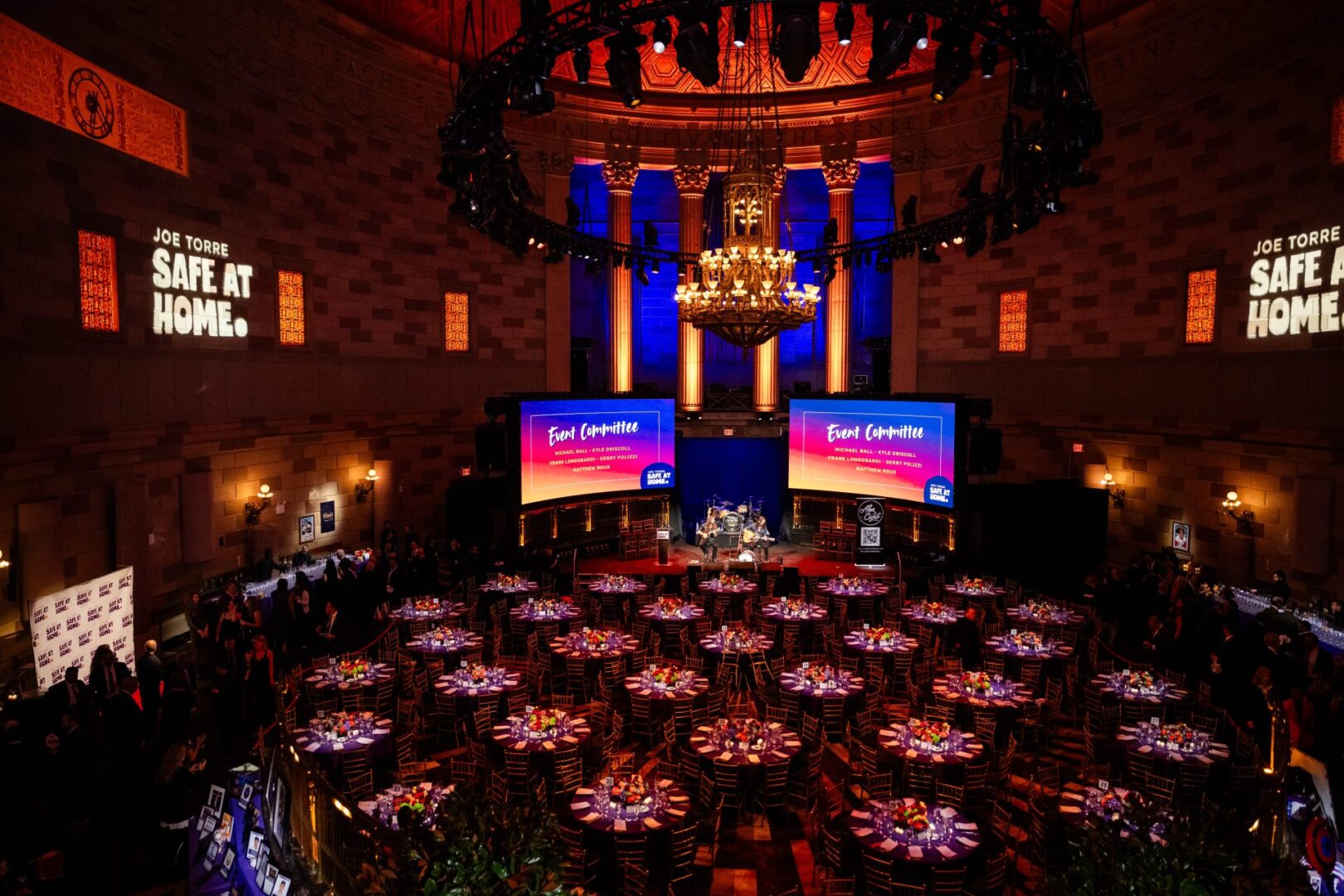
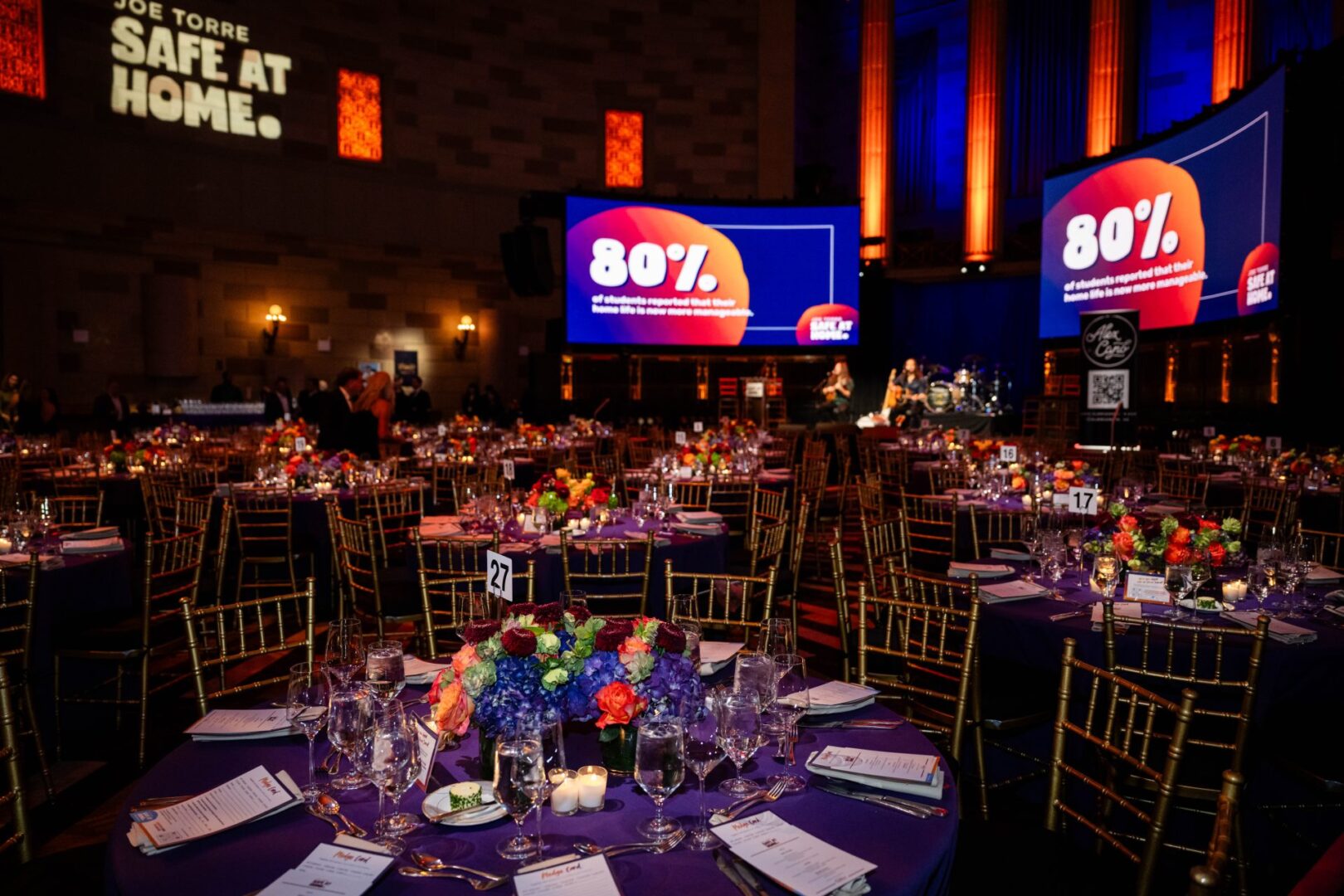
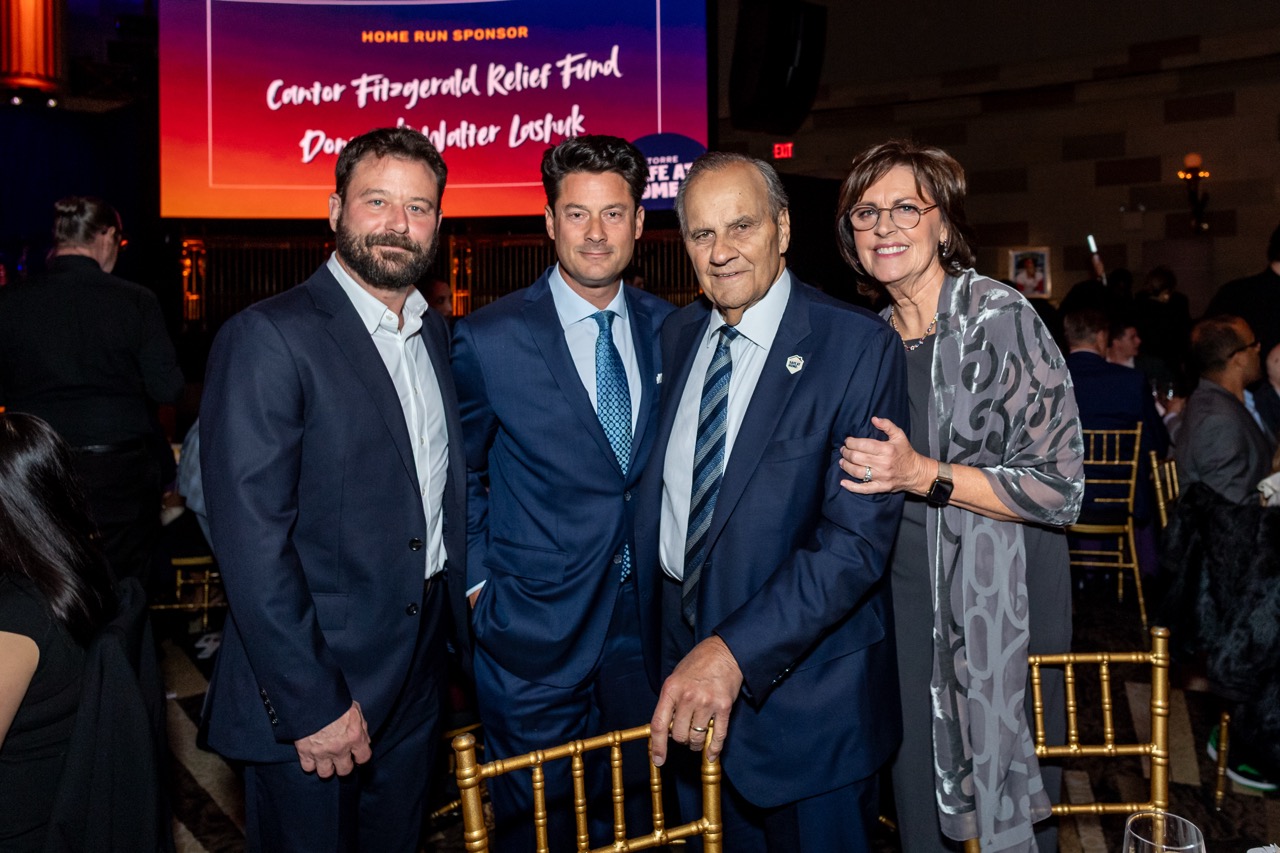
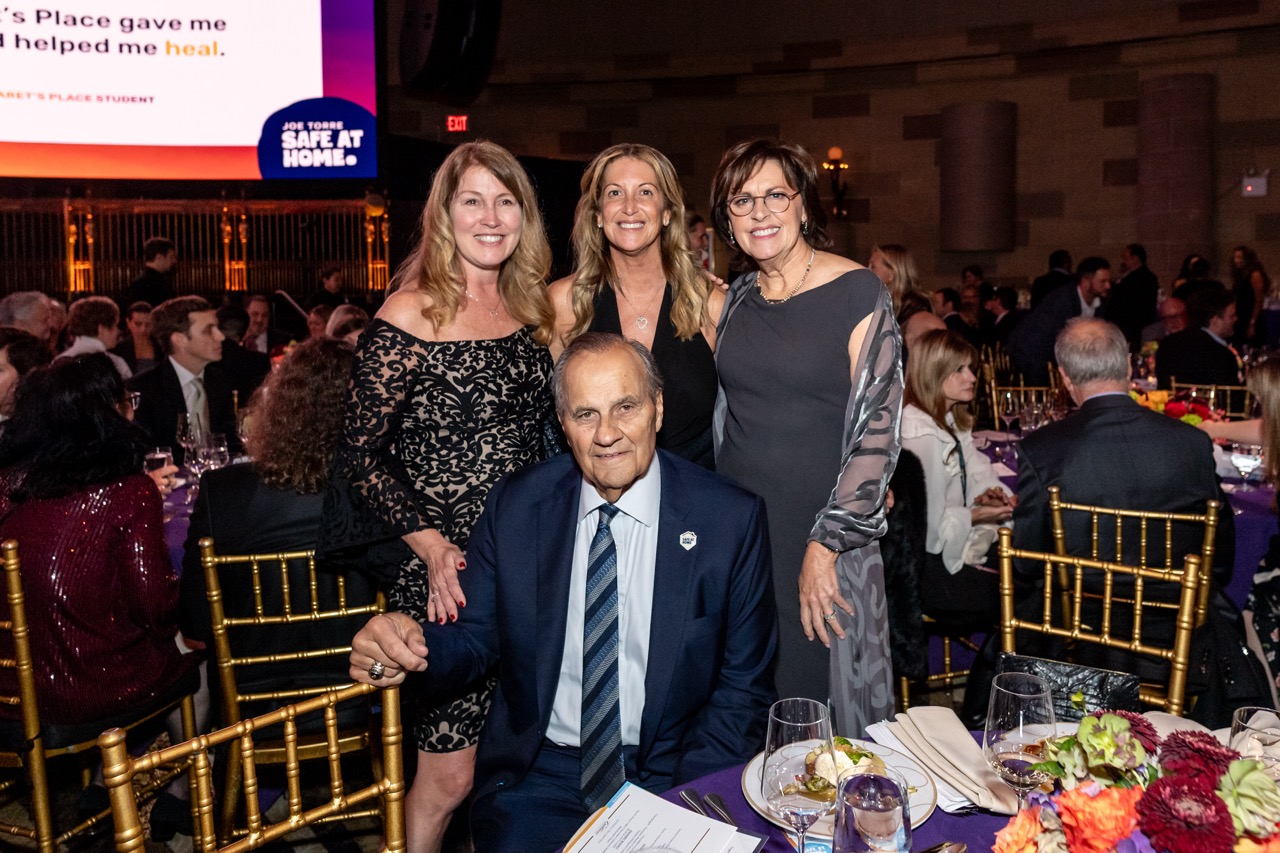
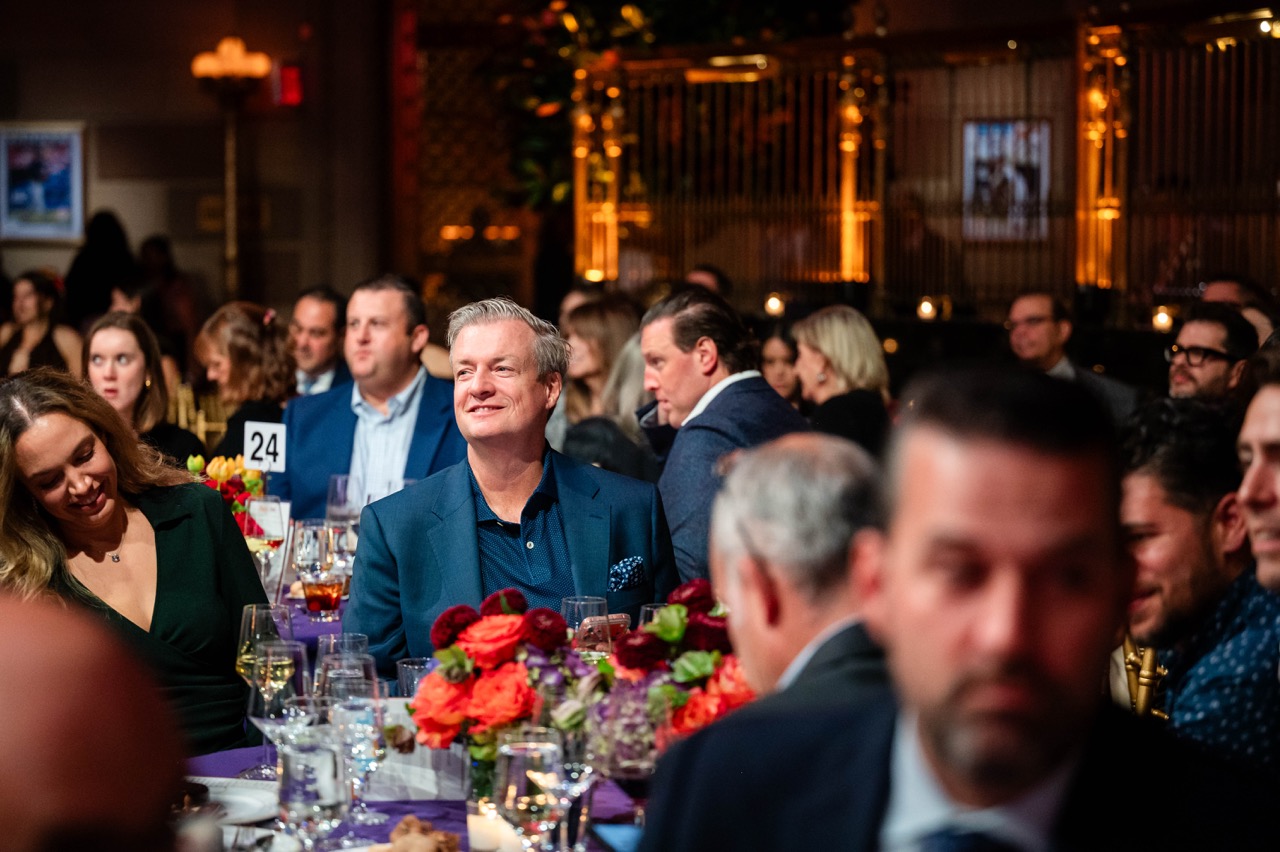
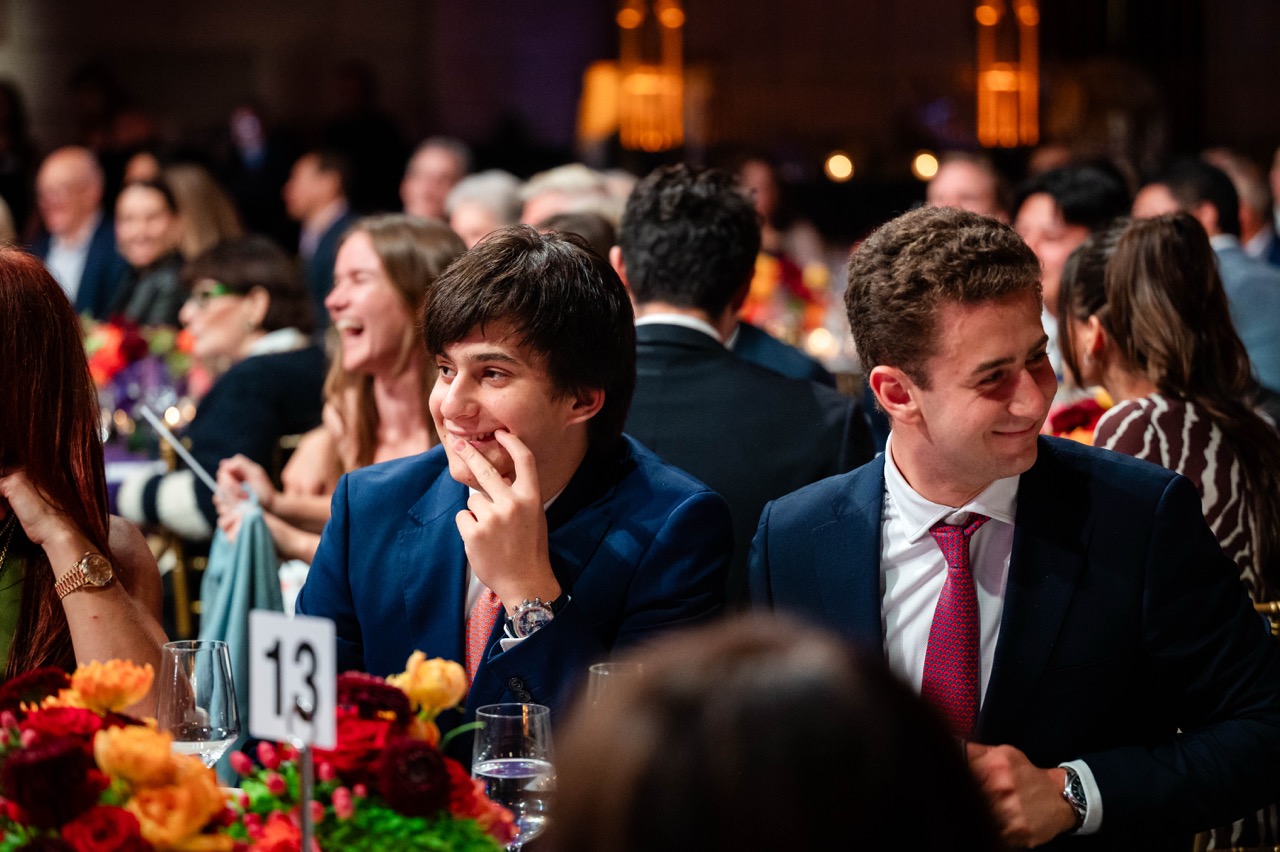
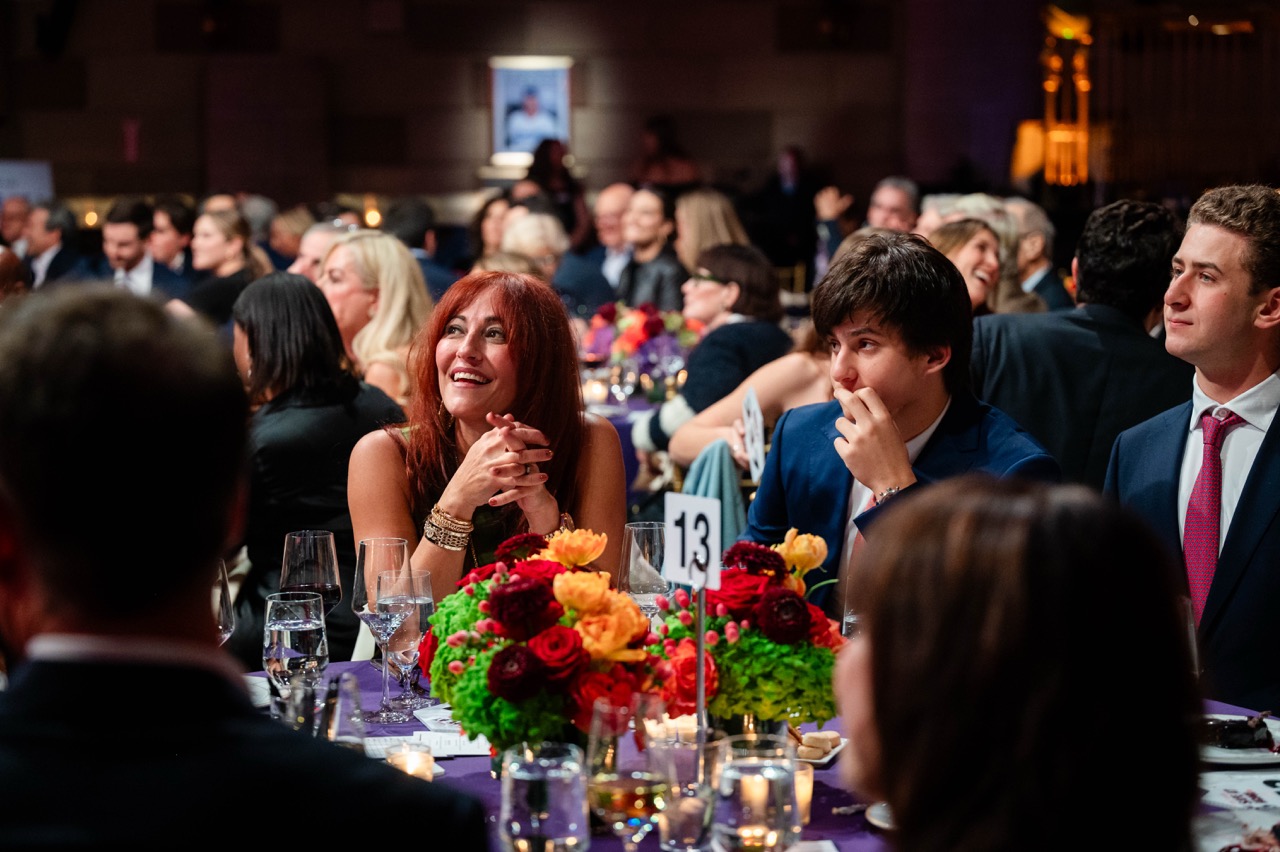
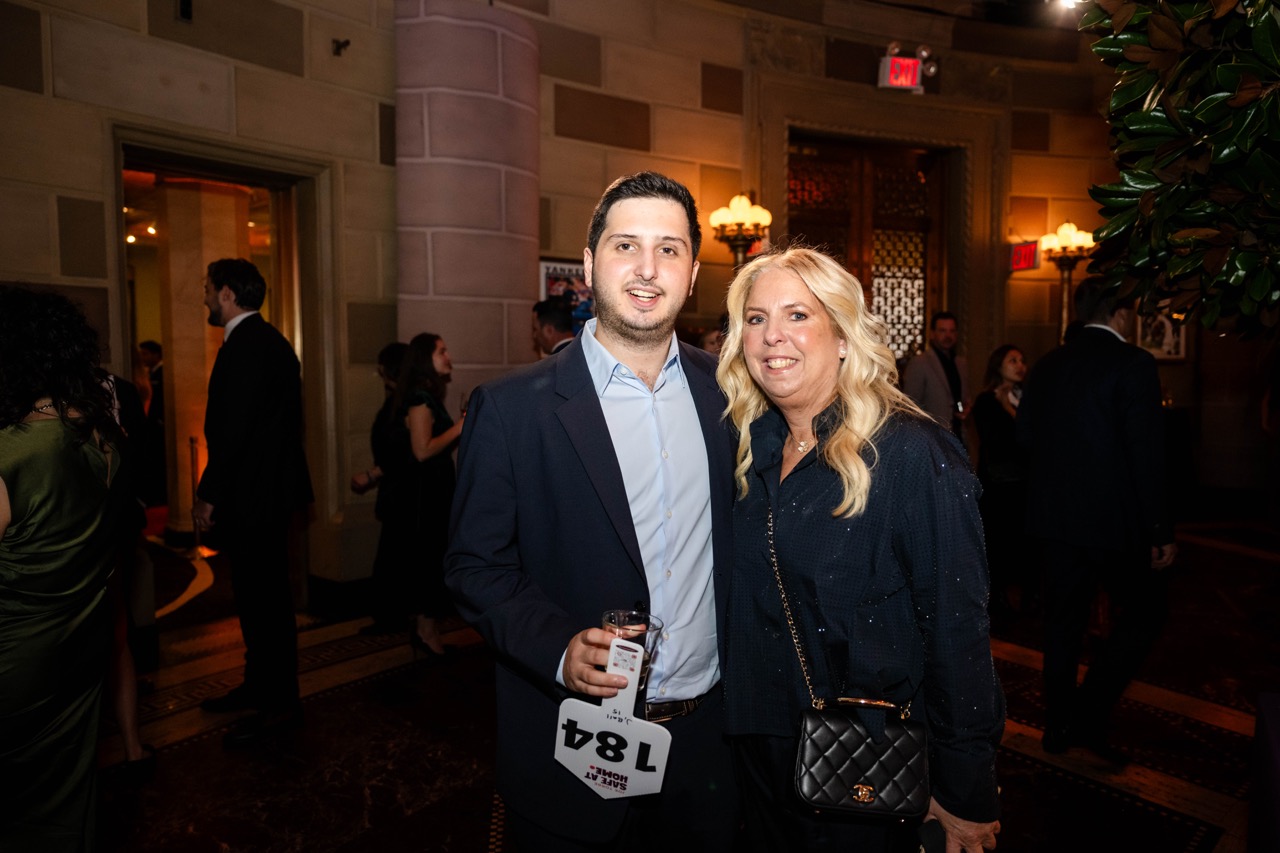
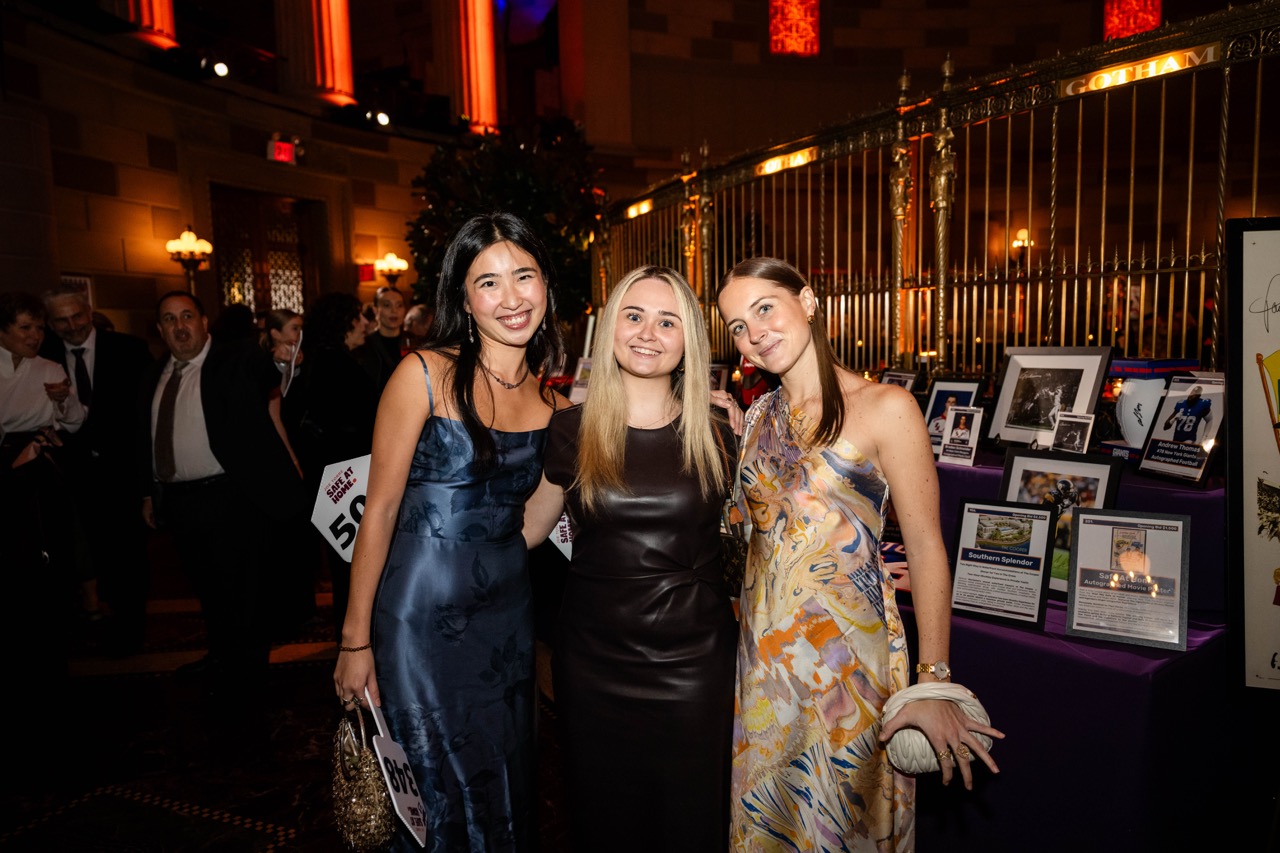
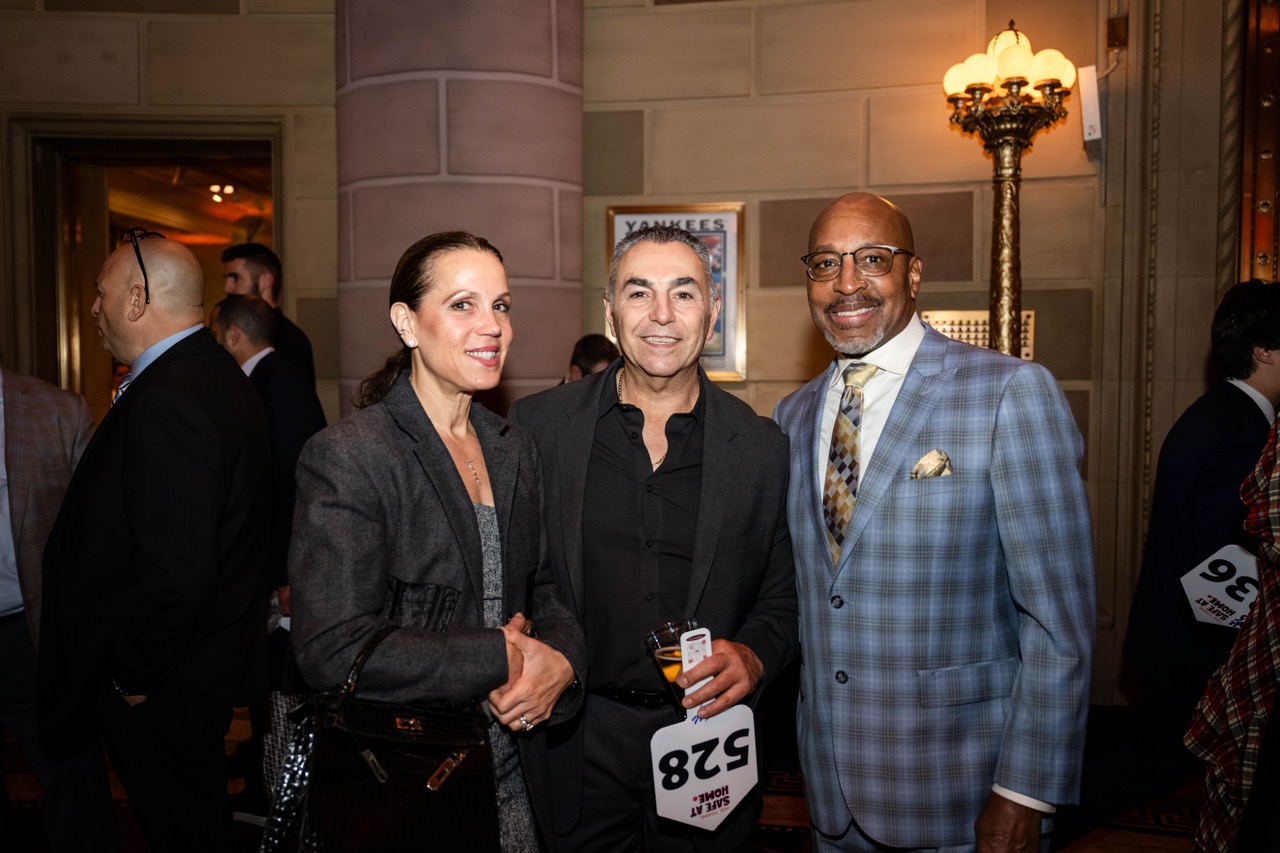
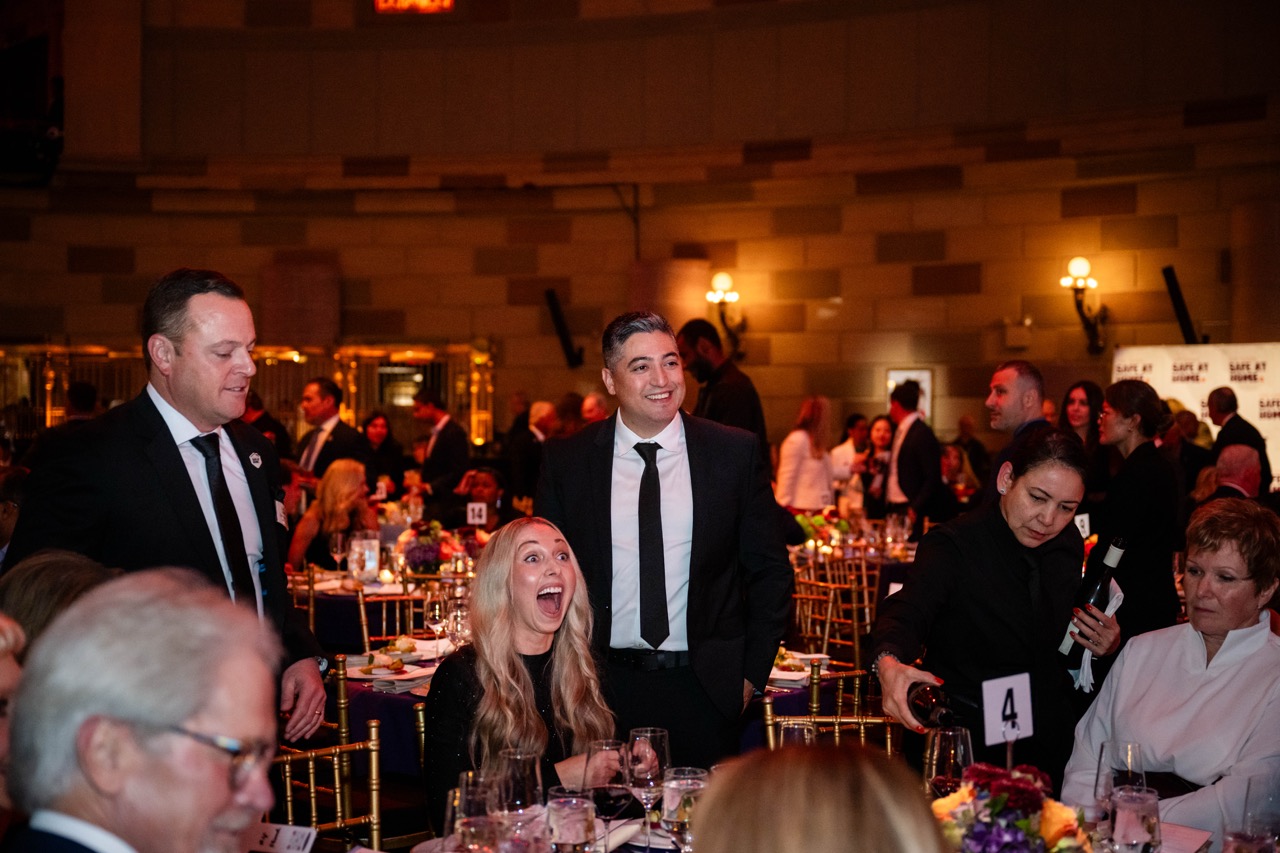
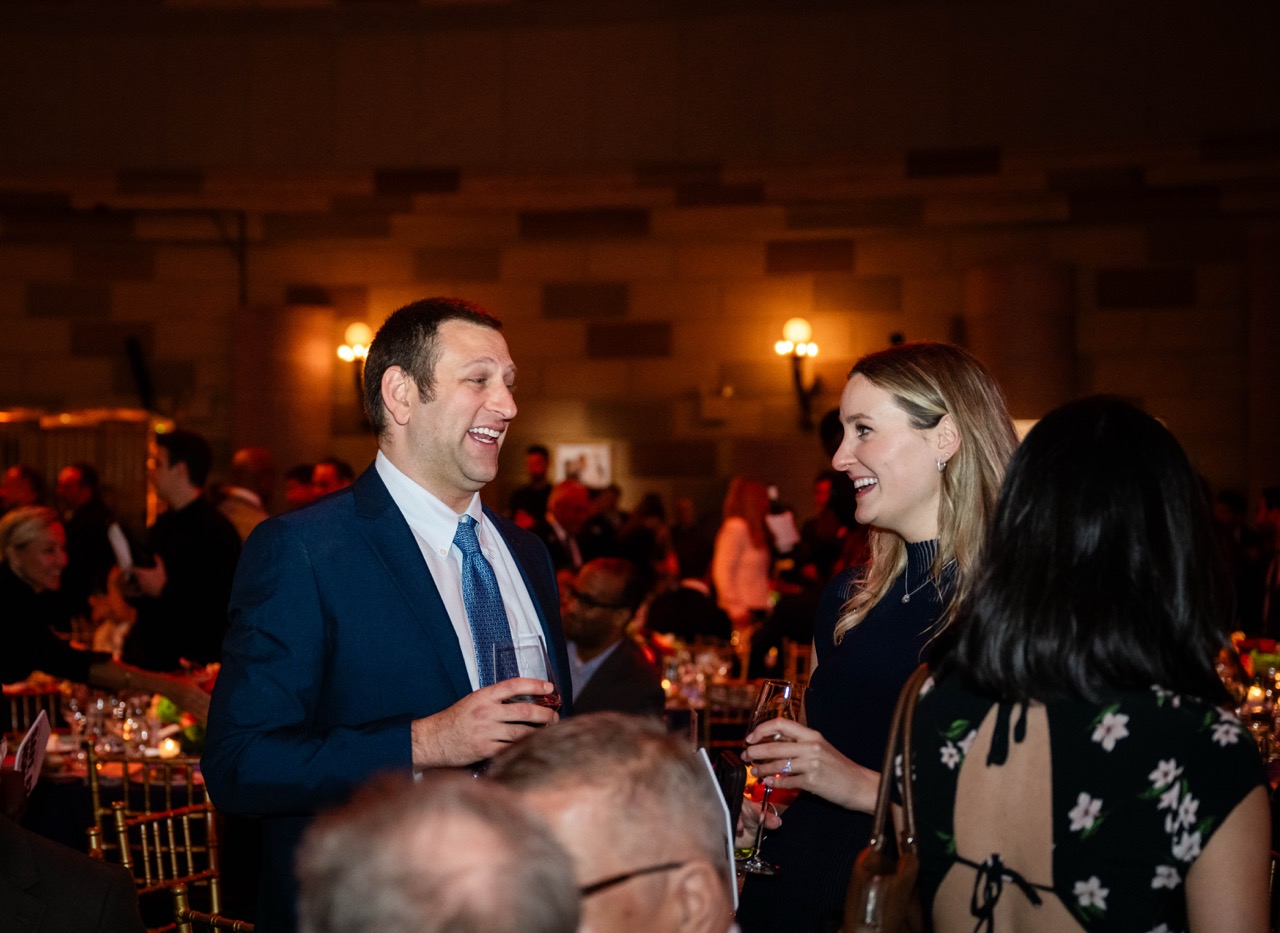
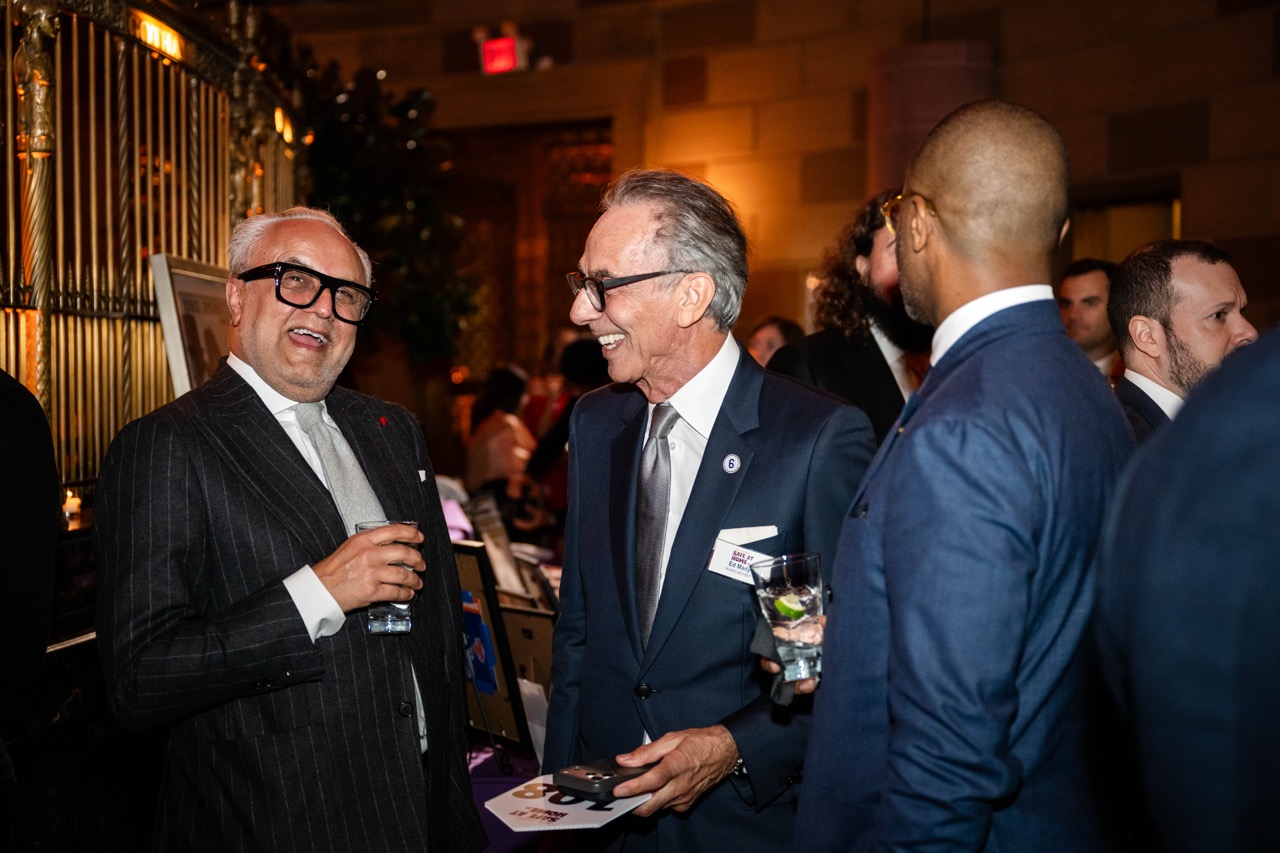
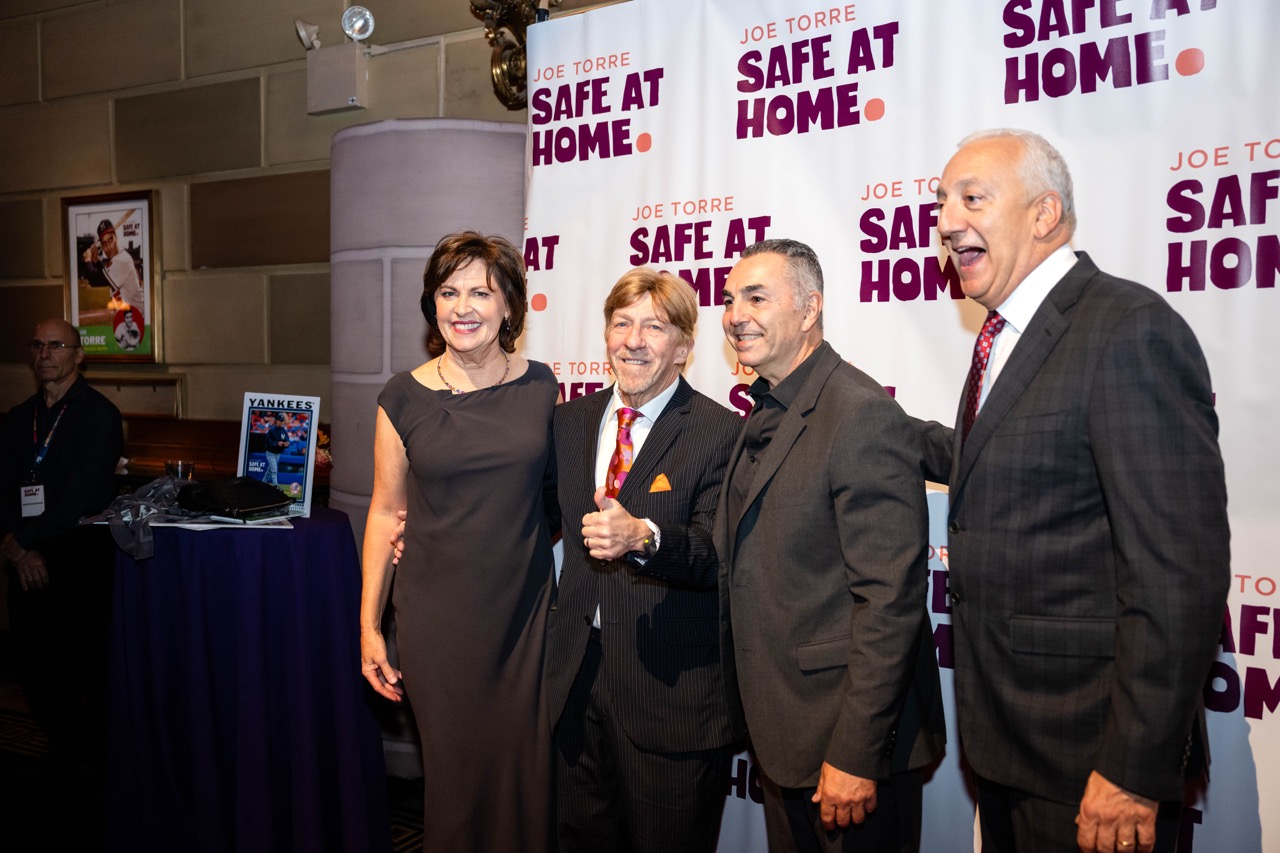
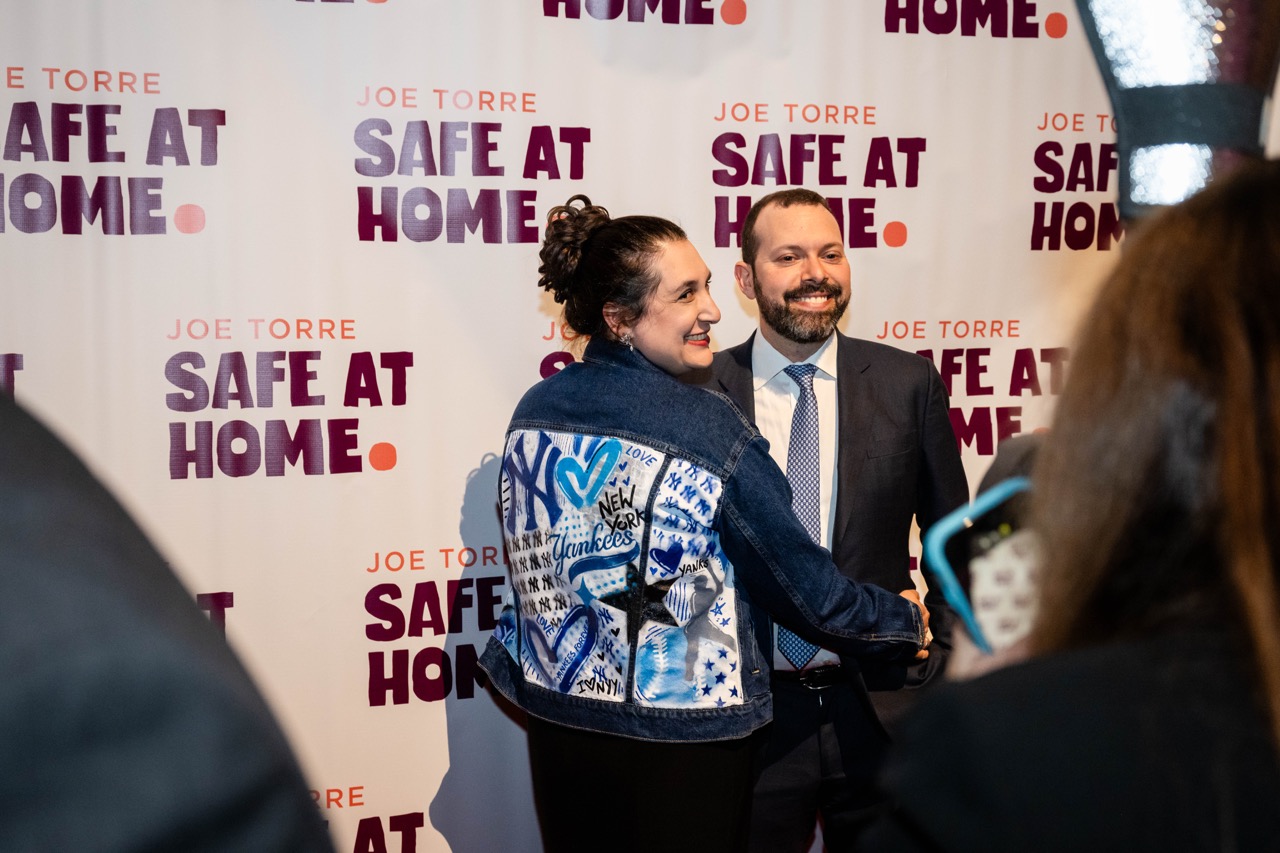
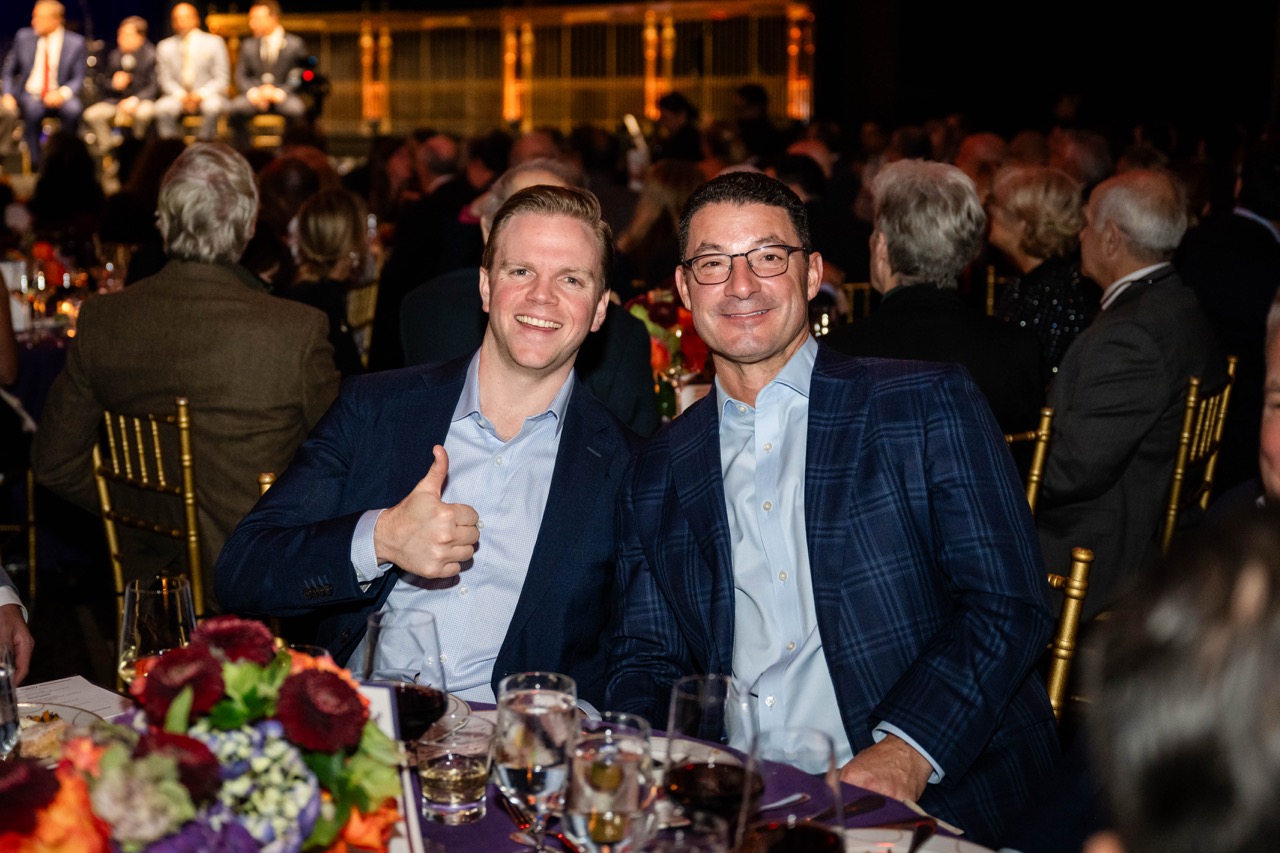
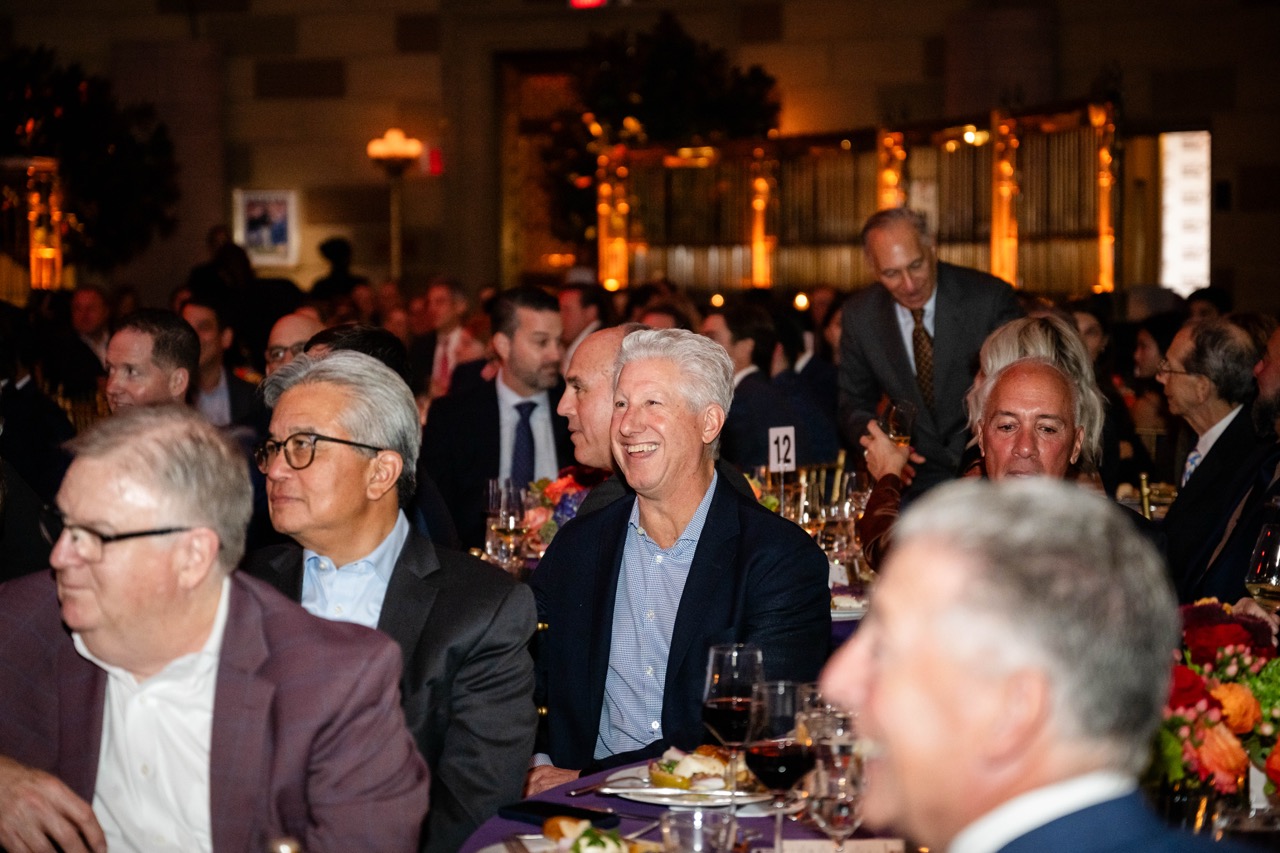
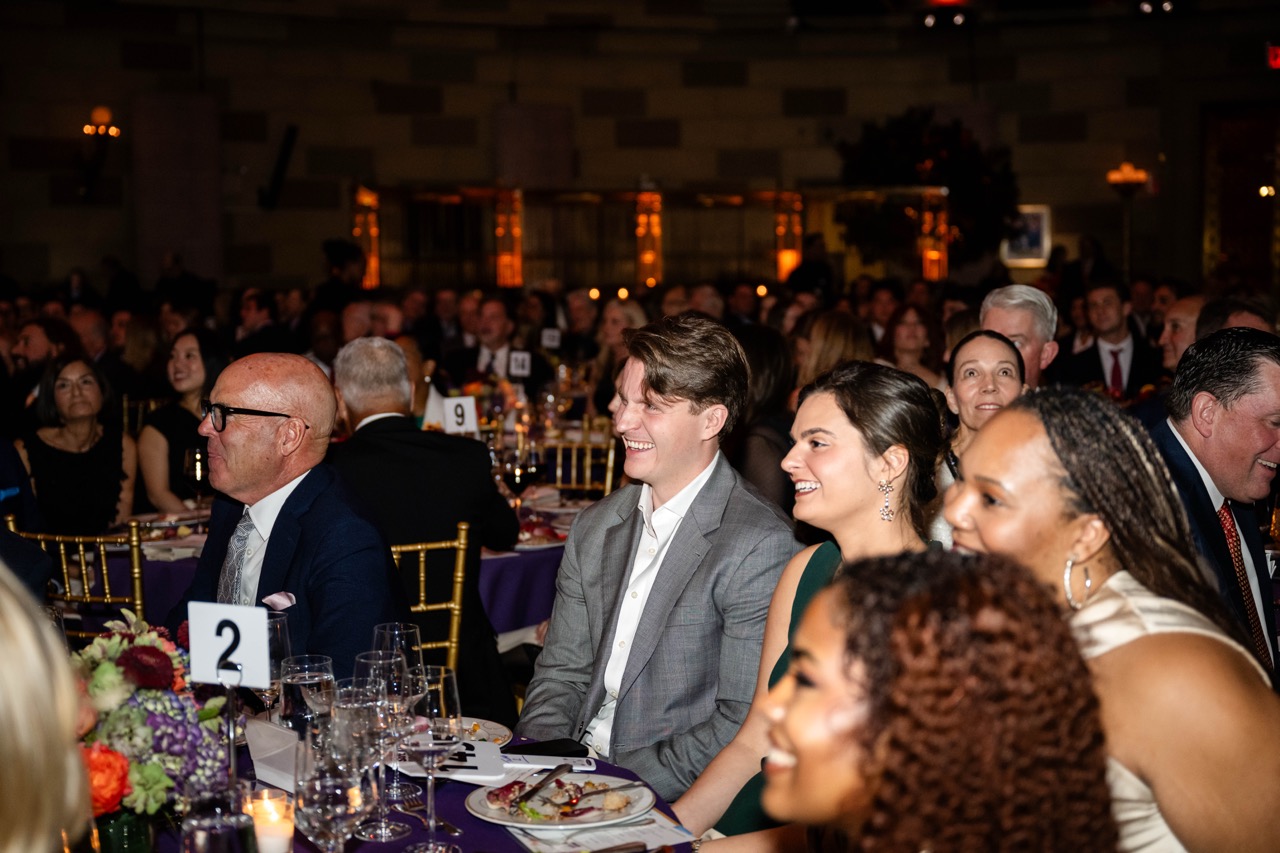
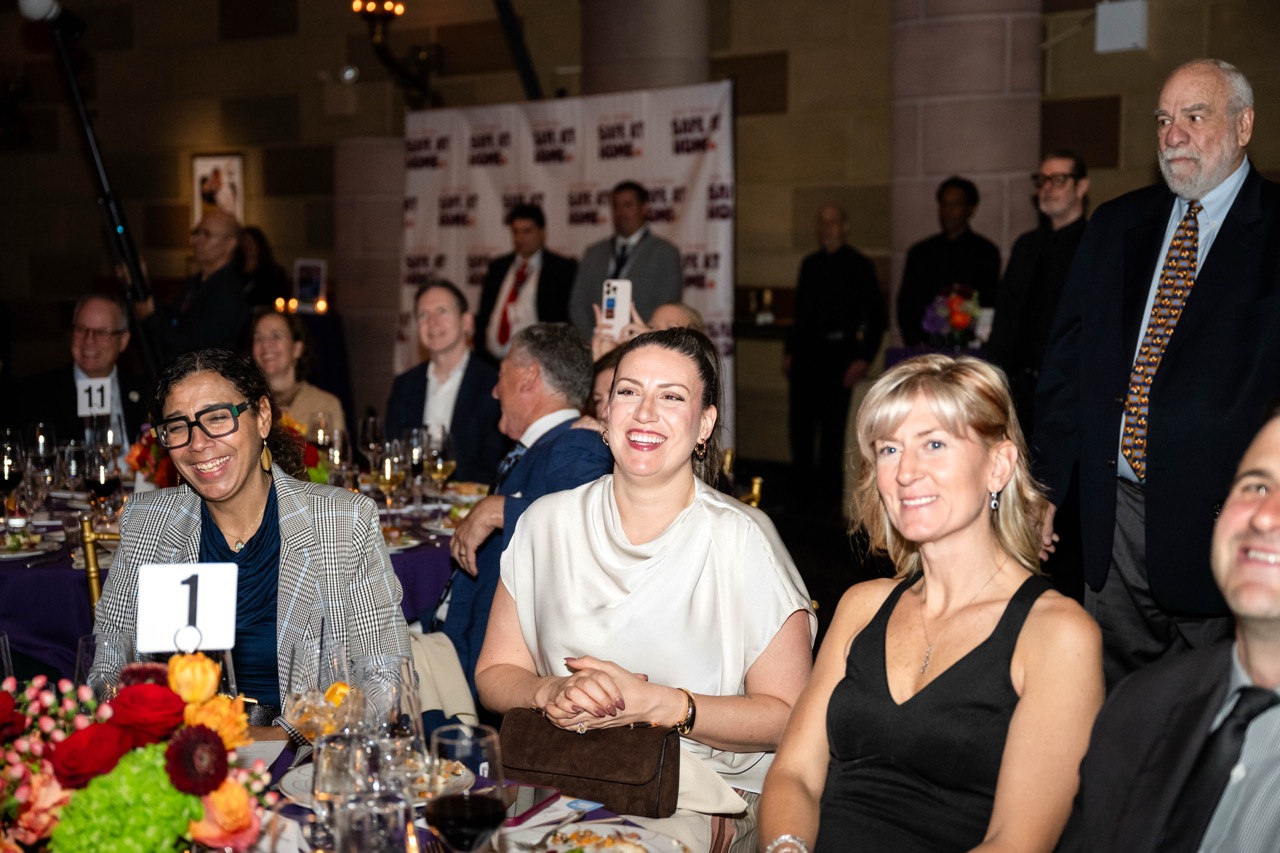
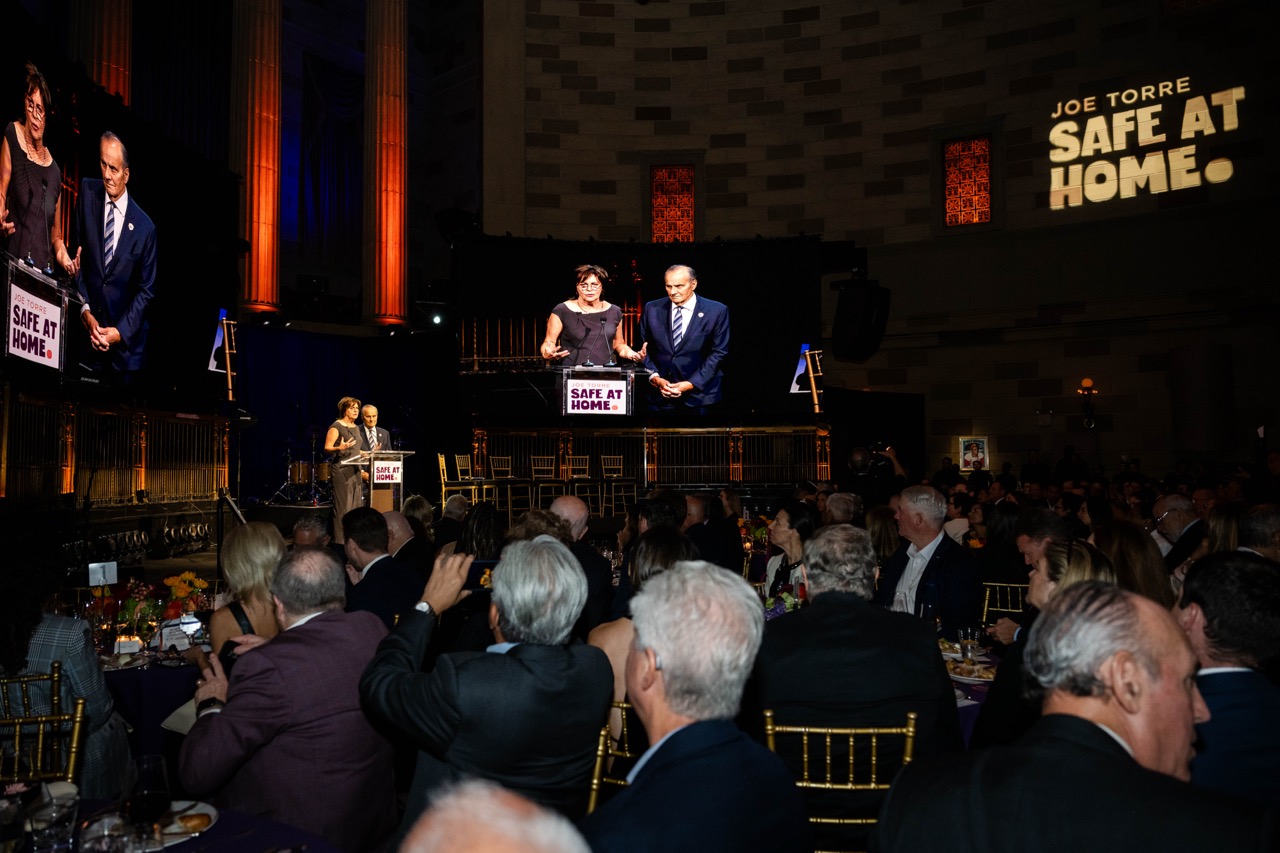
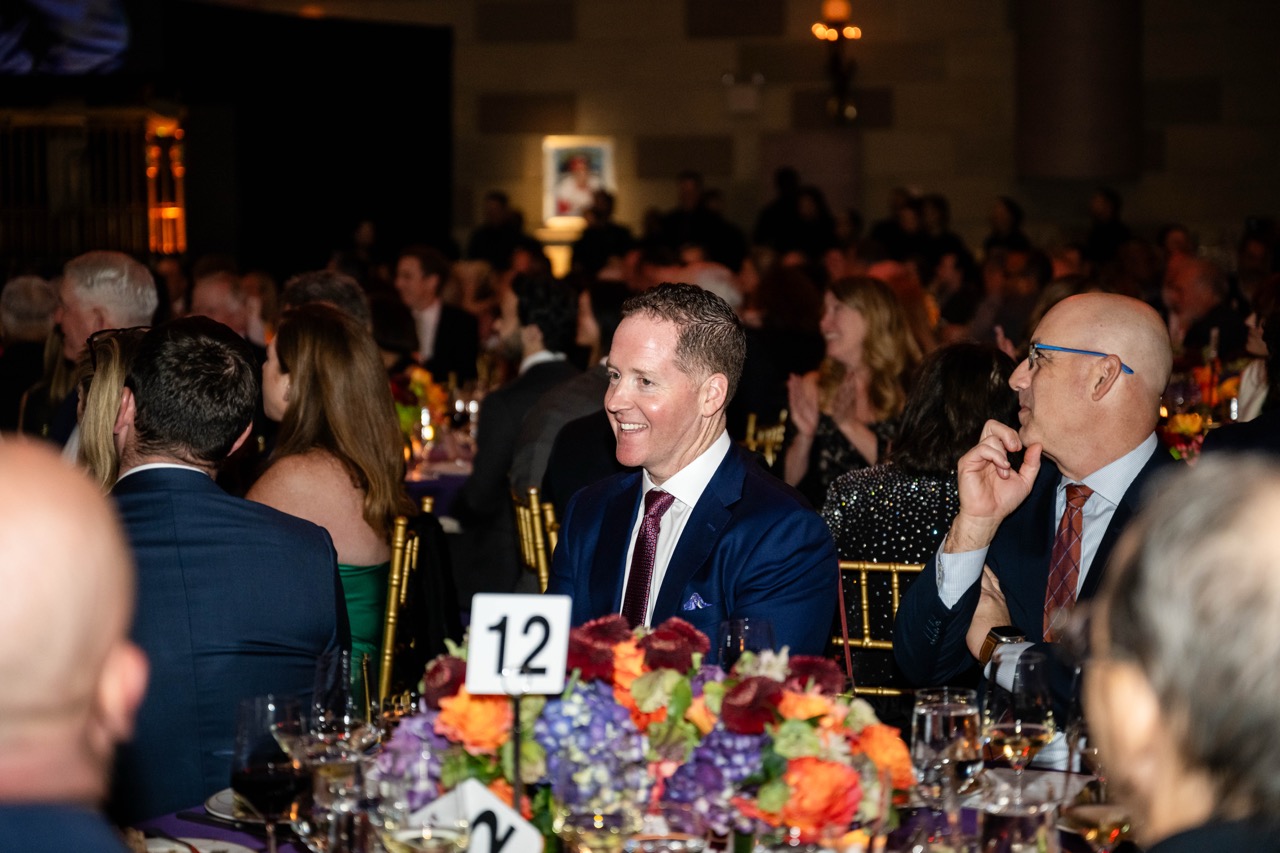
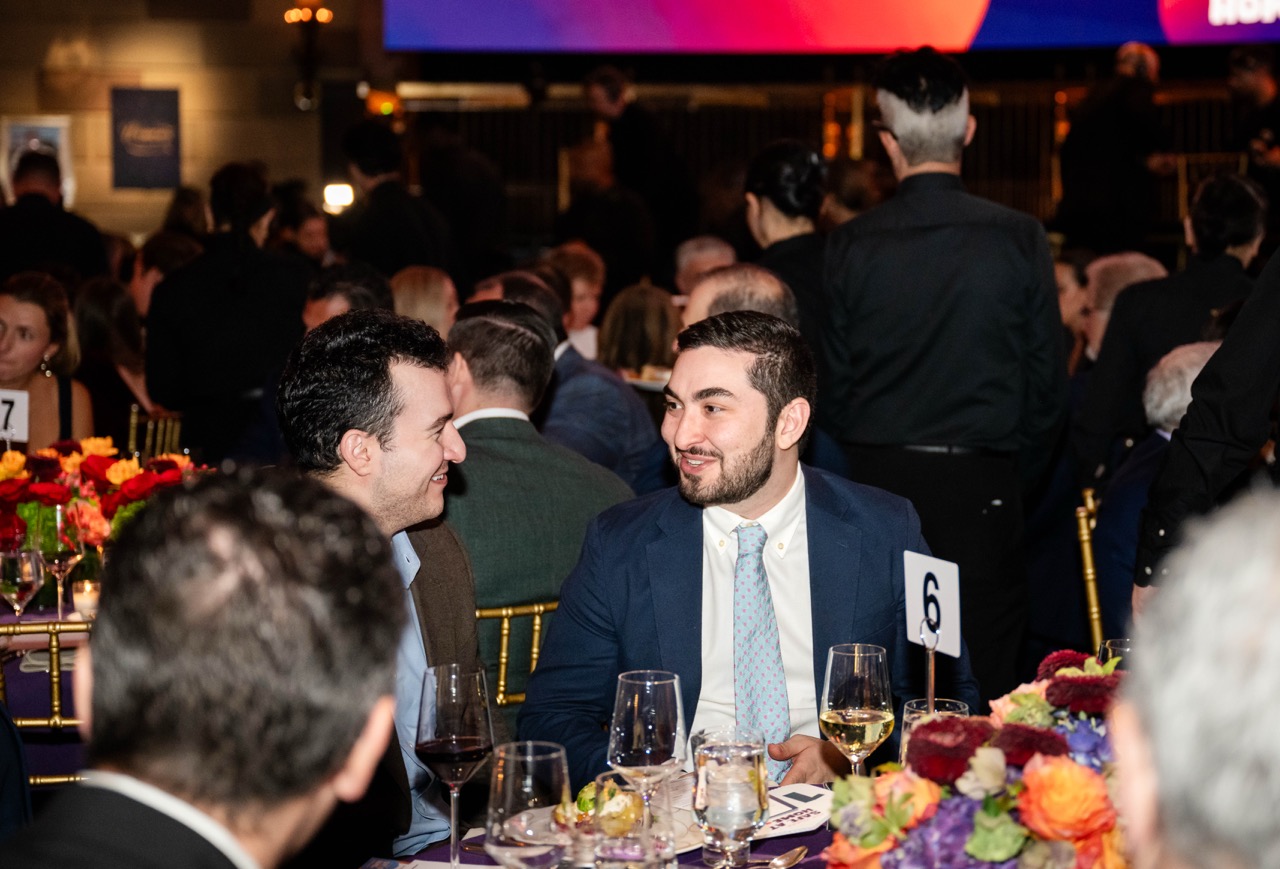
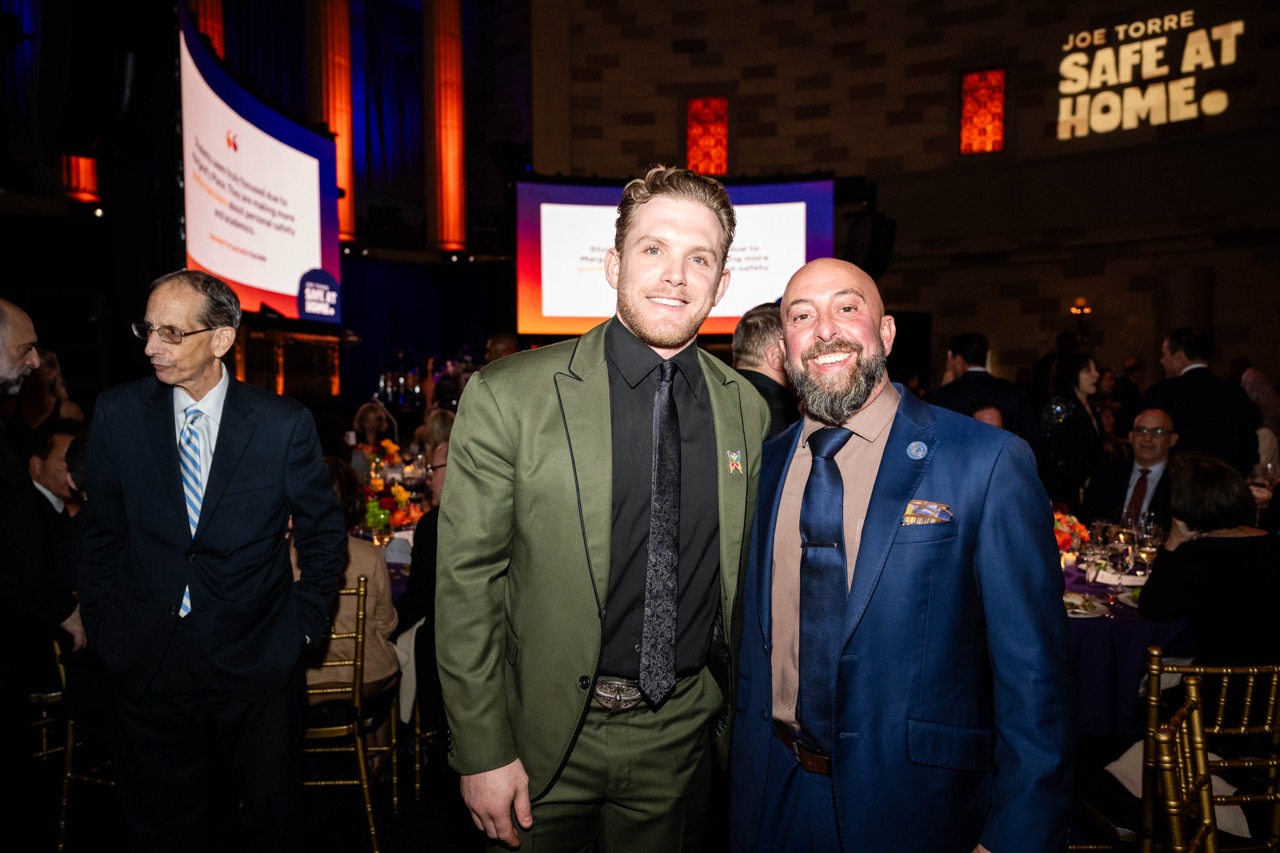
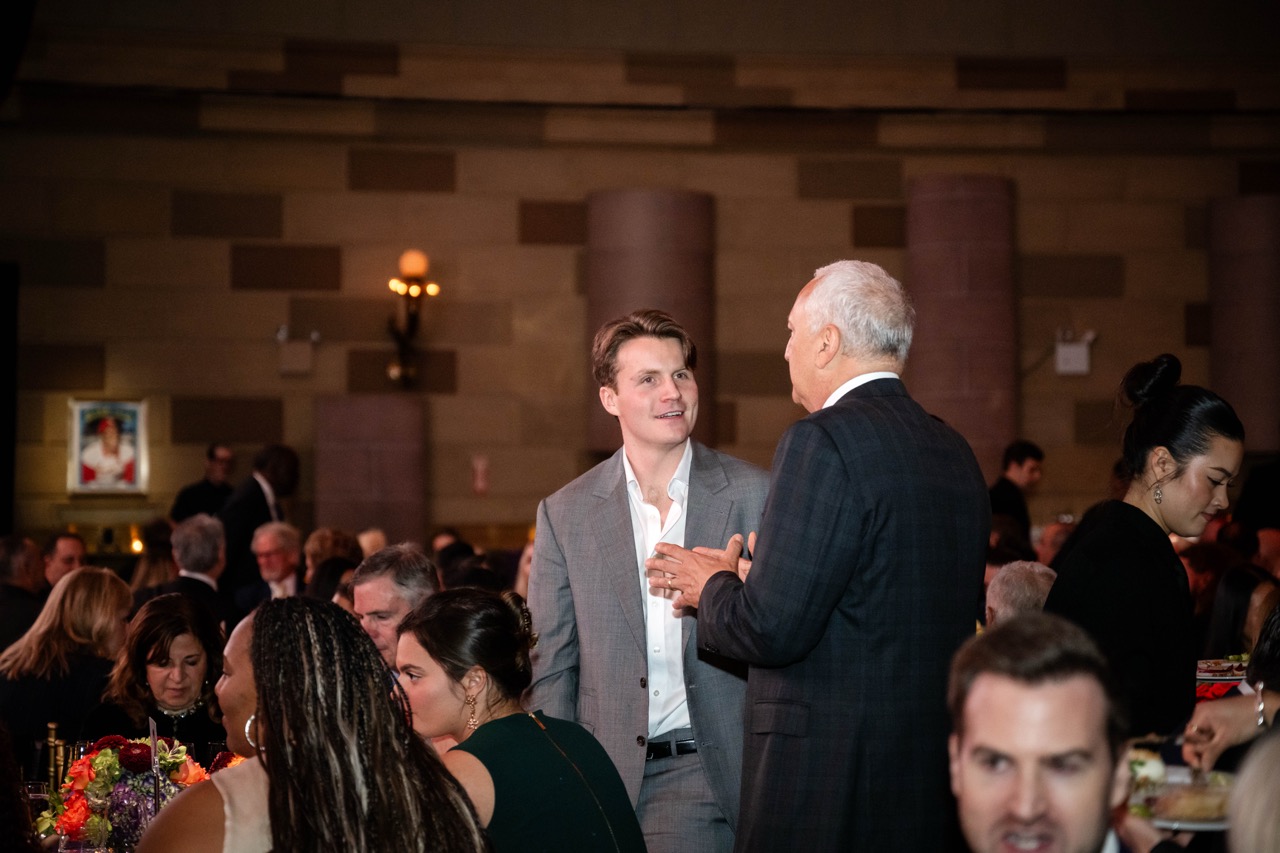
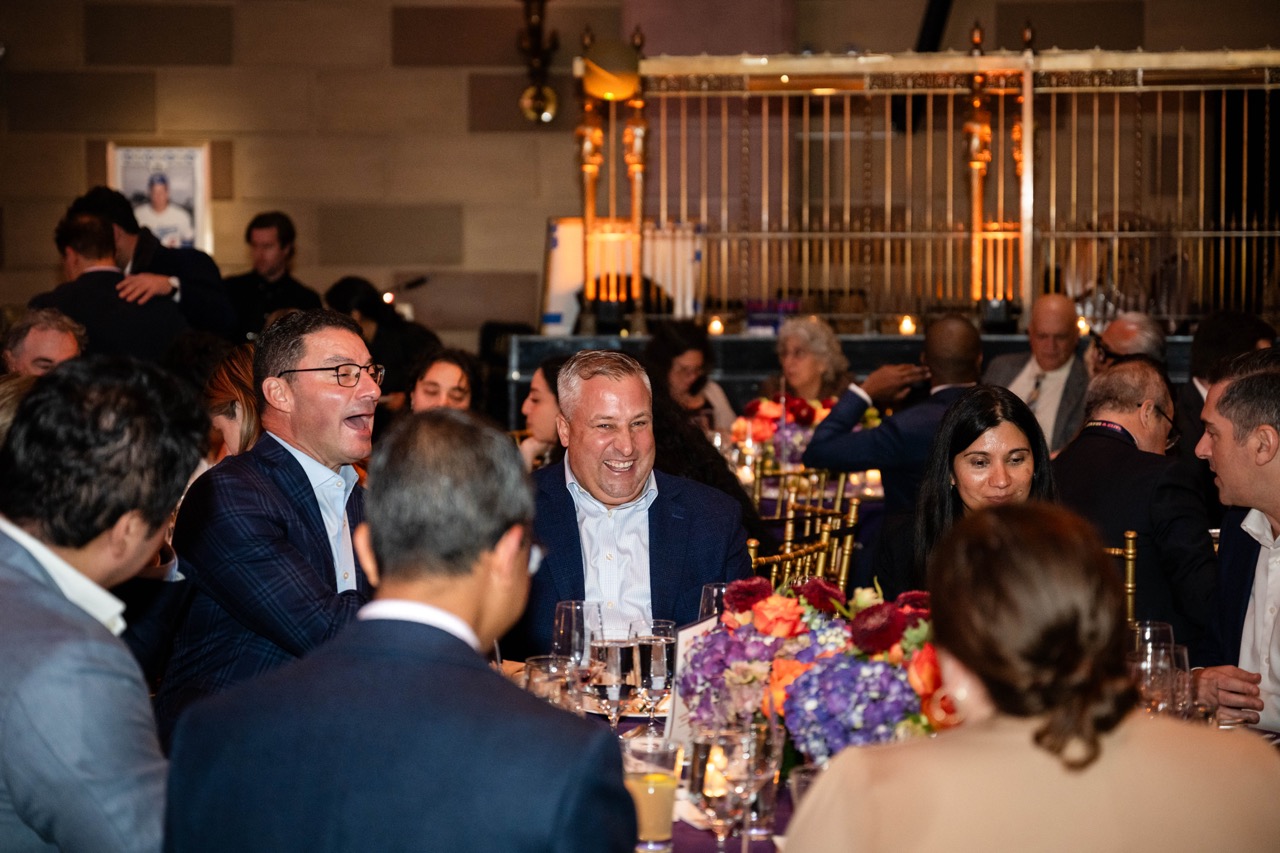
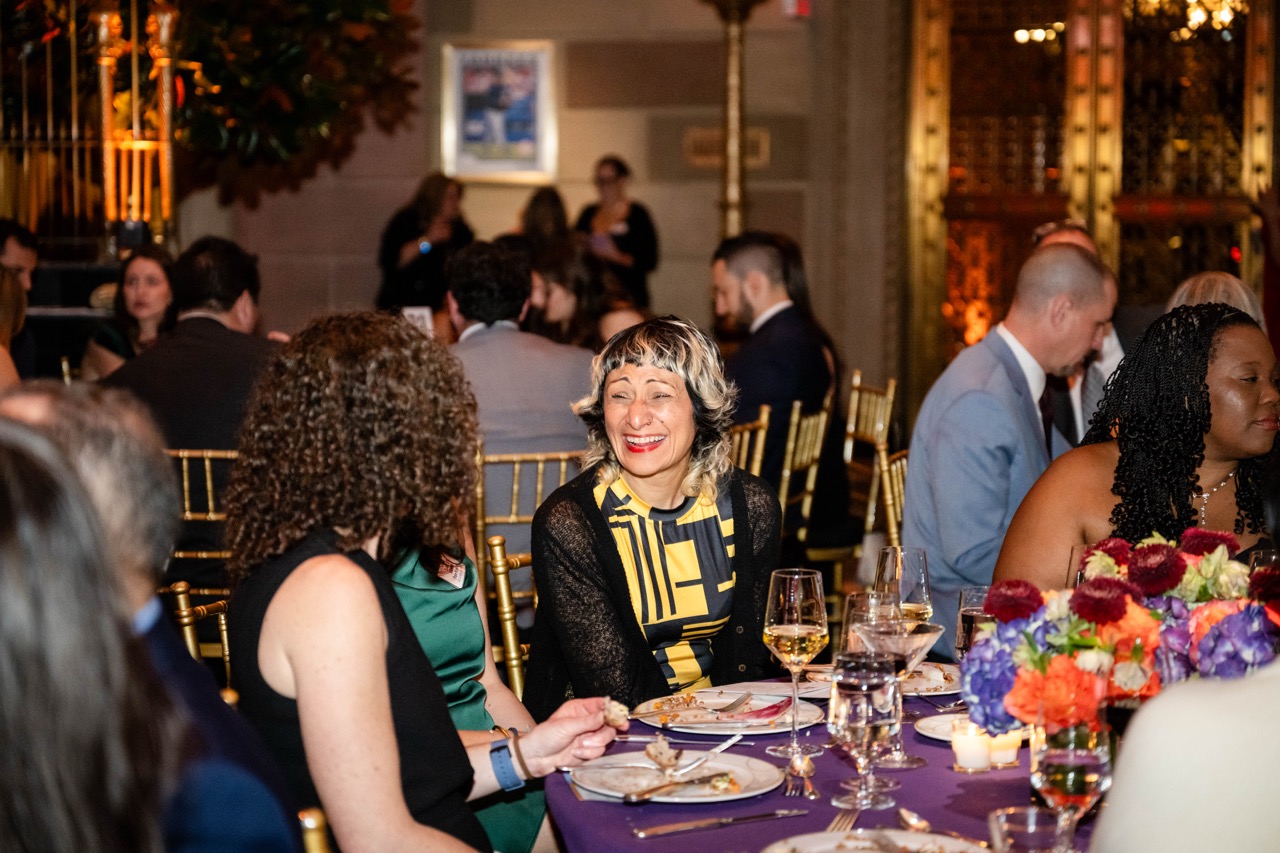
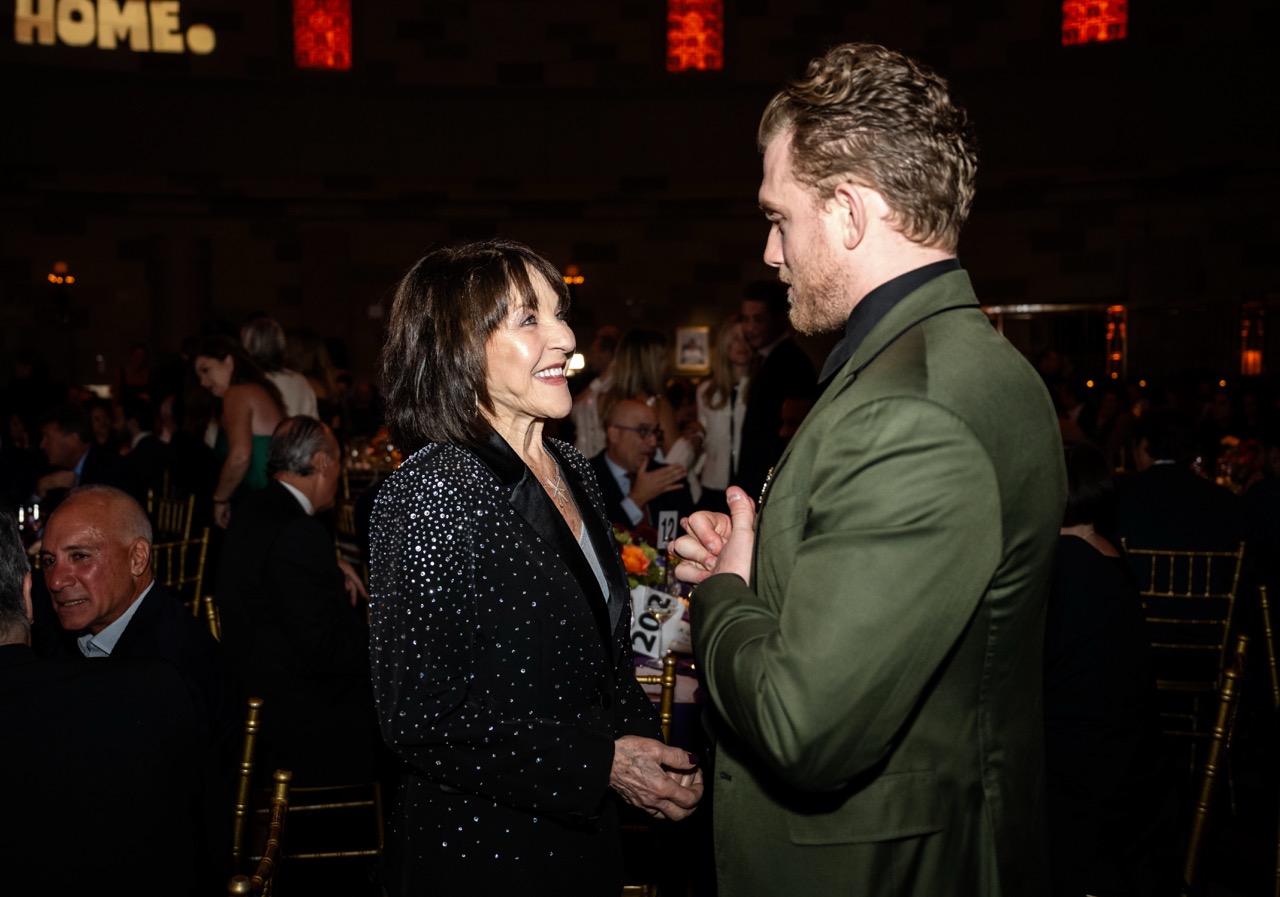
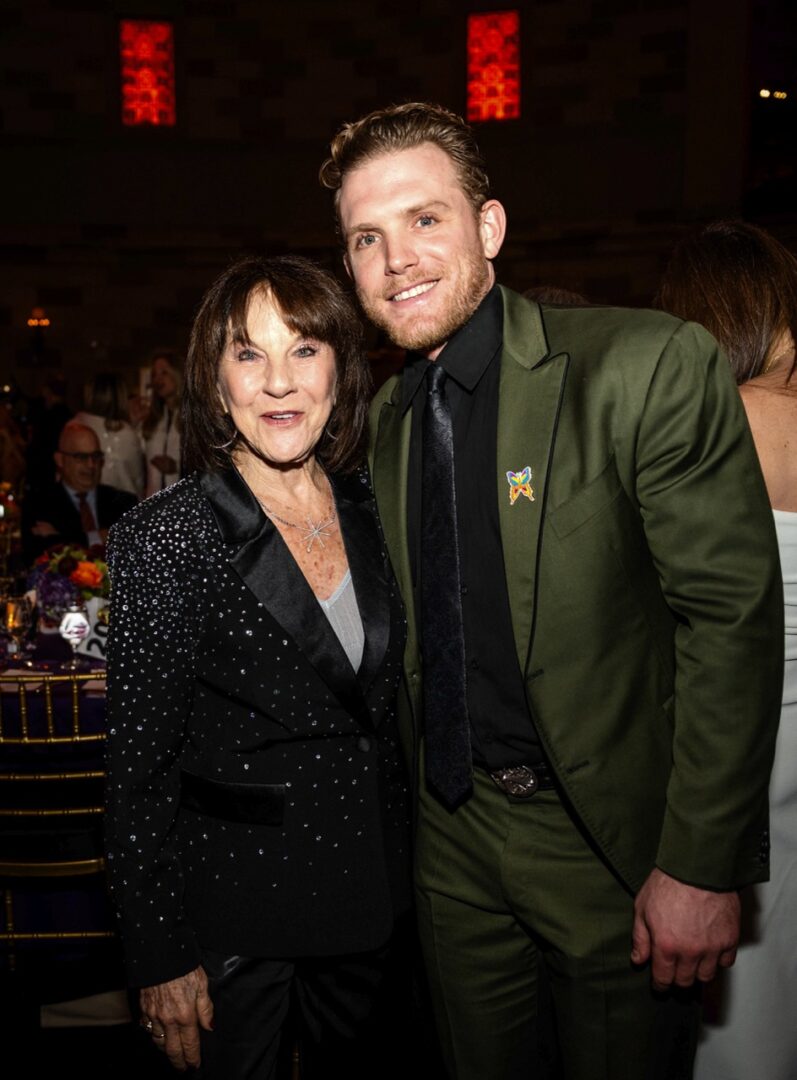
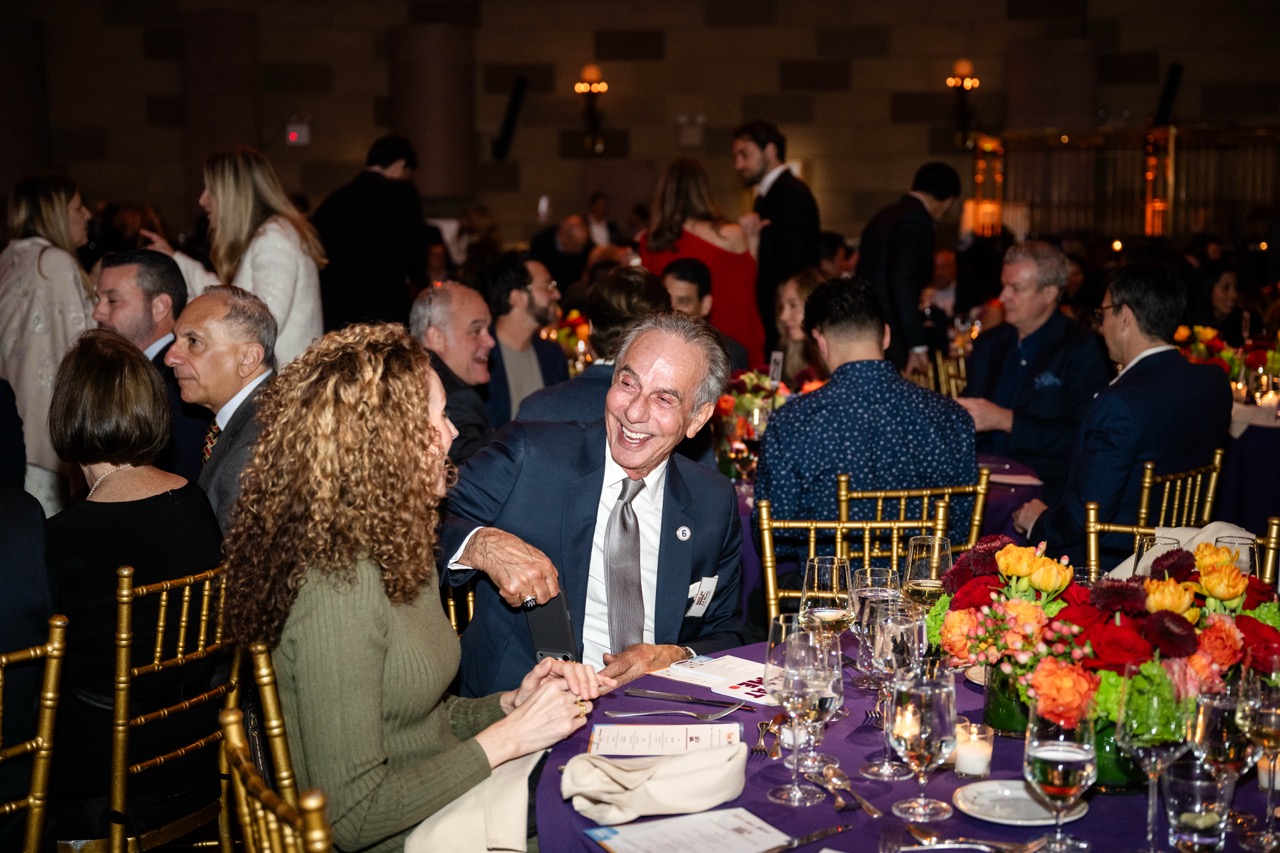
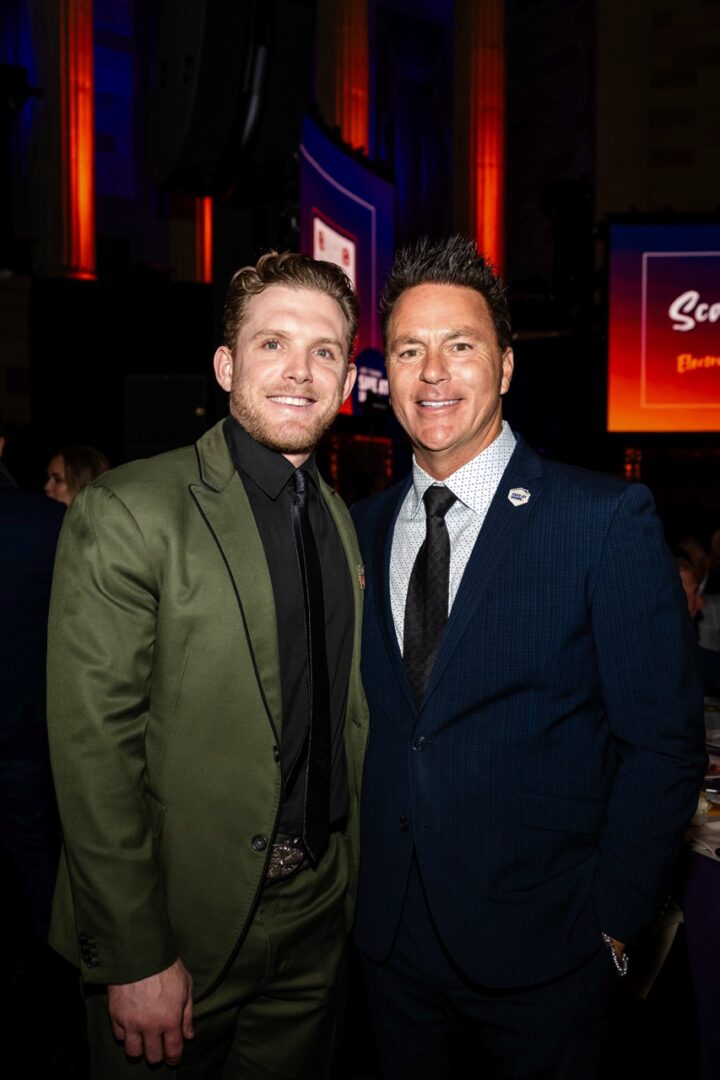
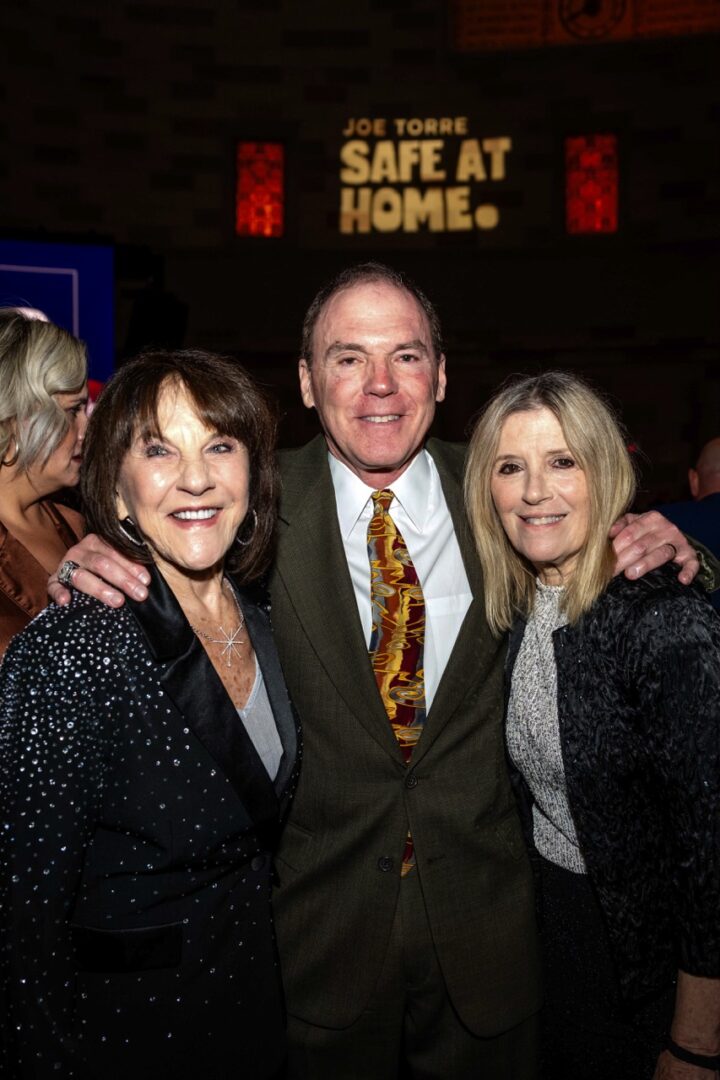
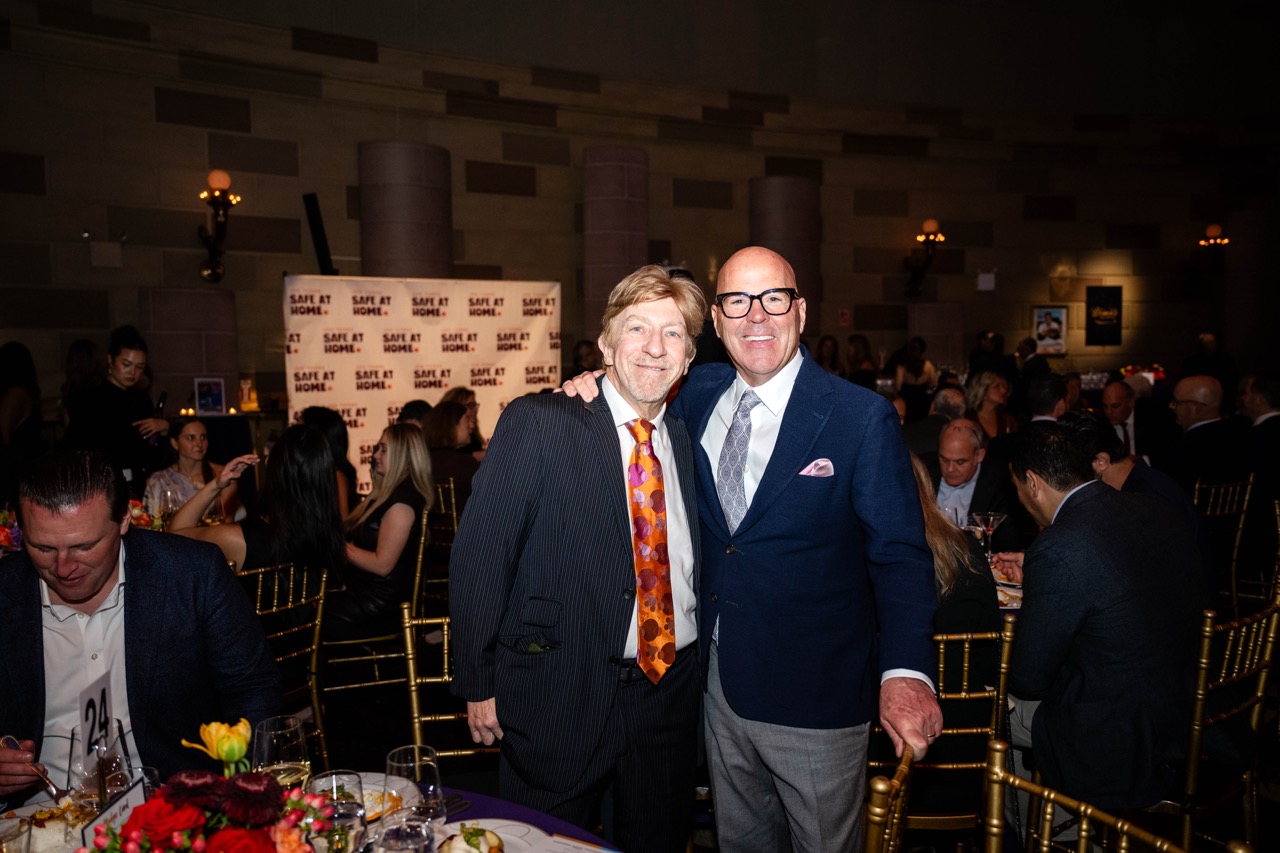
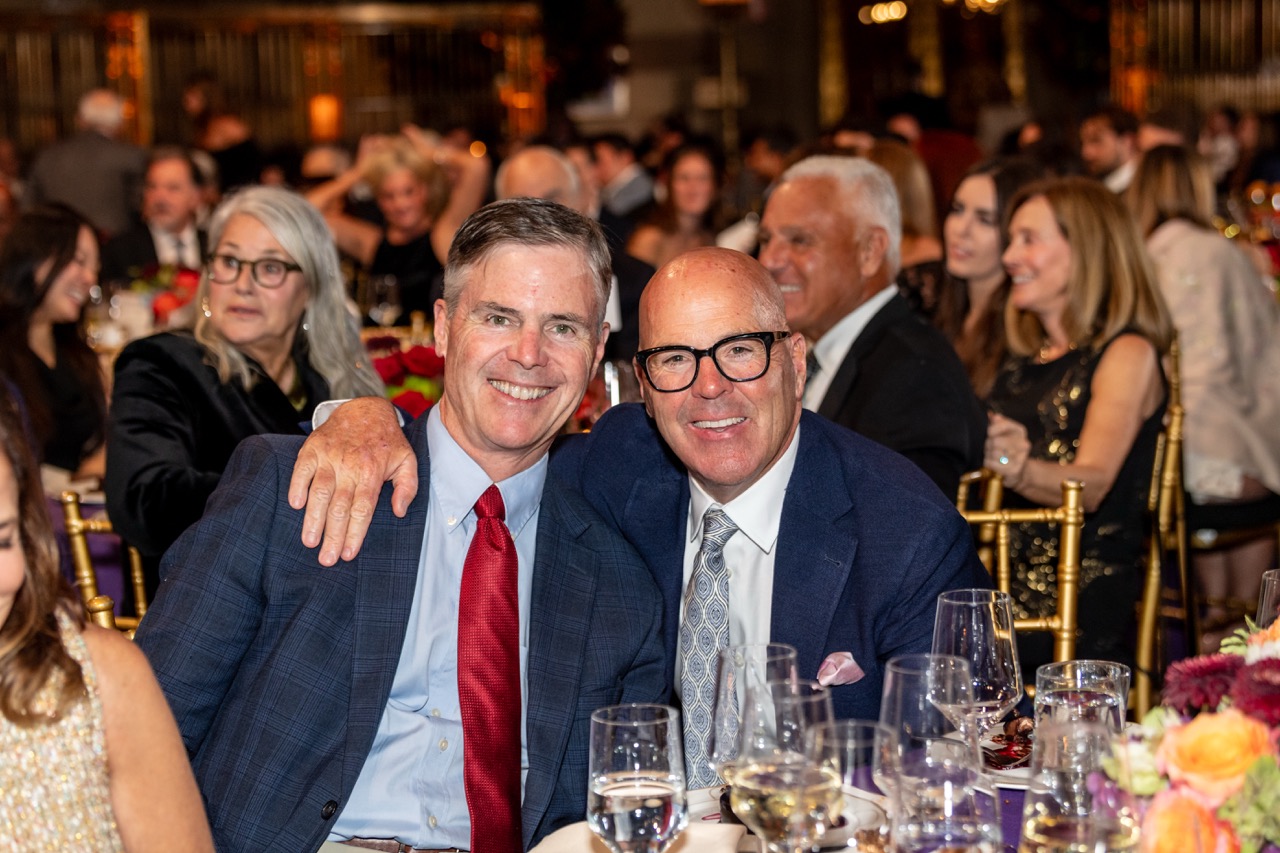
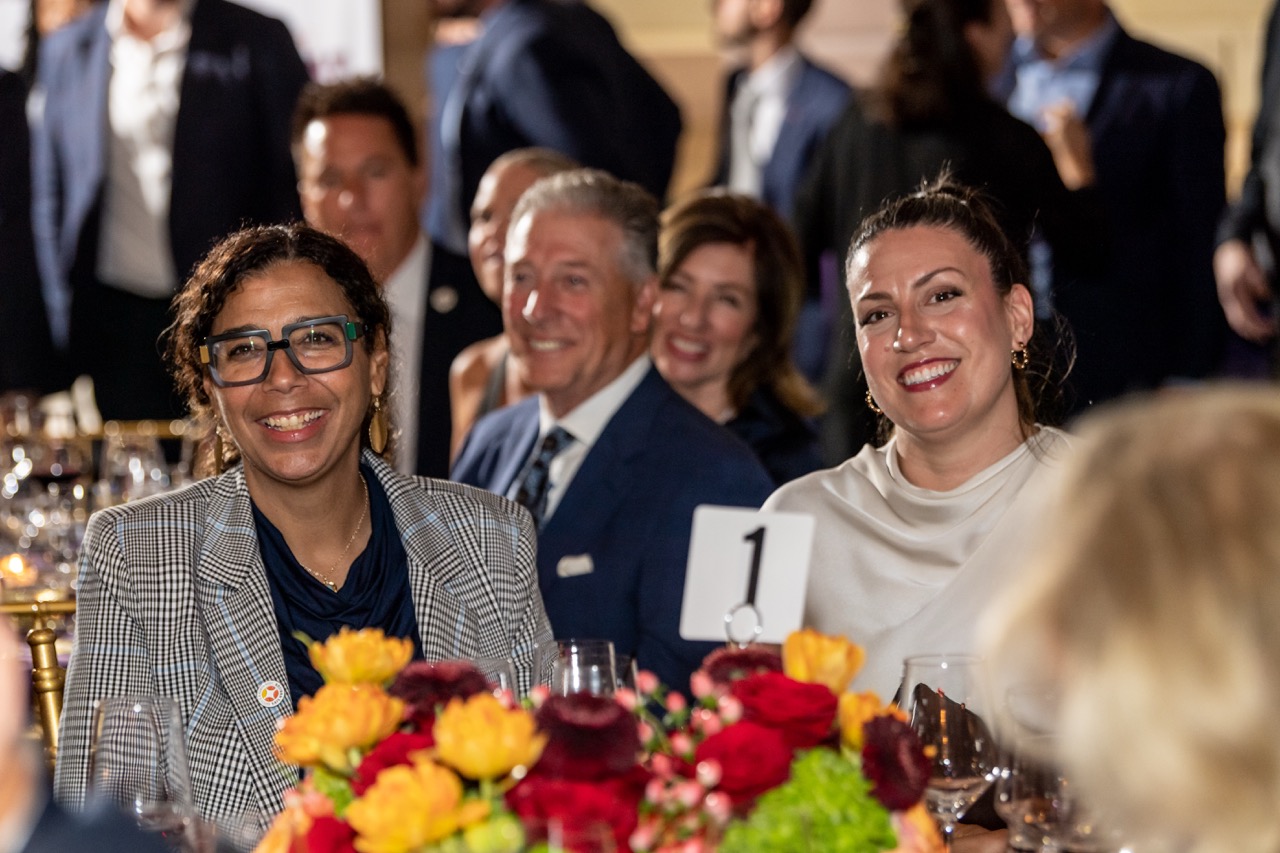
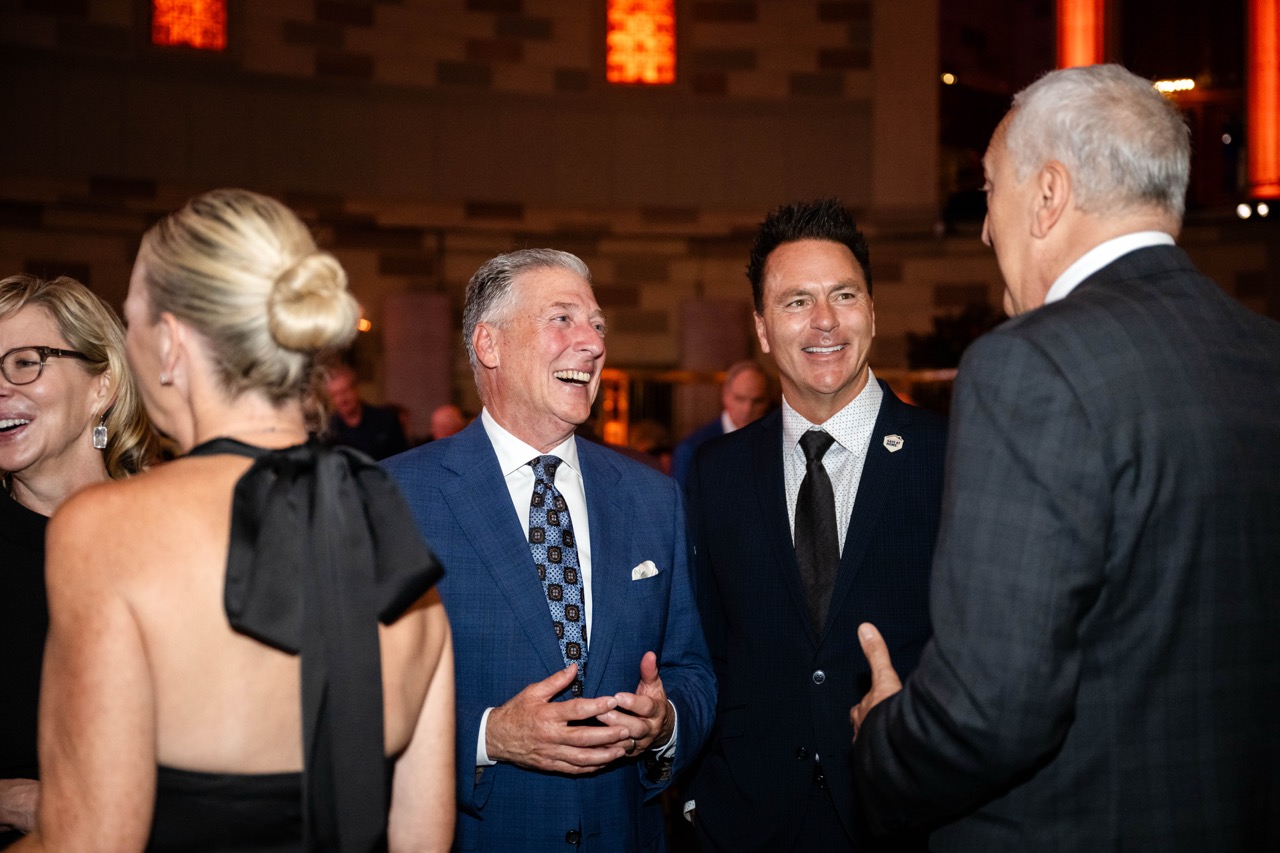
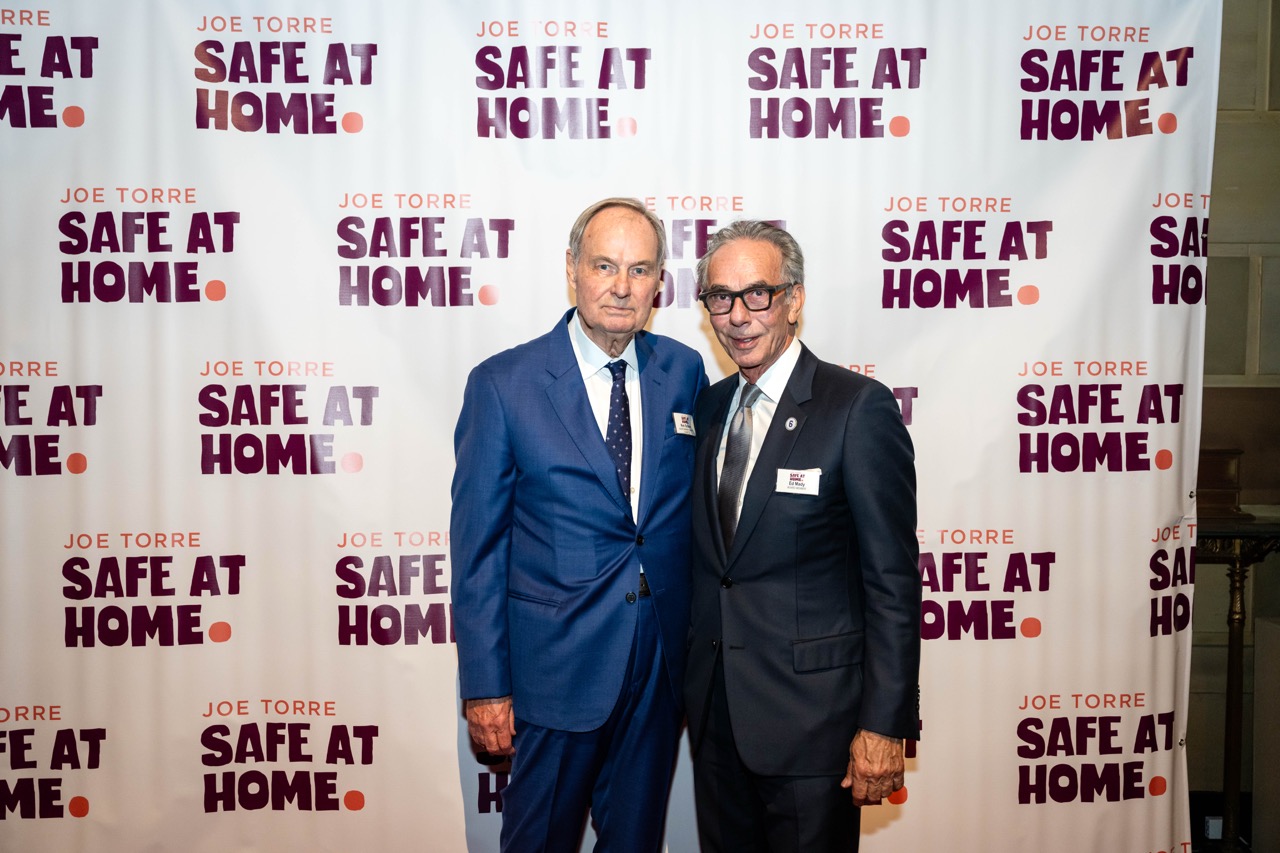
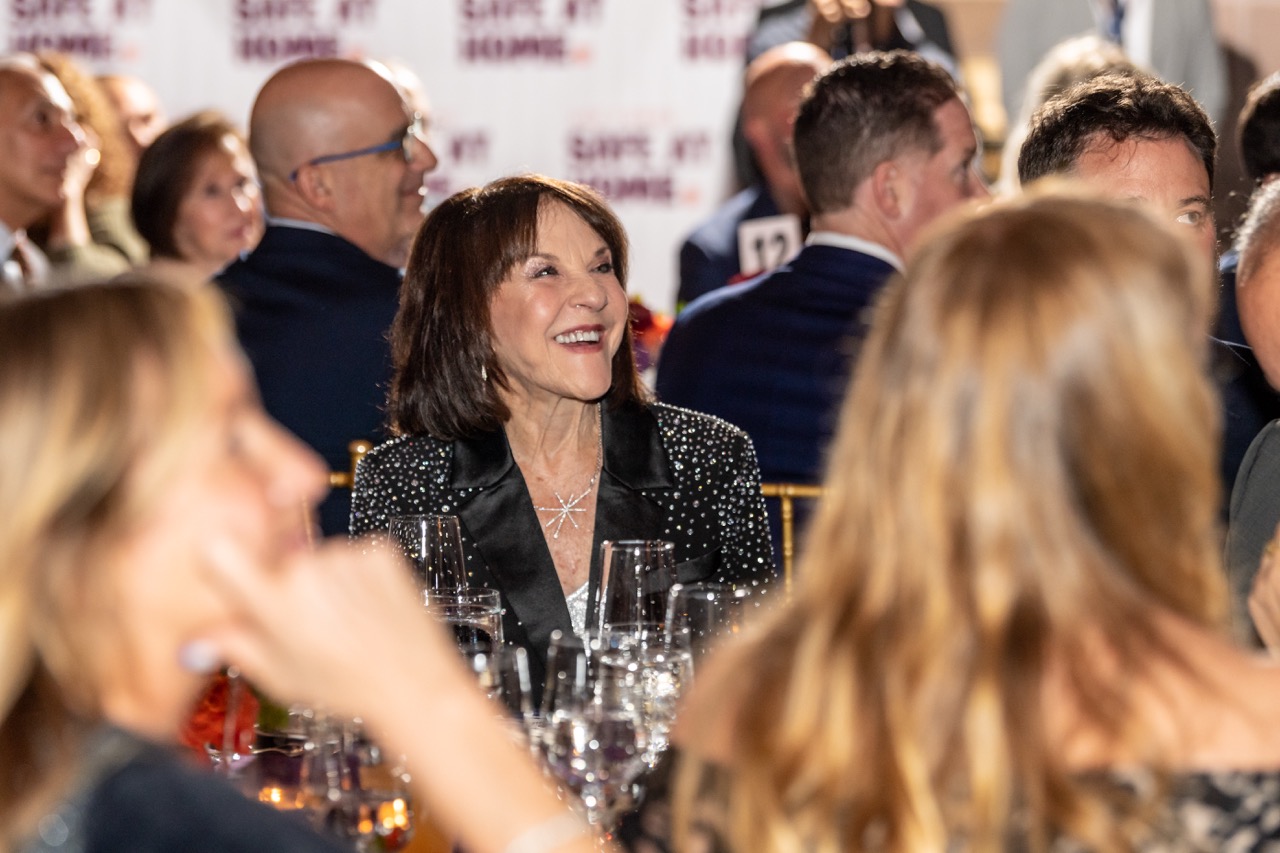
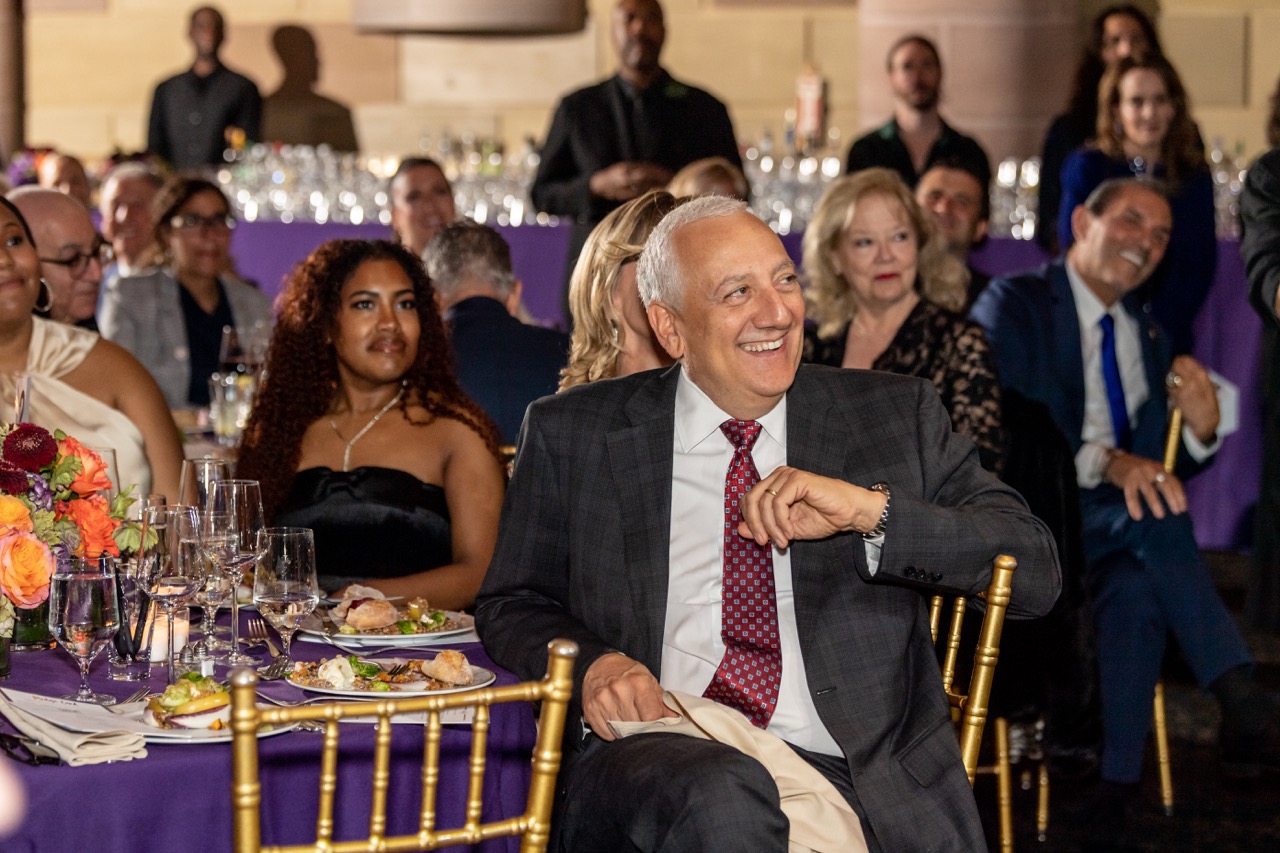
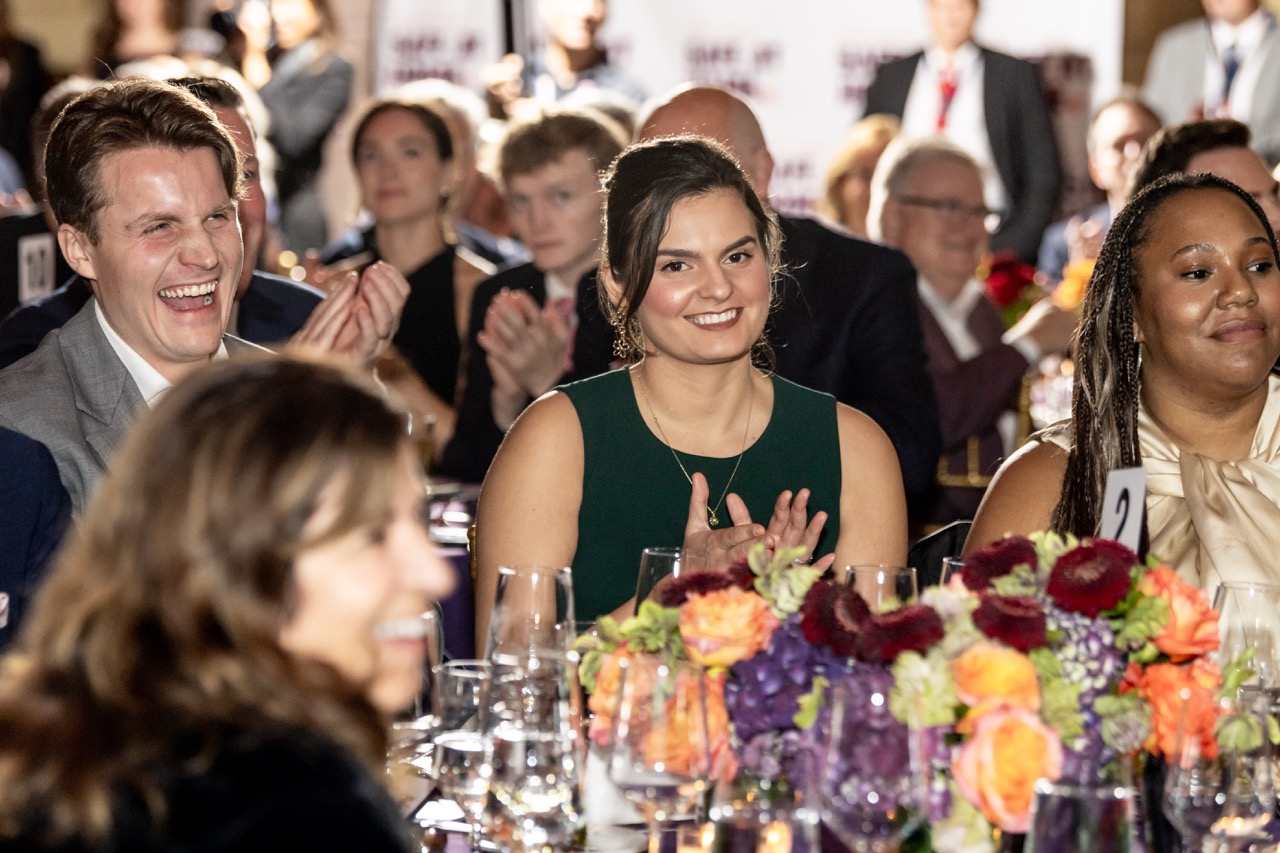
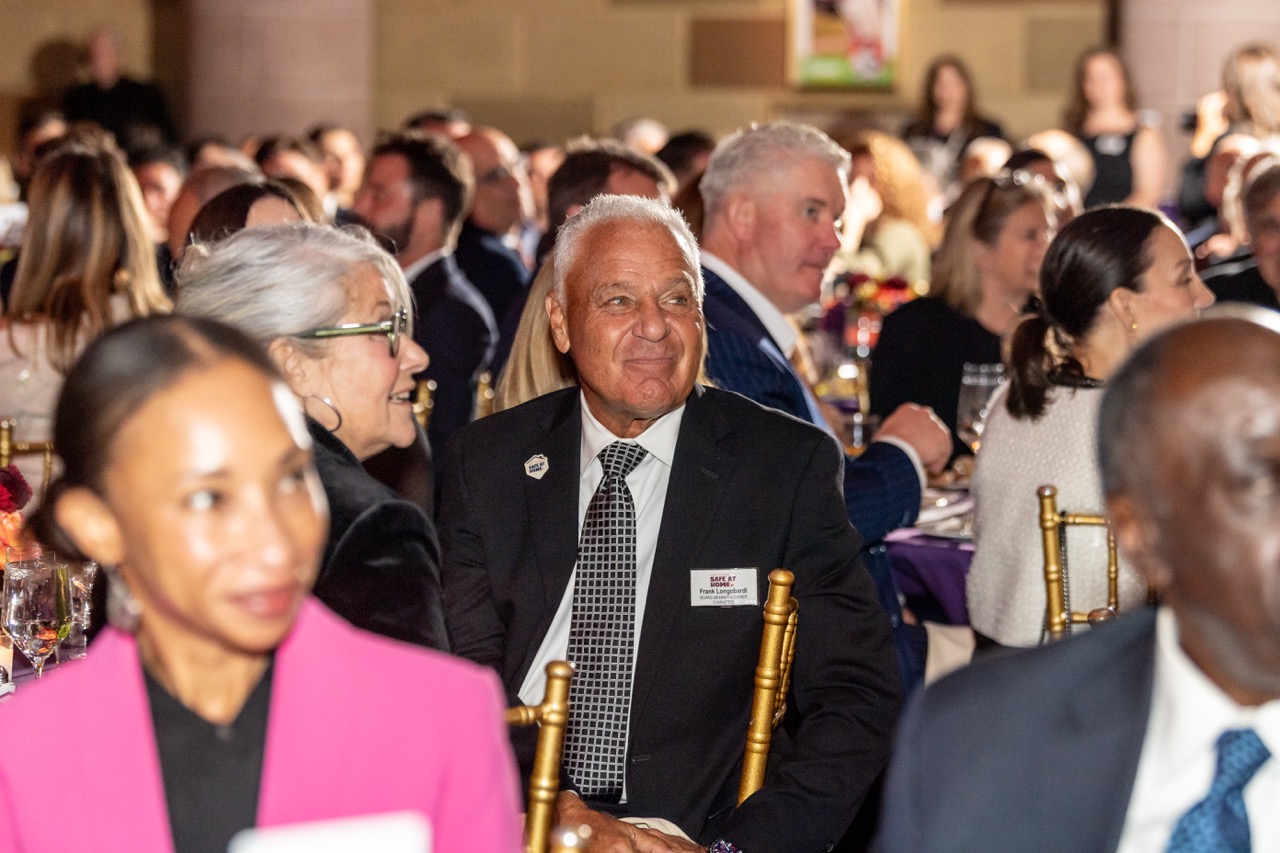
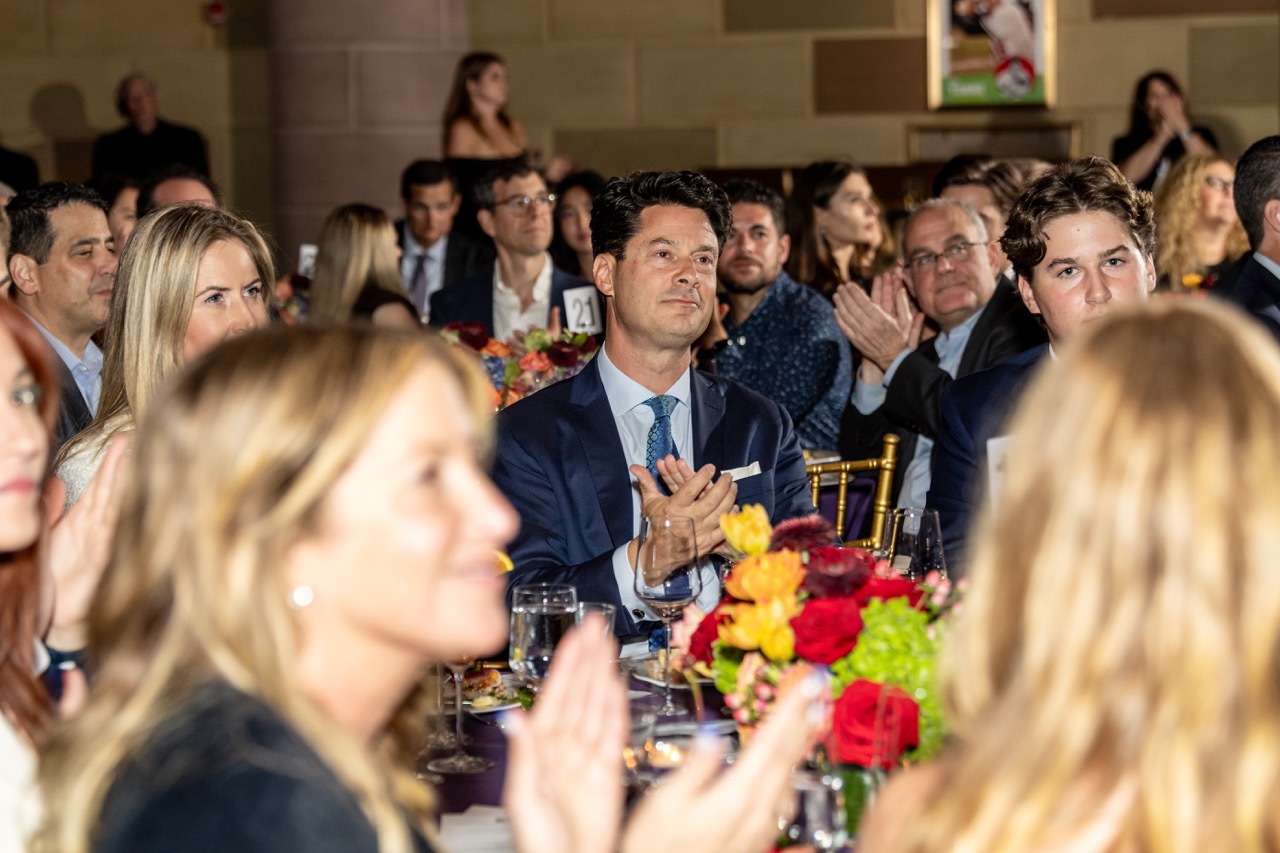
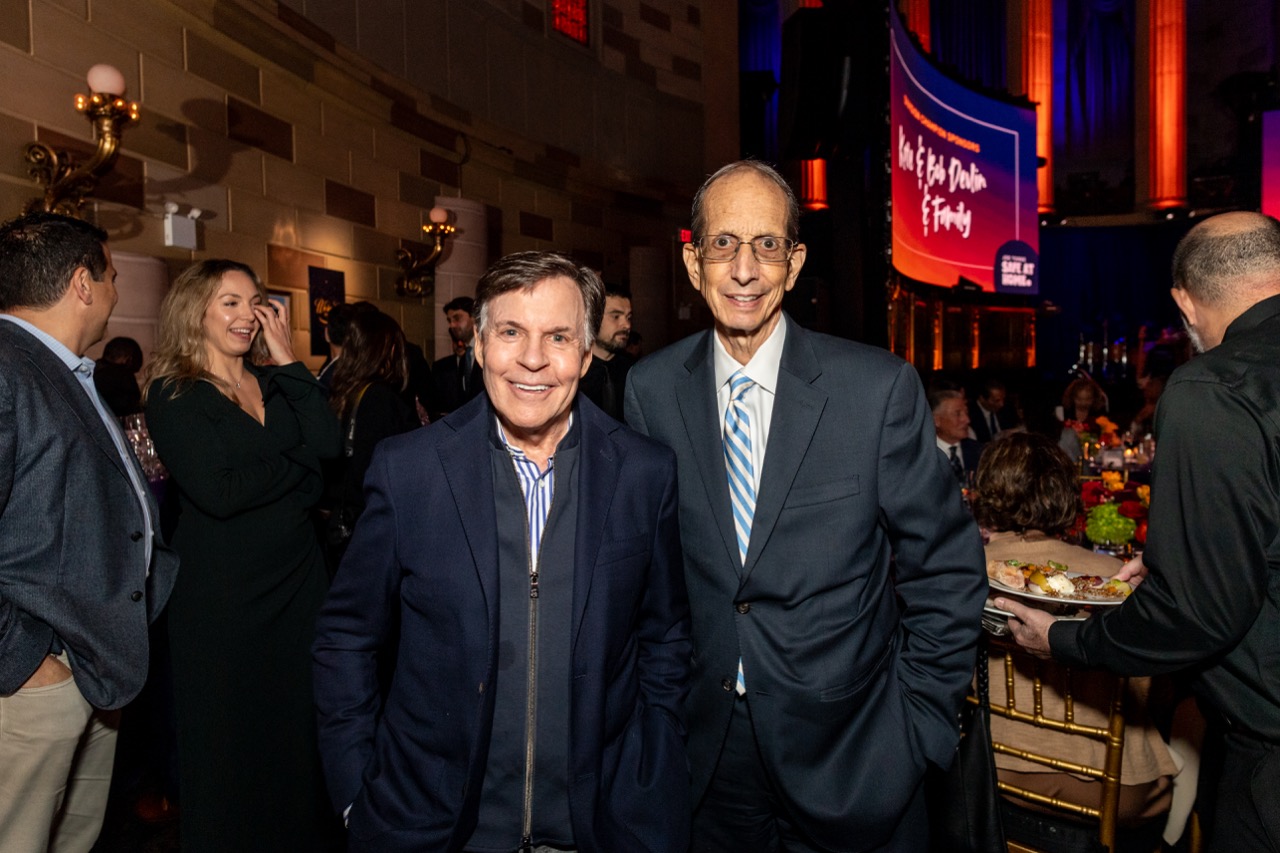
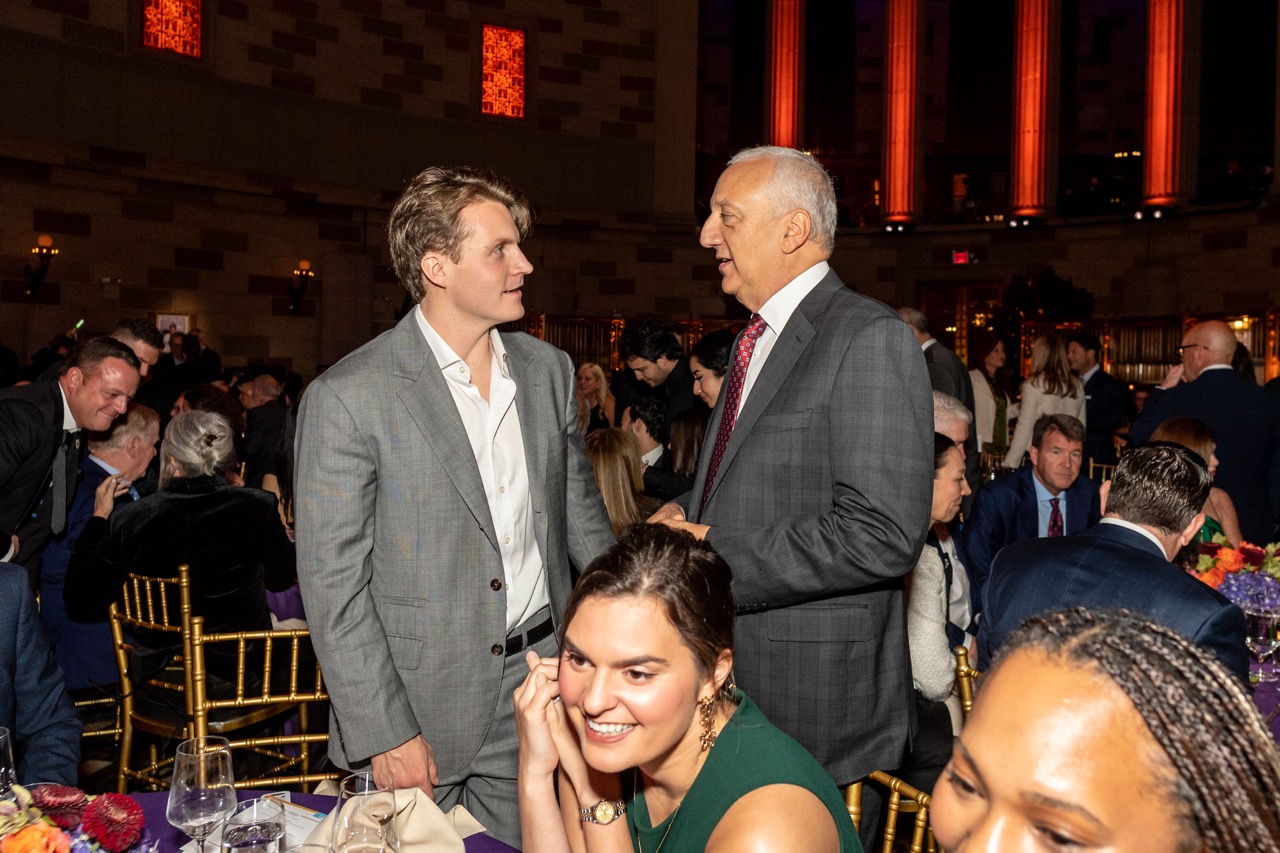
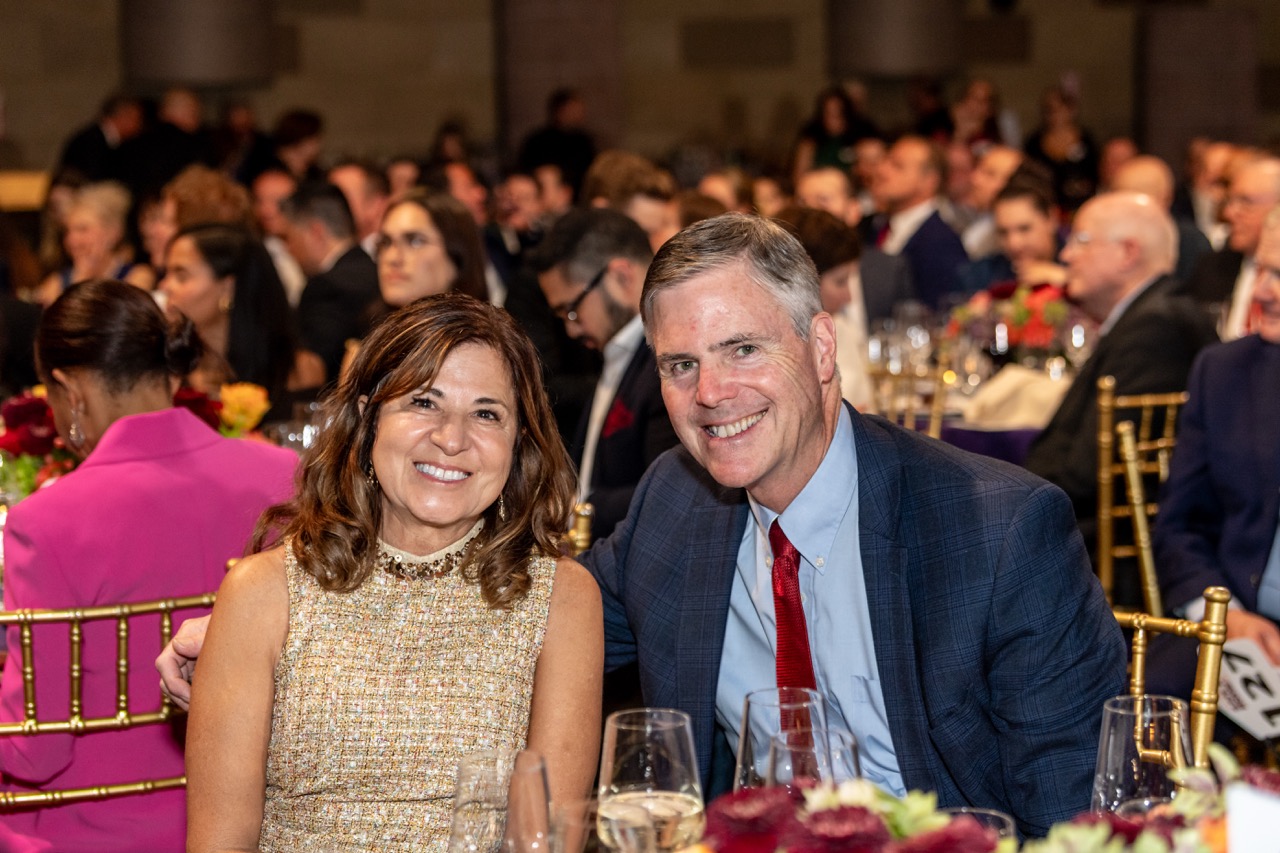
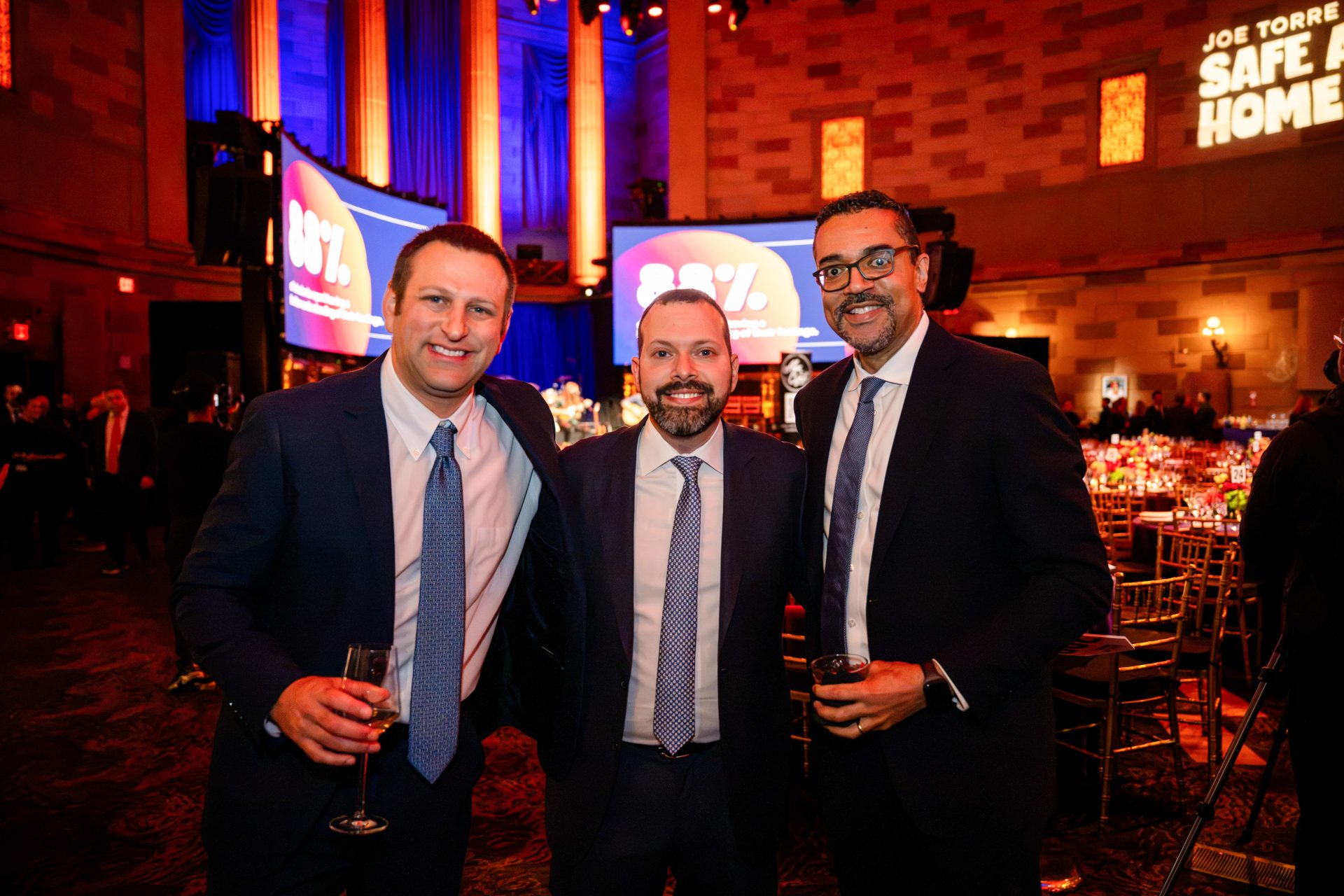
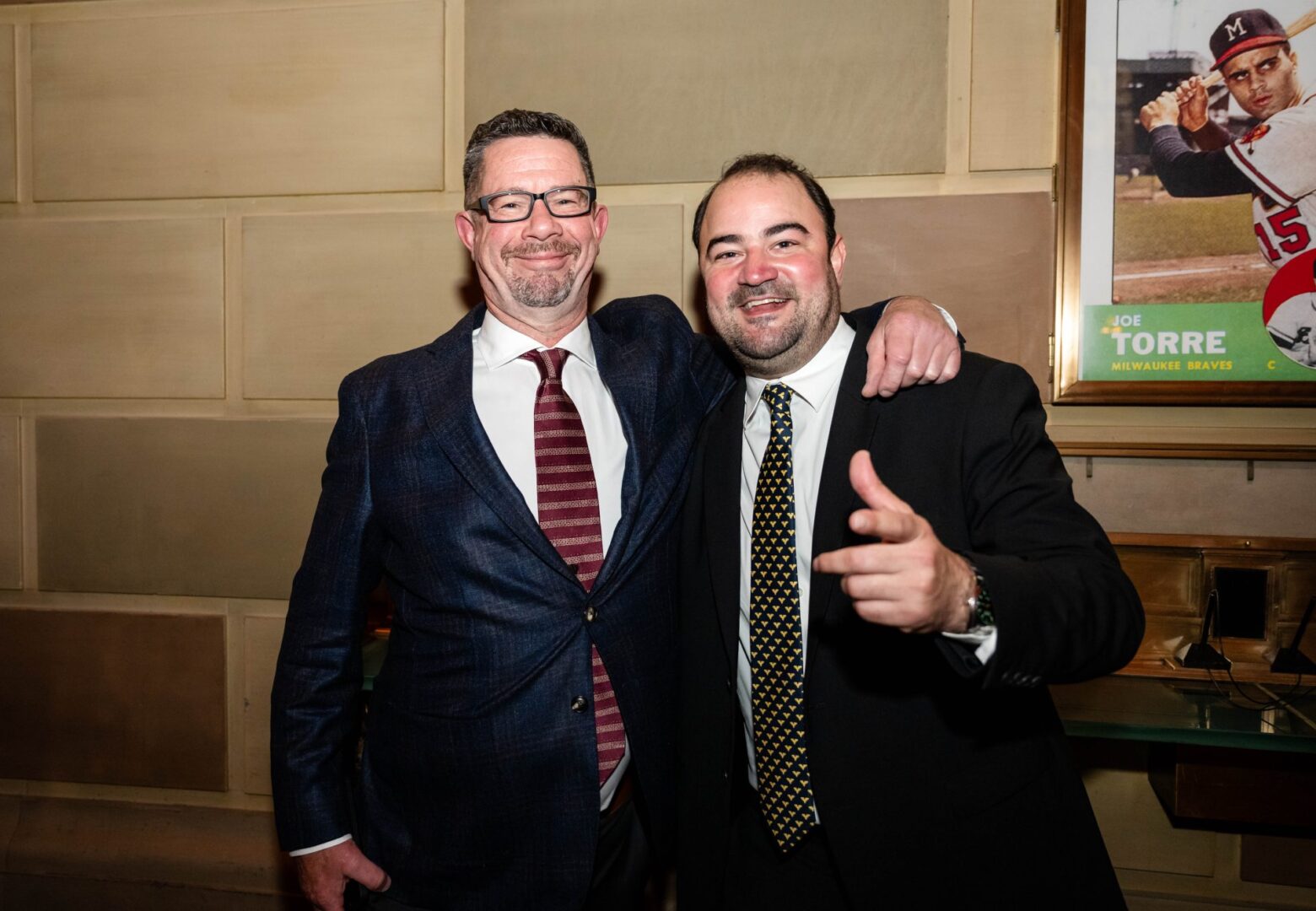
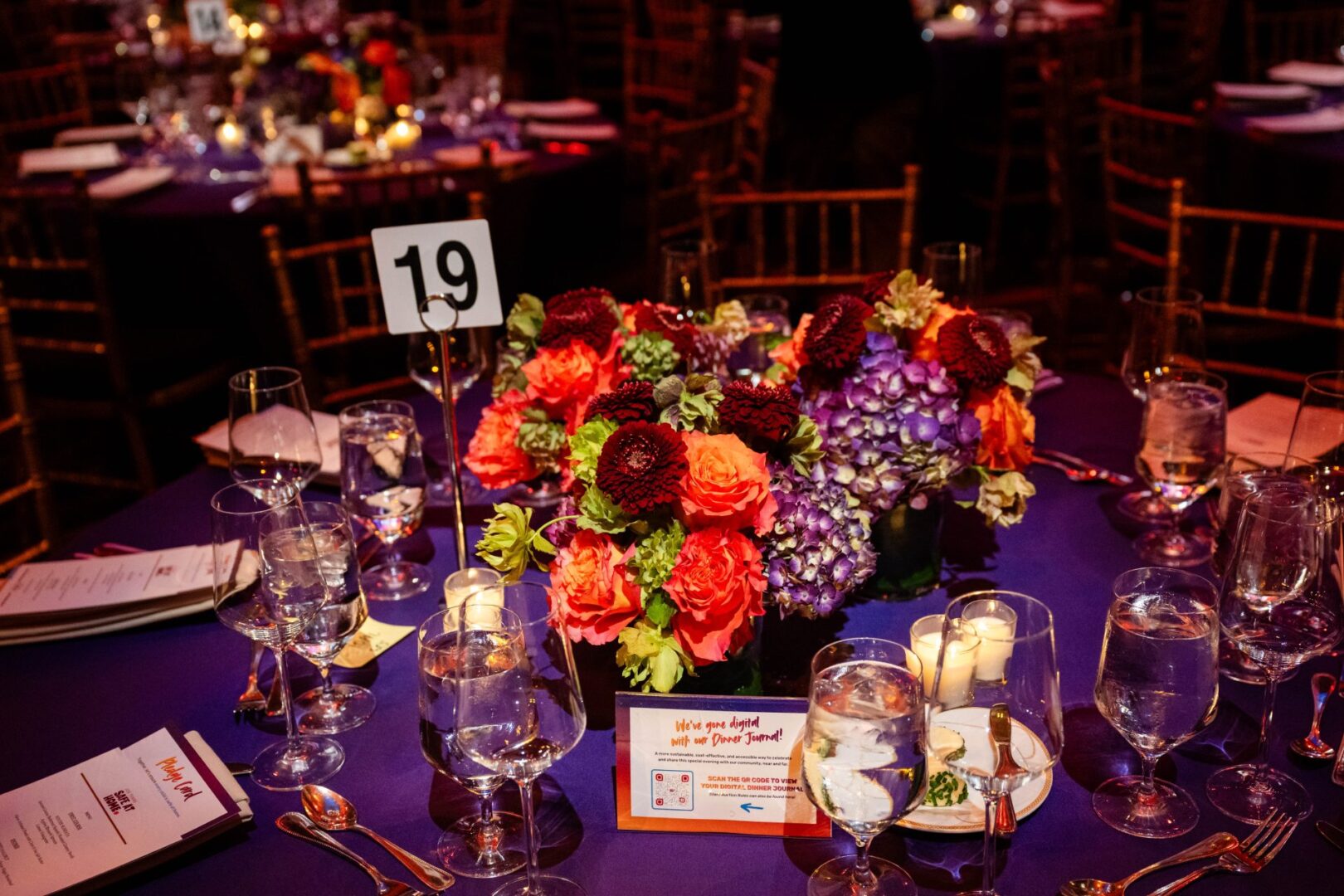
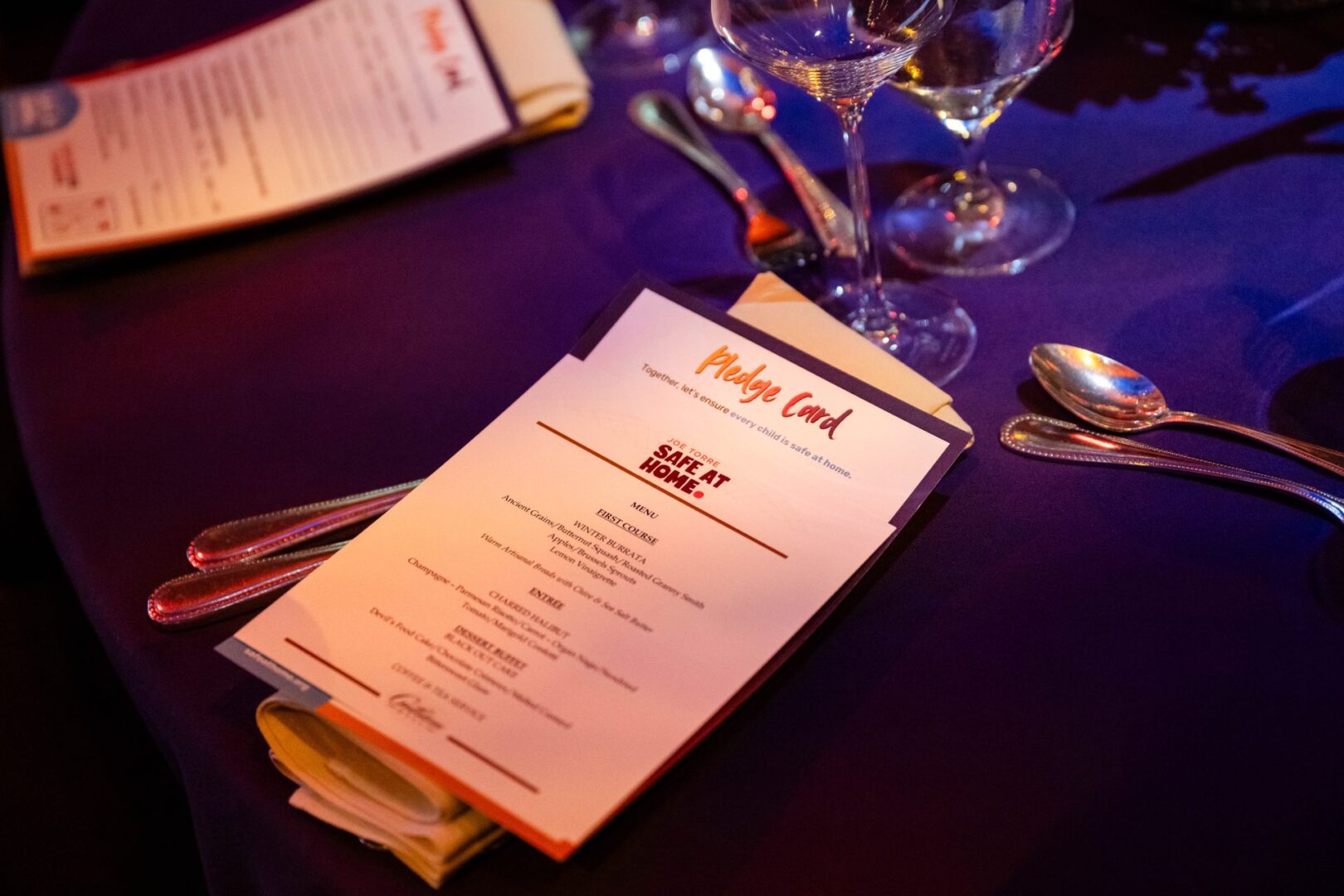
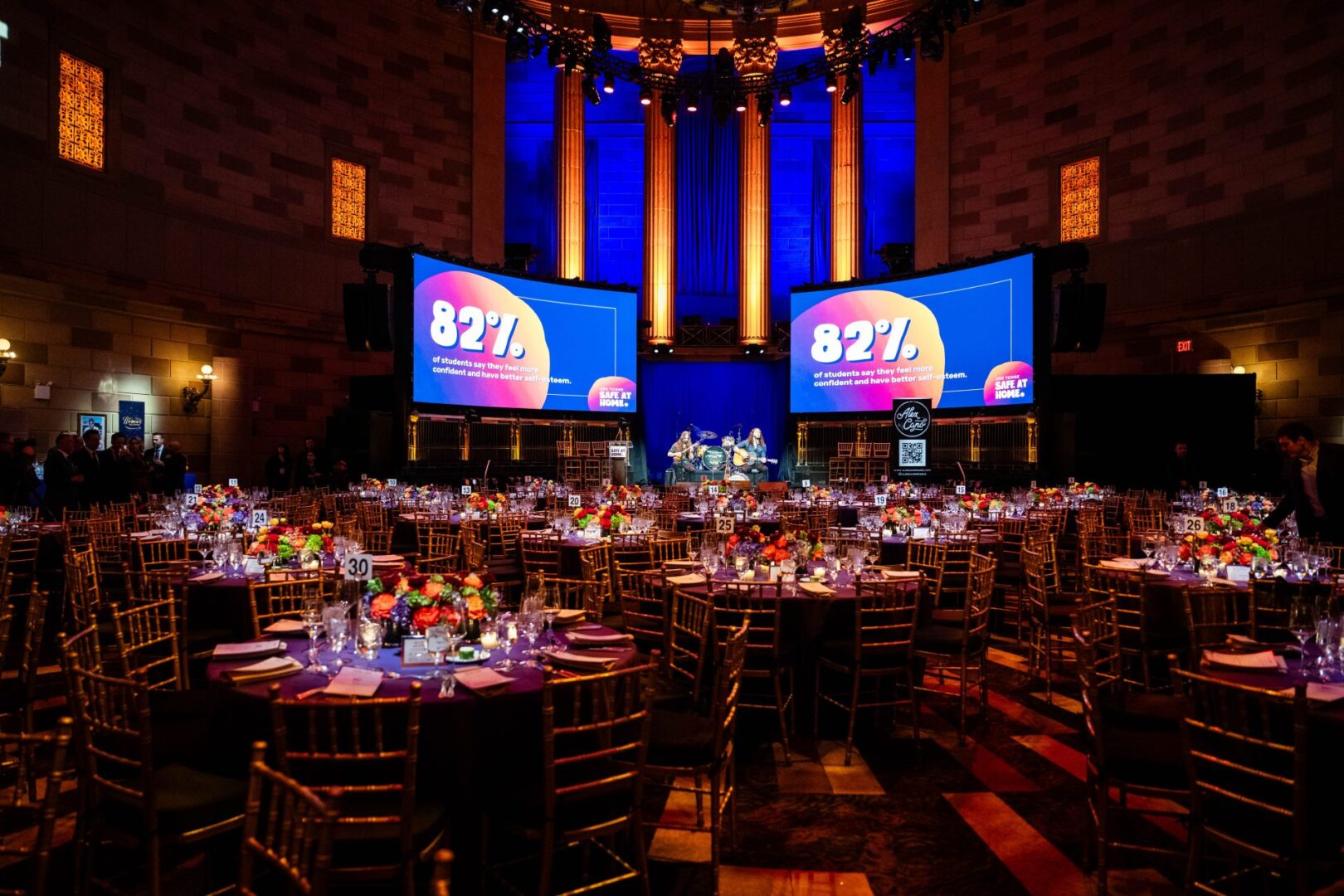
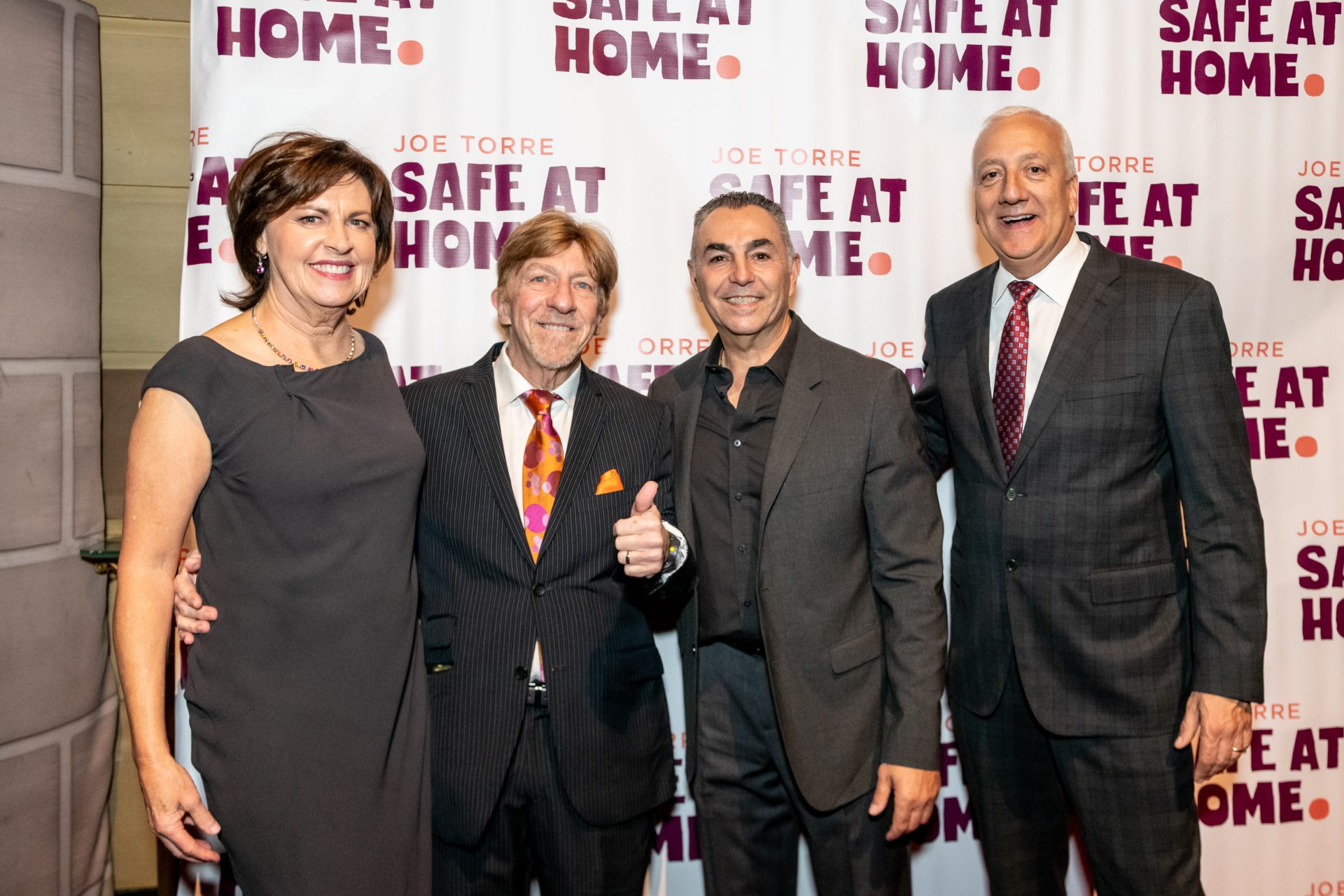
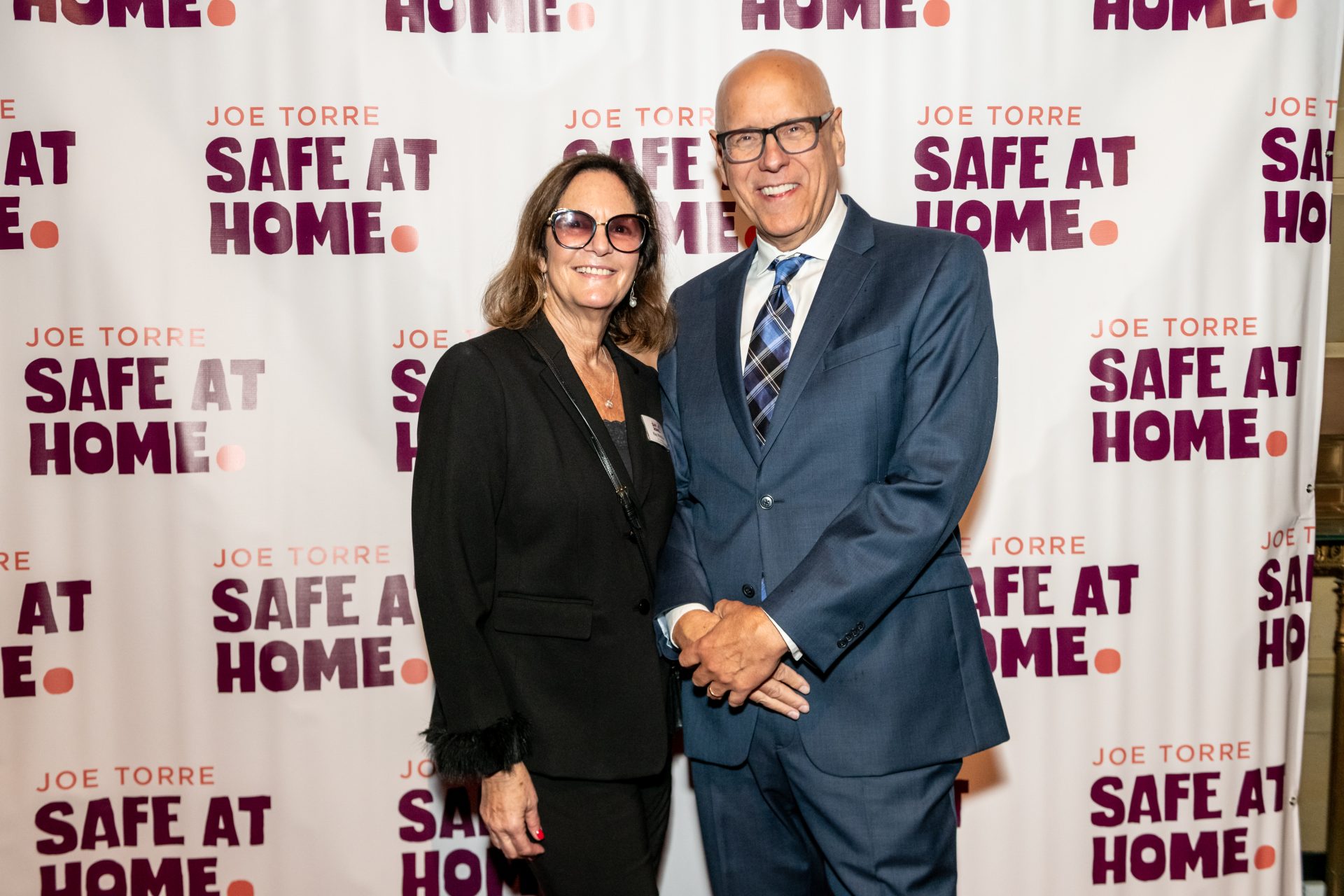
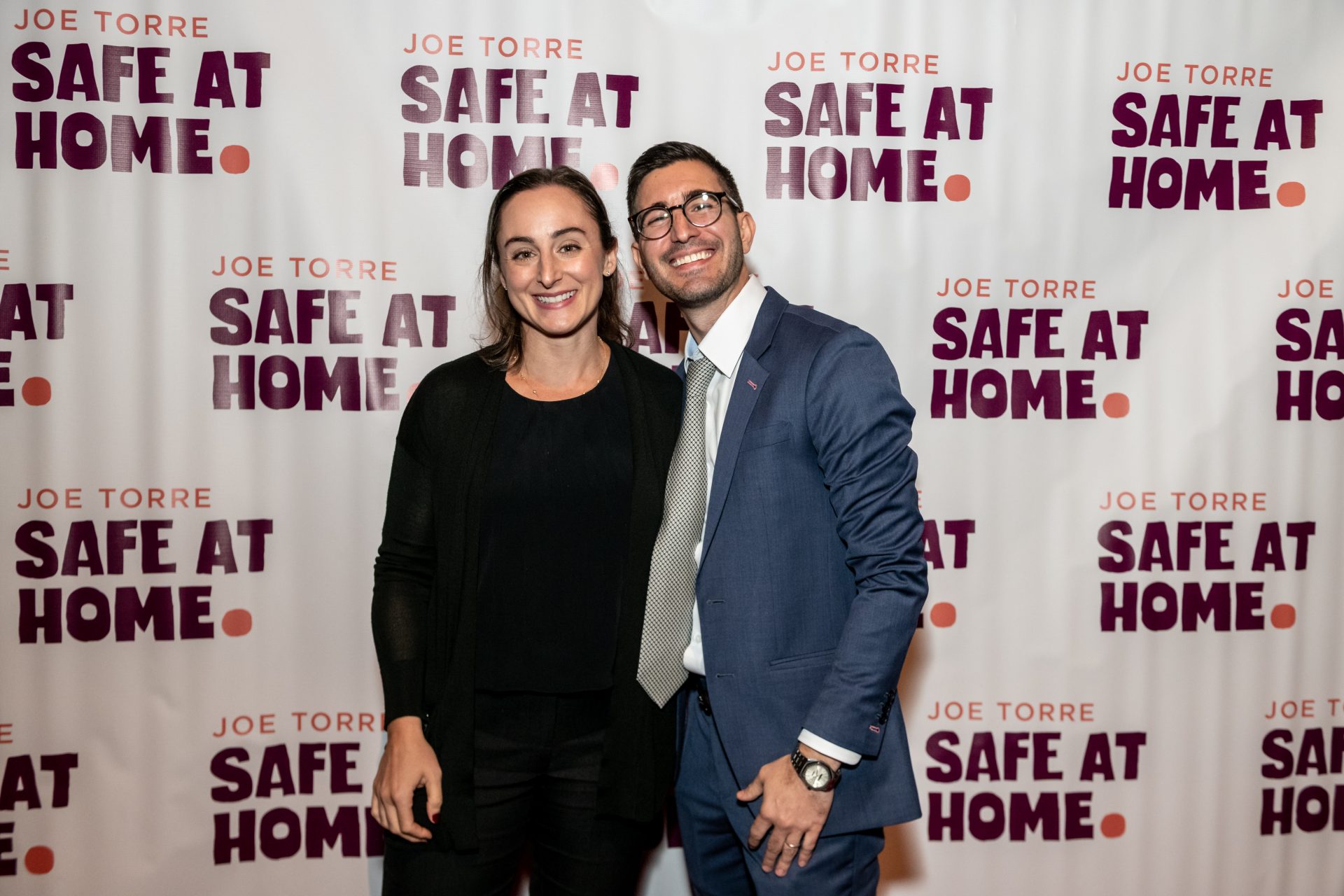
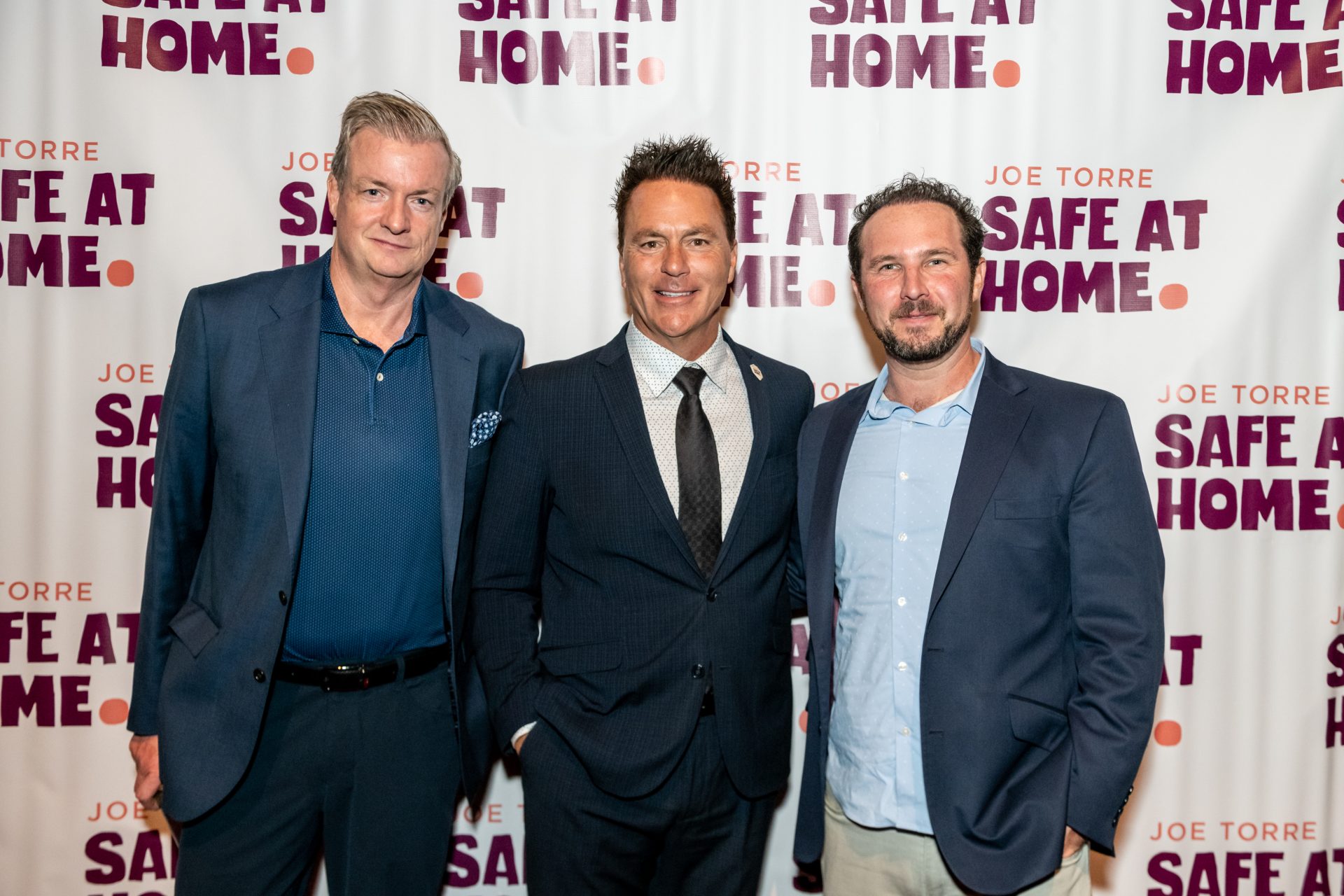
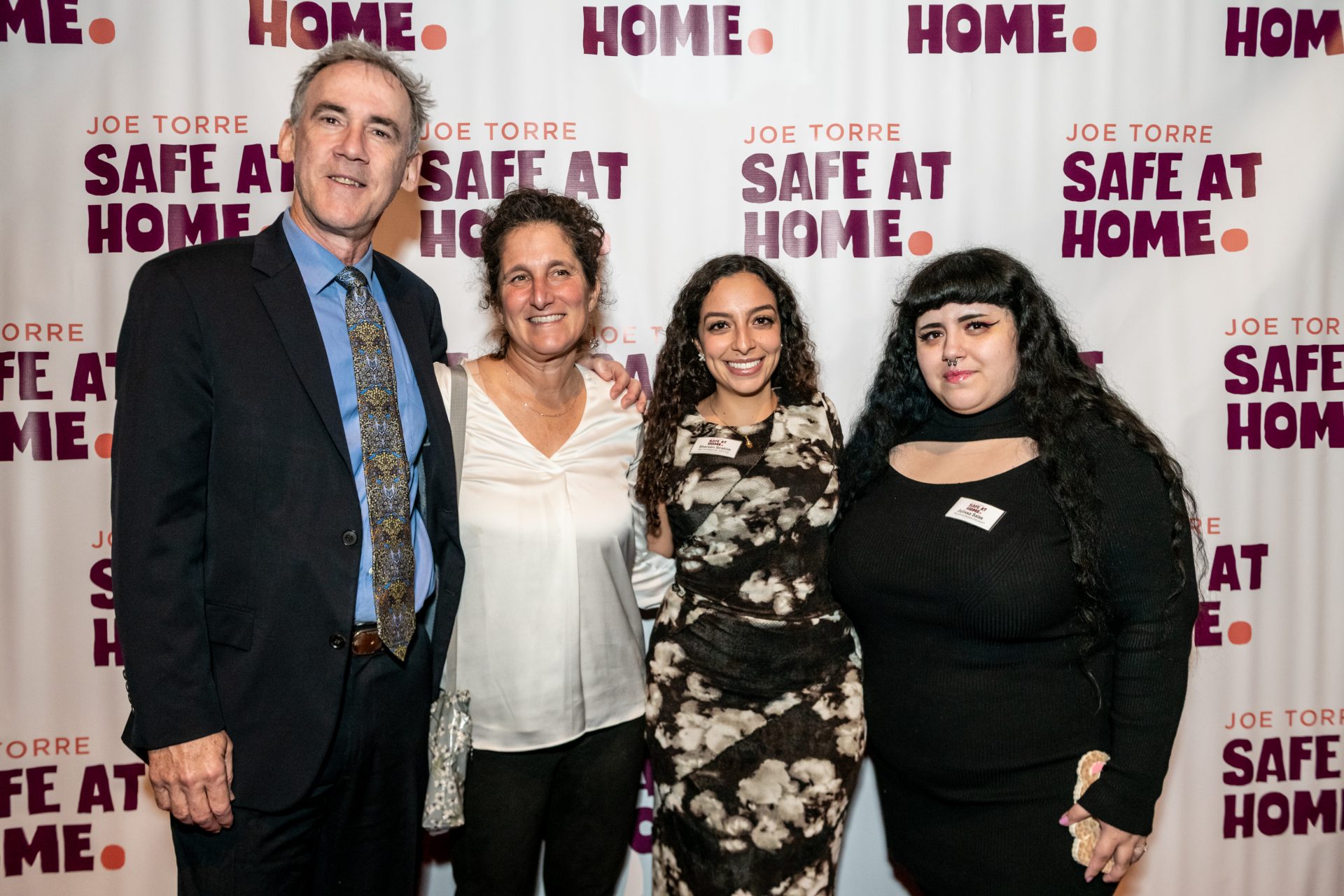
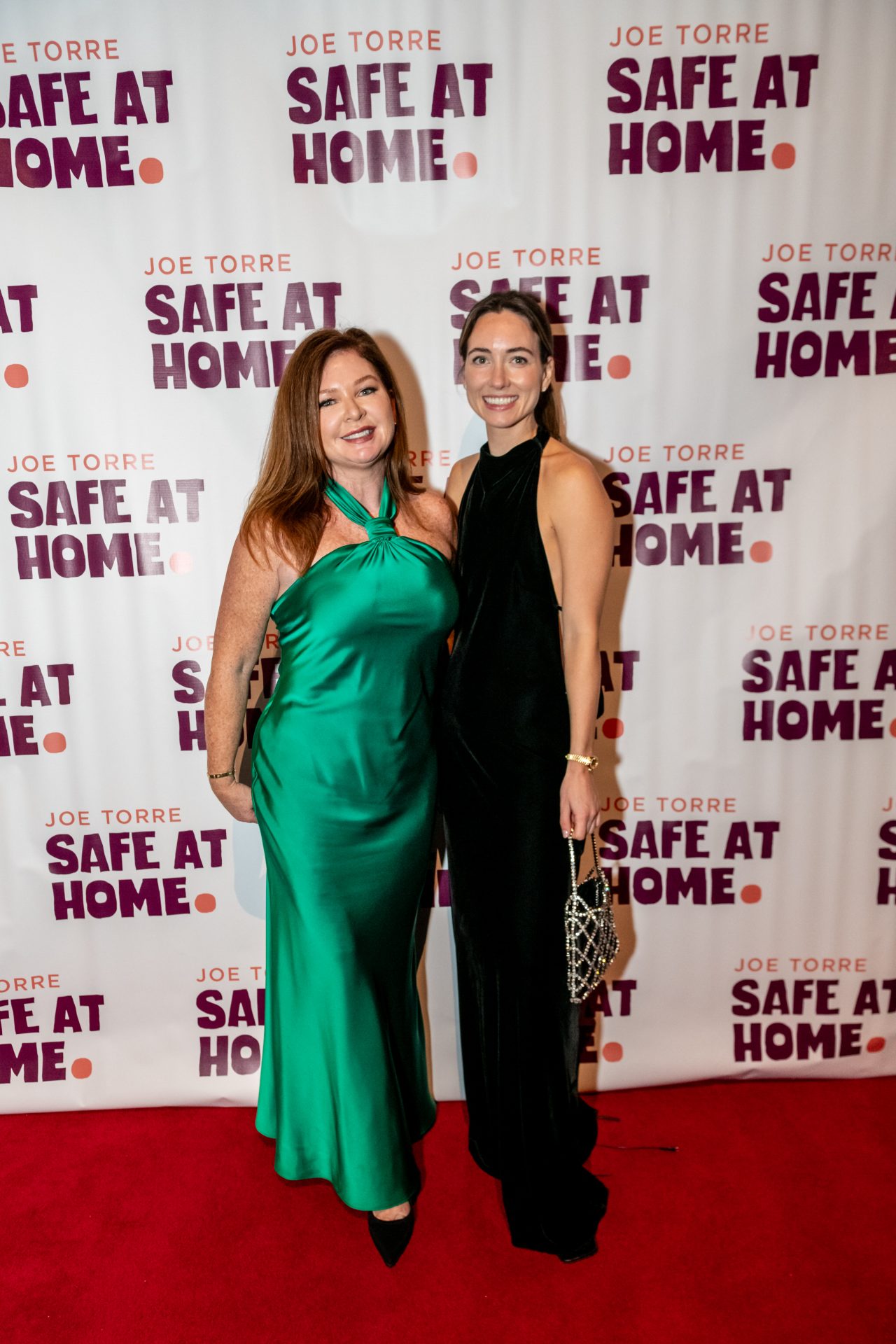
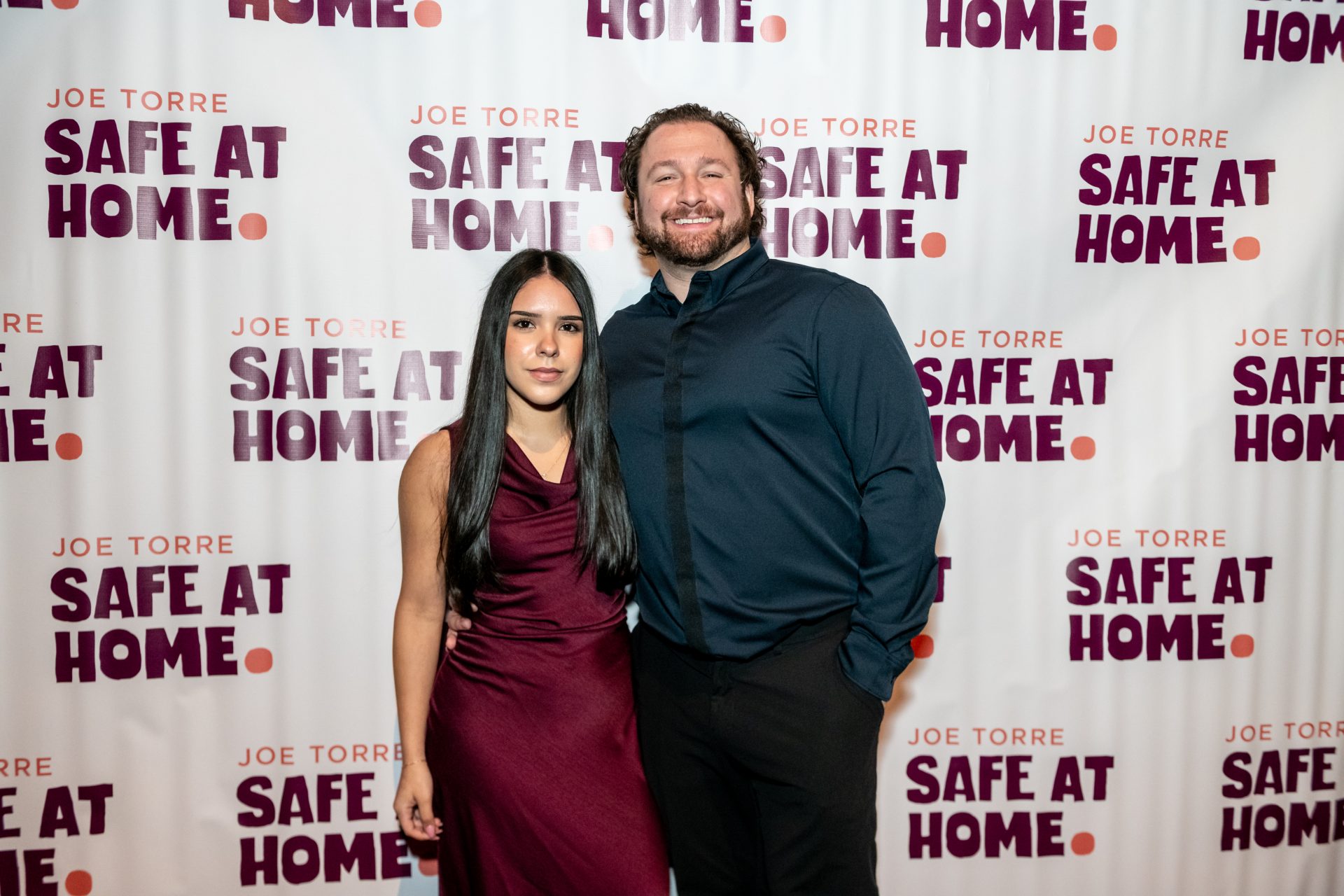
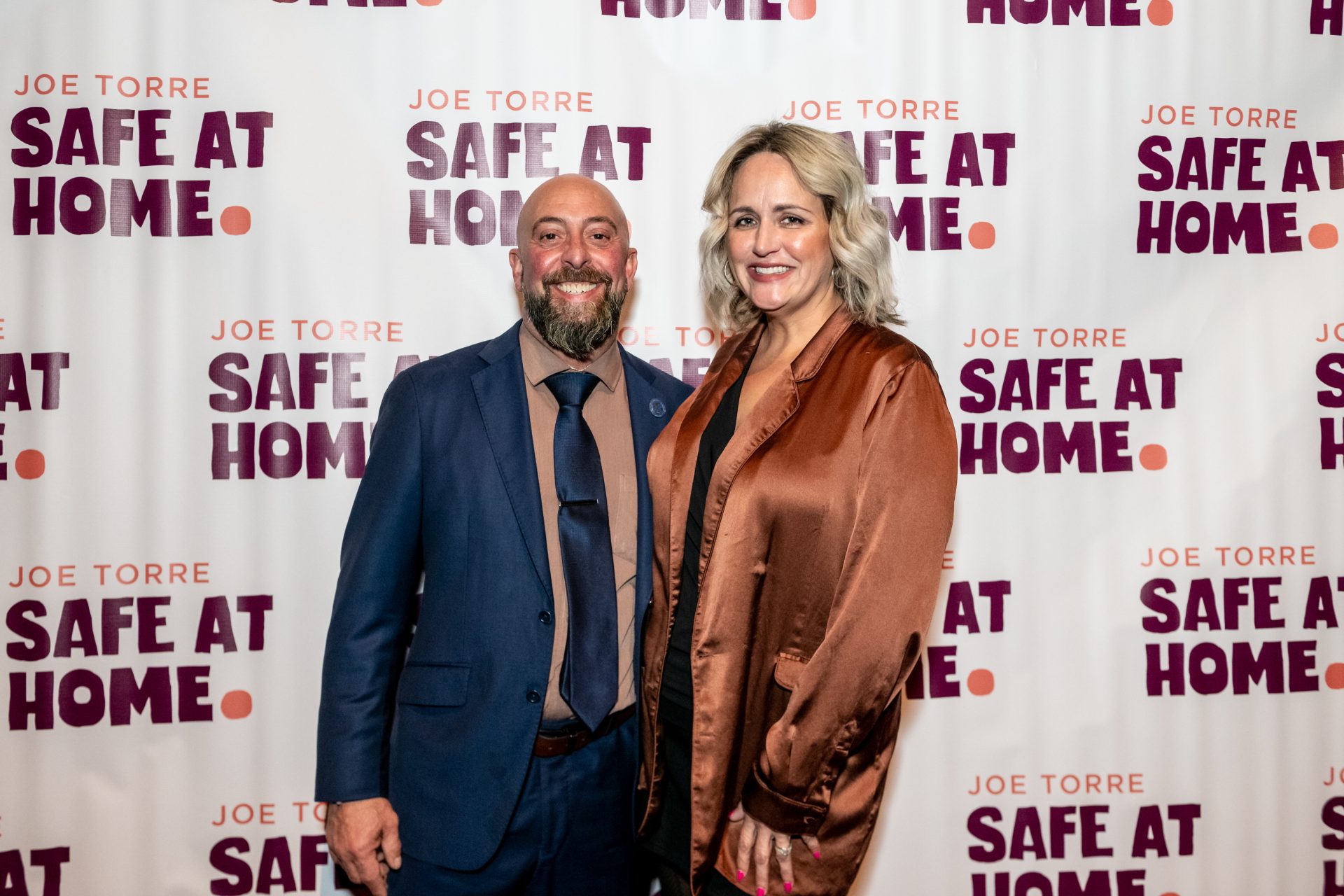
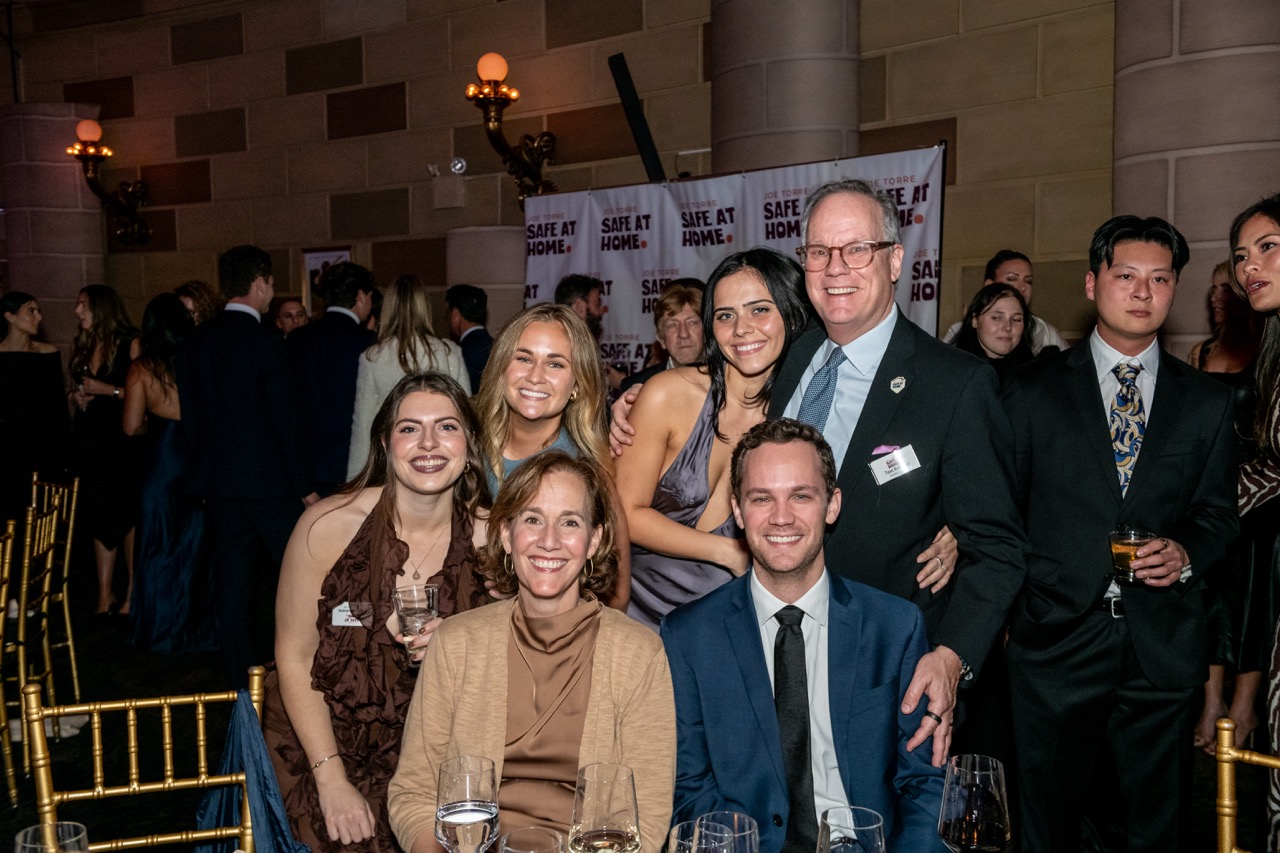
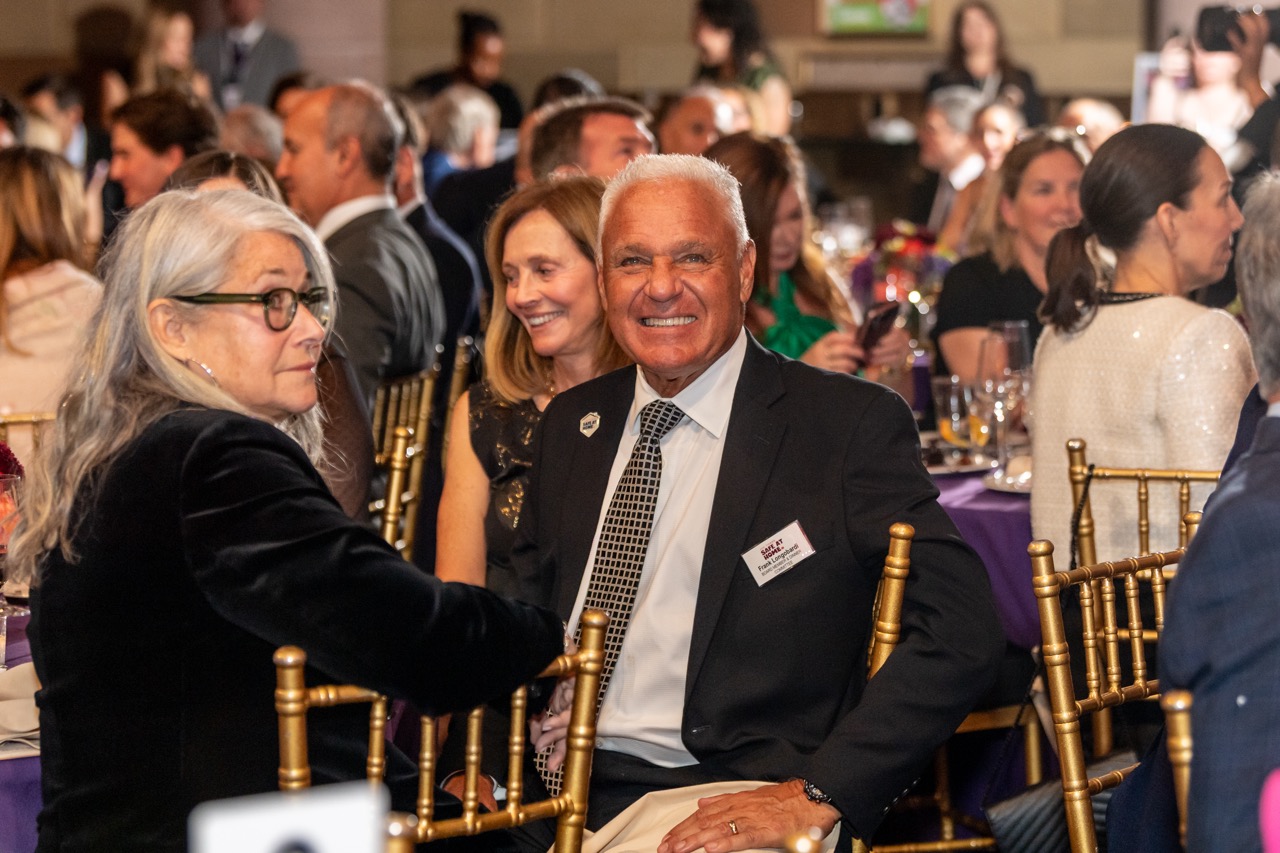
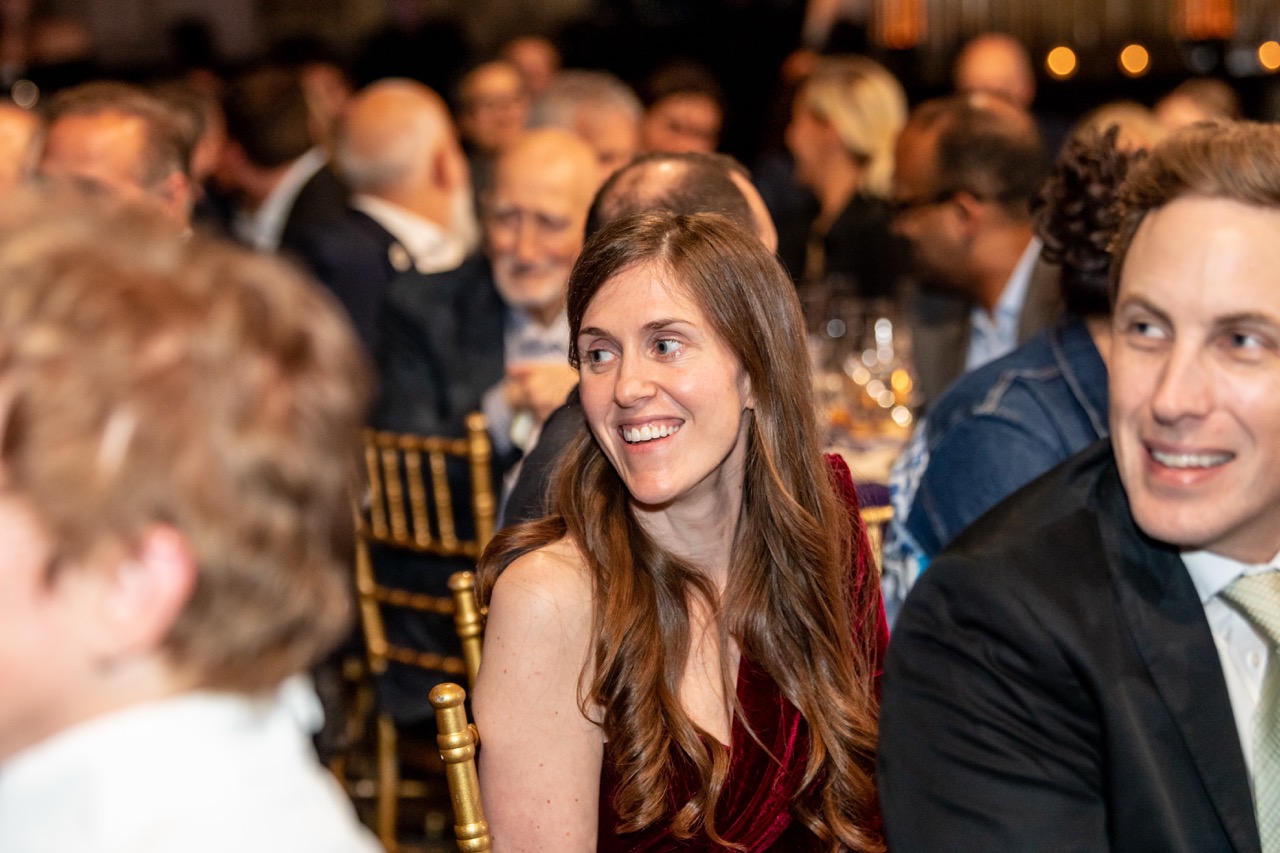
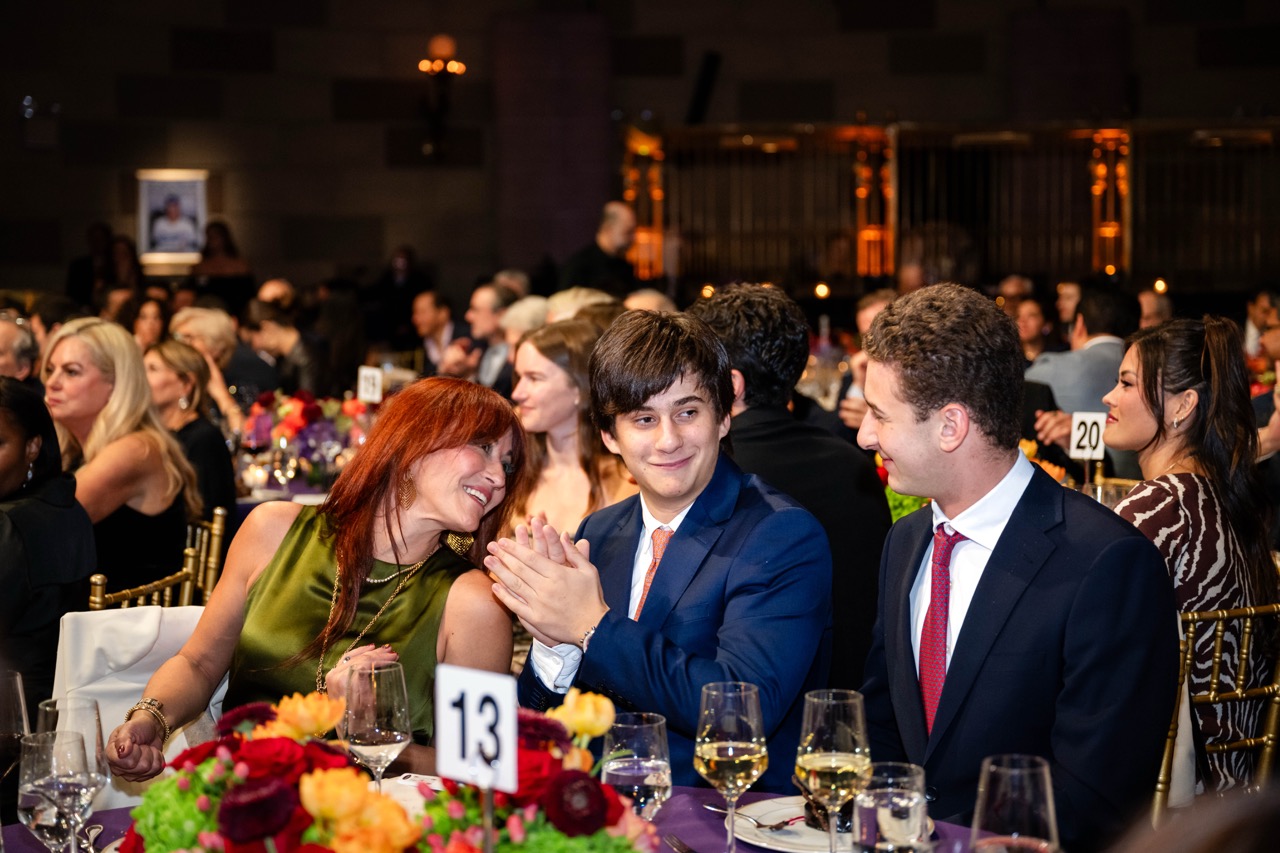
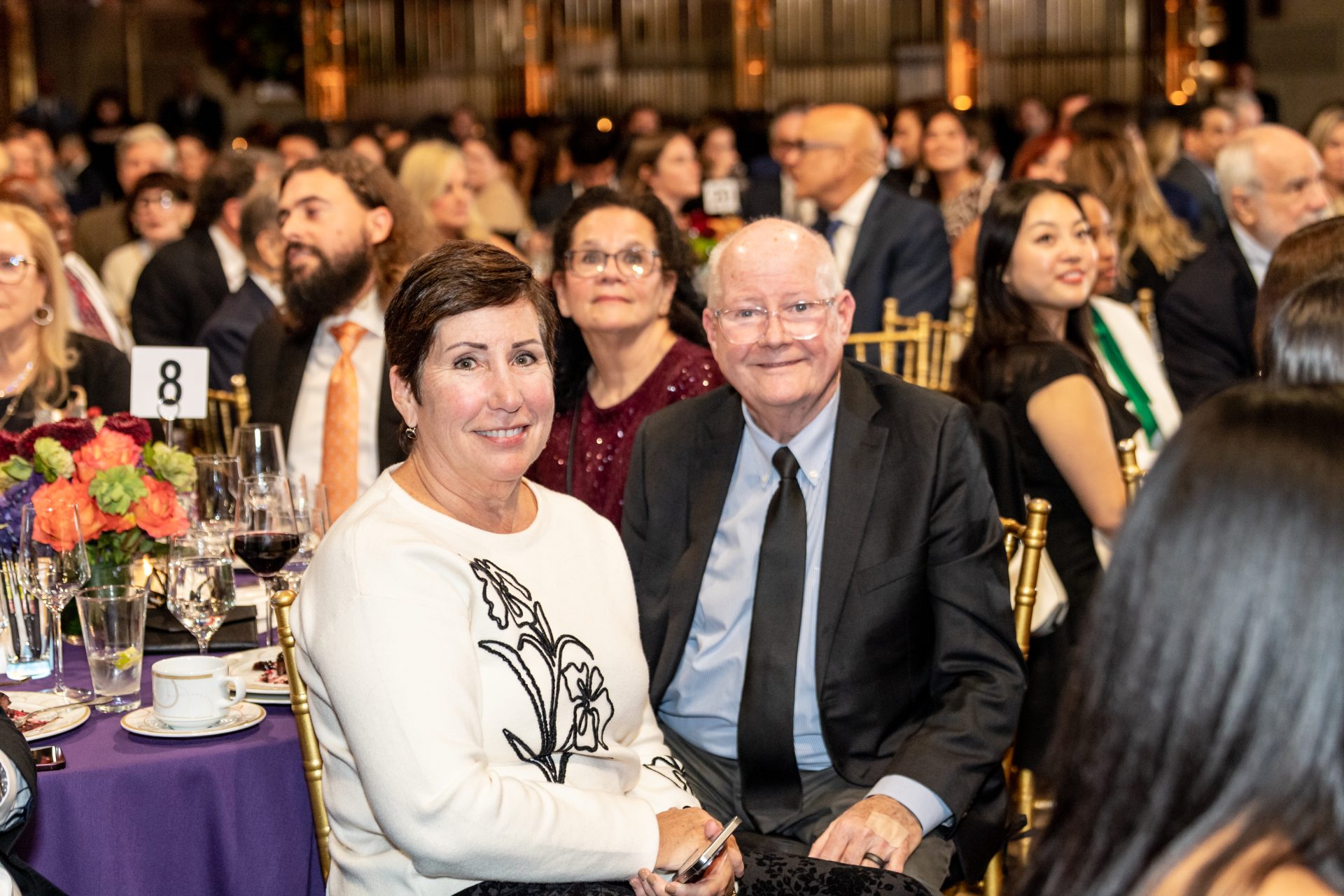
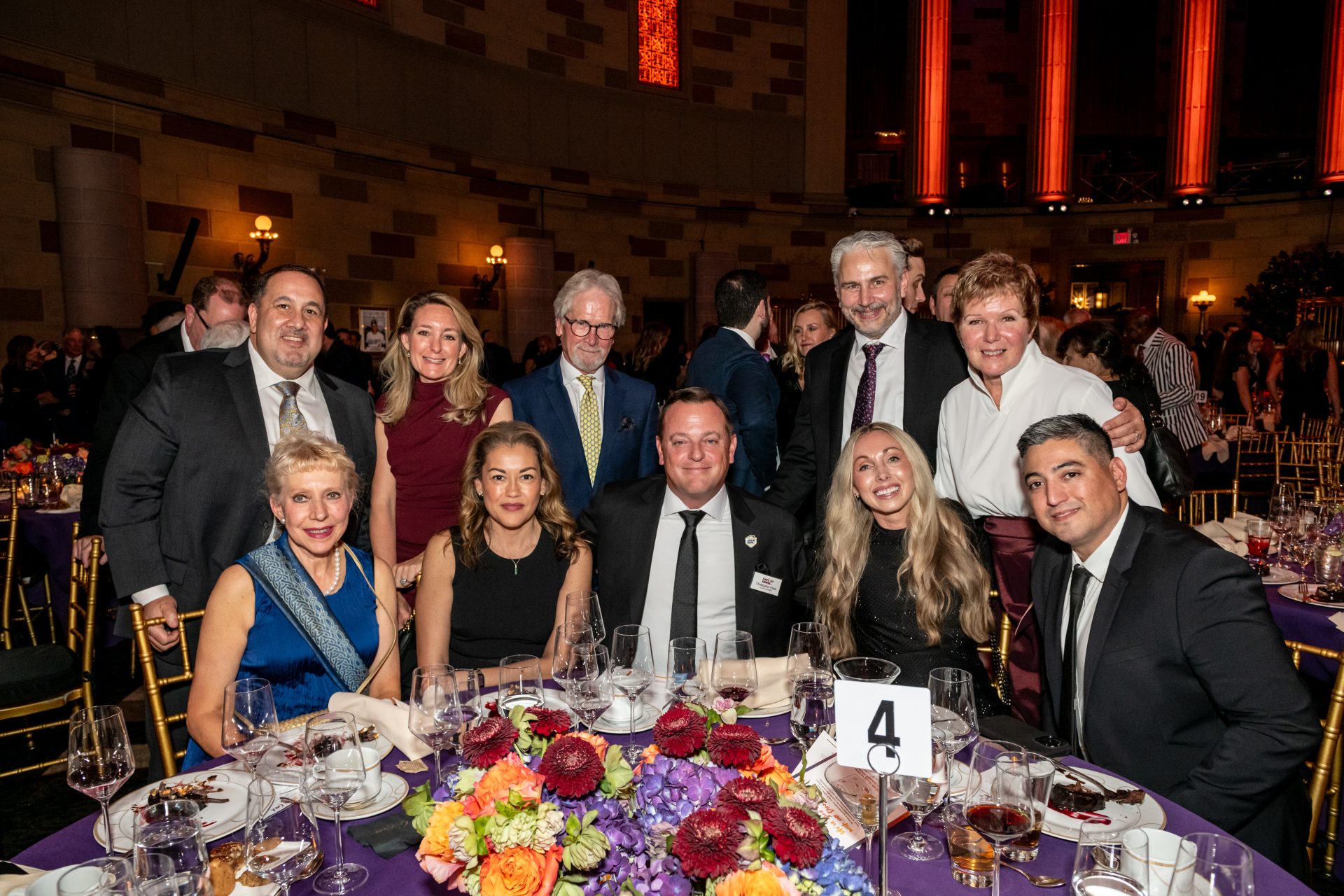
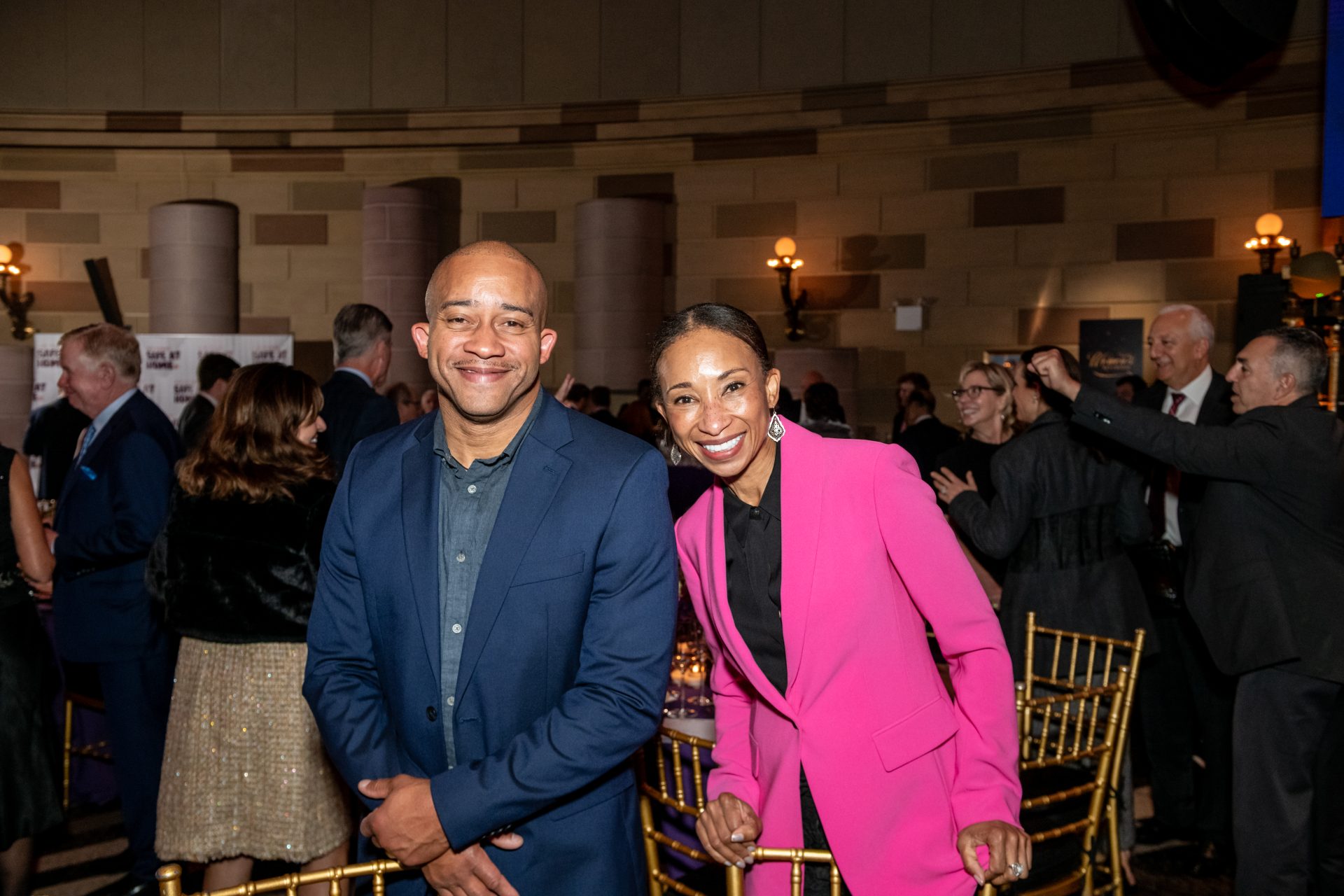
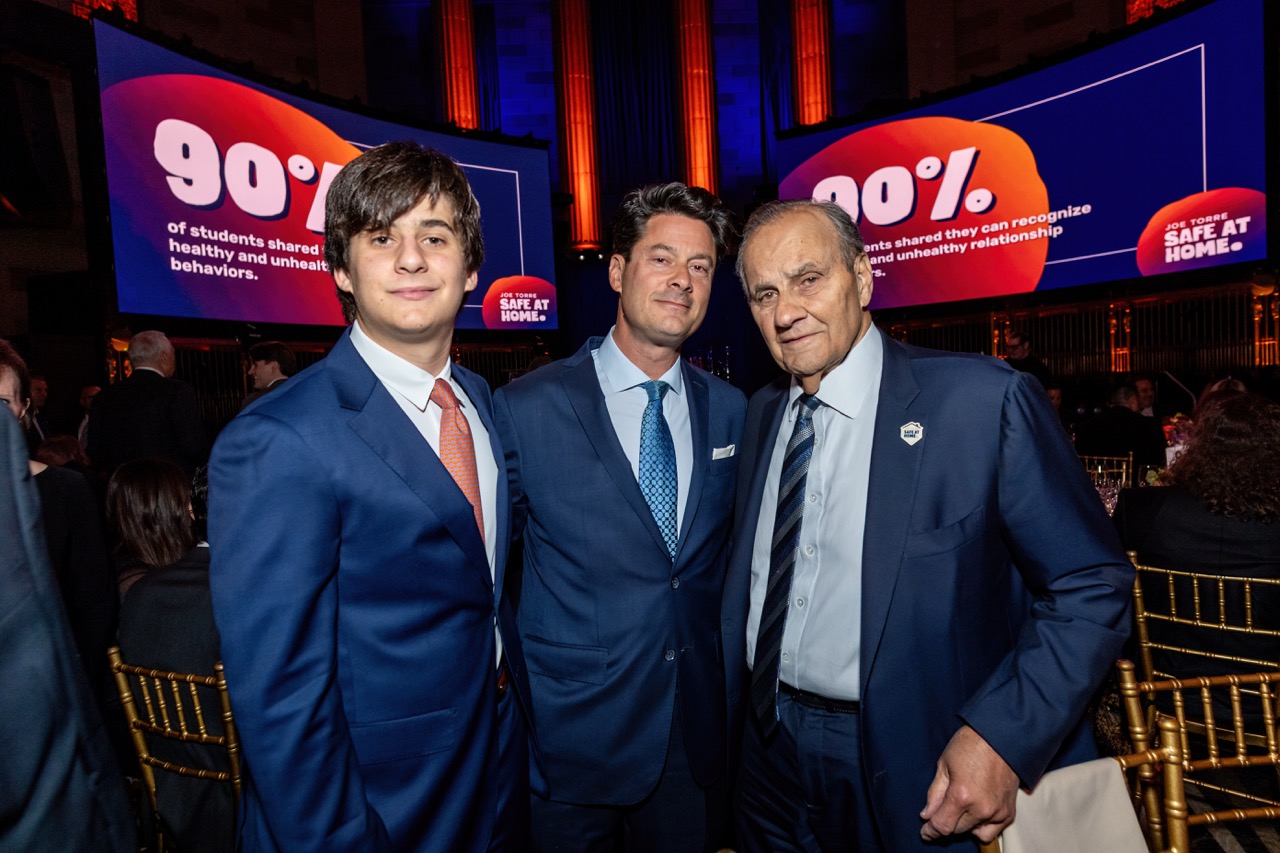
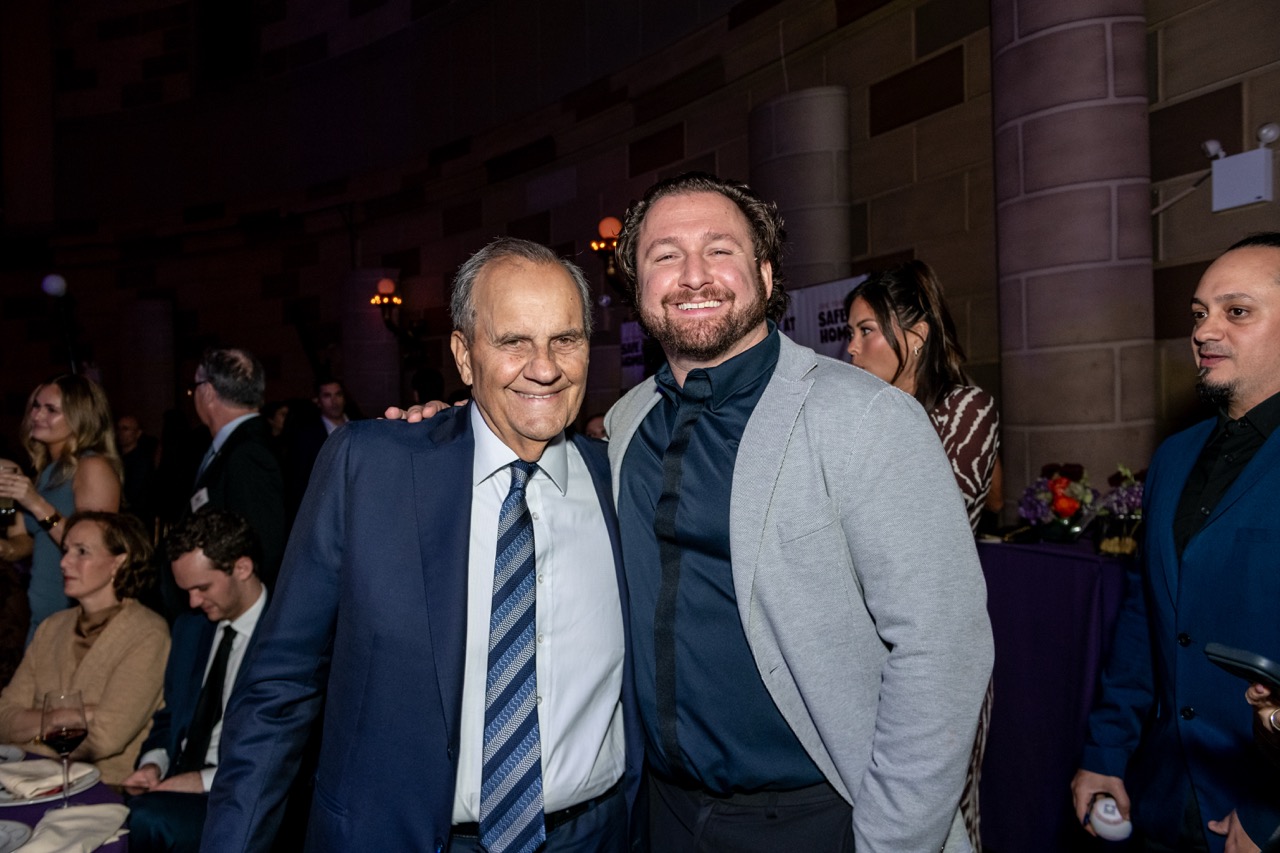
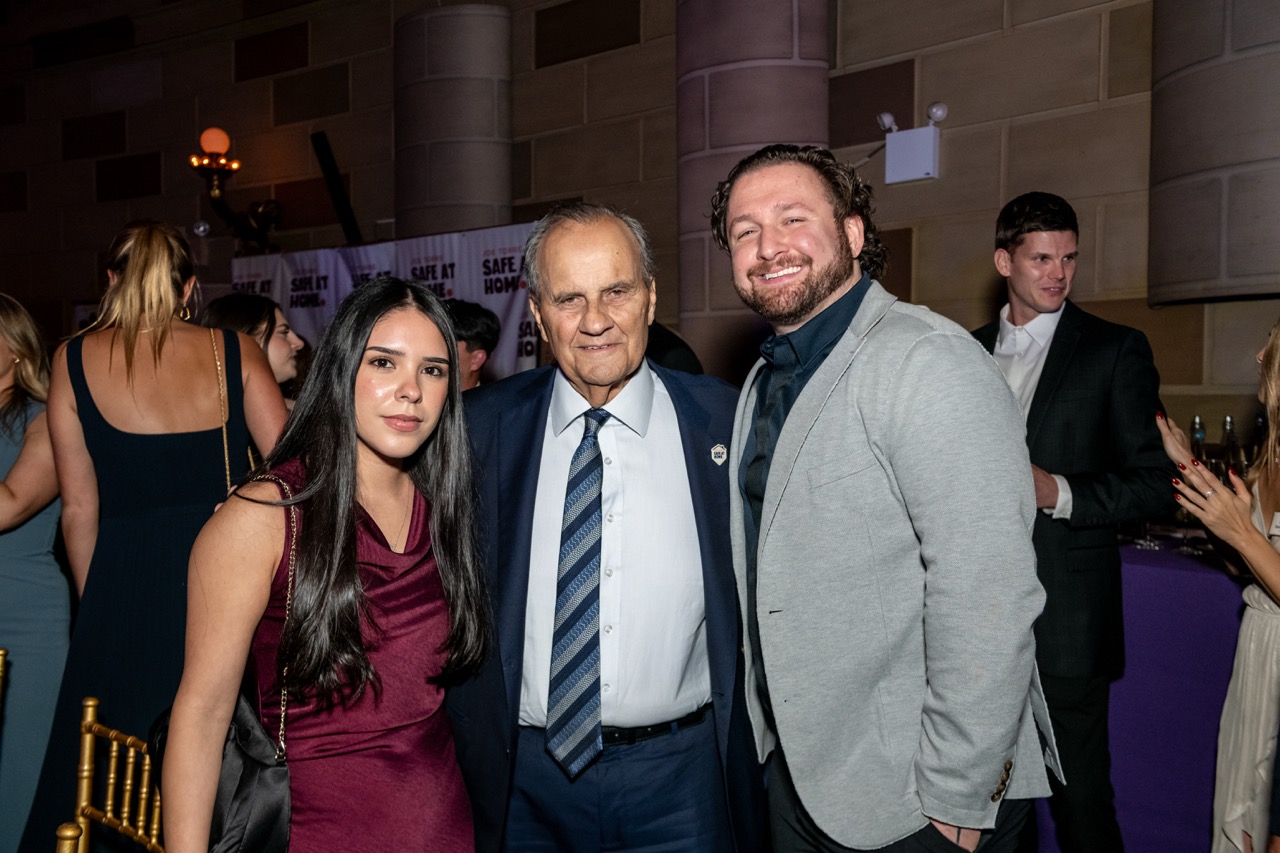
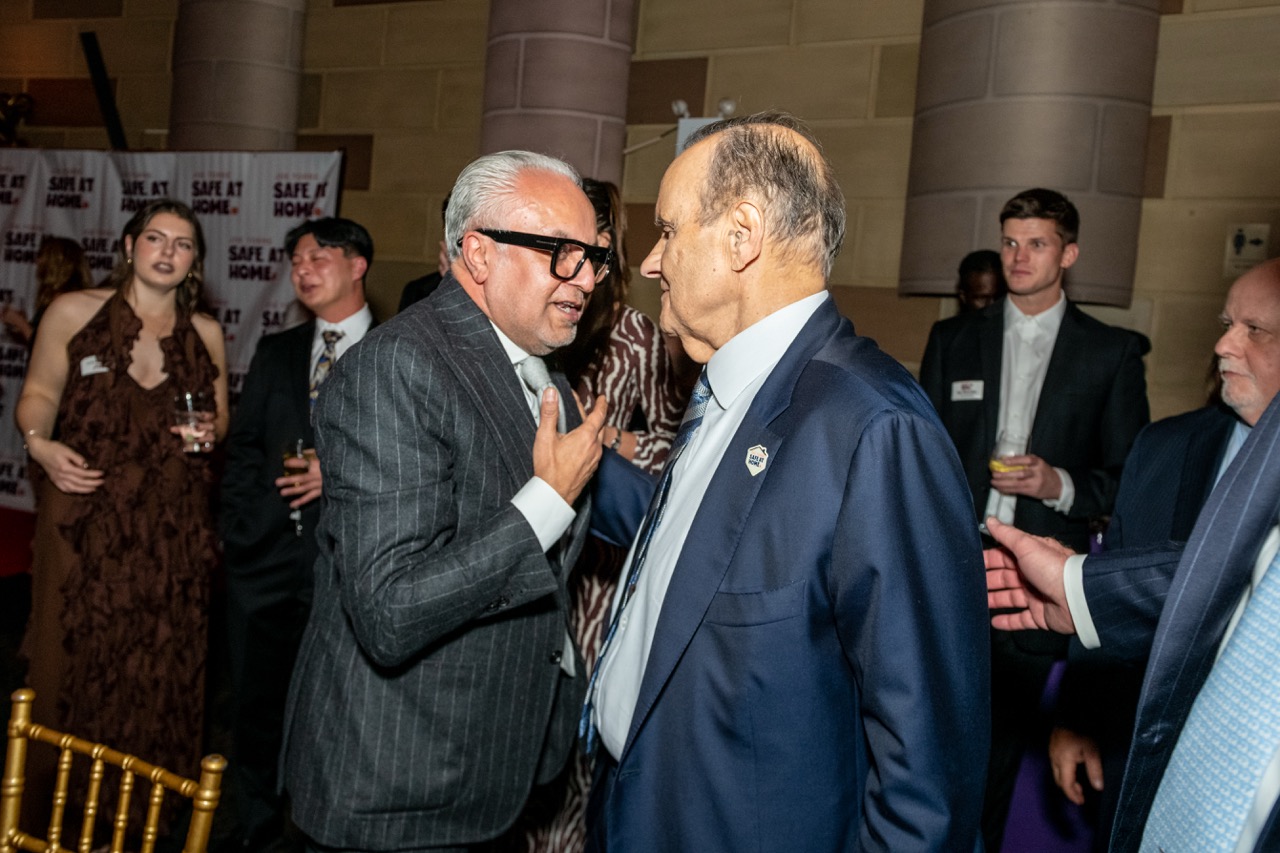
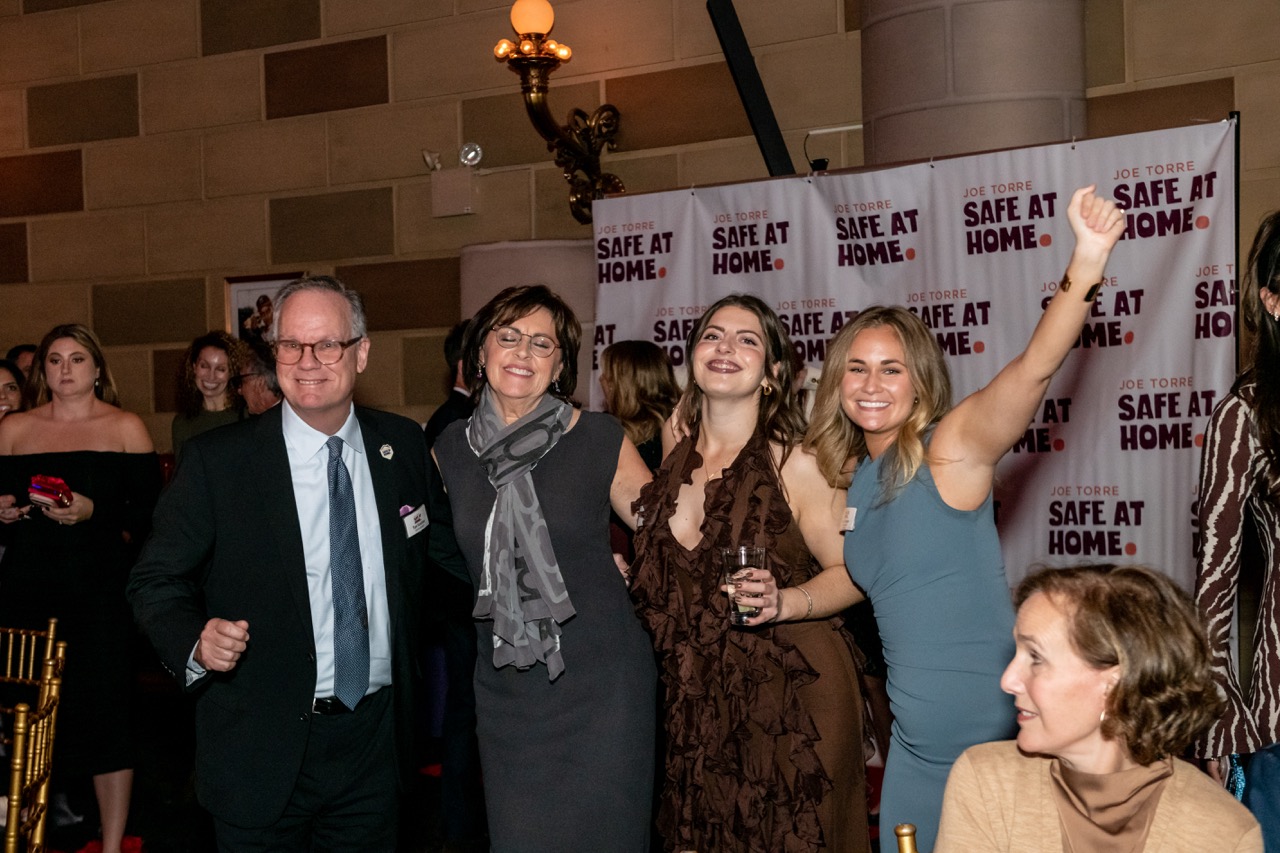
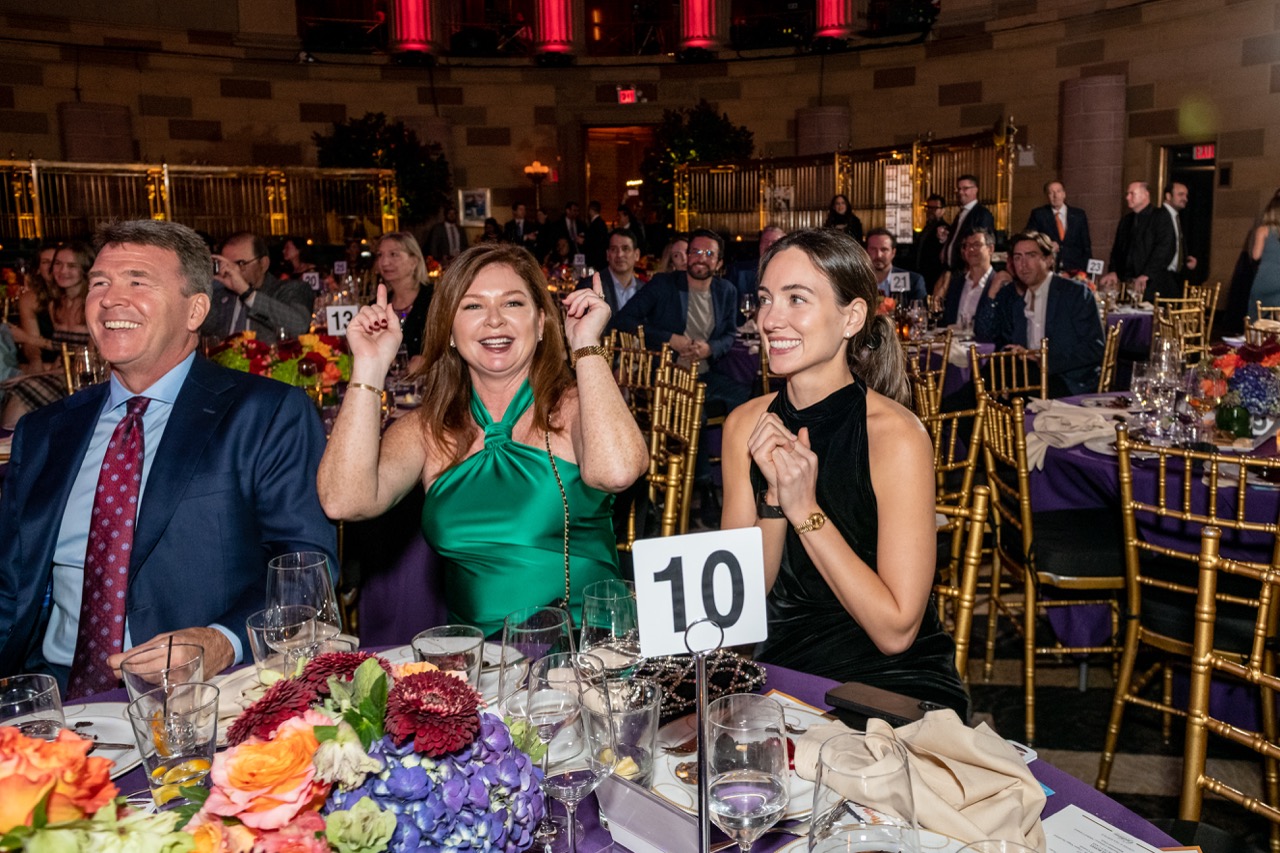
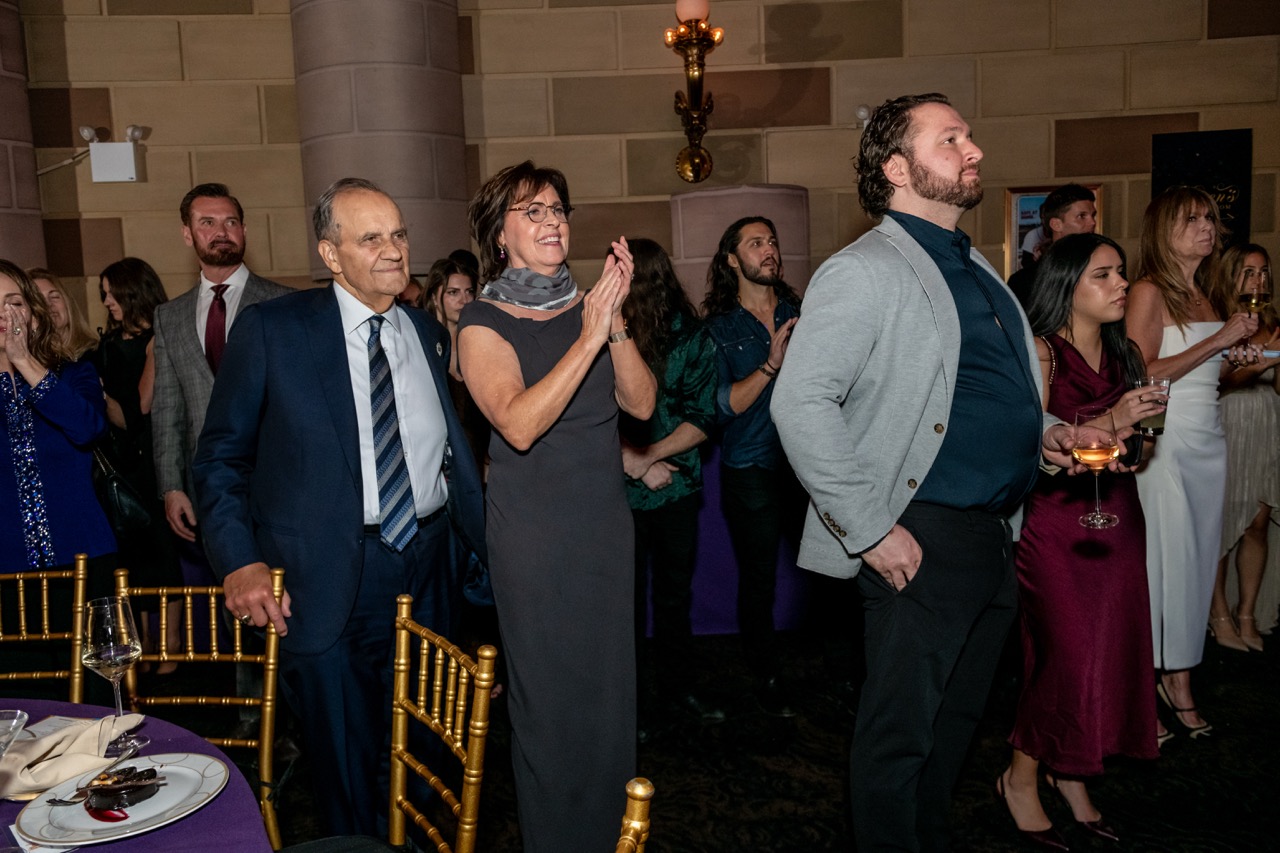
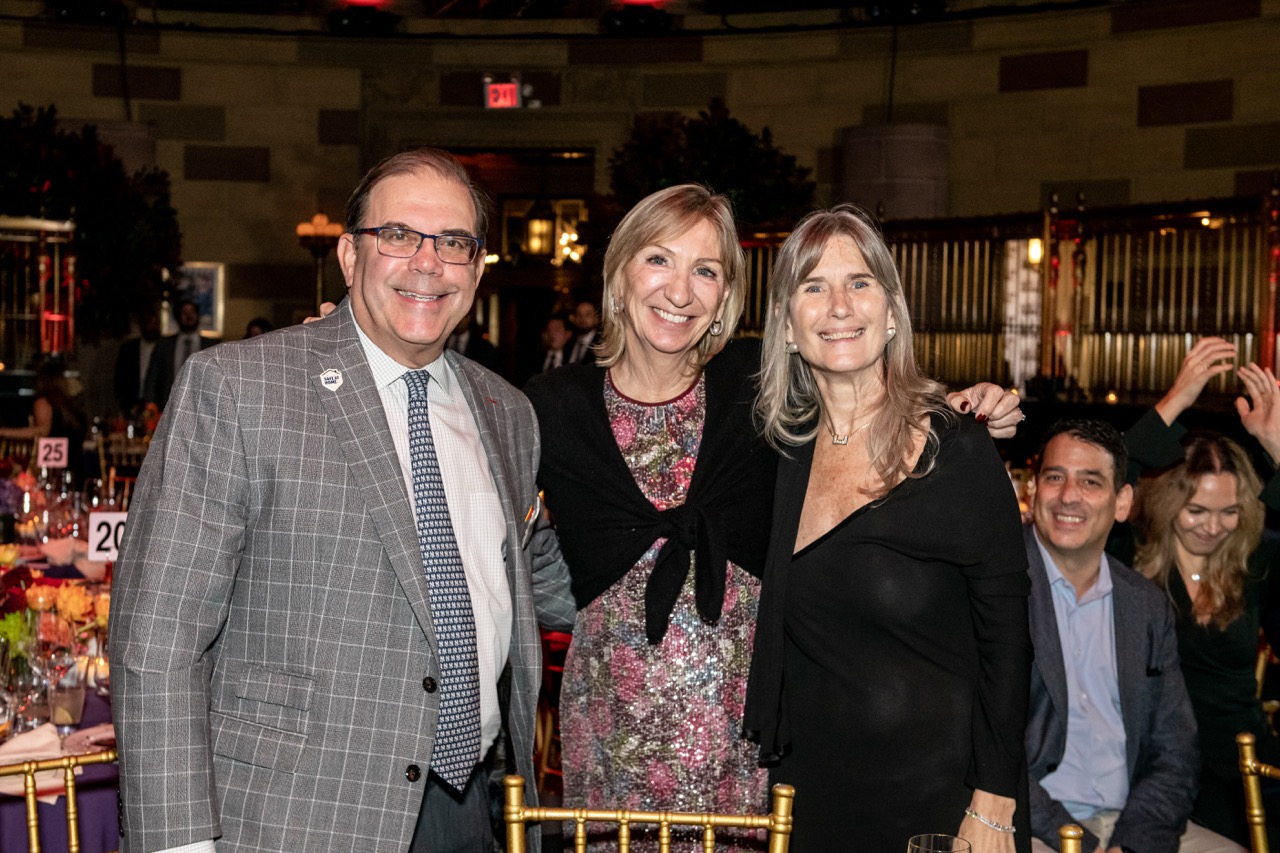
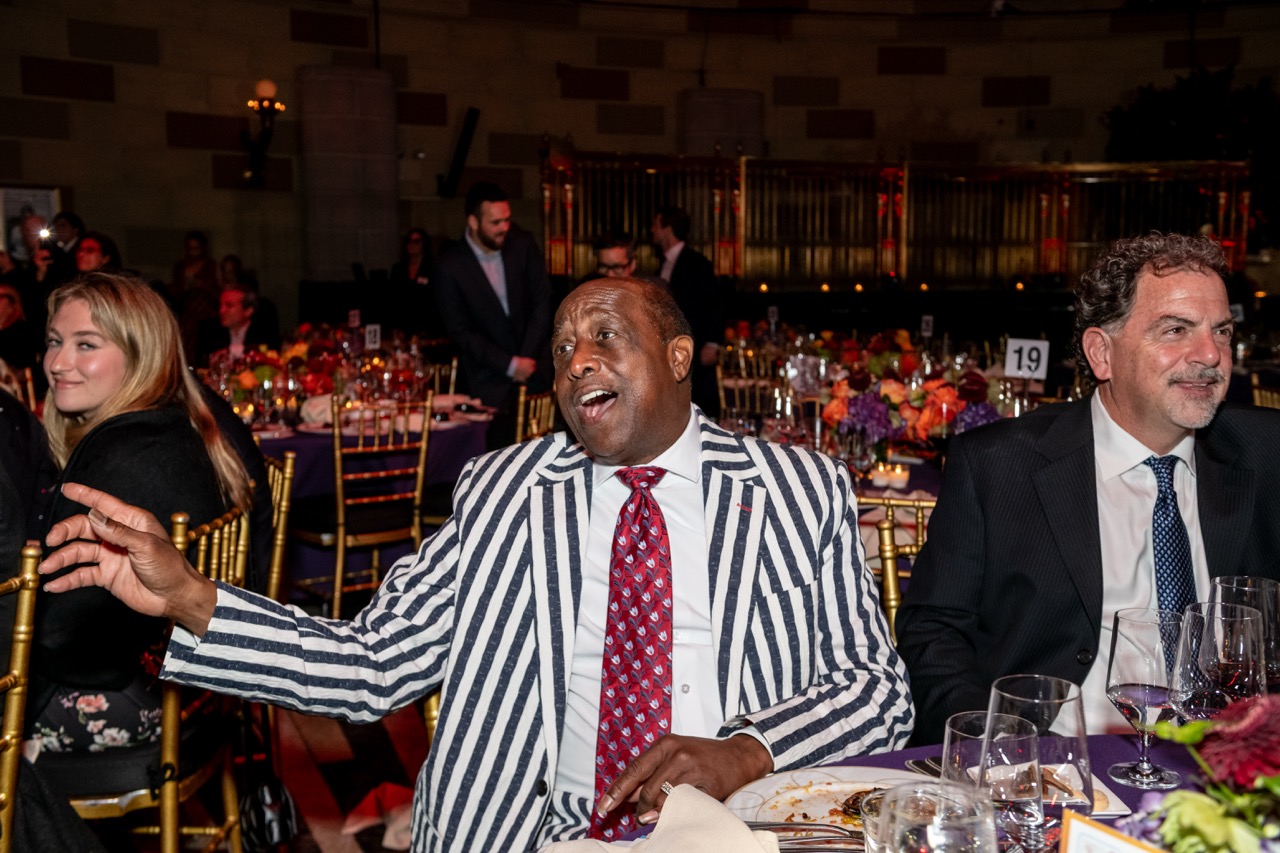
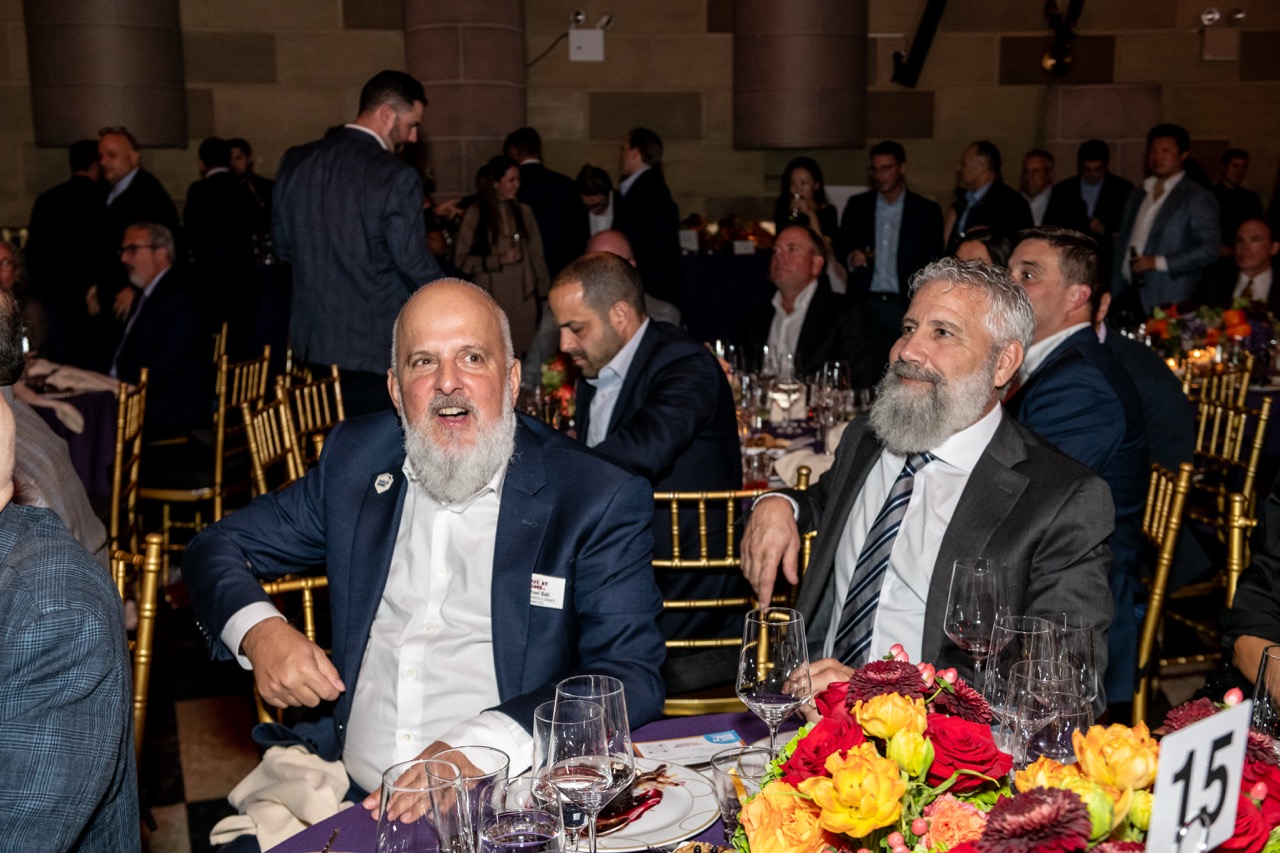
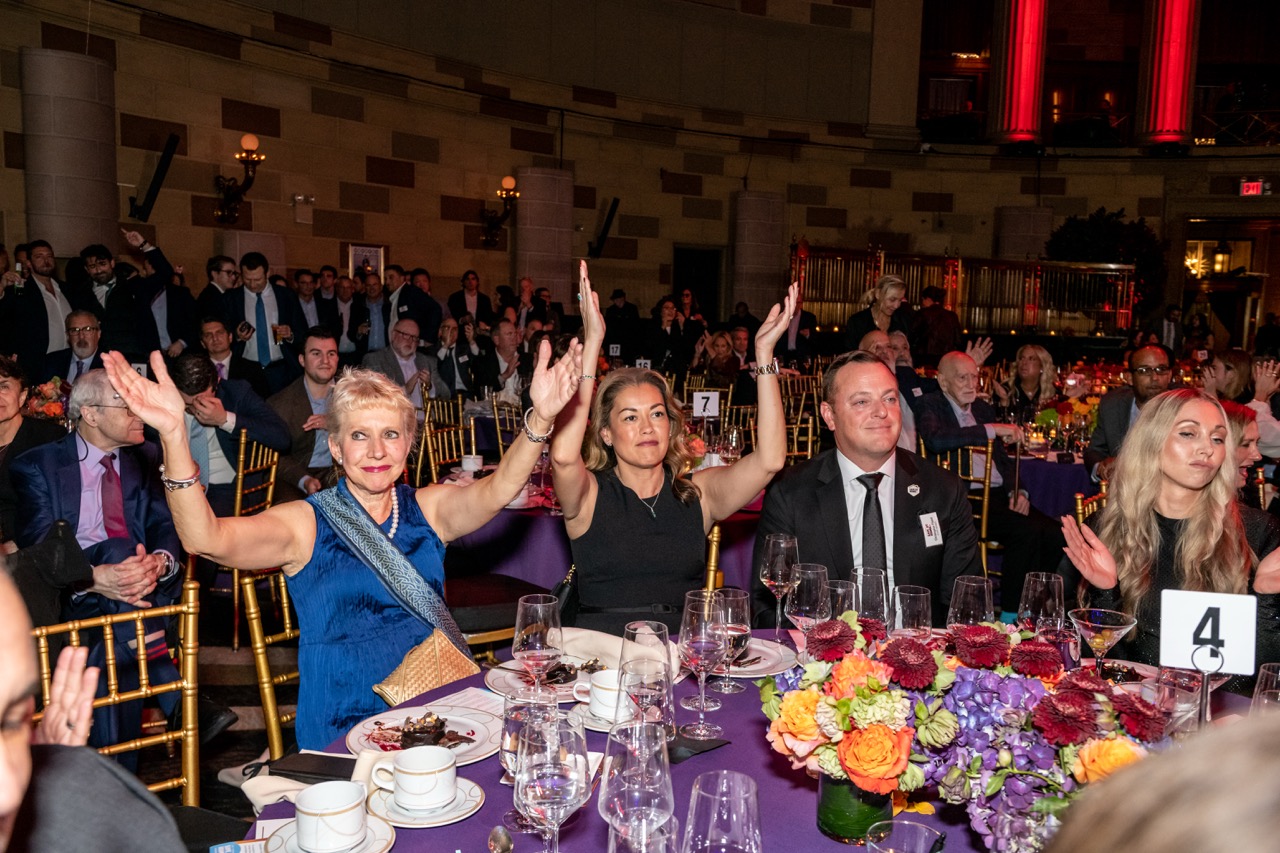
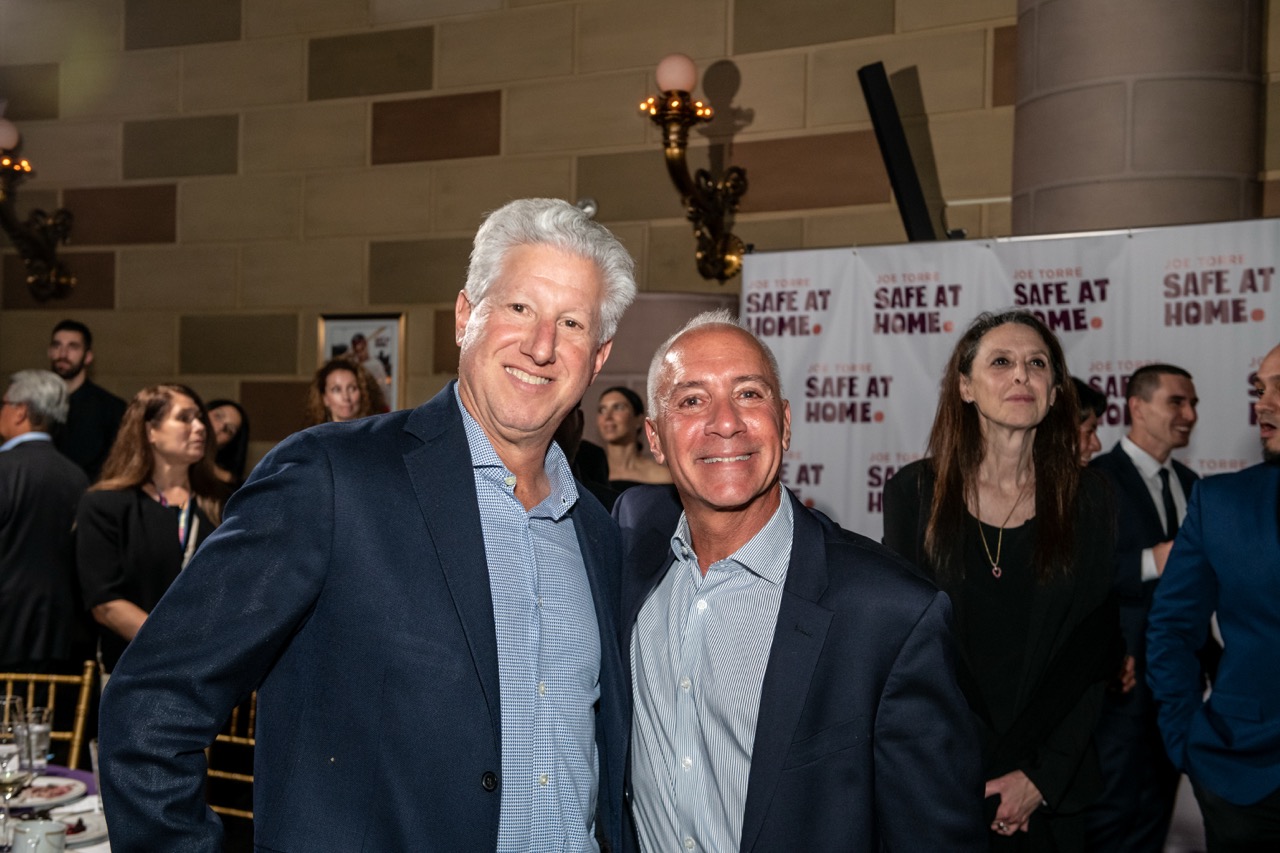
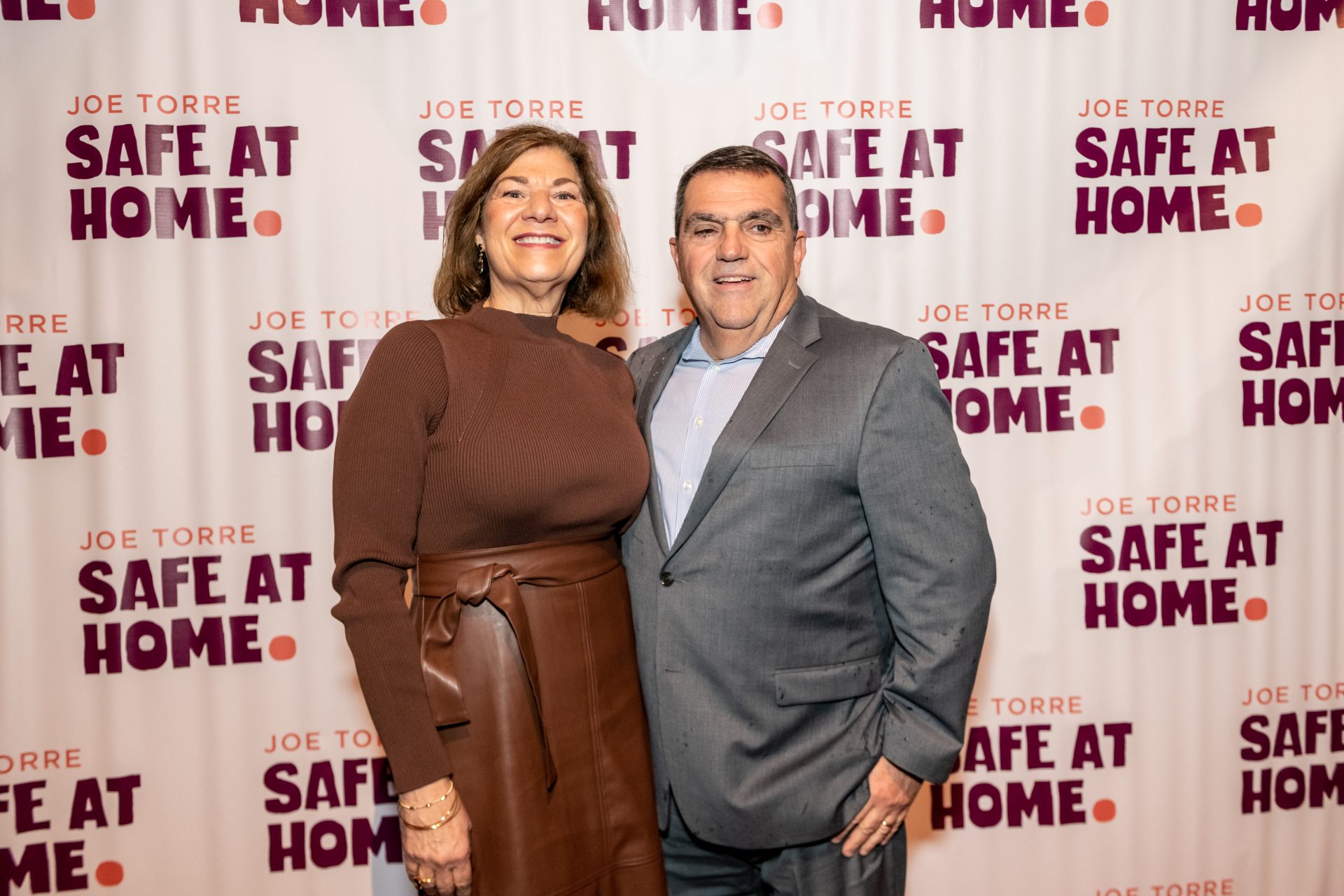
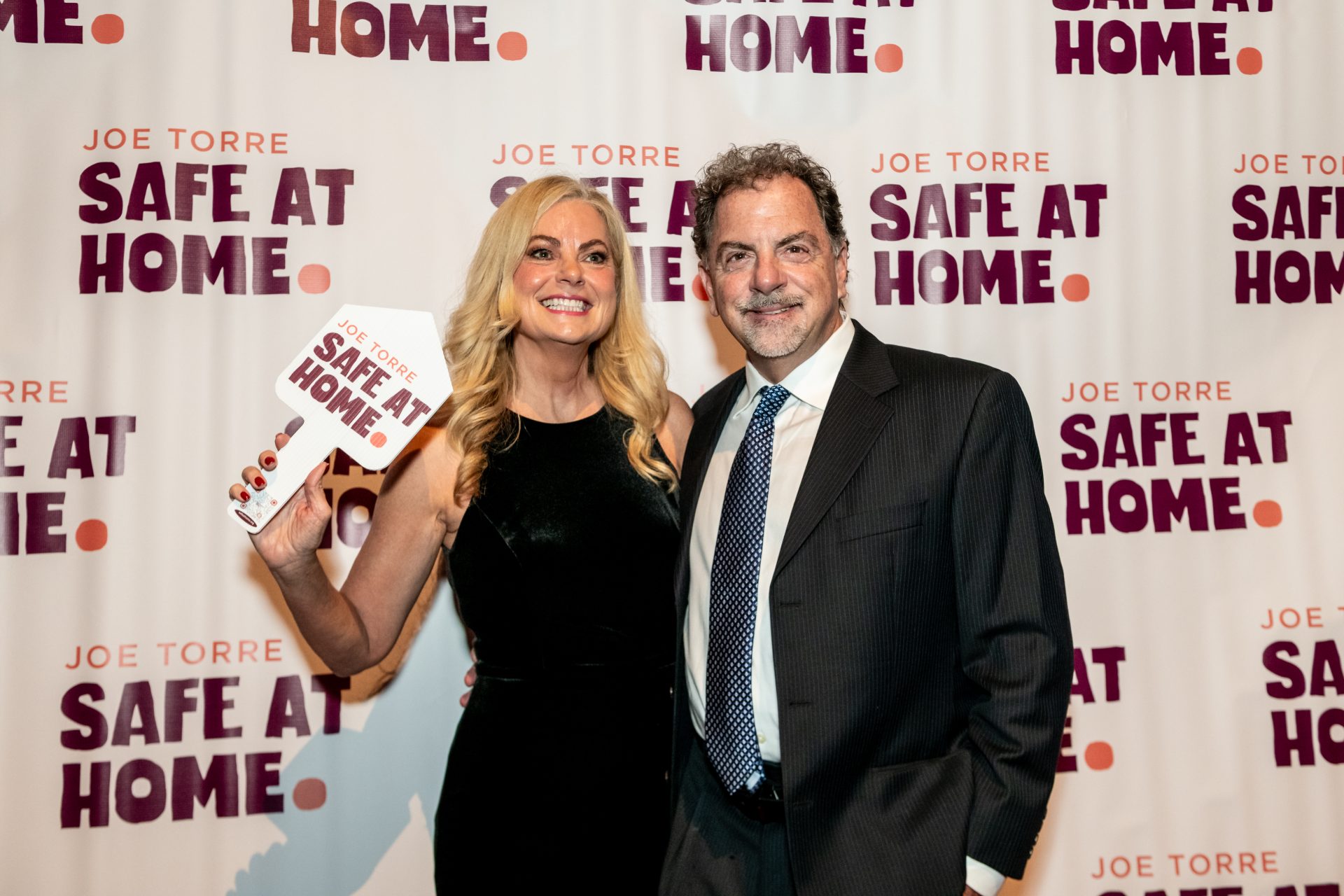
On November 12, 2026, friends, partners, and supporters gathered at Gotham Hall in New York City for Safe At Home’s Annual New York Gala, an evening celebrating the people and partnerships helping advance our mission to end the cycle of domestic violence and abuse through education.

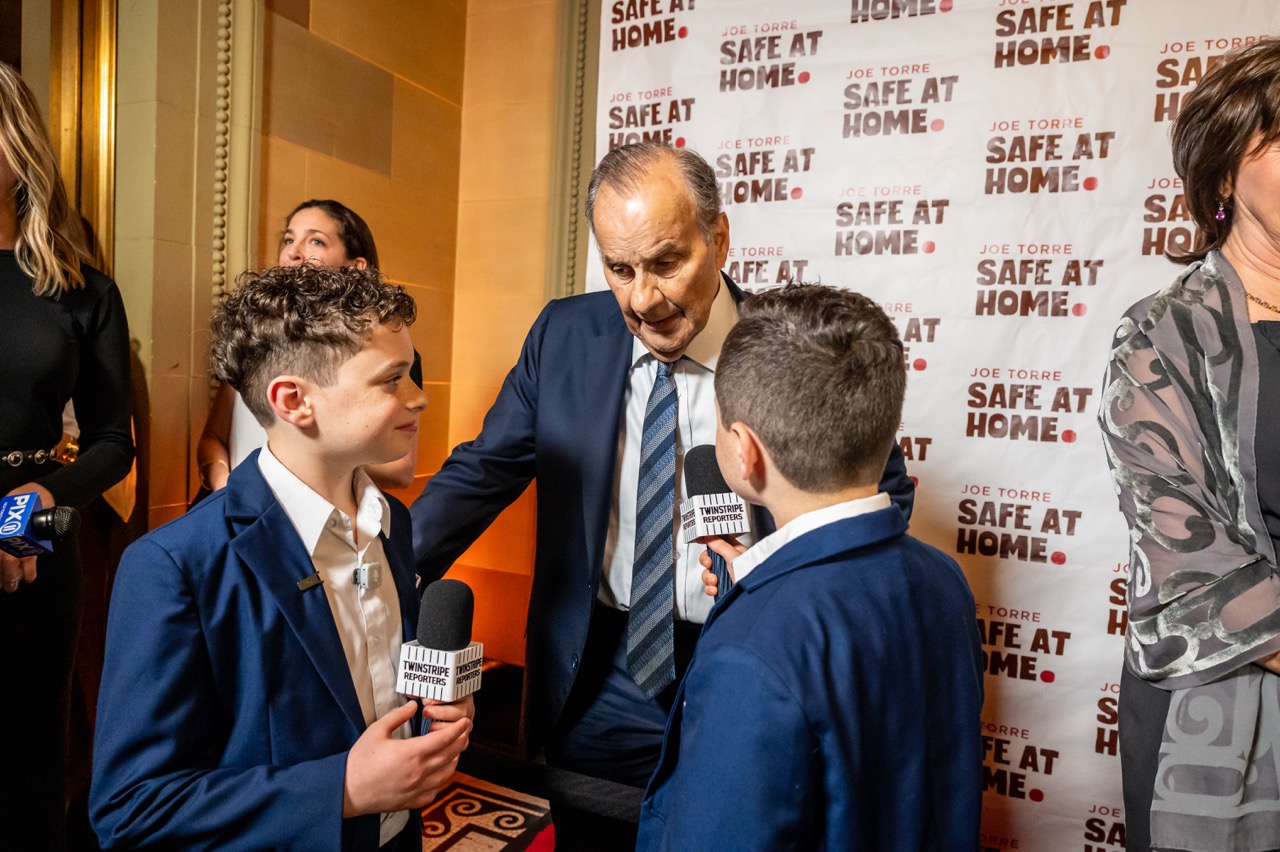
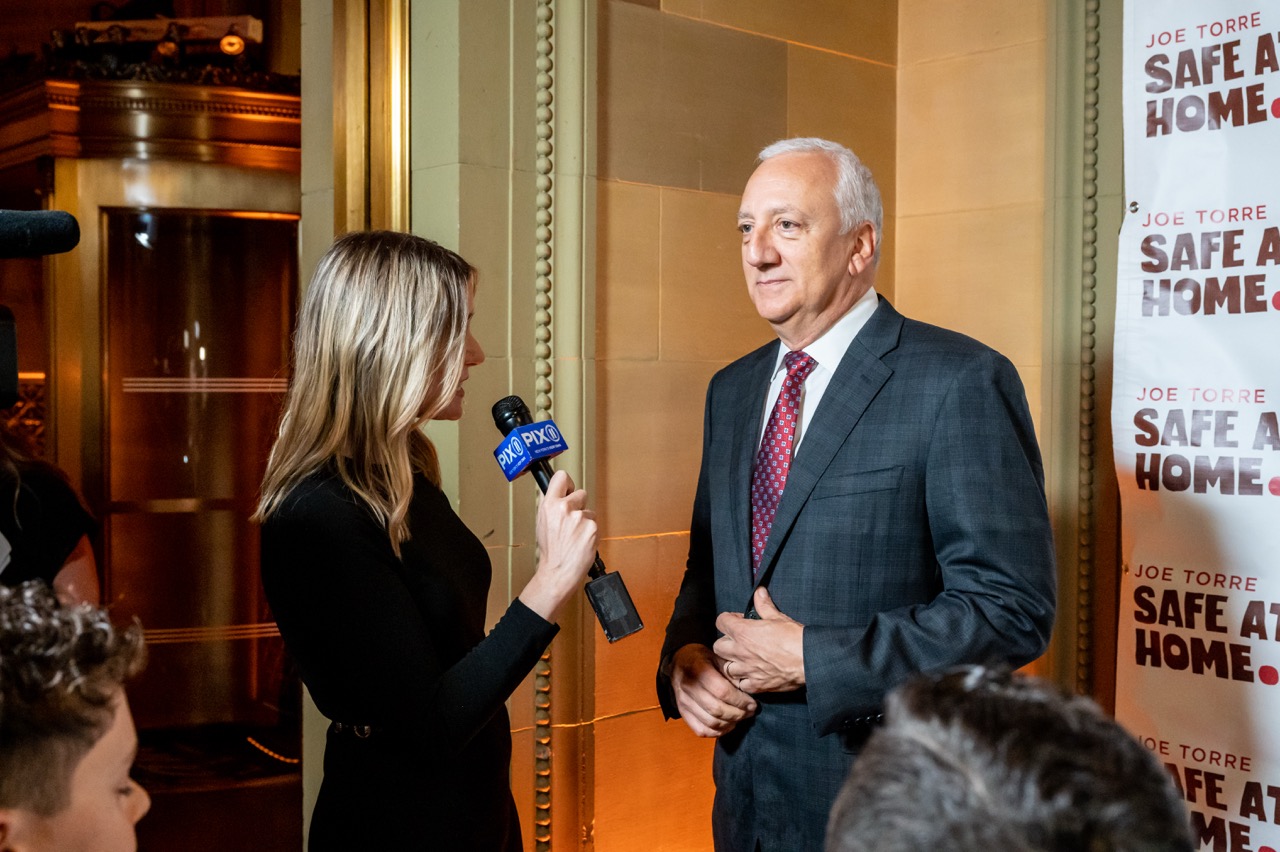
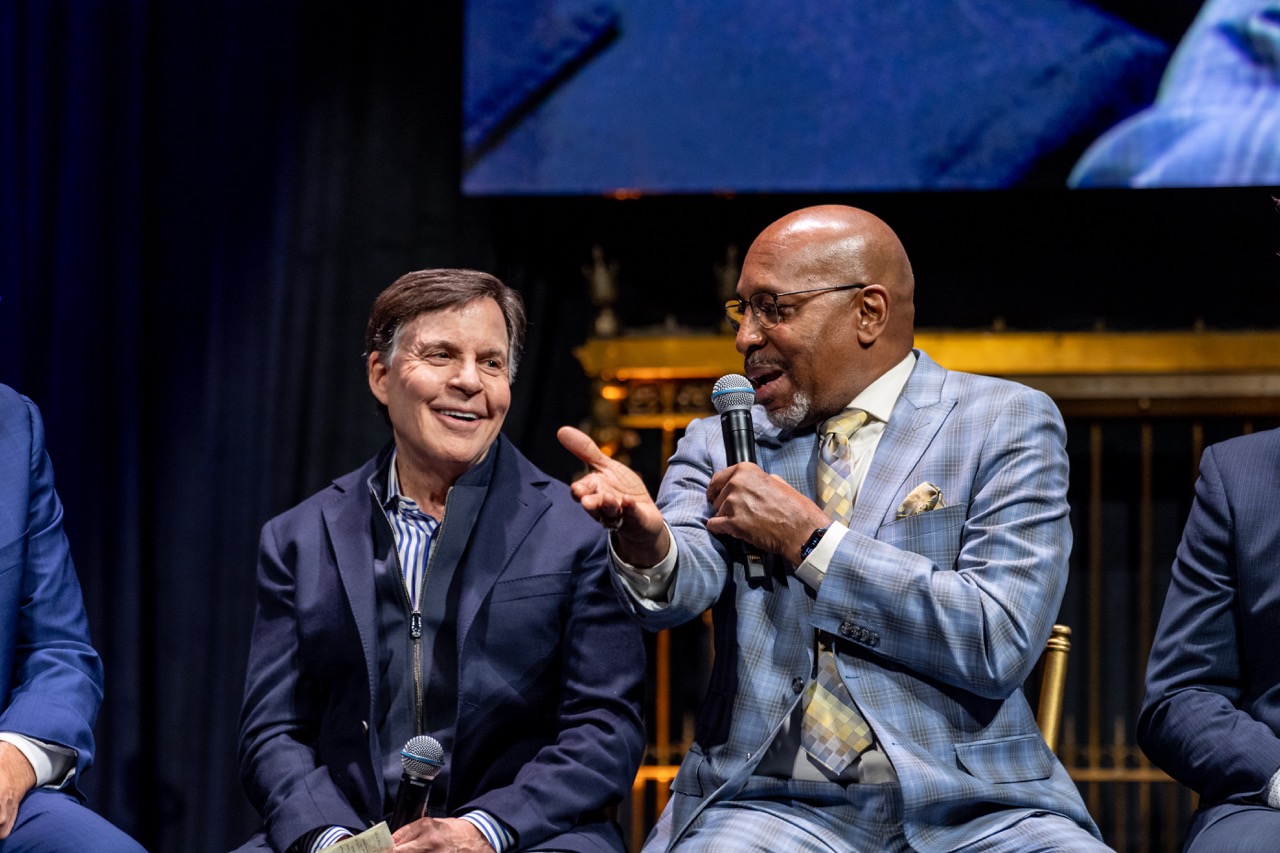
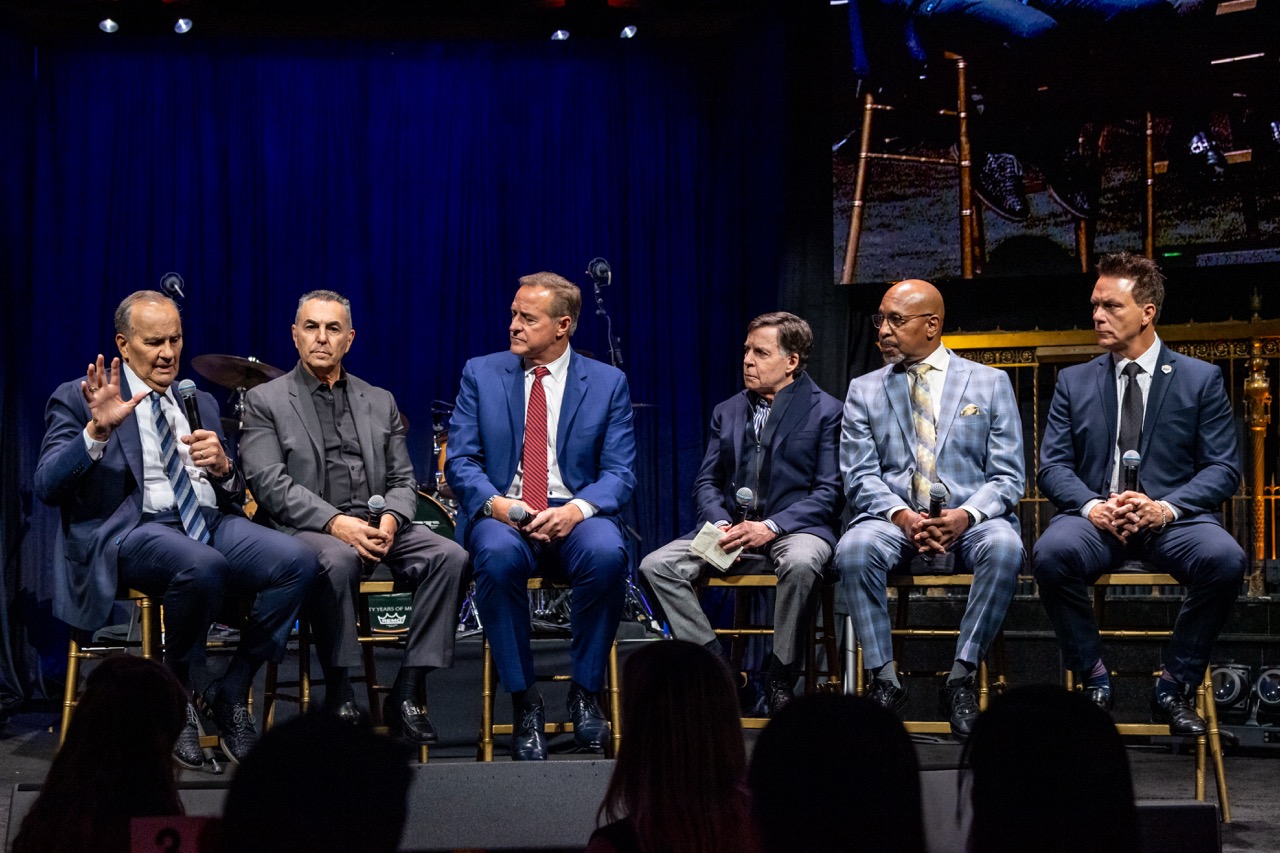
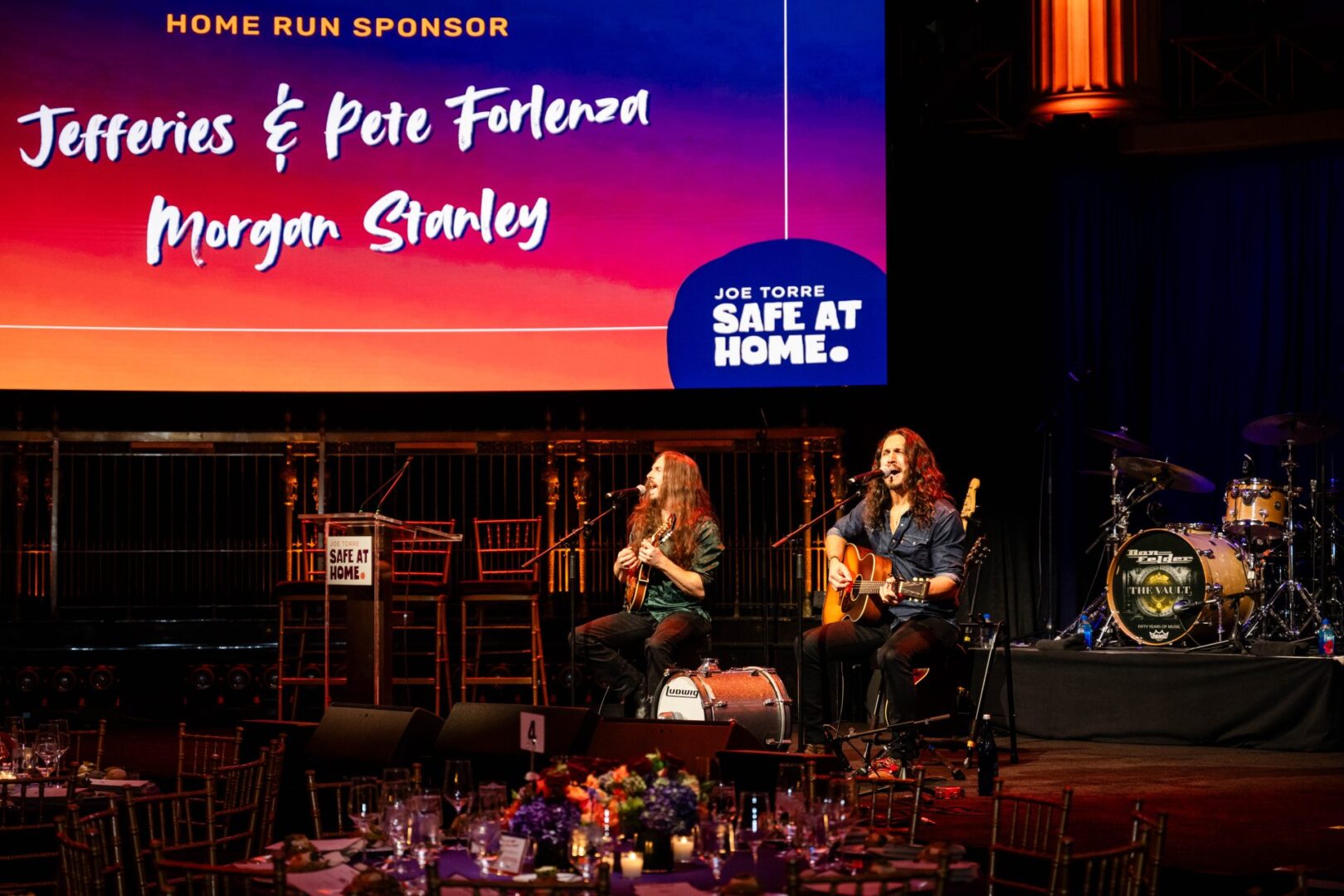
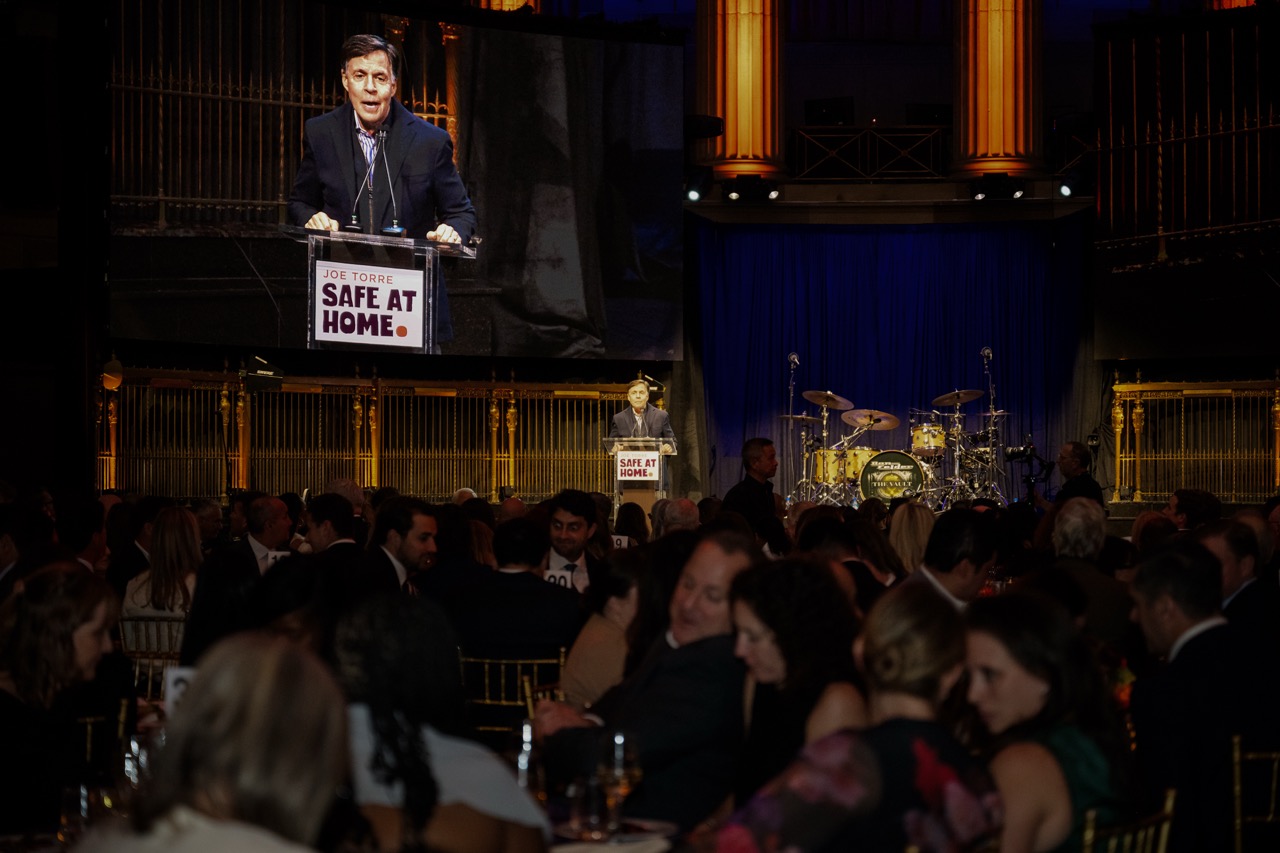
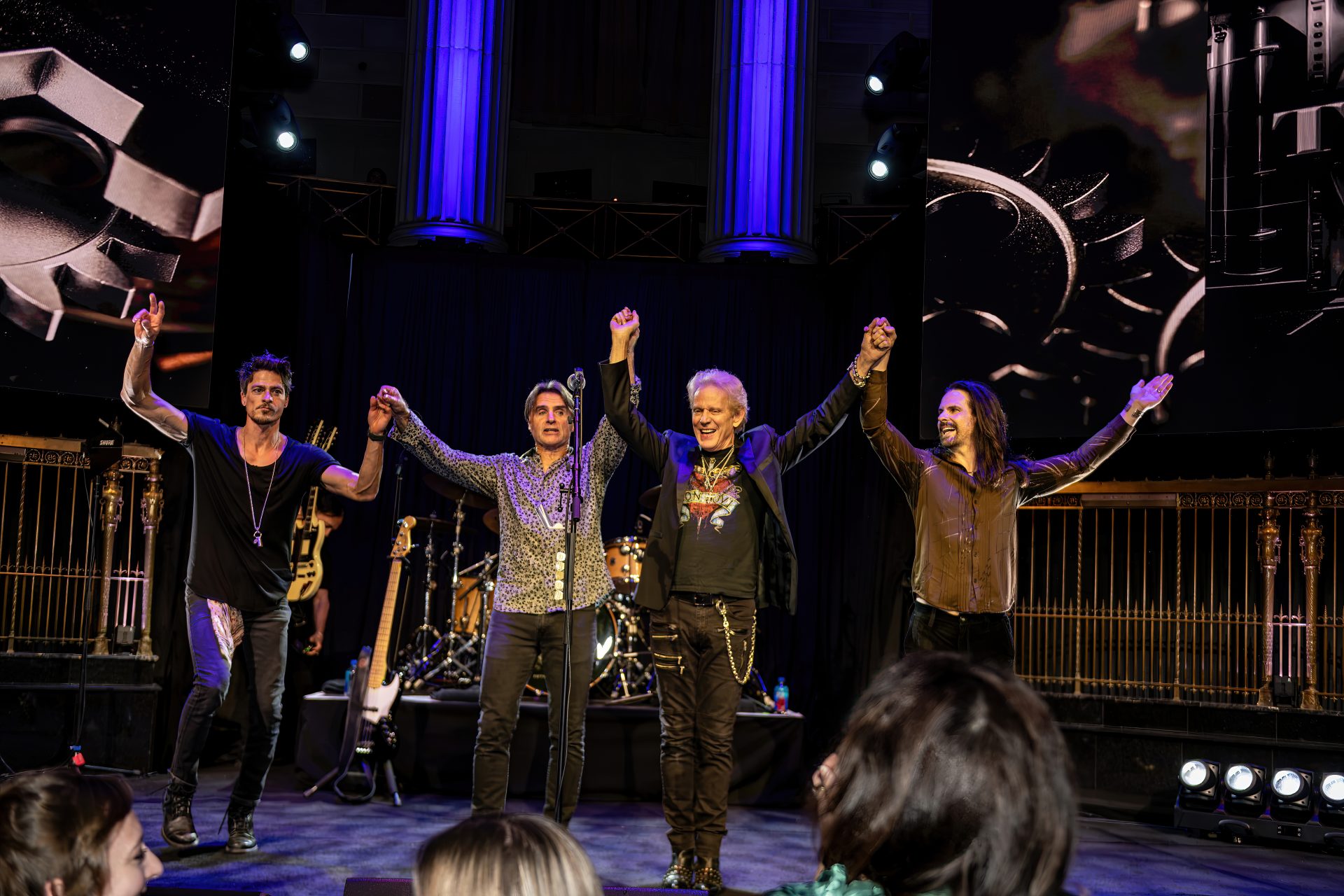
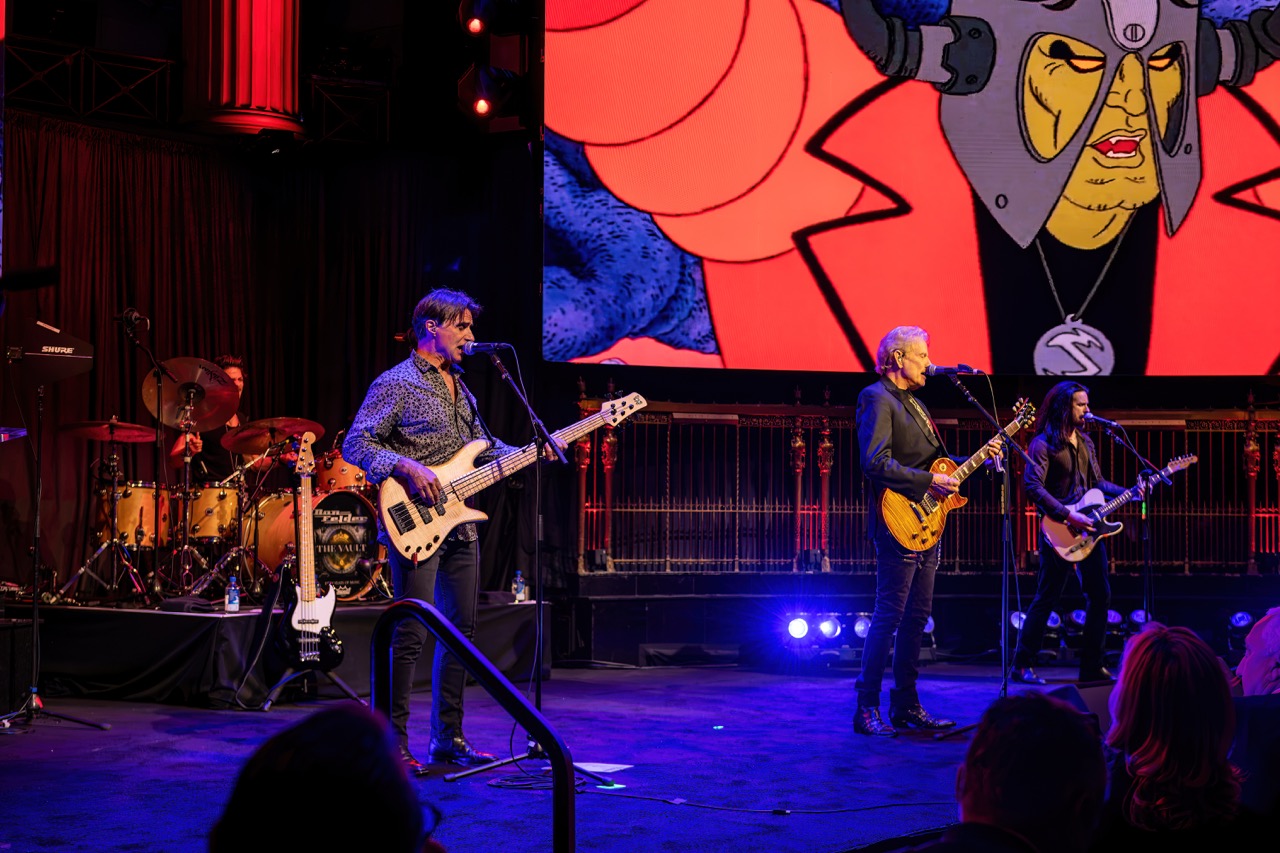
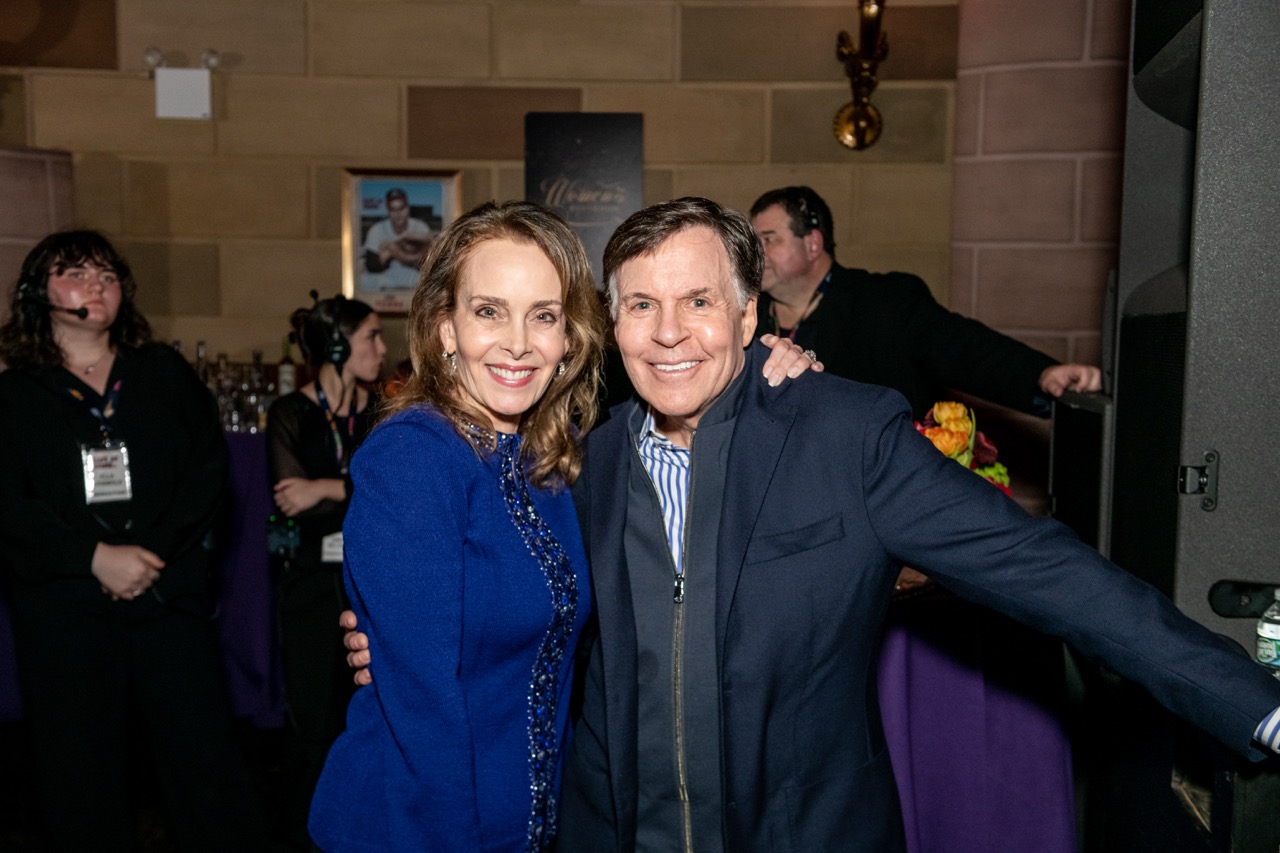
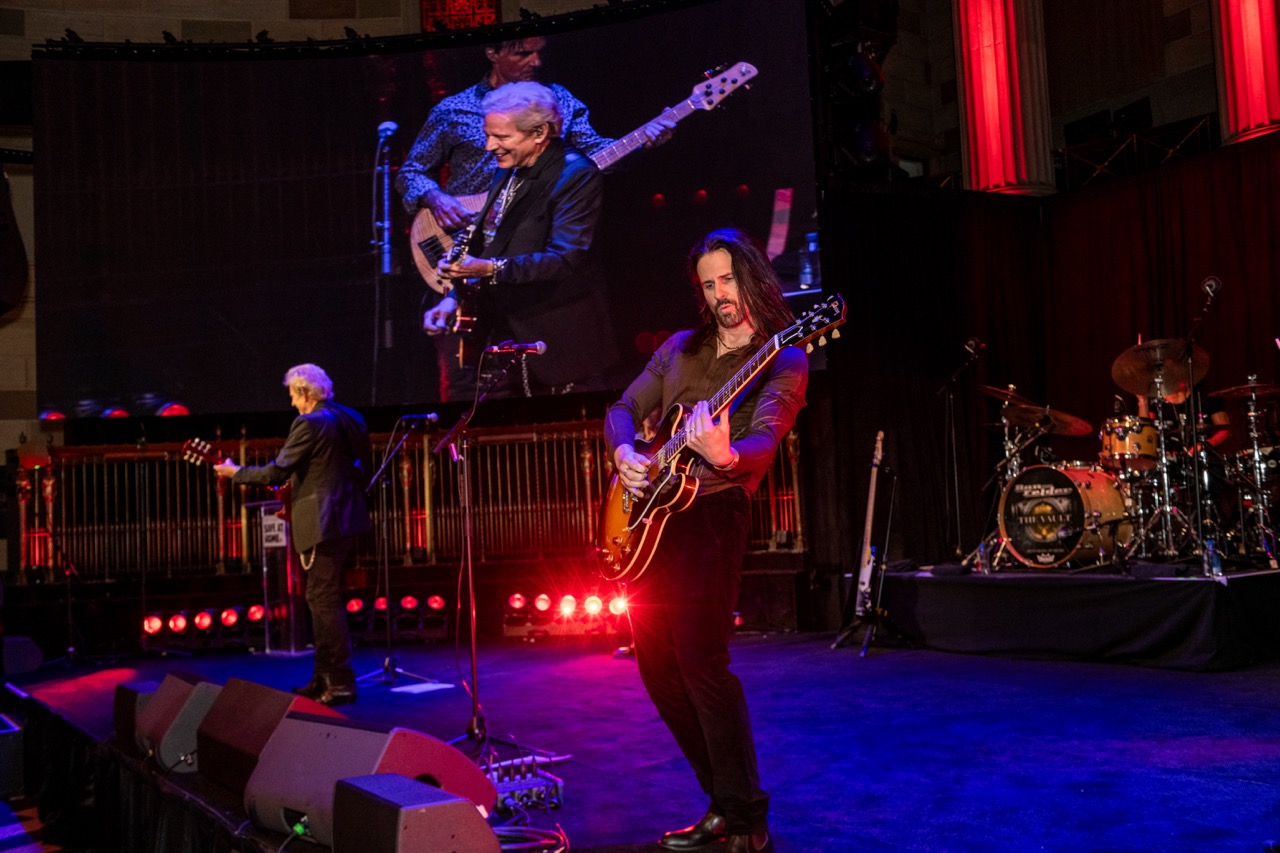
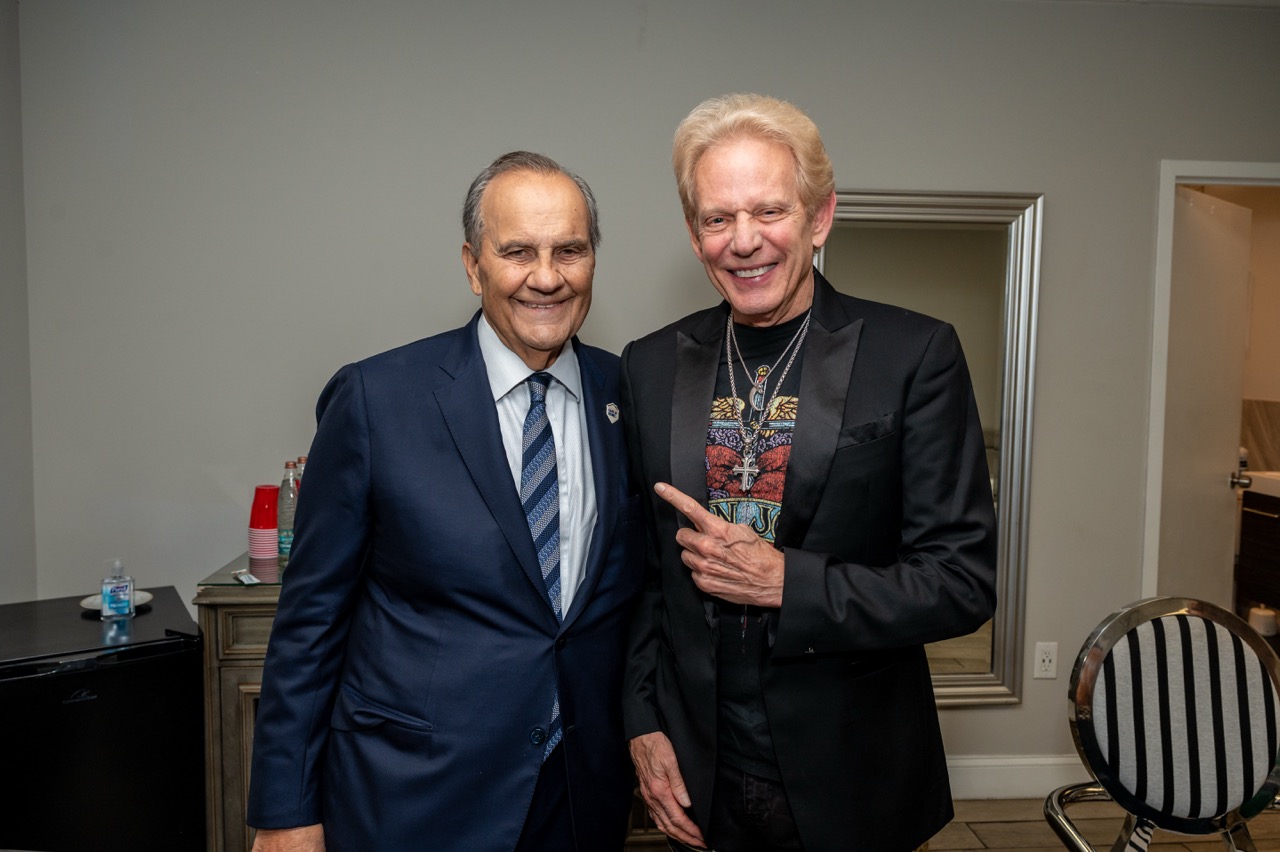
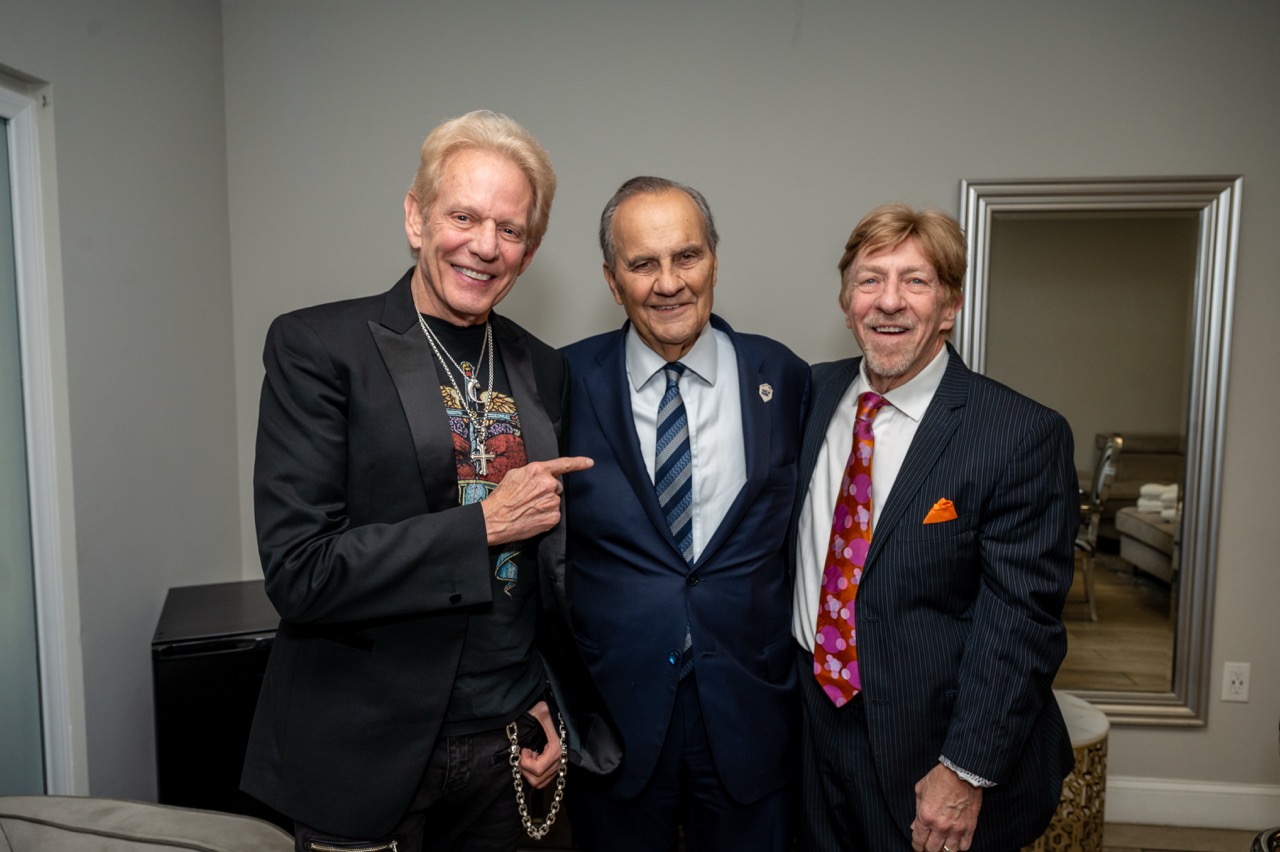
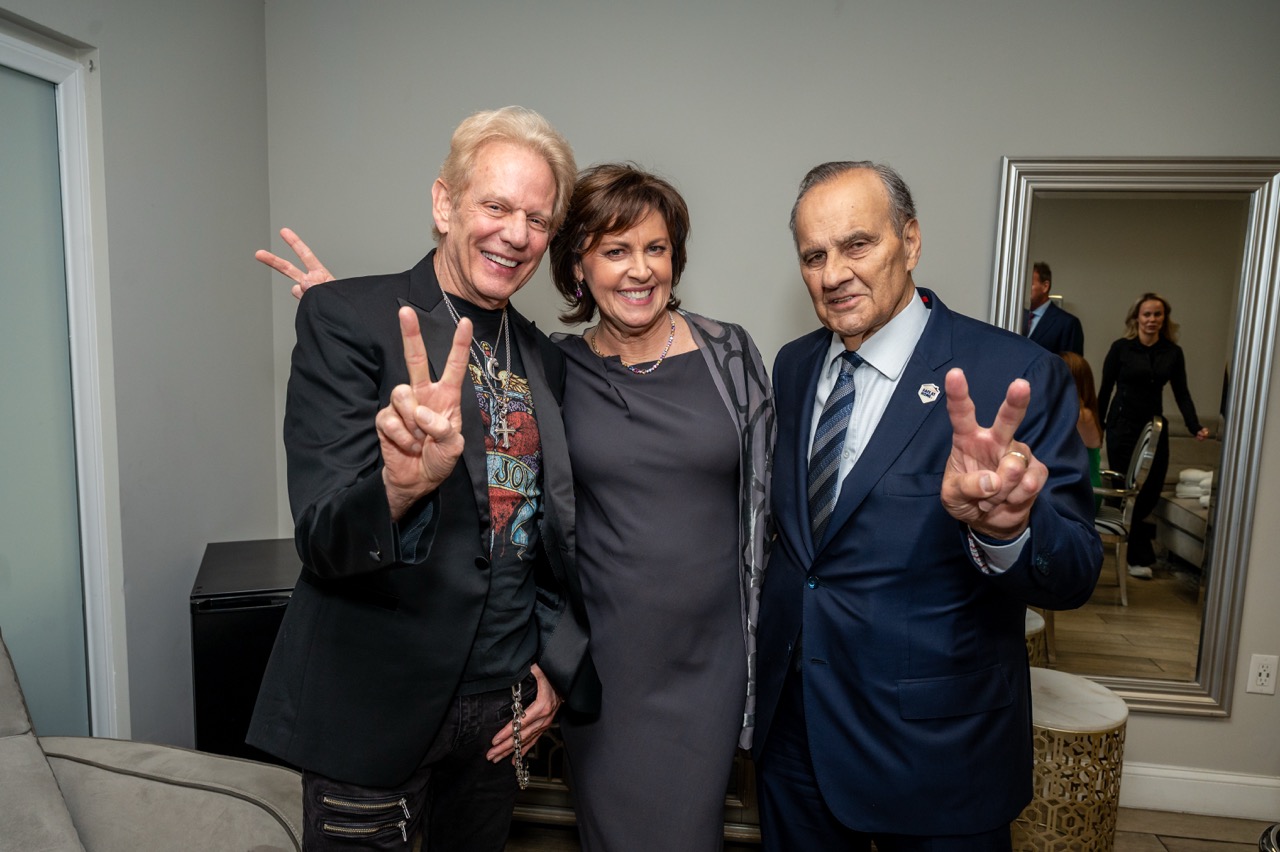
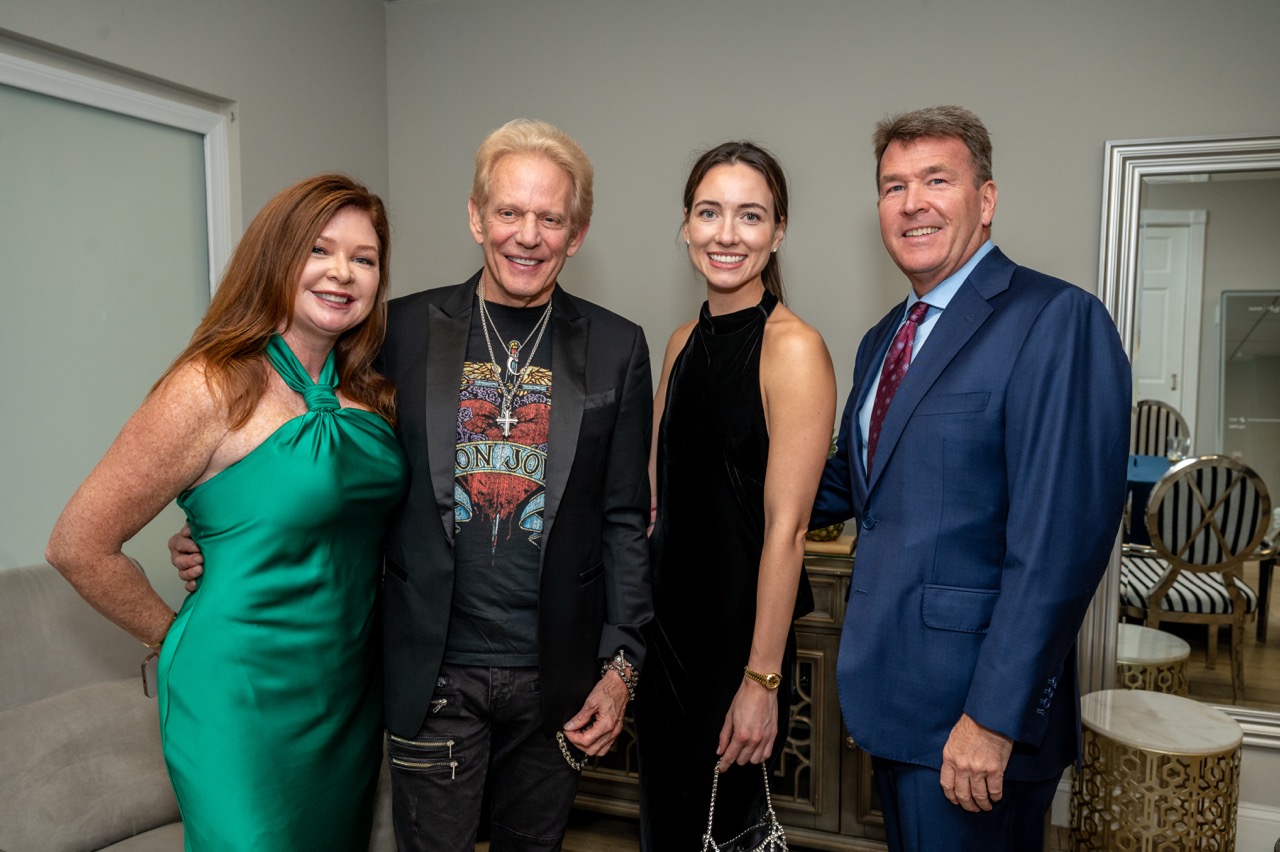
Hosted by acclaimed broadcaster and longtime supporter Bob Costas, the evening celebrated the impact of Safe At Home through meaningful conversations, a special tribute to honorees Beth and Darrell Rigel, and a memorable performance by Don Felder, a former lead guitarist of the Eagles.
The Power of Connection and Purpose

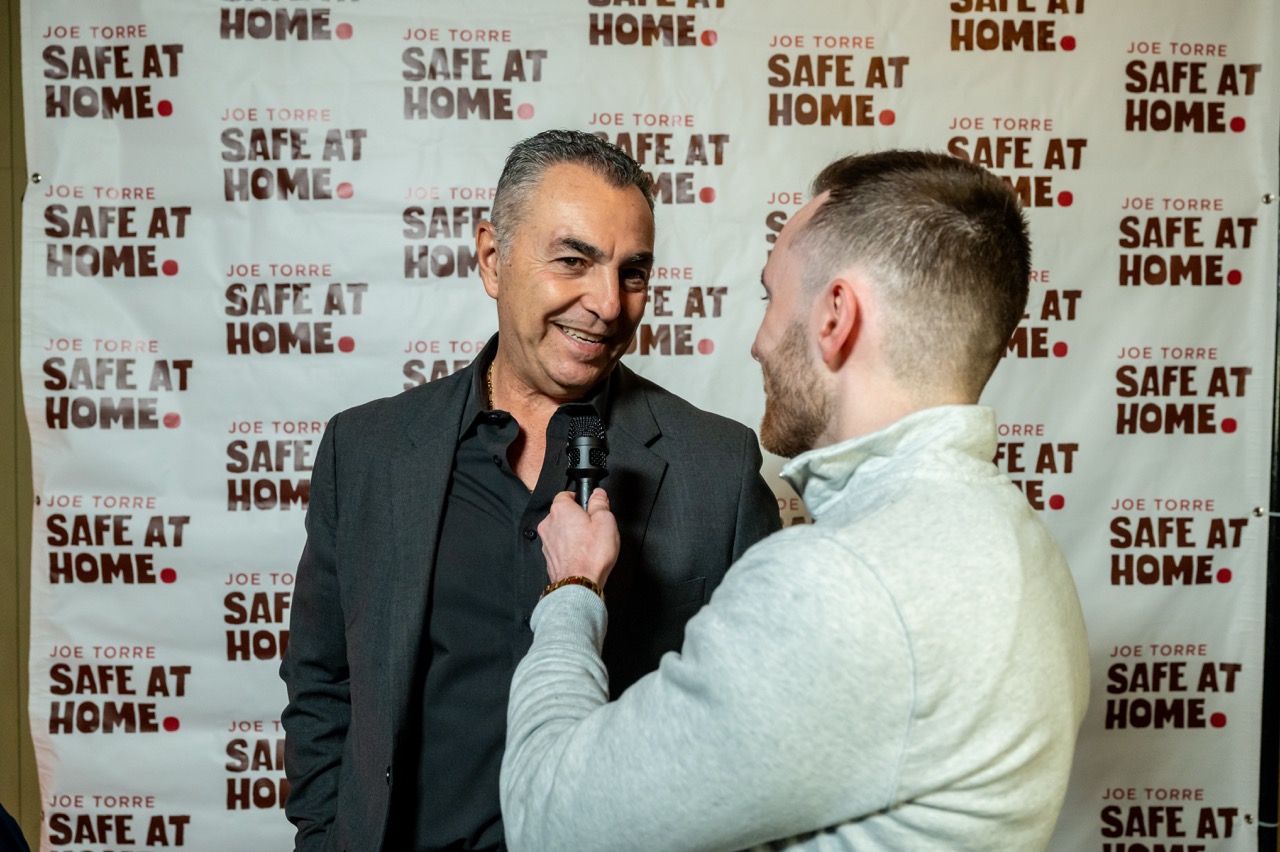
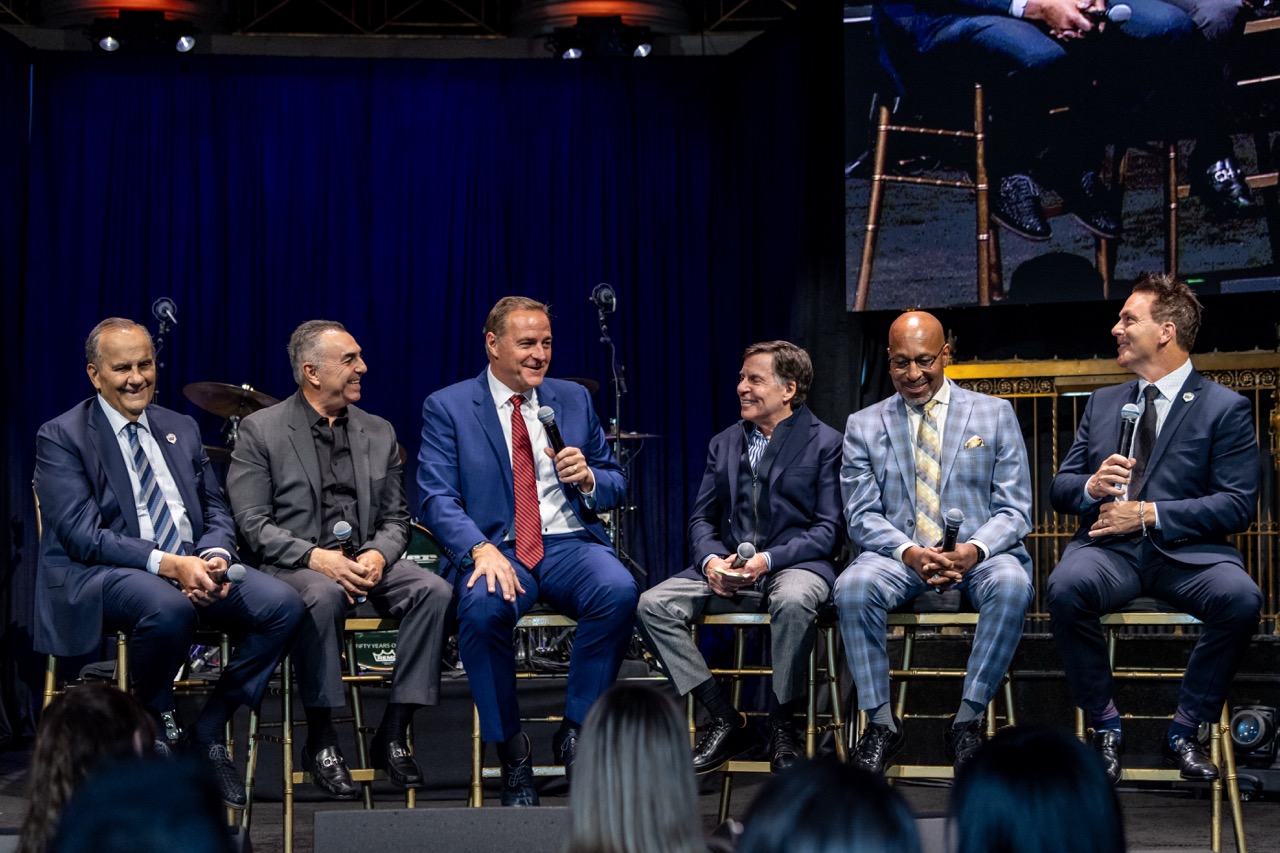
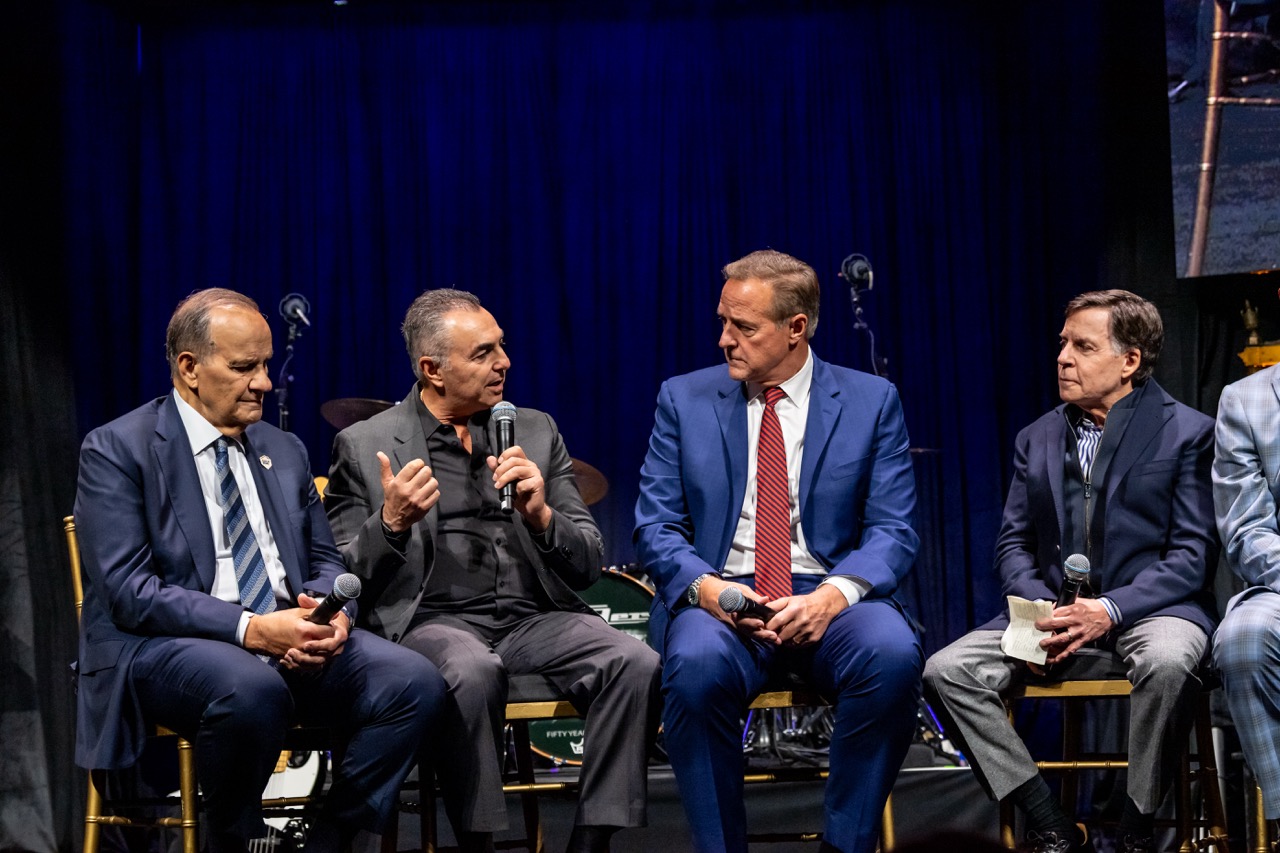
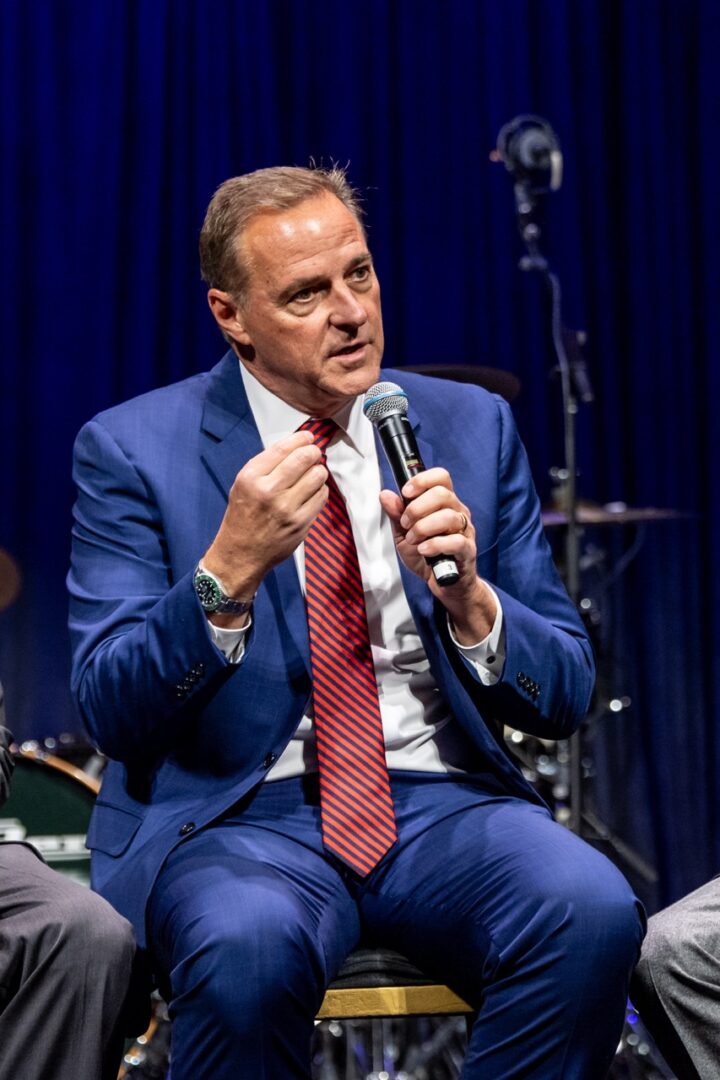
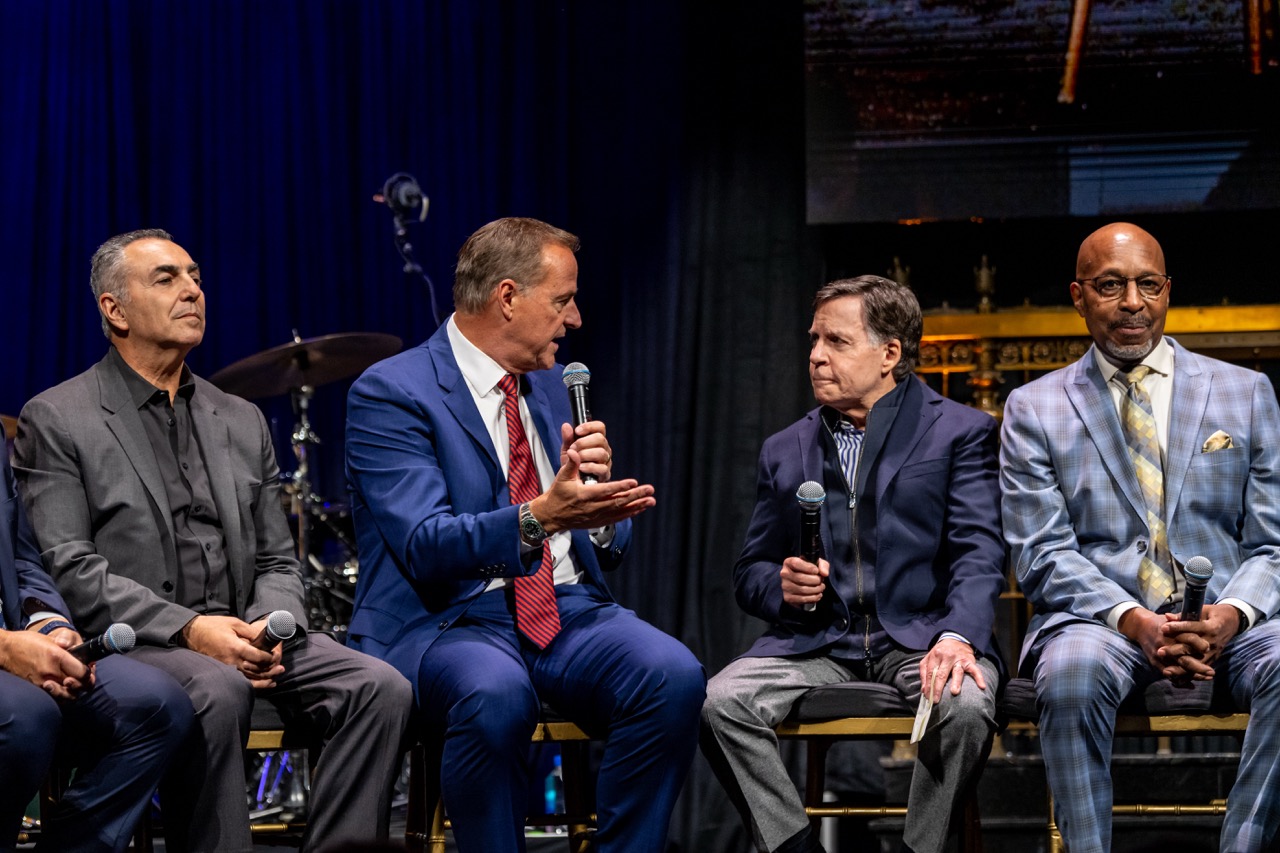
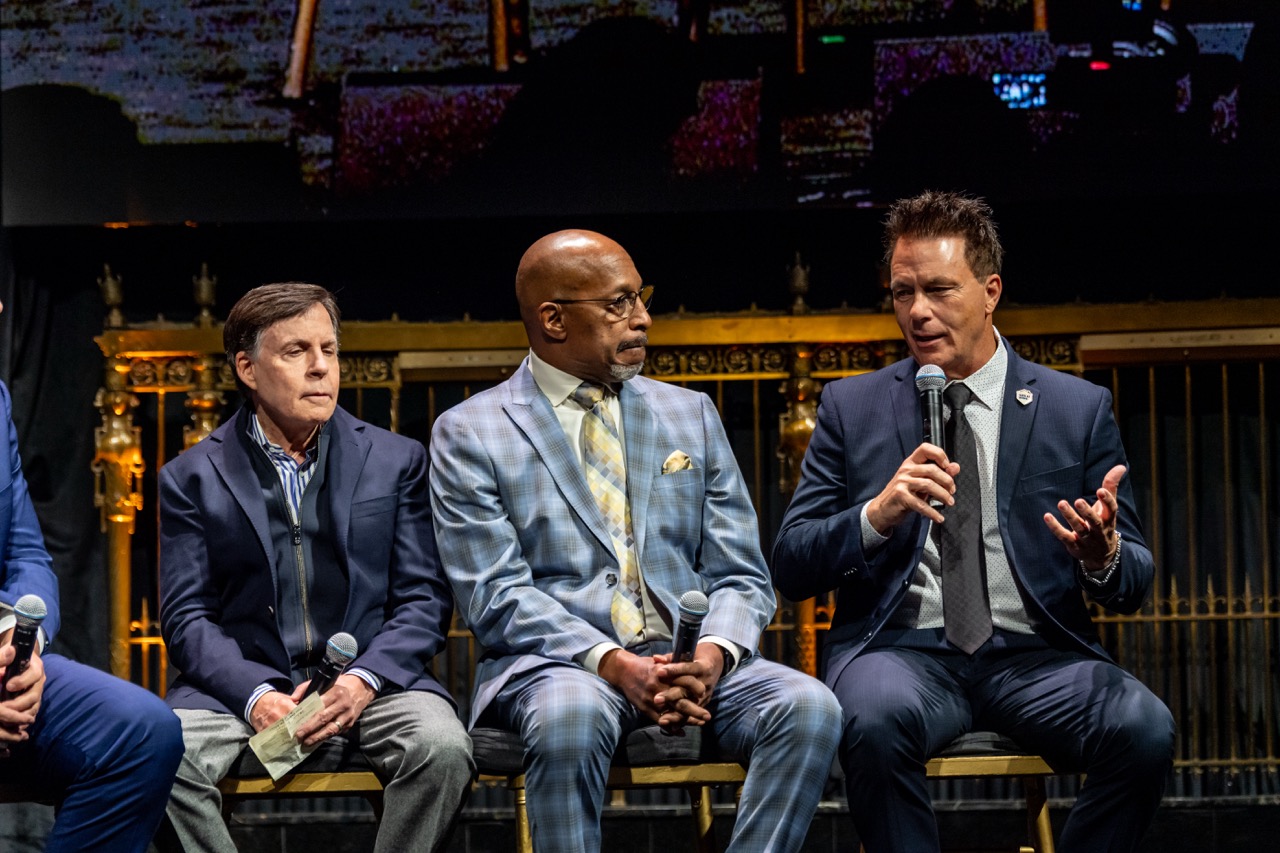
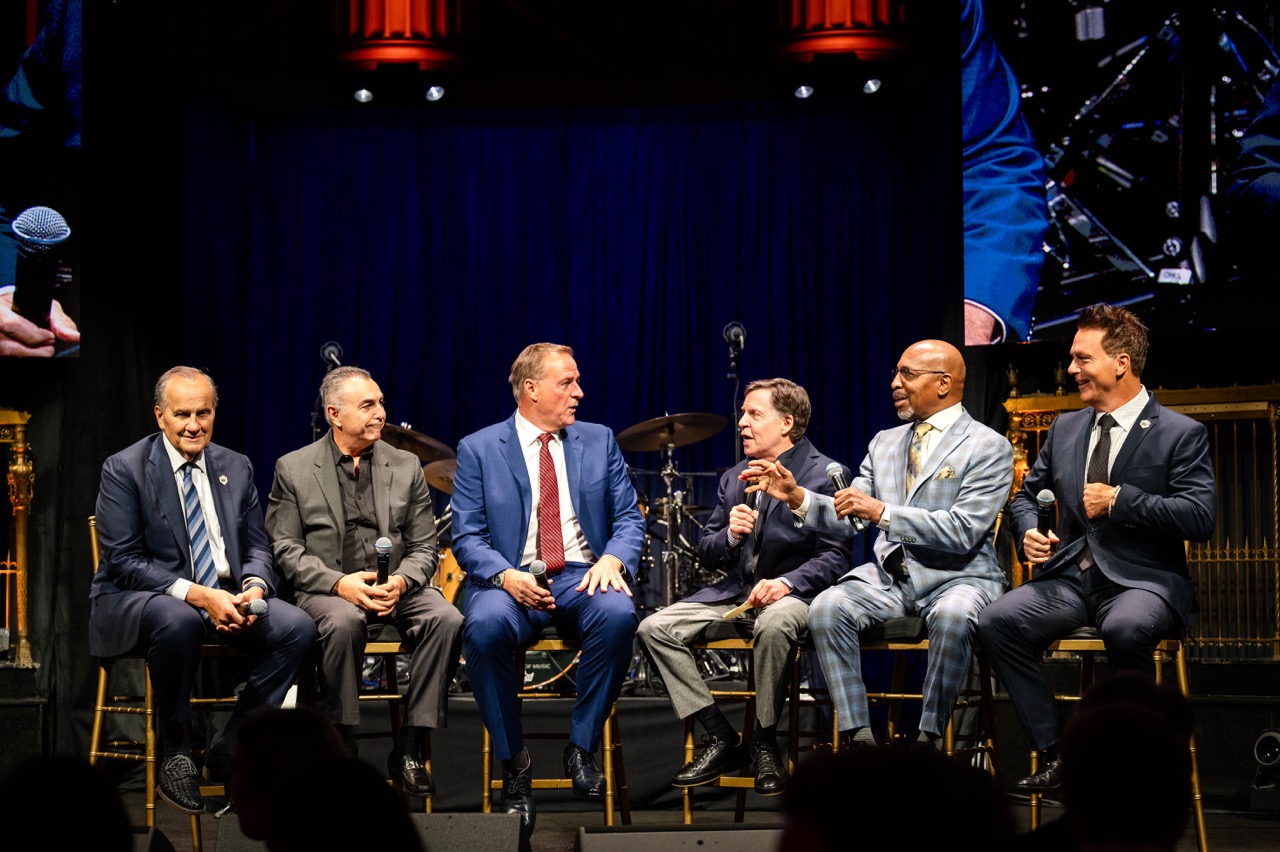
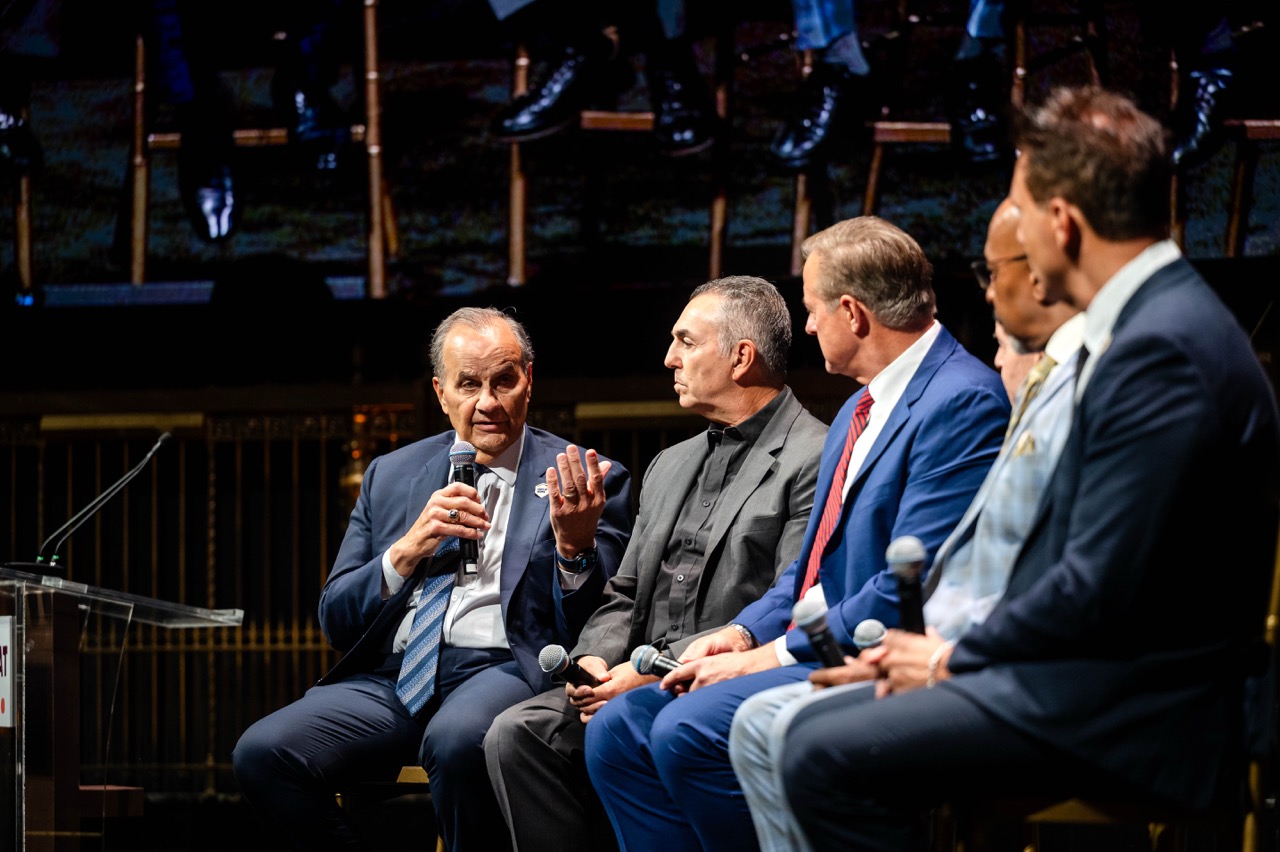
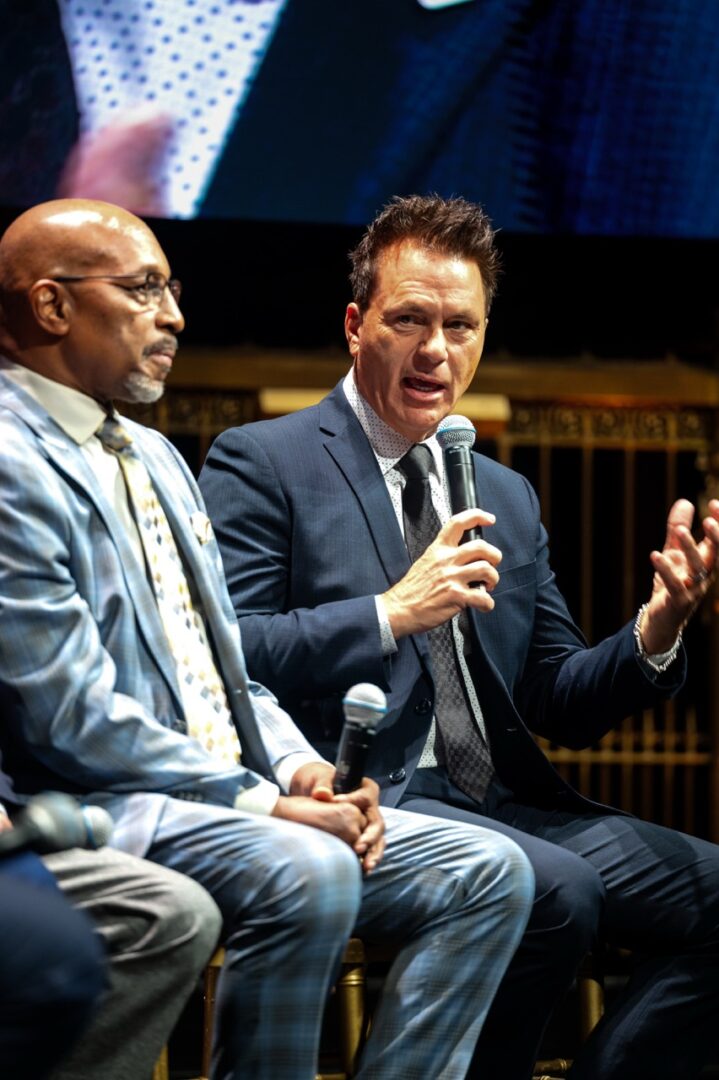
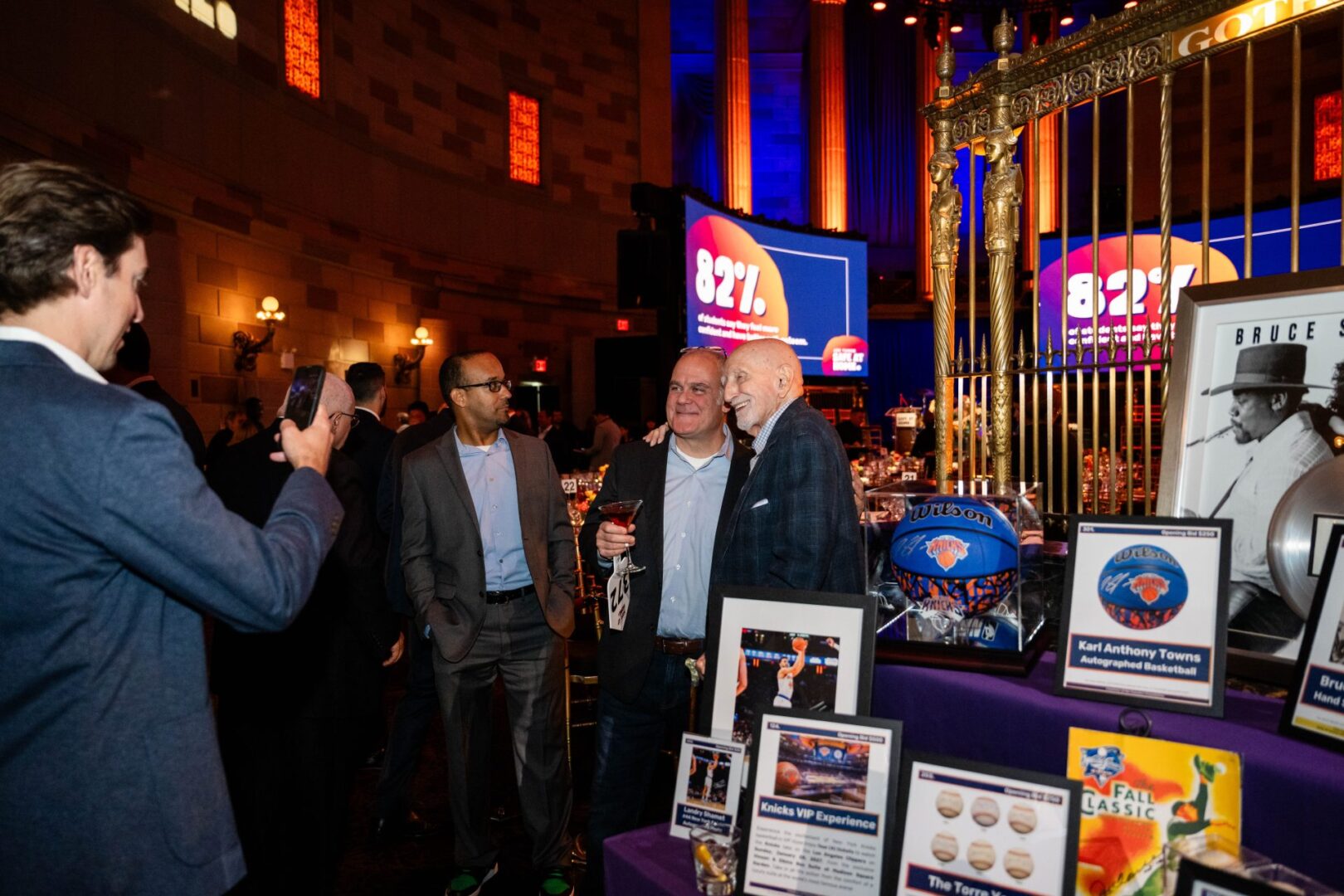
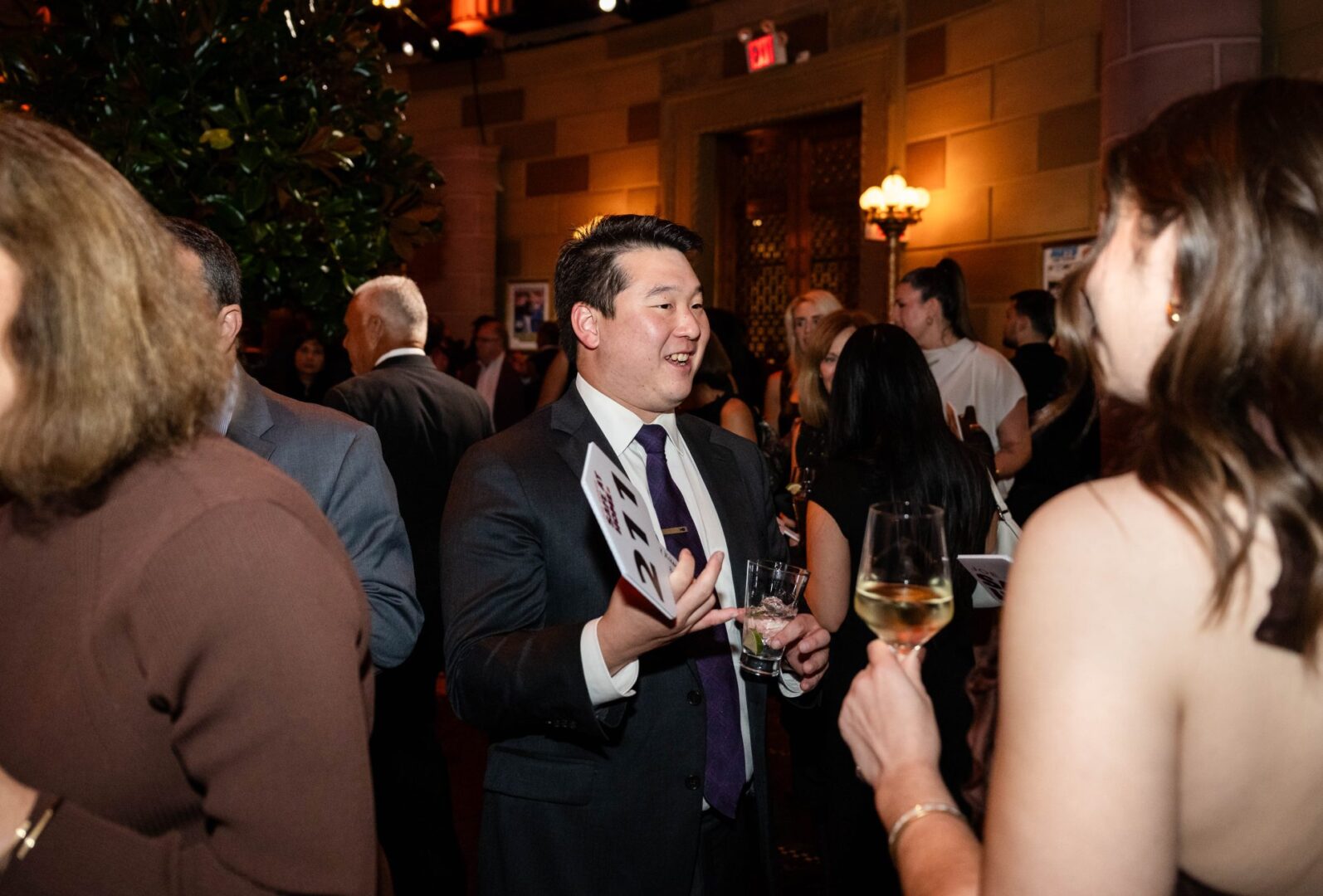
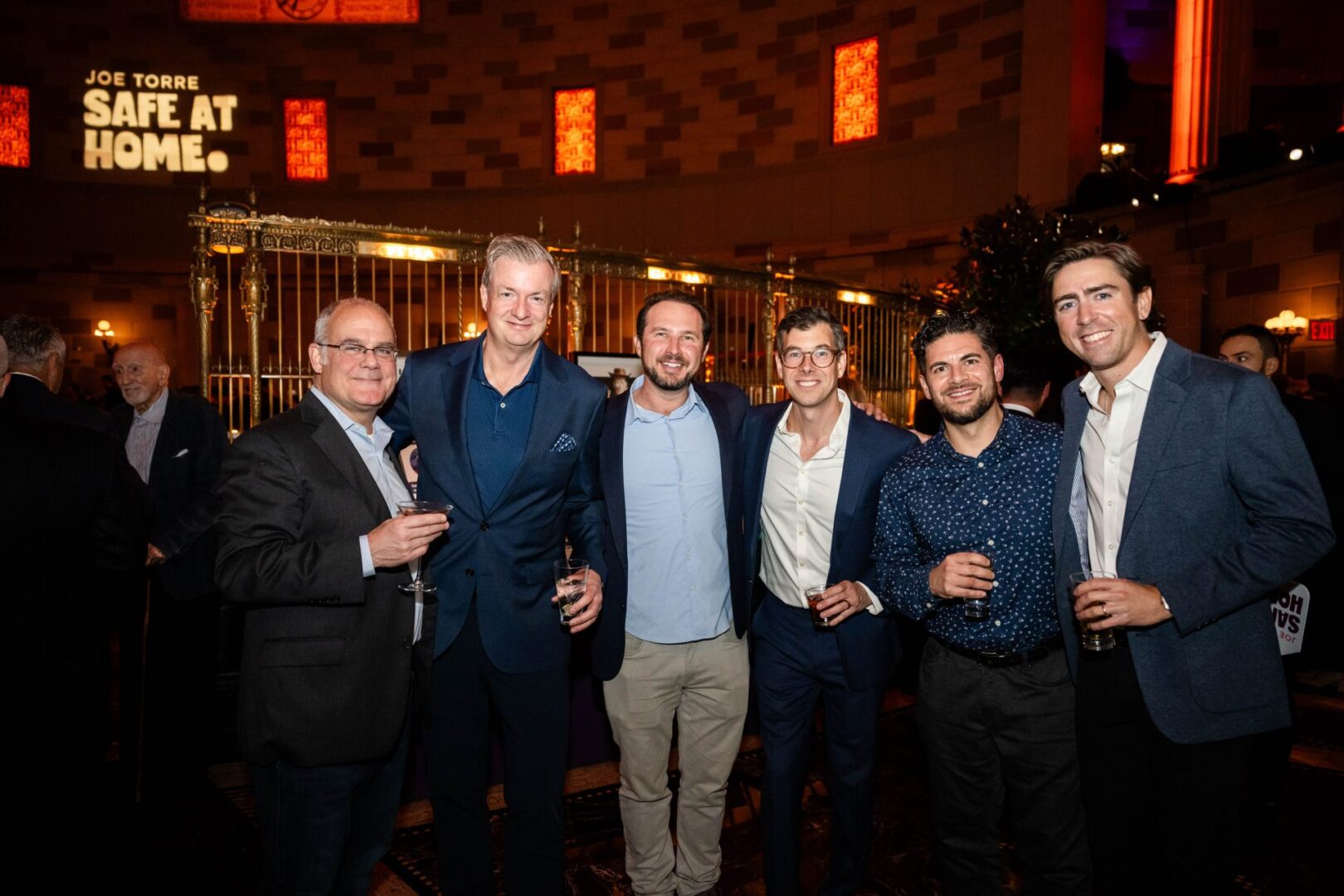
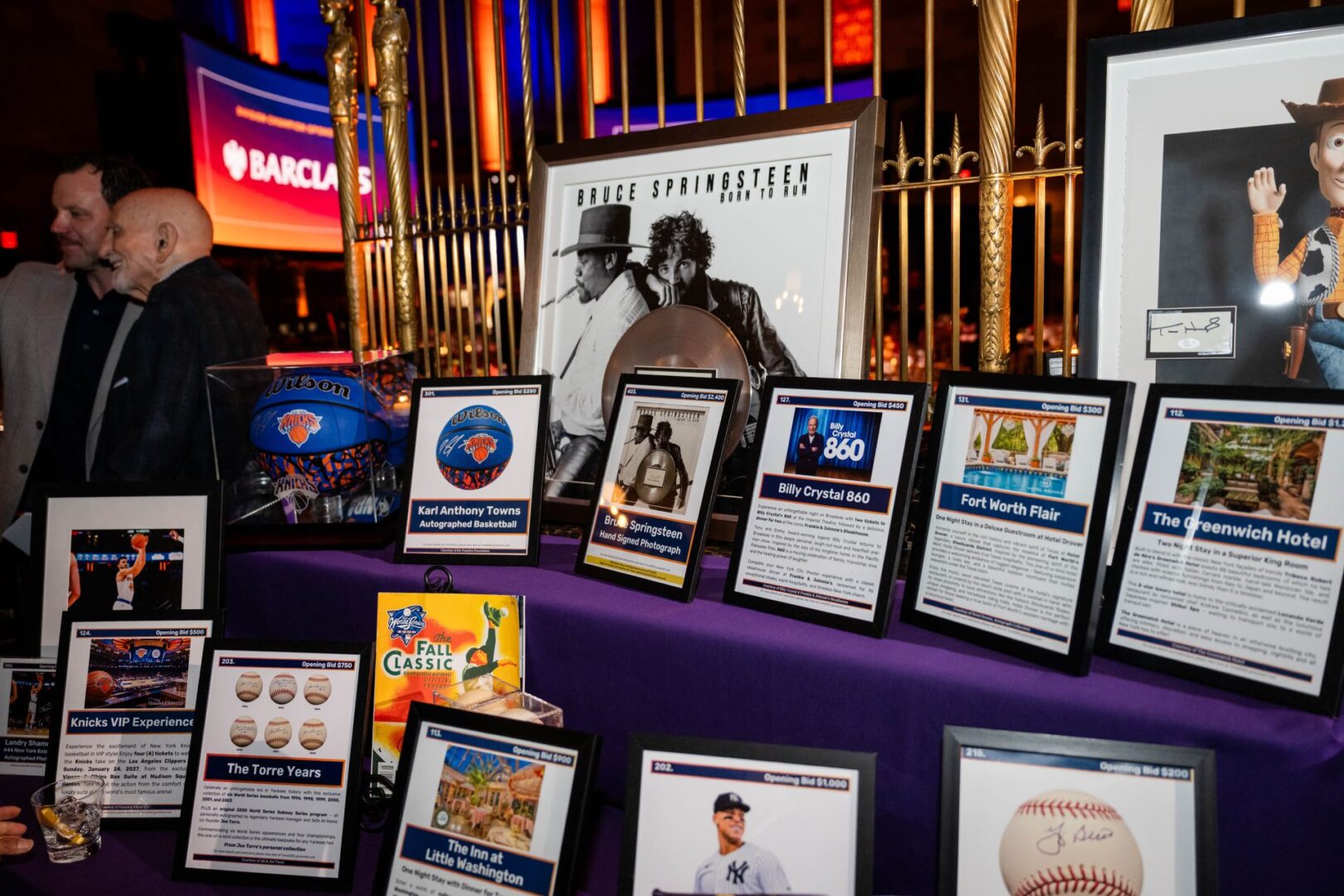
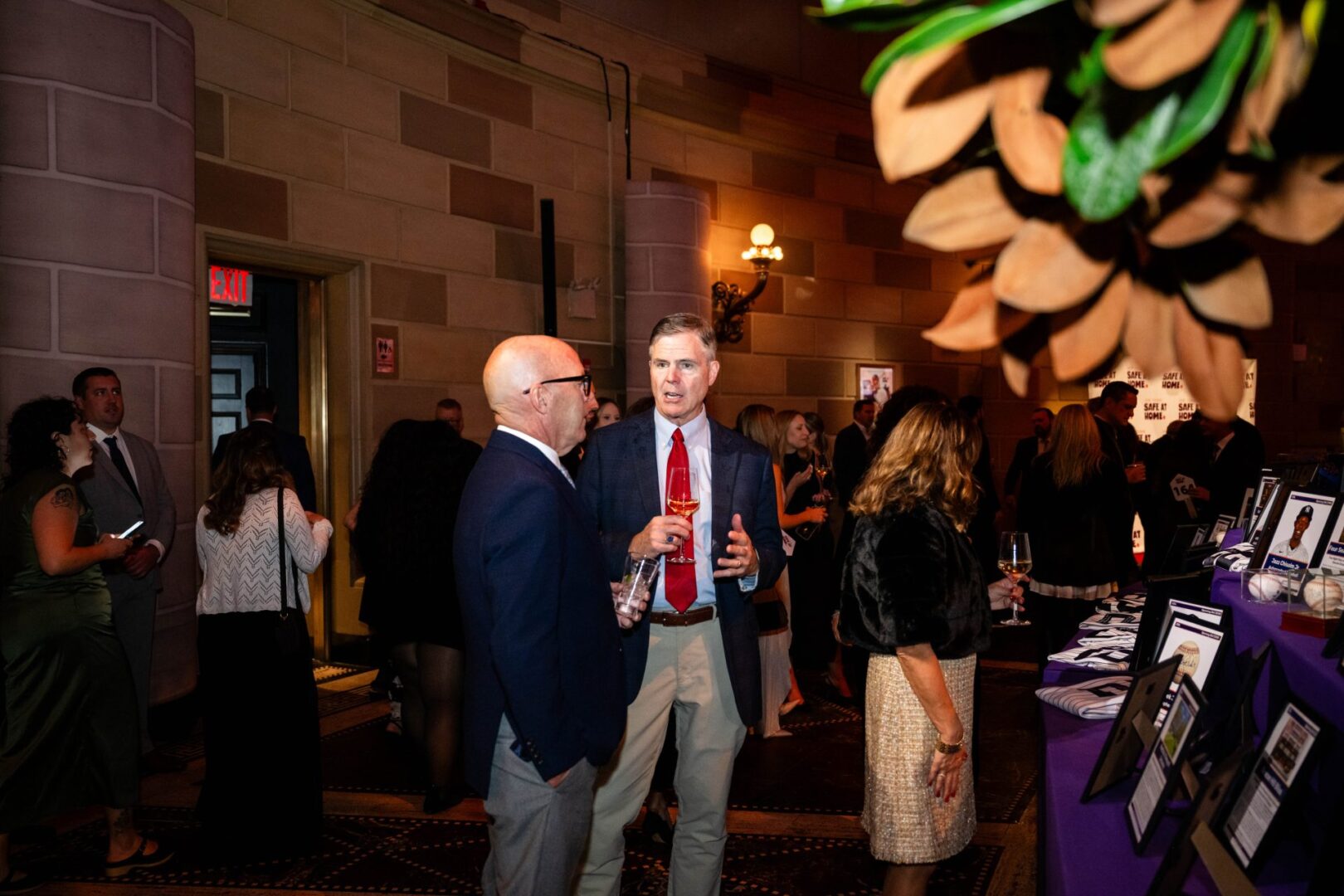
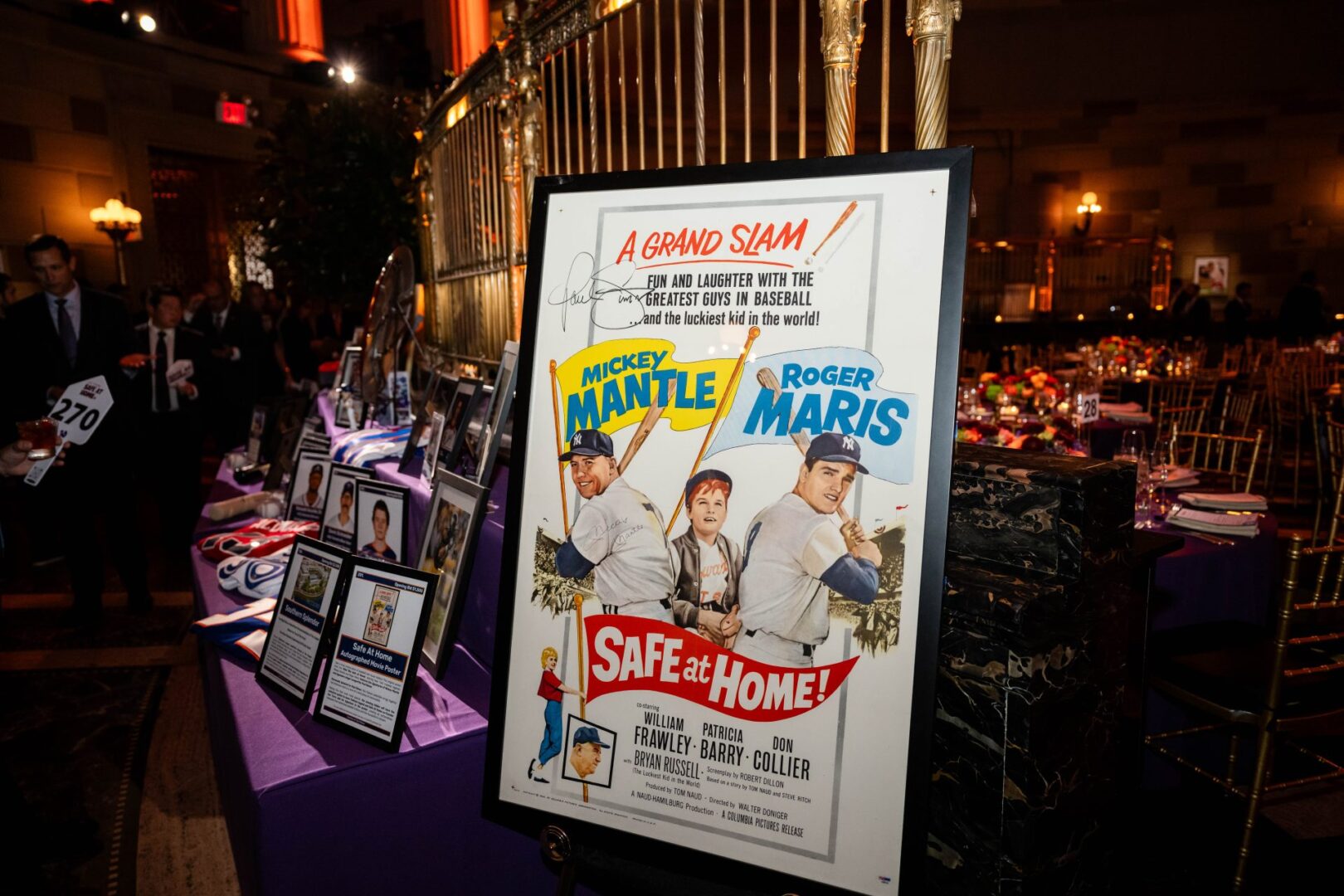
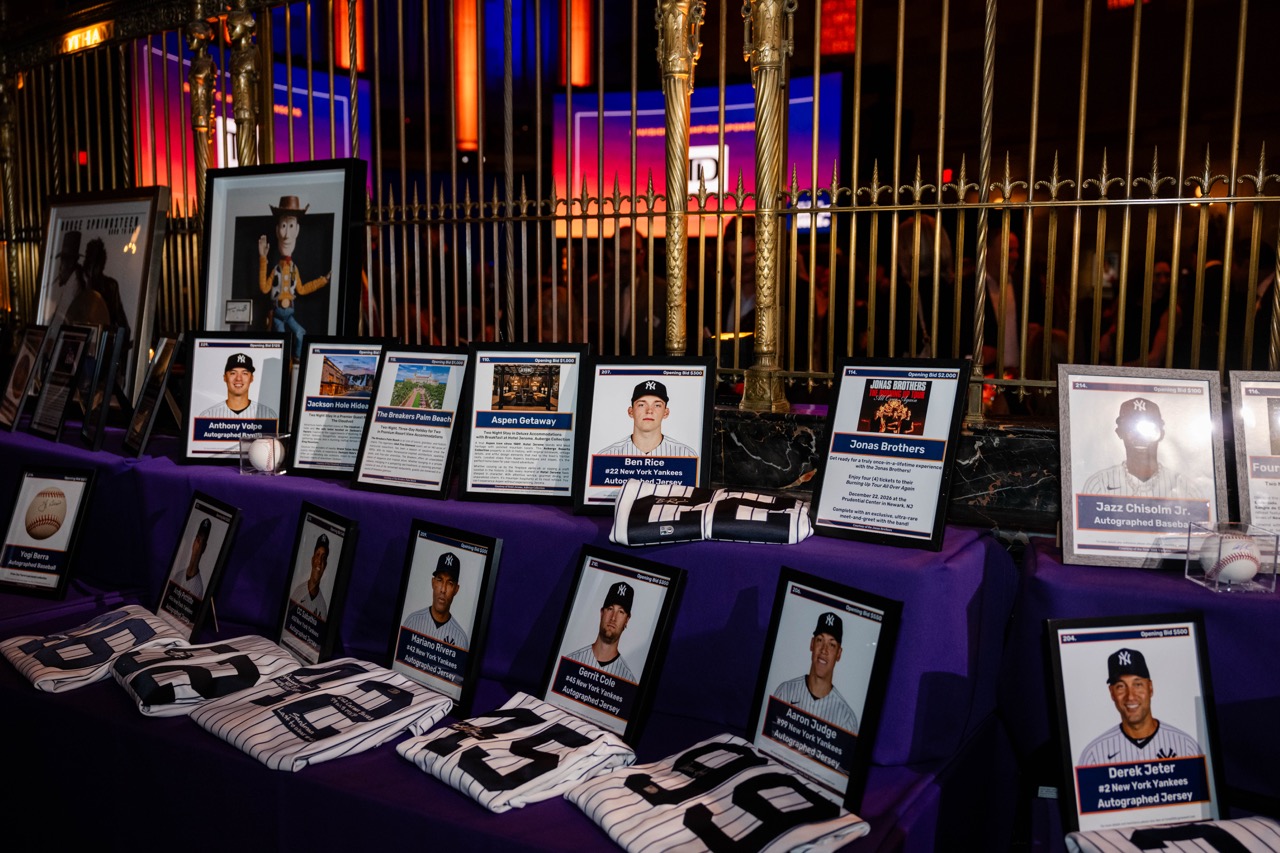
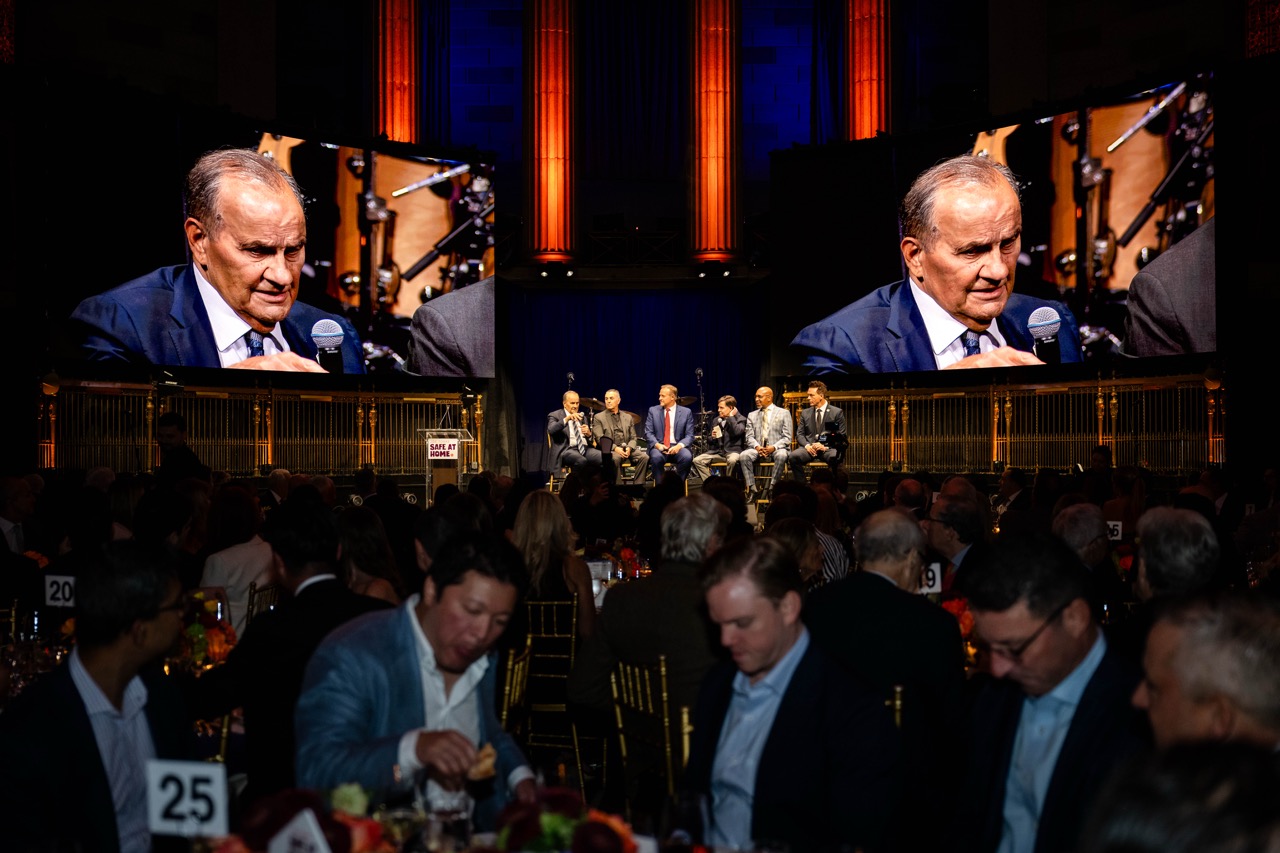
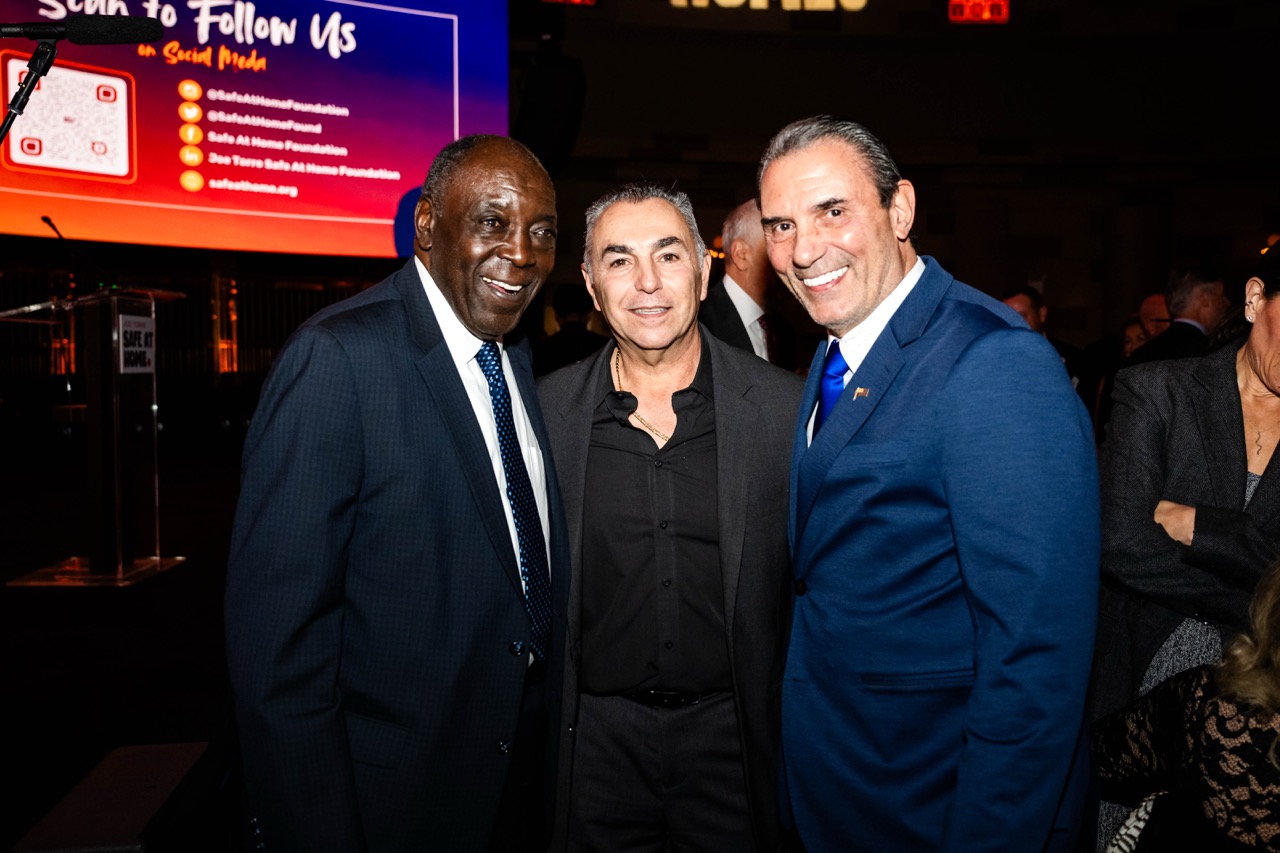
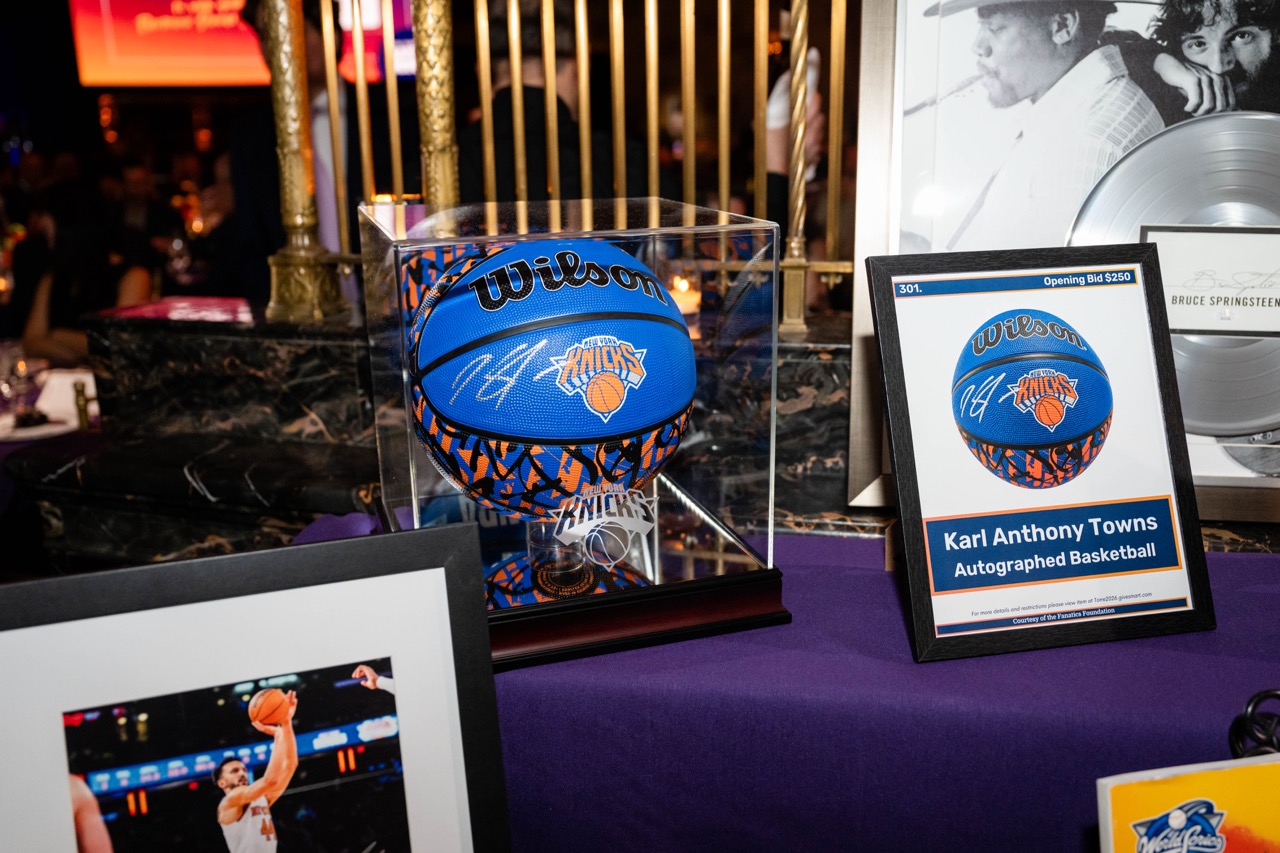
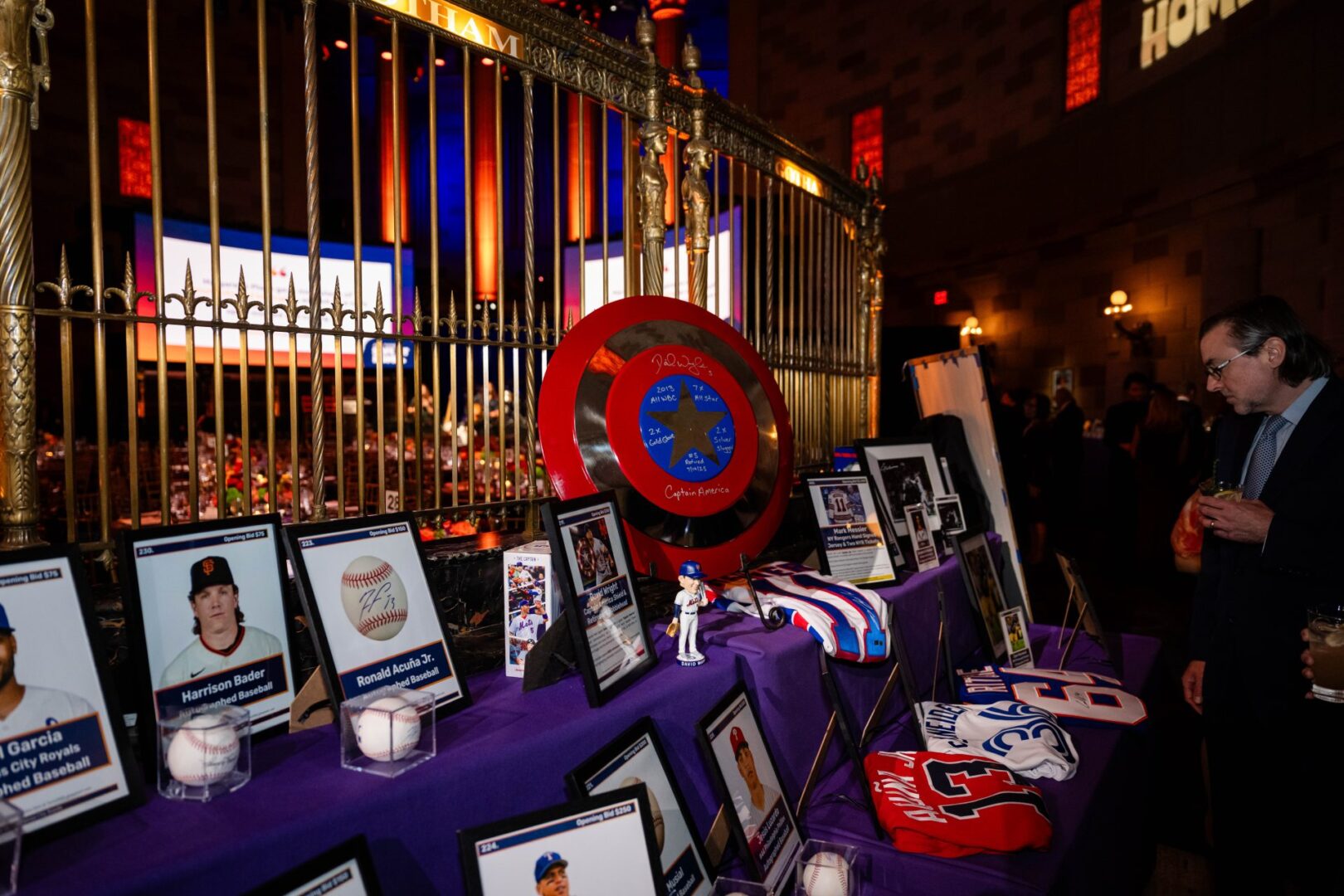
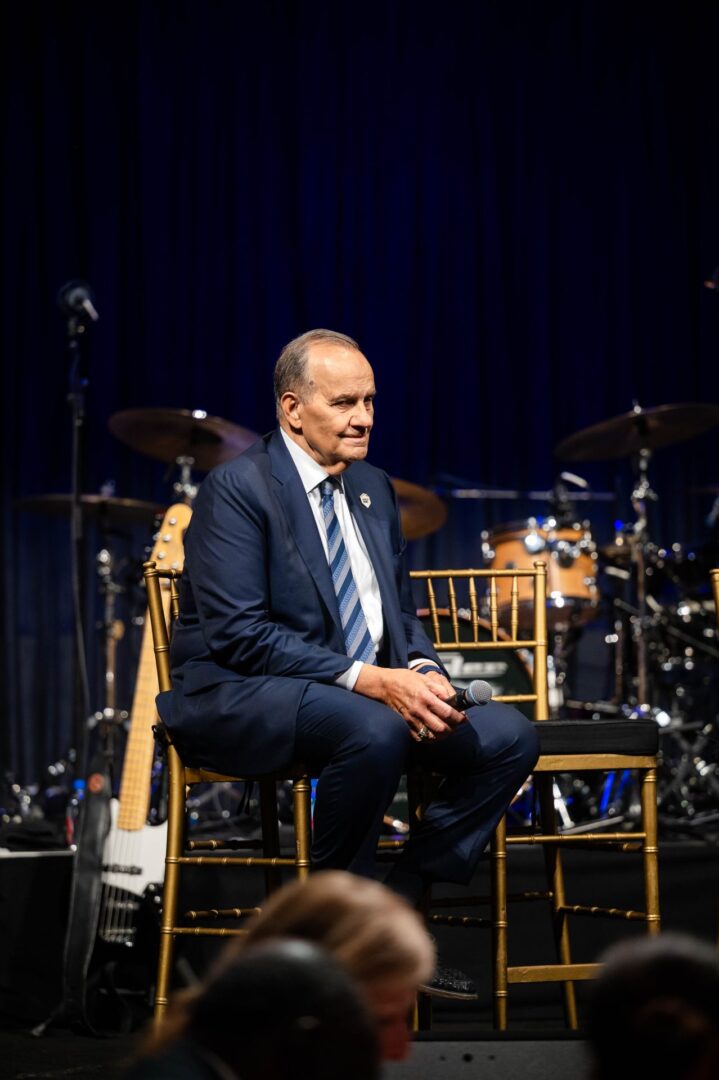
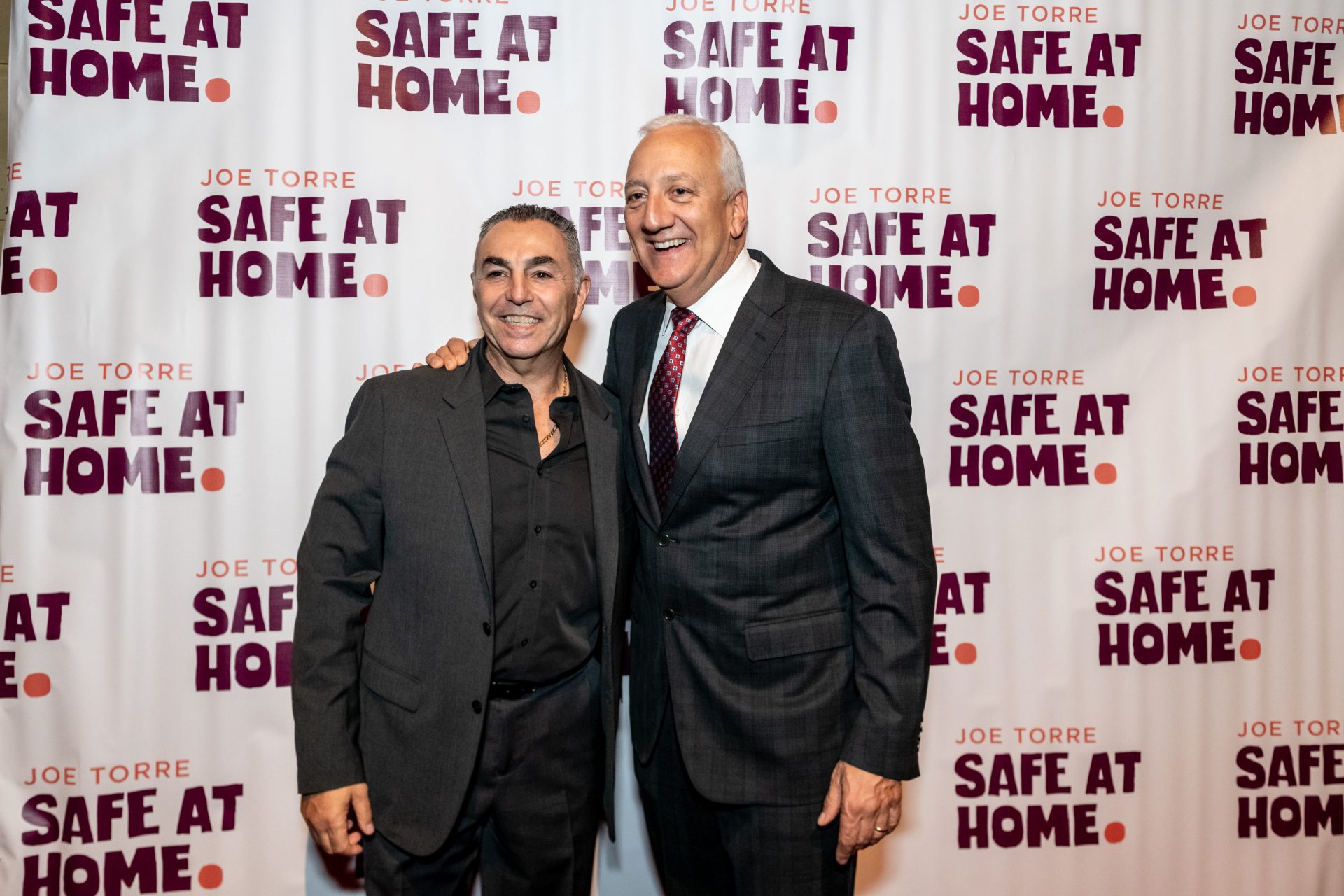
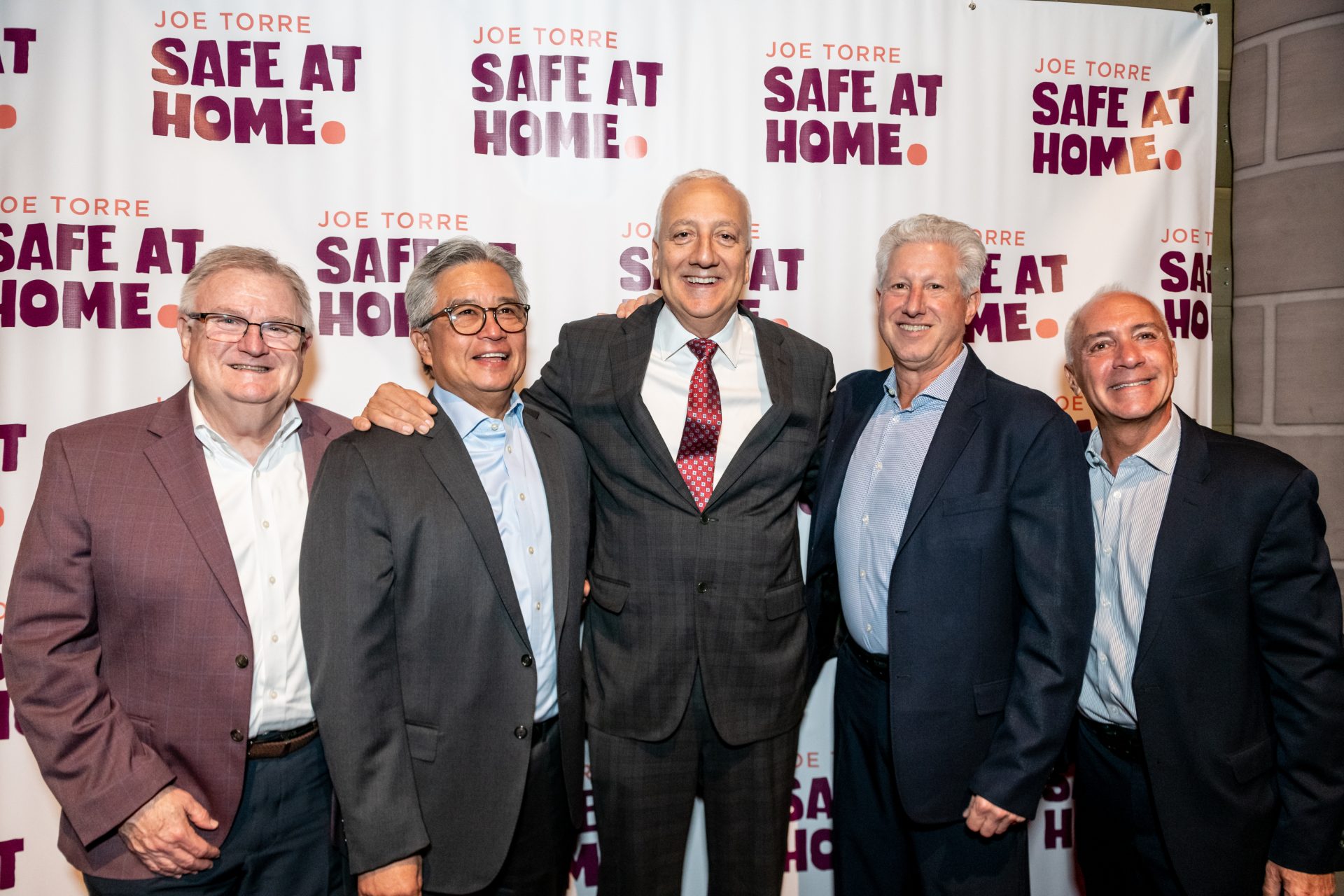
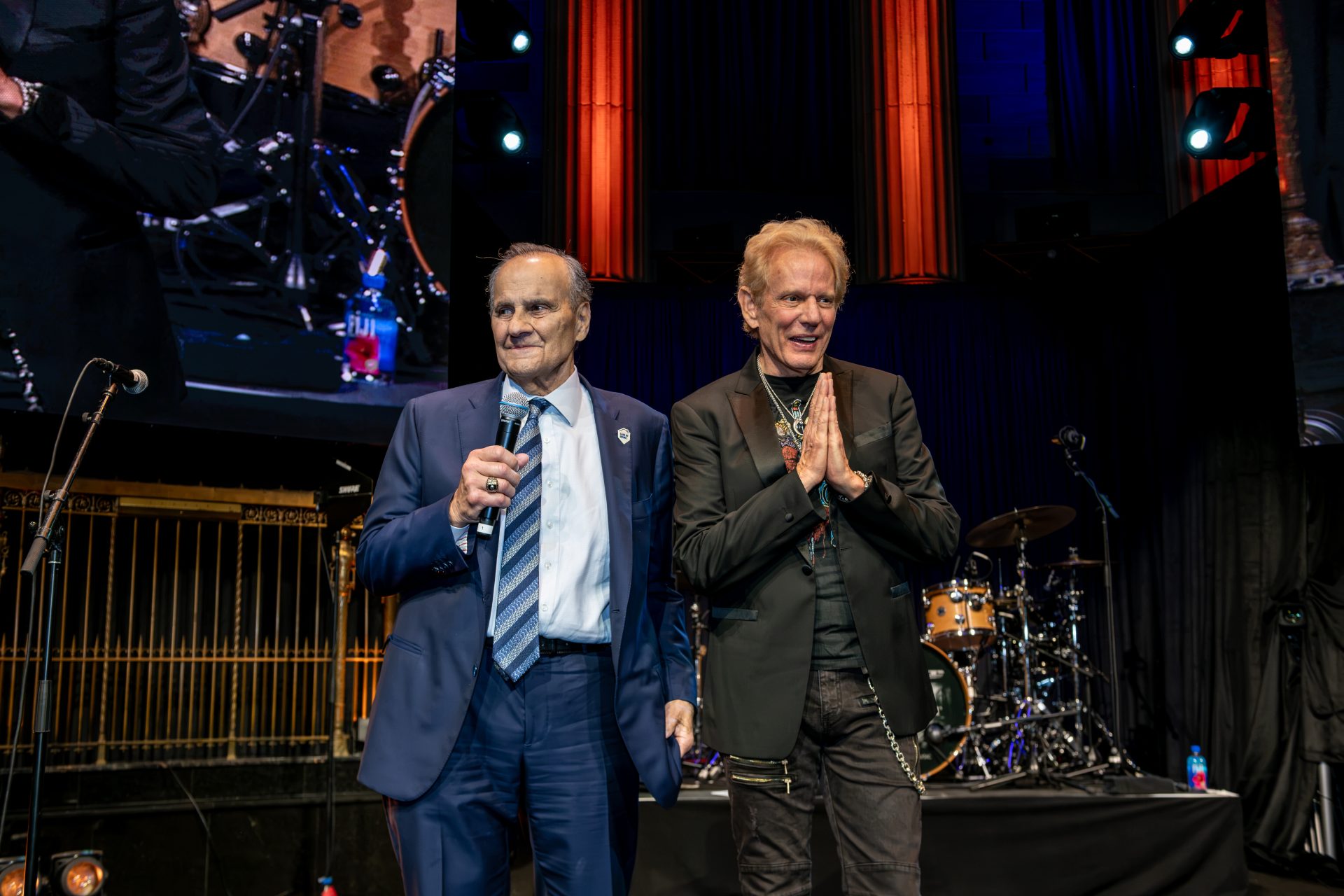
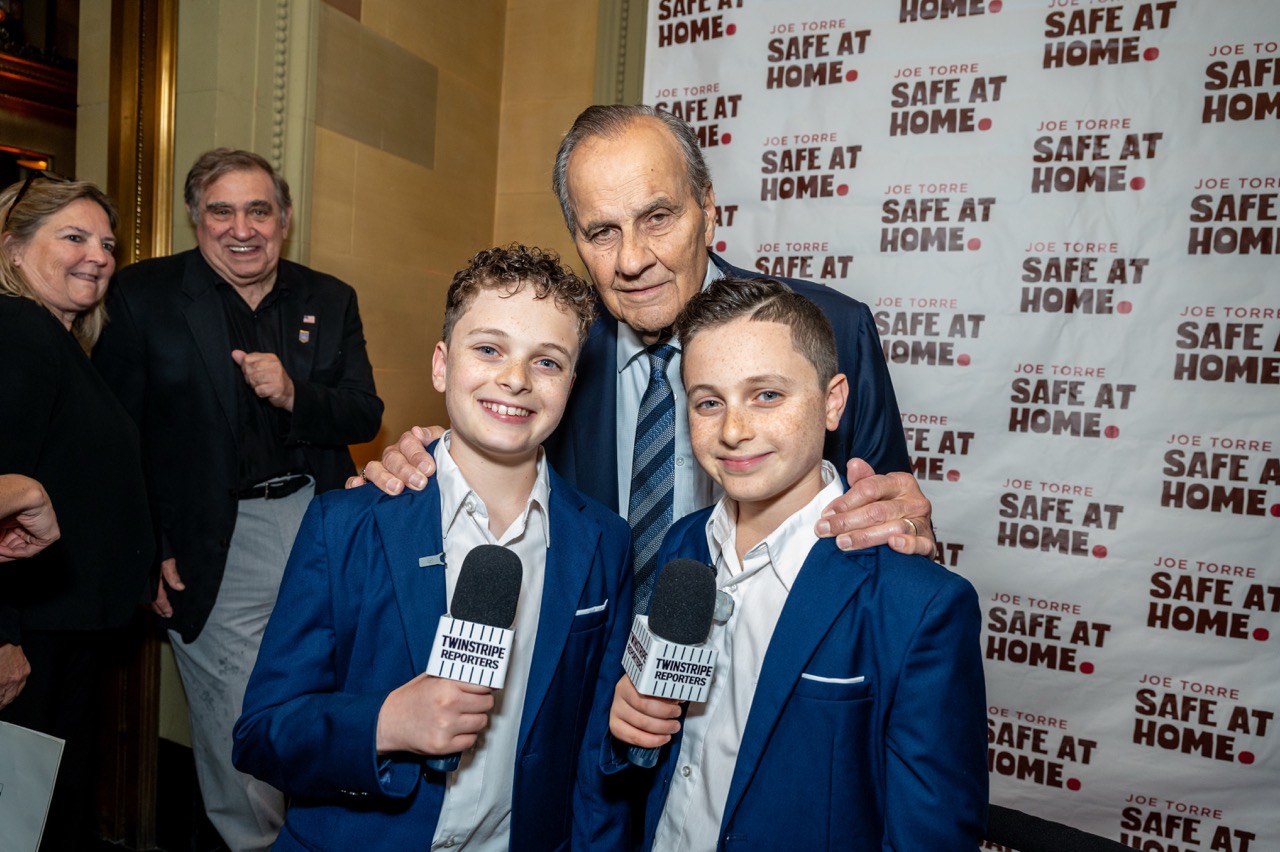
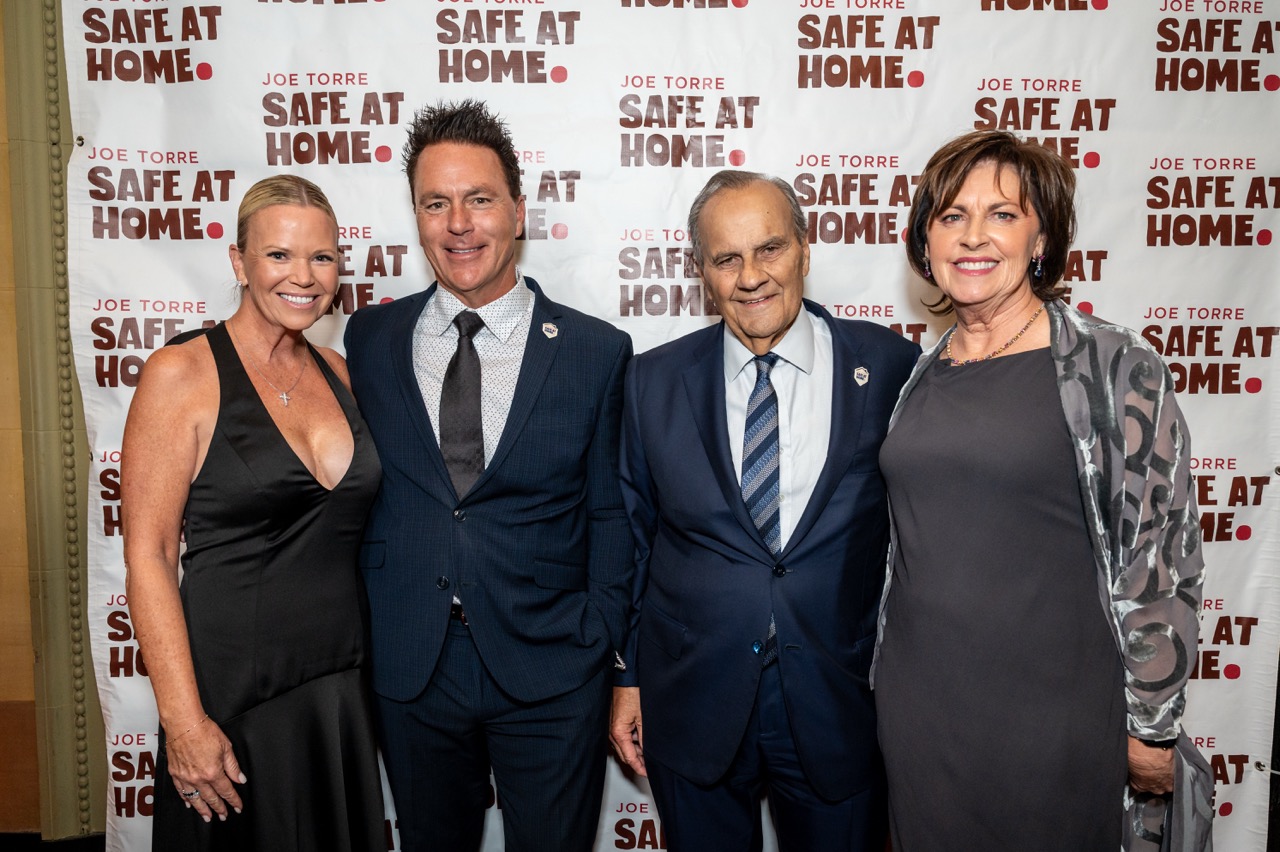
The evening began with a cocktail reception and silent auction before guests gathered for a program led by Bob Costas. Joined by Safe At Home Co-Founder Joe Torre and baseball greats John Franco, Al Leiter, Willie Randolph, and Todd Zeile, Costas and the panelists shared personal reflections on the recent 25th observance of September 11 and the role baseball played in bringing people together in its aftermath.

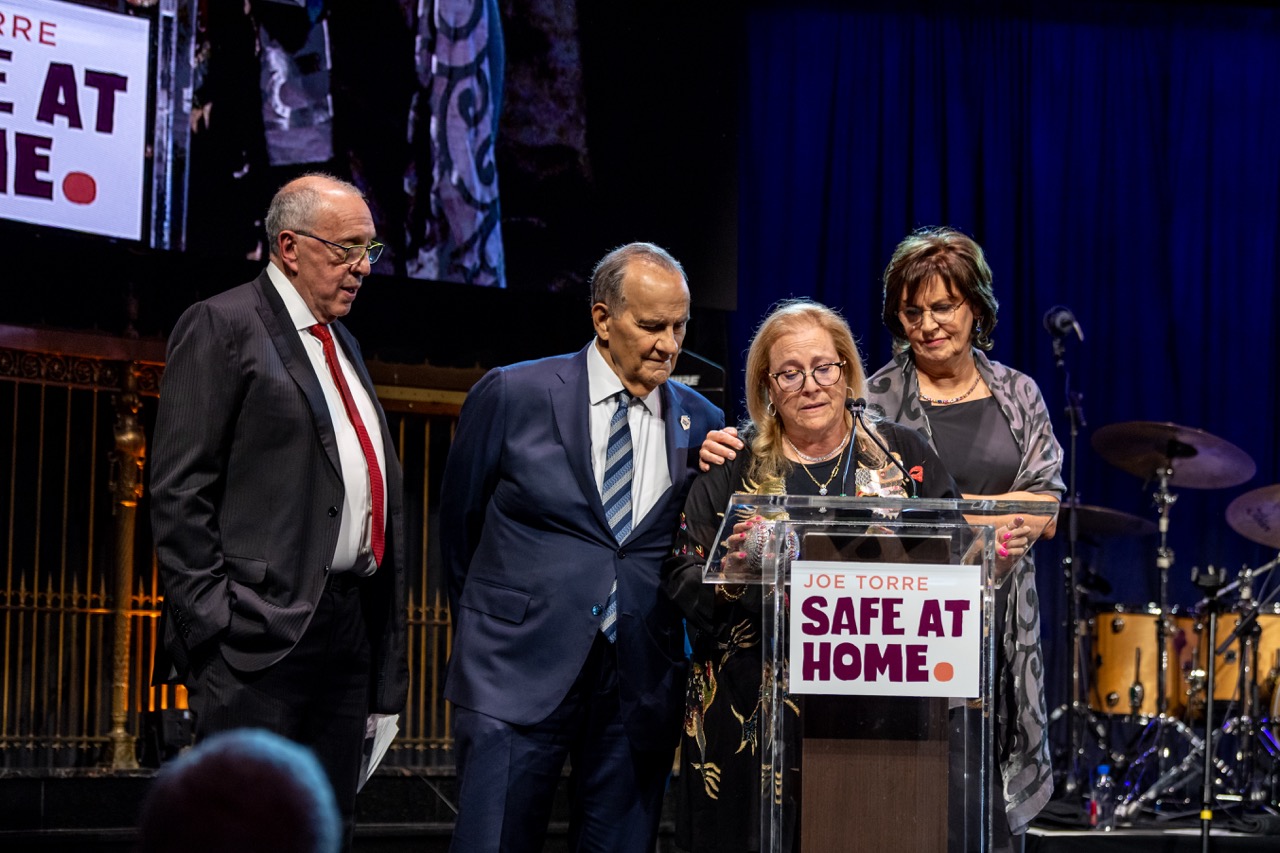
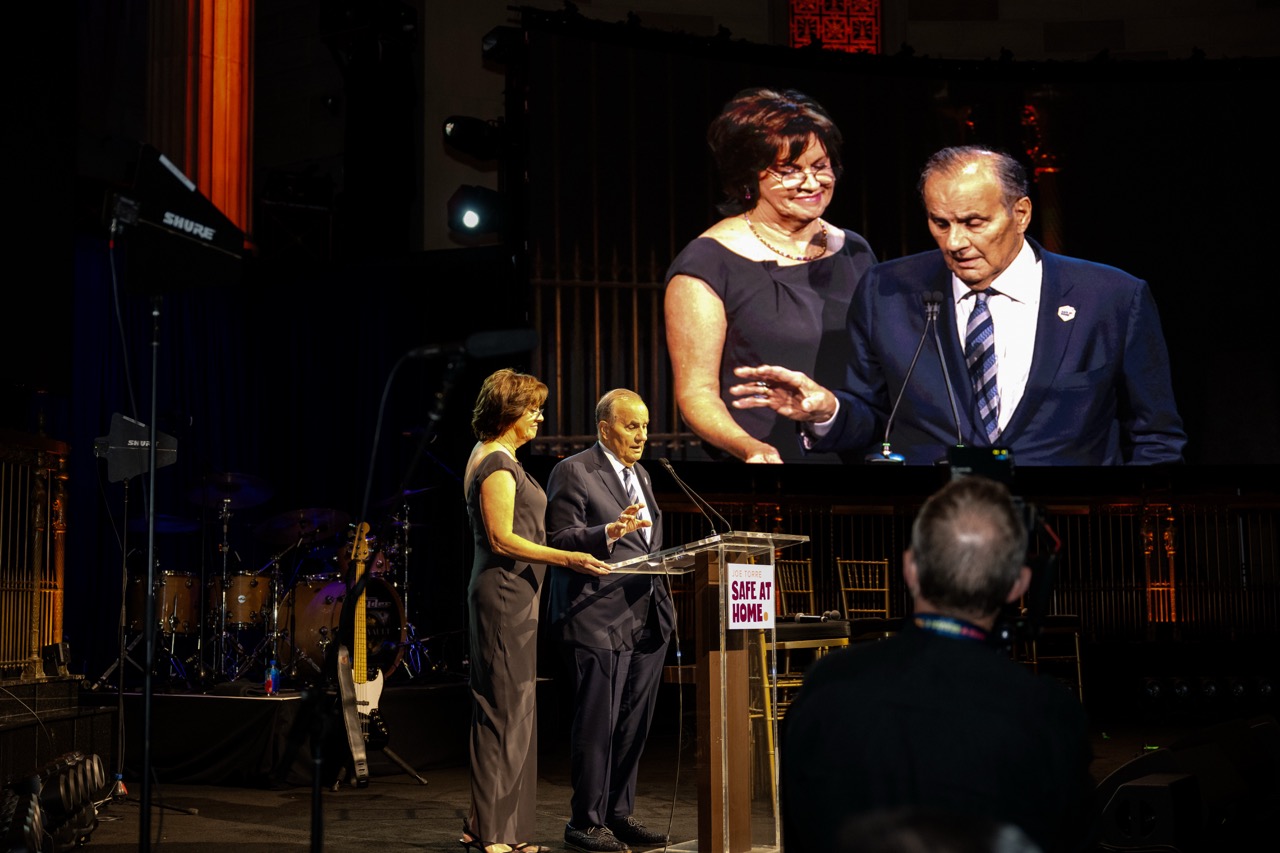
Co-Founders Ali and Joe Torre then welcomed guests, reflecting on the community of supporters and partners who have helped advance Safe At Home’s mission for more than two decades. Their remarks were accompanied by a special video looking back on the 2026 baseball season and showcasing how Safe At Home’s partnerships with Major League Baseball (MLB) and Minor League Baseball (MiLB) helped expand awareness of the organization’s mission and connect more people to critical resources.

Together, these moments highlighted the power of people coming together around a shared purpose—and the belief that reaching young people early, with trusted adults, safe spaces, and education, can help change the course of their lives.

Honoring Beth and Darrell Rigel

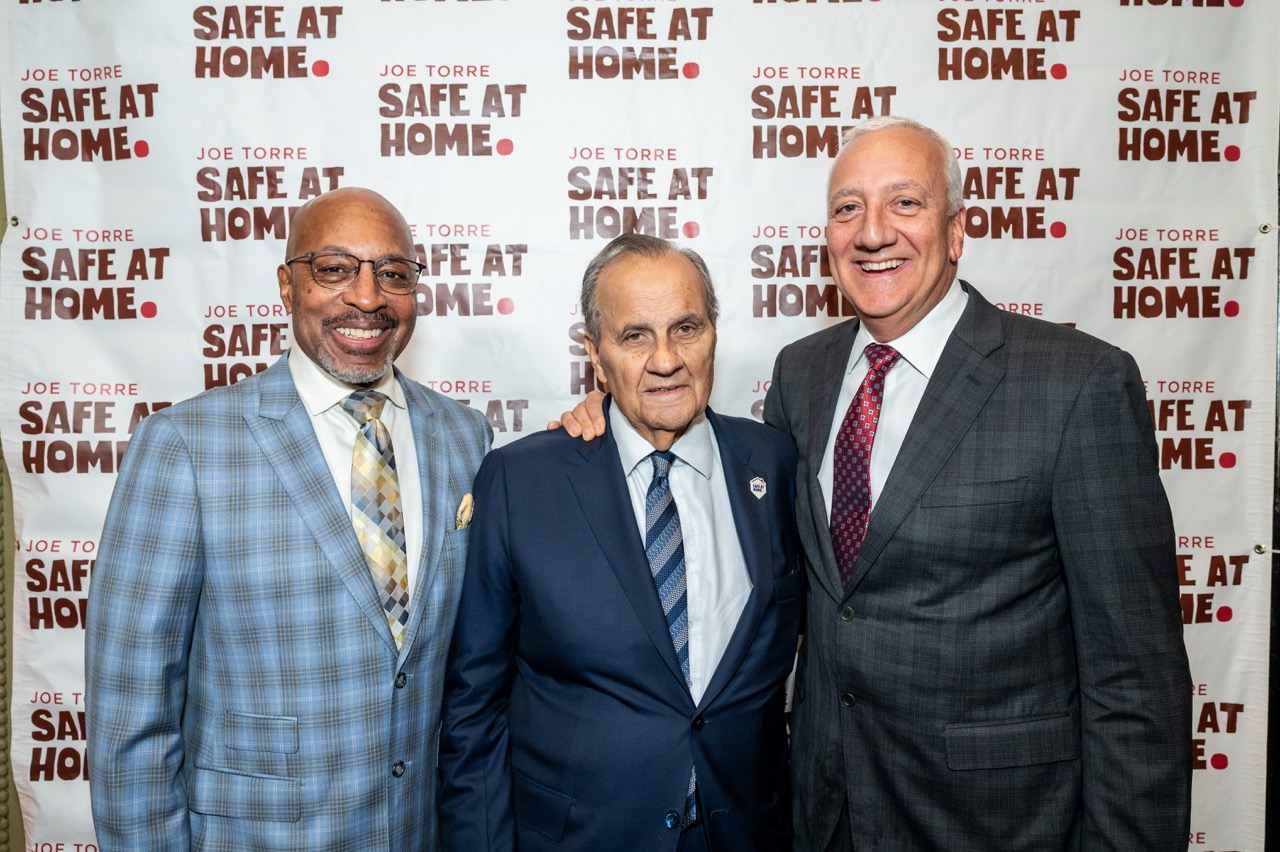
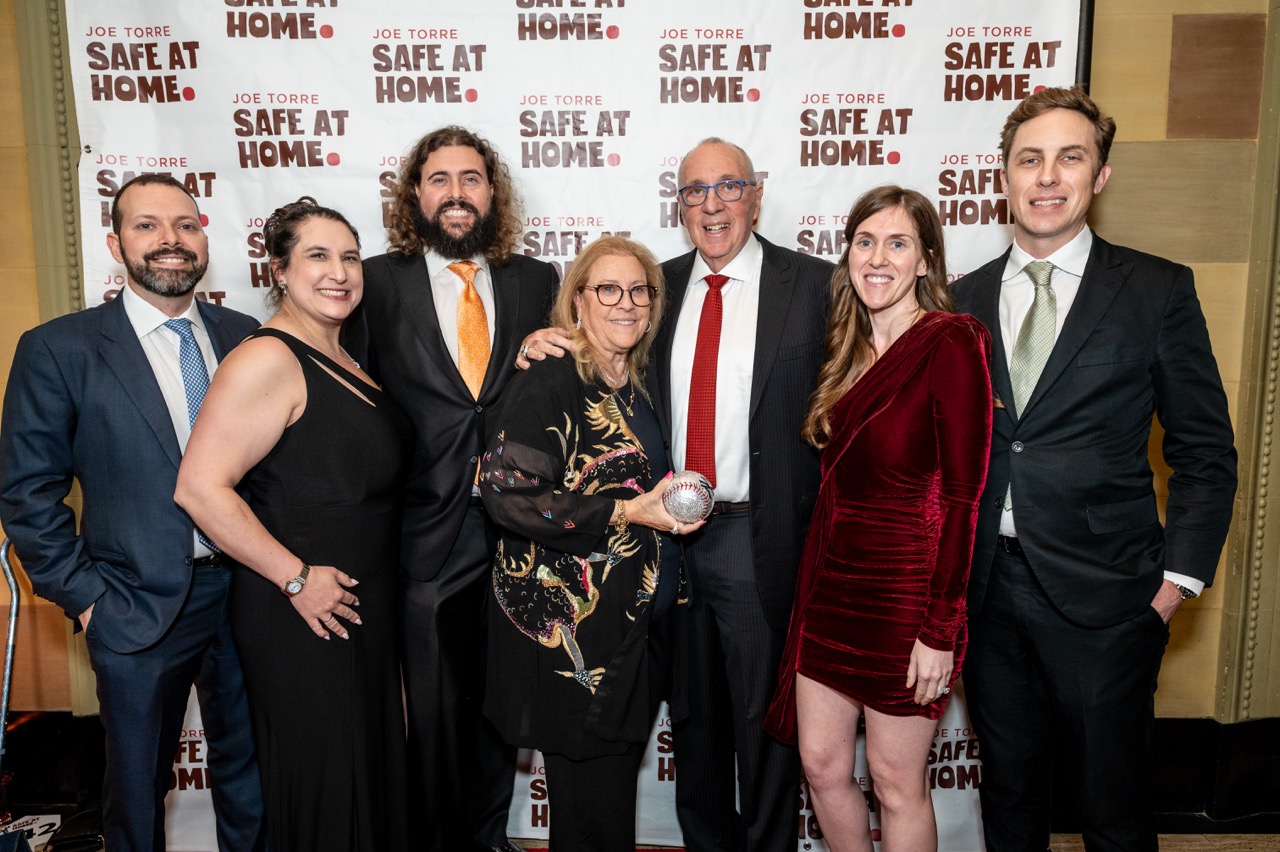
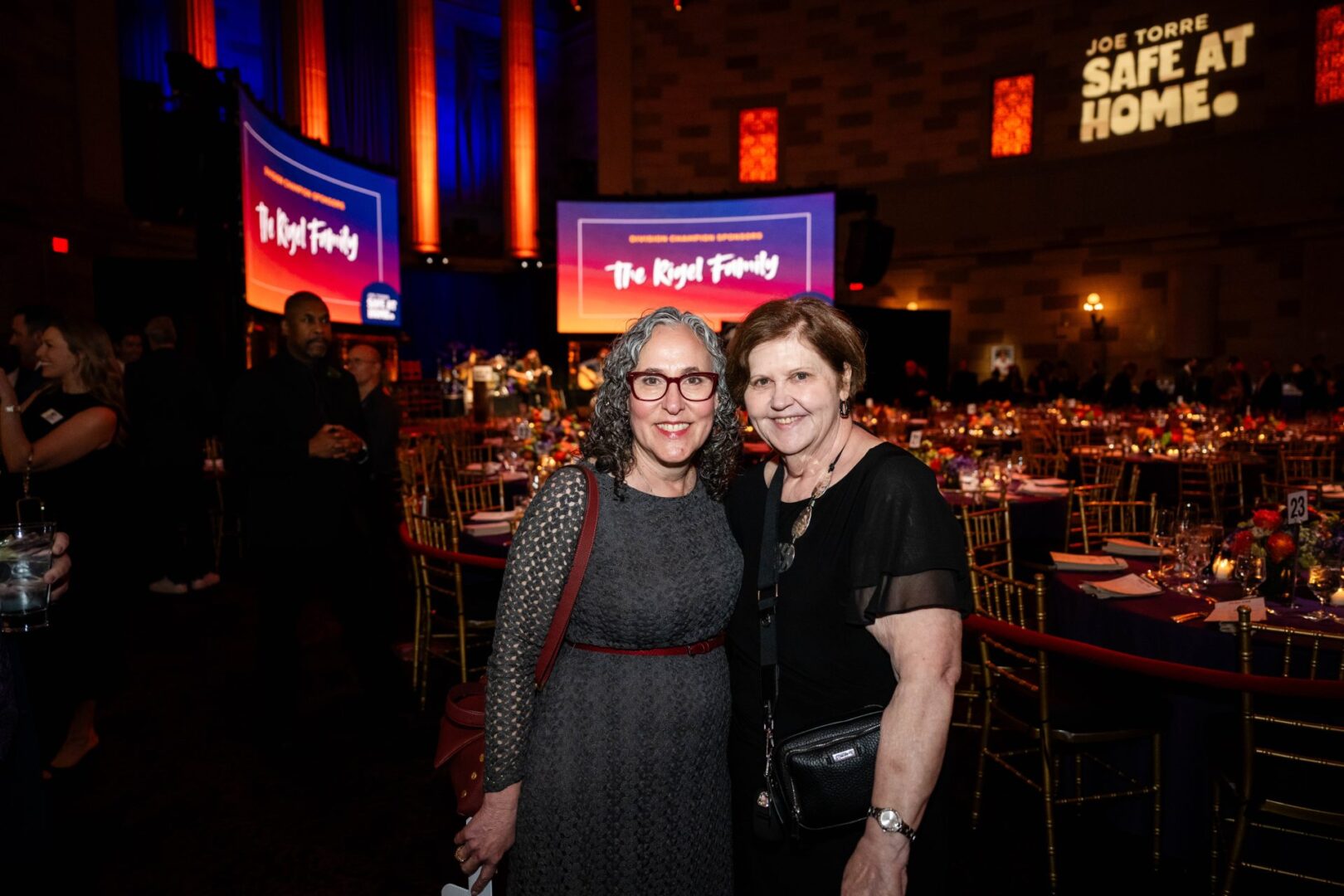
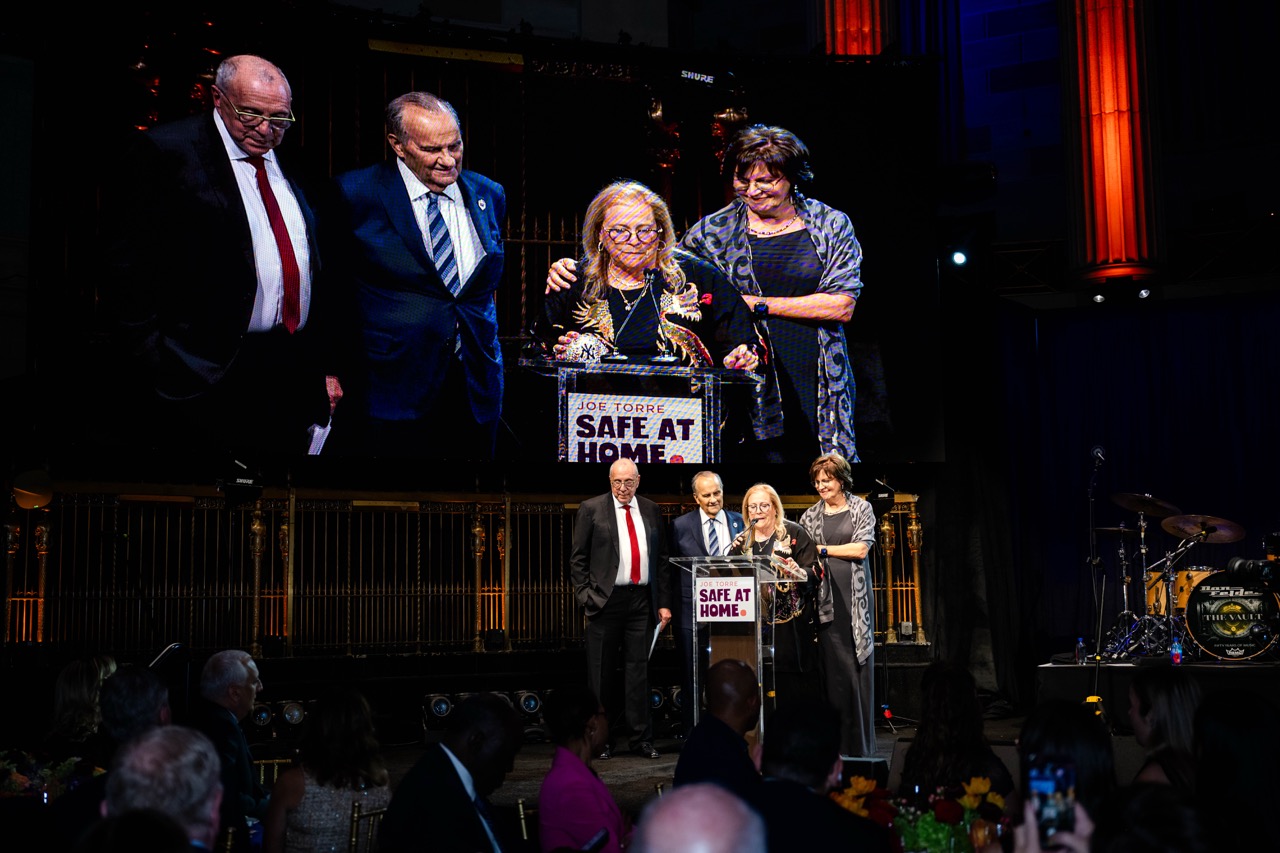
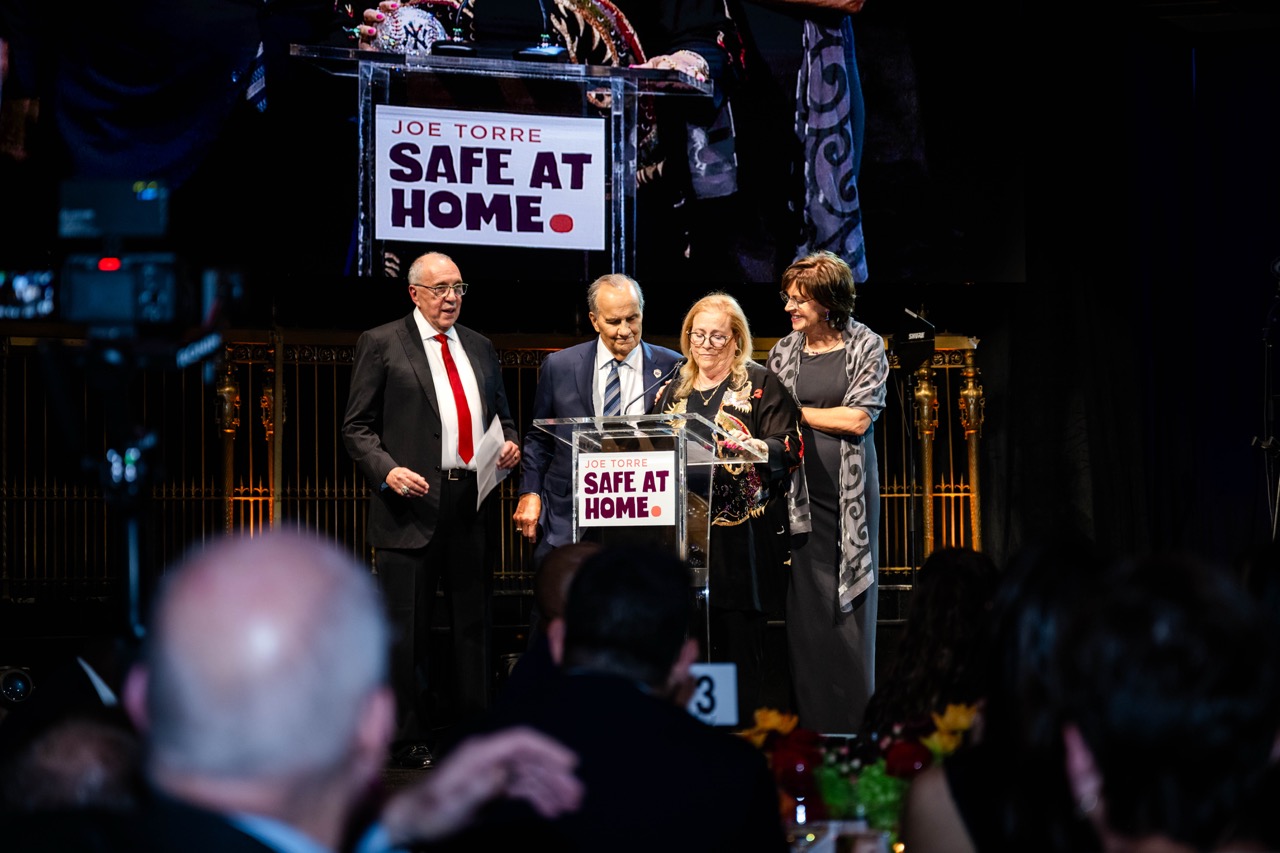
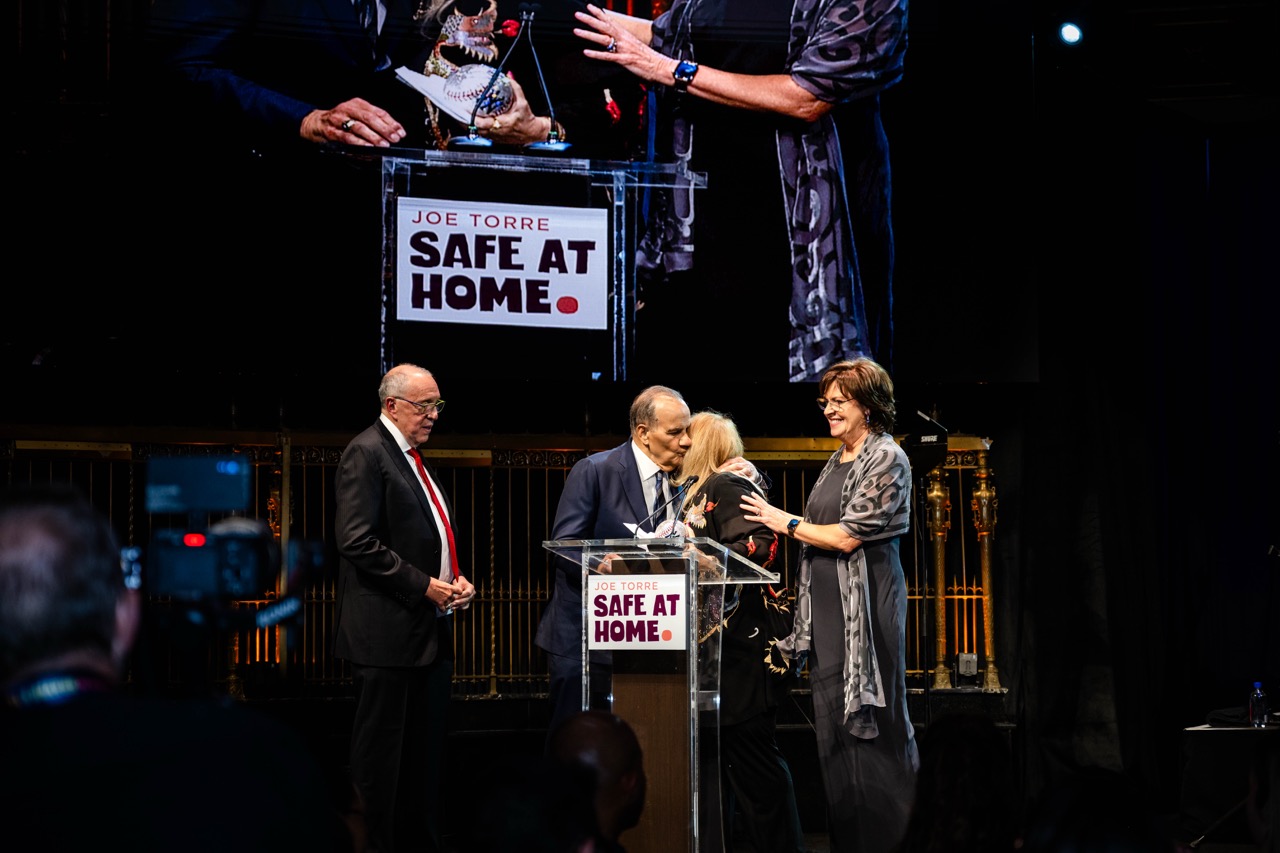
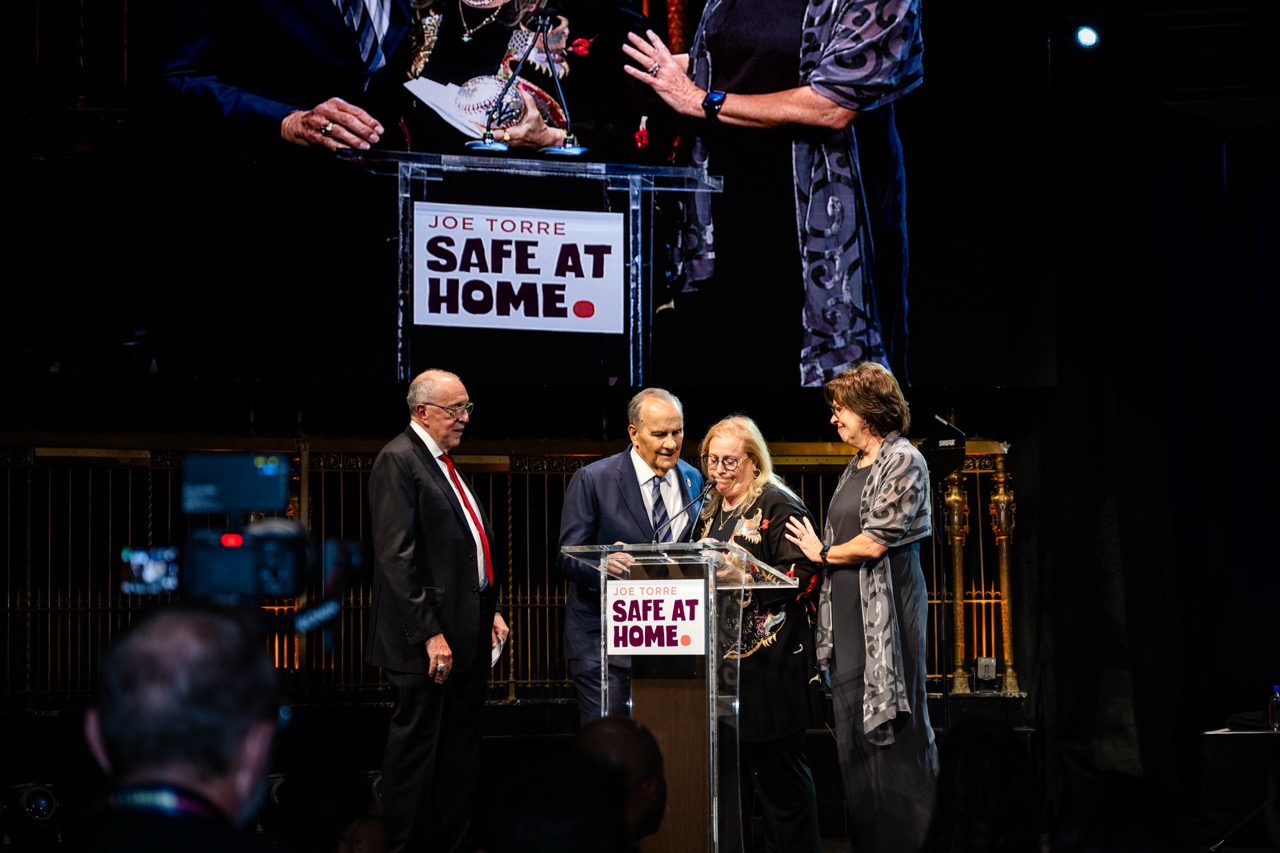
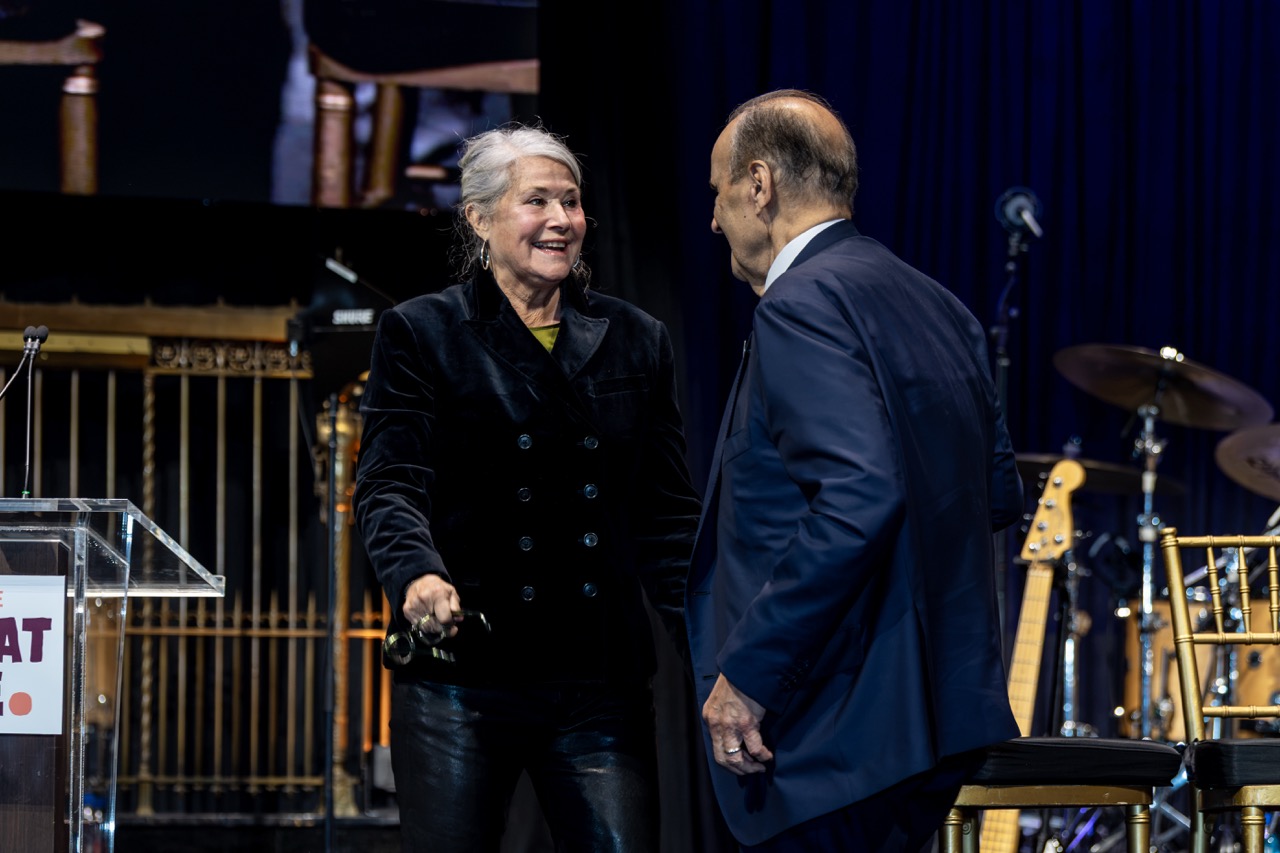
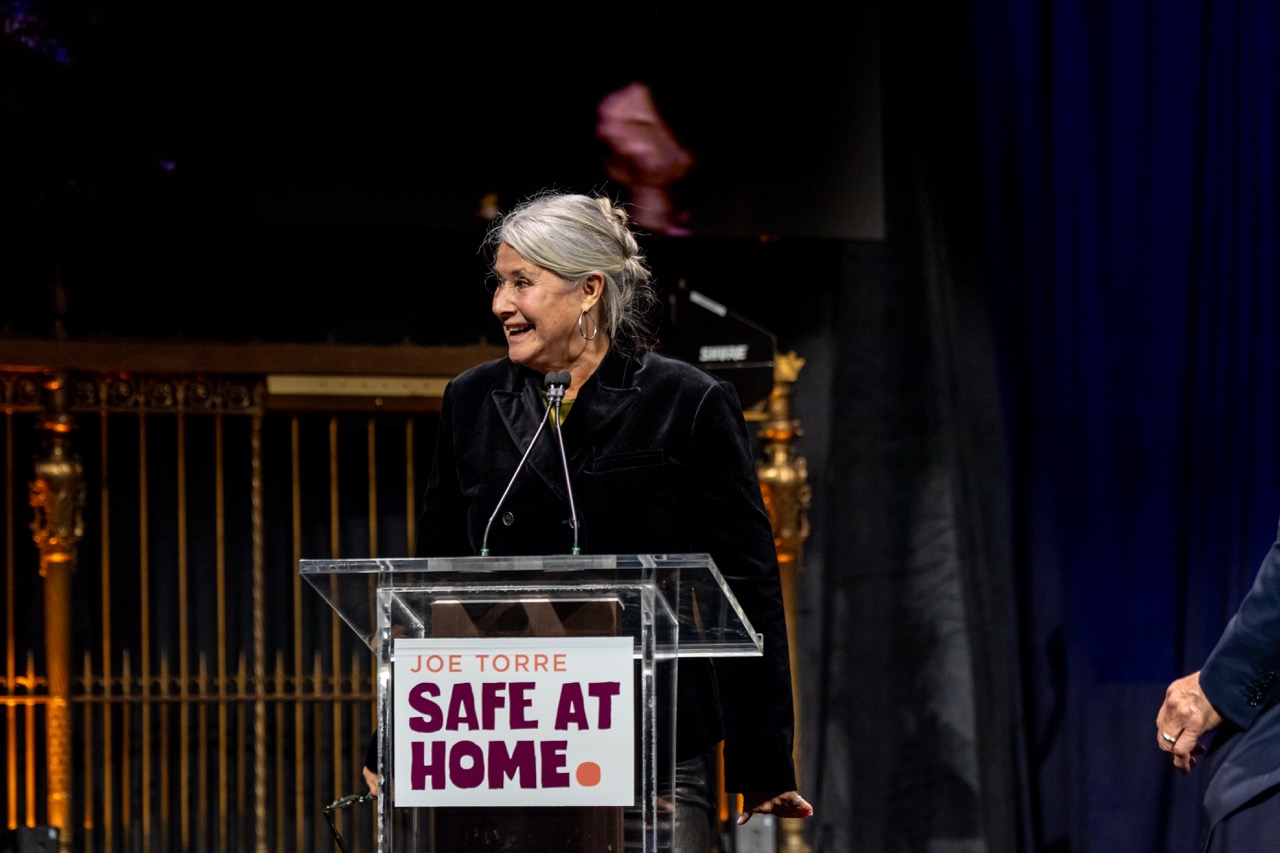
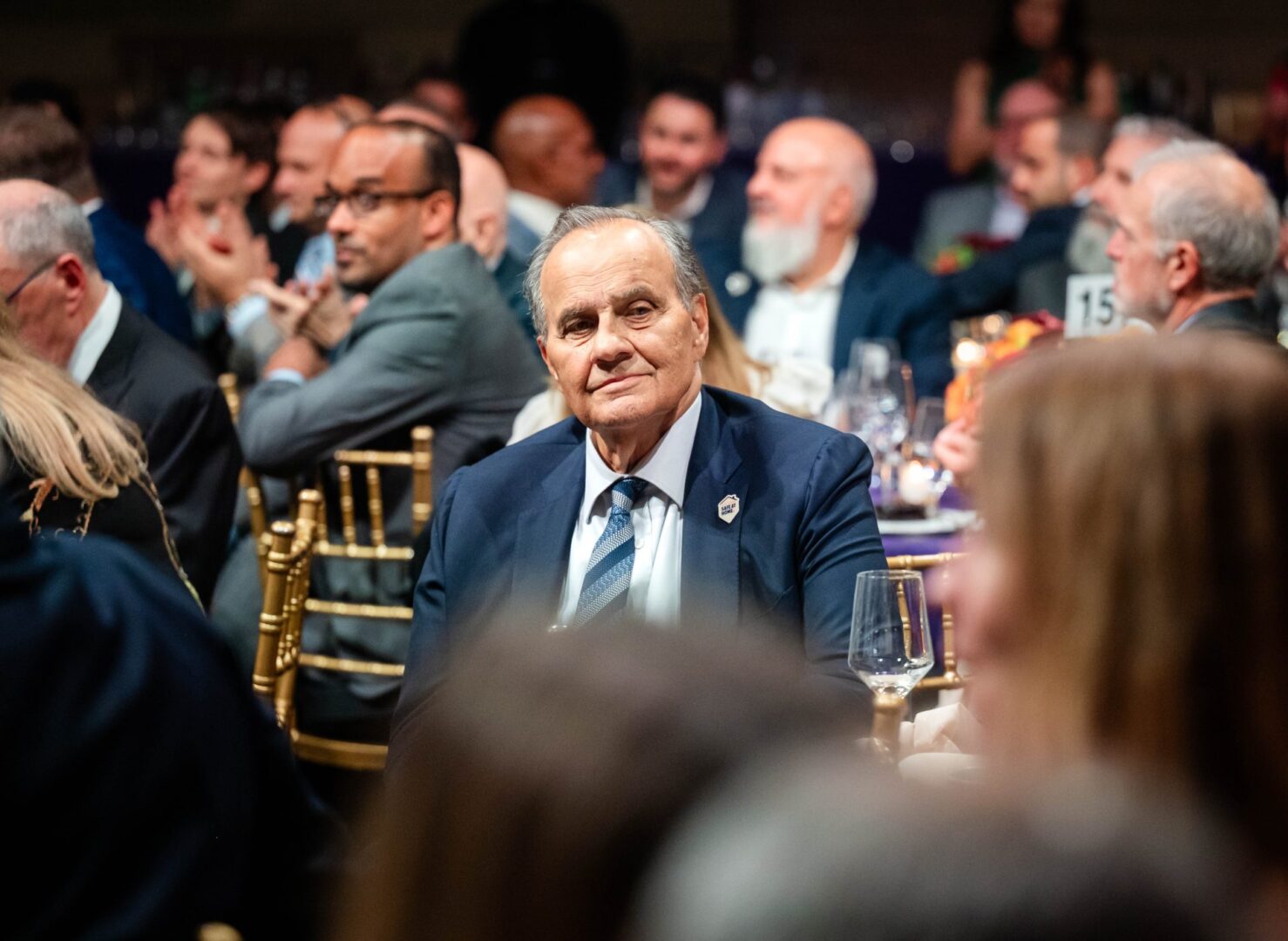
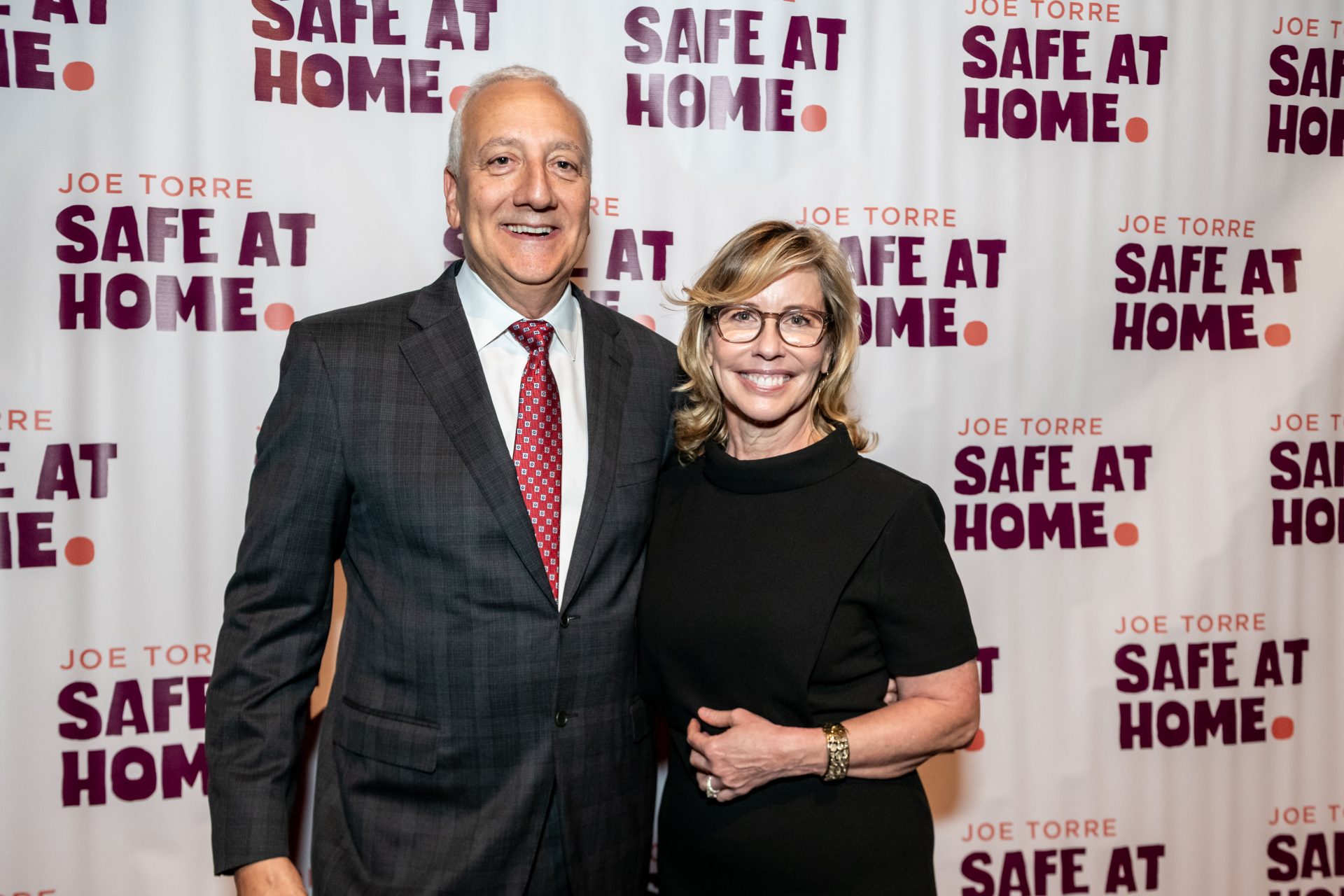
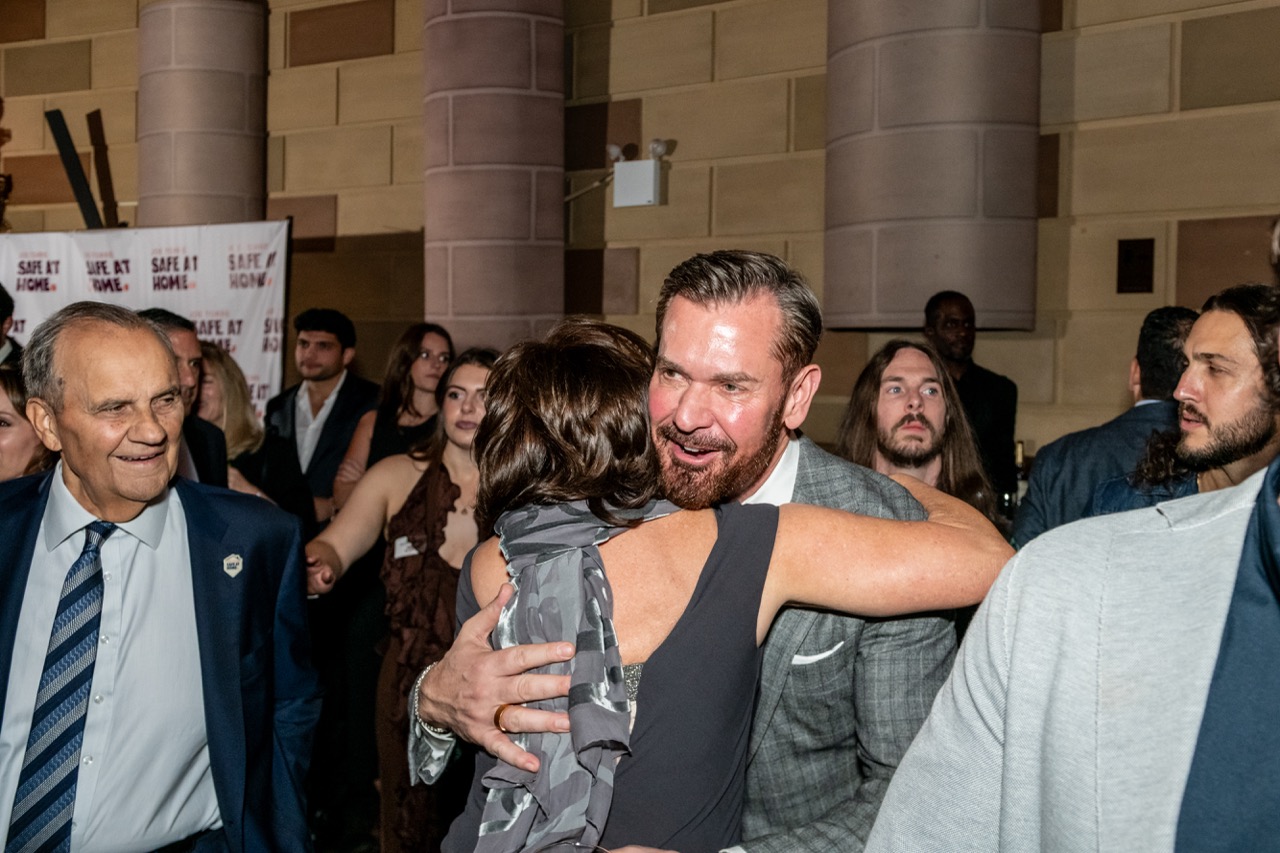
A highlight of the evening was the recognition of Beth and Darrell Rigel, whose extraordinary generosity and commitment have supported Safe At Home for nearly two decades. Having attended every New York Gala for the past 15 years, the Rigels are cherished members of the Safe At Home family, consistently showing up for the organization and the young people it serves.

In their remarks, Darrell reflected on the importance of ensuring every child has the opportunity to grow up feeling safe, valued, and loved, and the responsibility we all share in making that possible.

We are deeply grateful to Beth, Darrell, and the entire Rigel family for their enduring friendship, generosity, and belief in our mission.

"You are giving children a voice, offering them hope, helping families find a path forward, and showing young people that their circumstances today do not have to define their future." — Darrell Rigel

The Impact of Margaret's Place

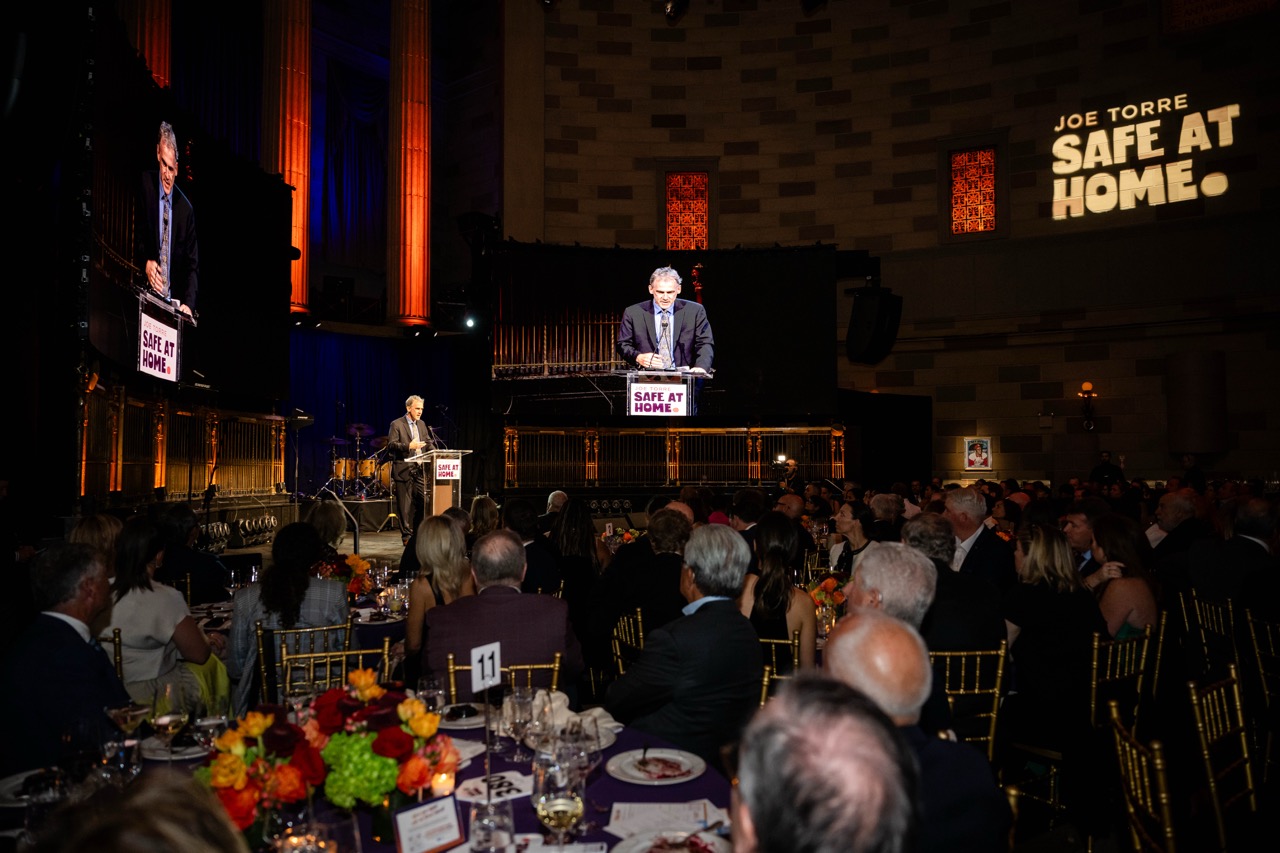
The evening also brought Safe At Home’s mission into focus through reflections from Nicholas Paarlberg, longtime principal of Hostos-Lincoln Academy in the South Bronx, home to the very first Margaret’s Place.

Drawing on more than 20 years of firsthand experience, Paarlberg shared how a welcoming space, a trusted counselor, and a supportive school community can transform a young person’s experience—from feeling isolated and overwhelmed to finding confidence, connection, and opportunities to lead.

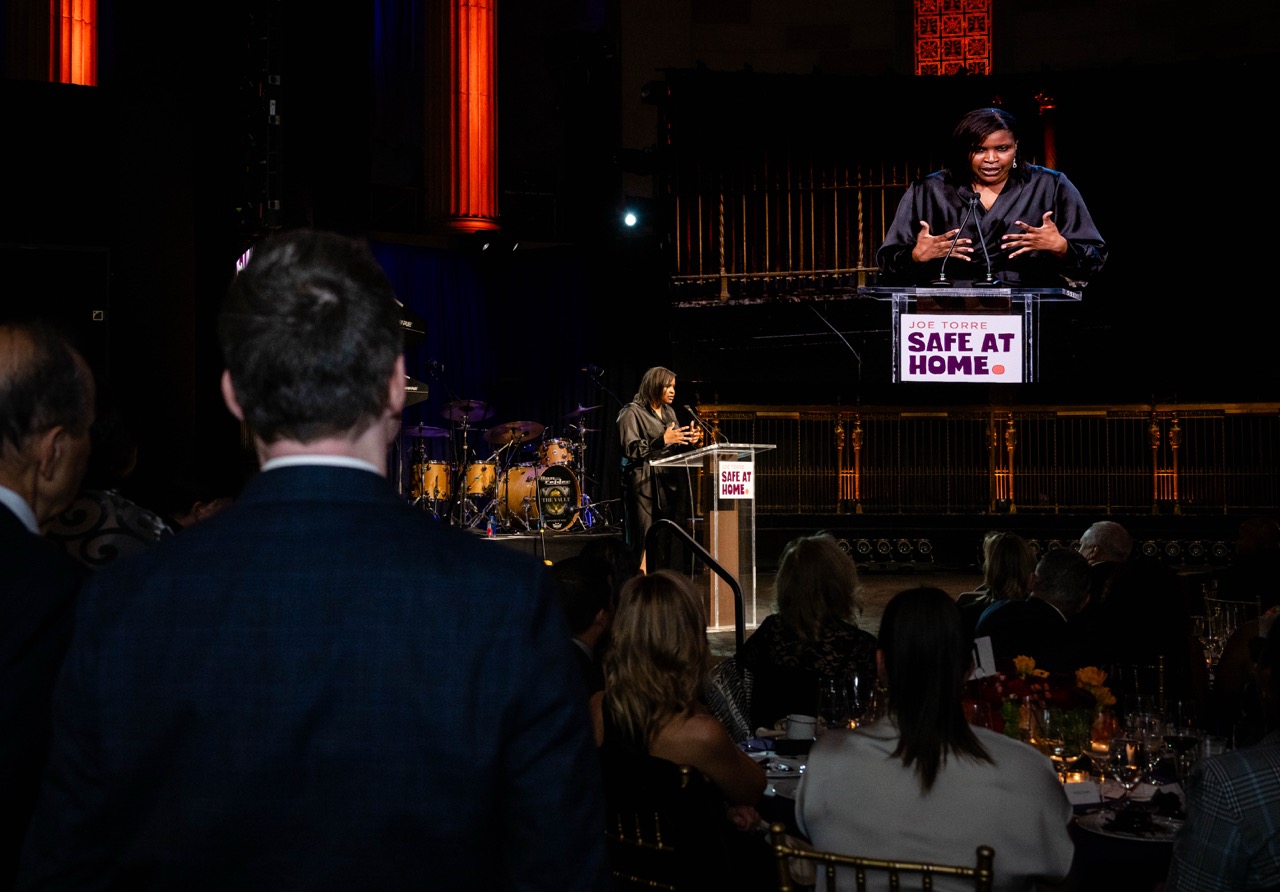
Safe At Home Executive Director Typhani Carter followed with a powerful call to action, emphasizing the importance of prevention, early intervention, and the collective responsibility to create healthier, safer futures for young people.

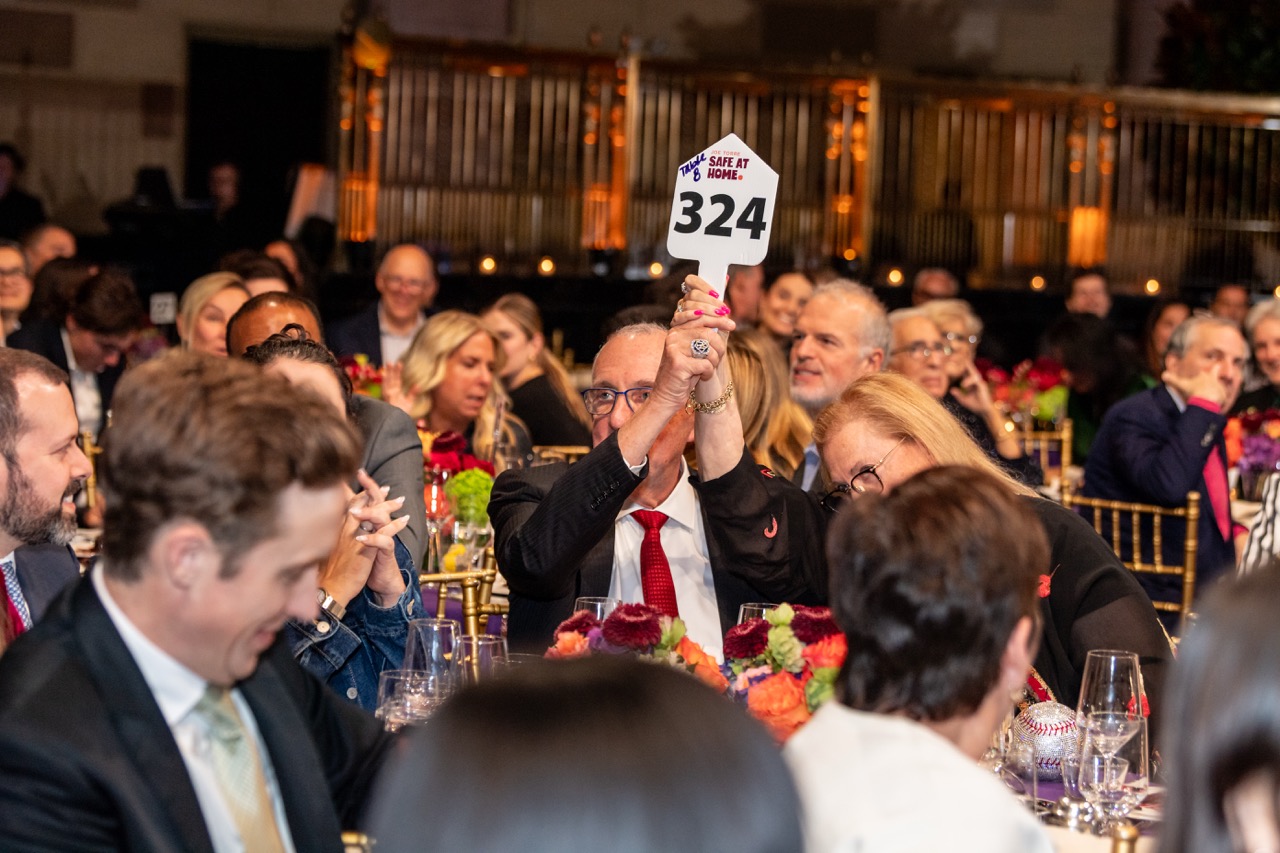
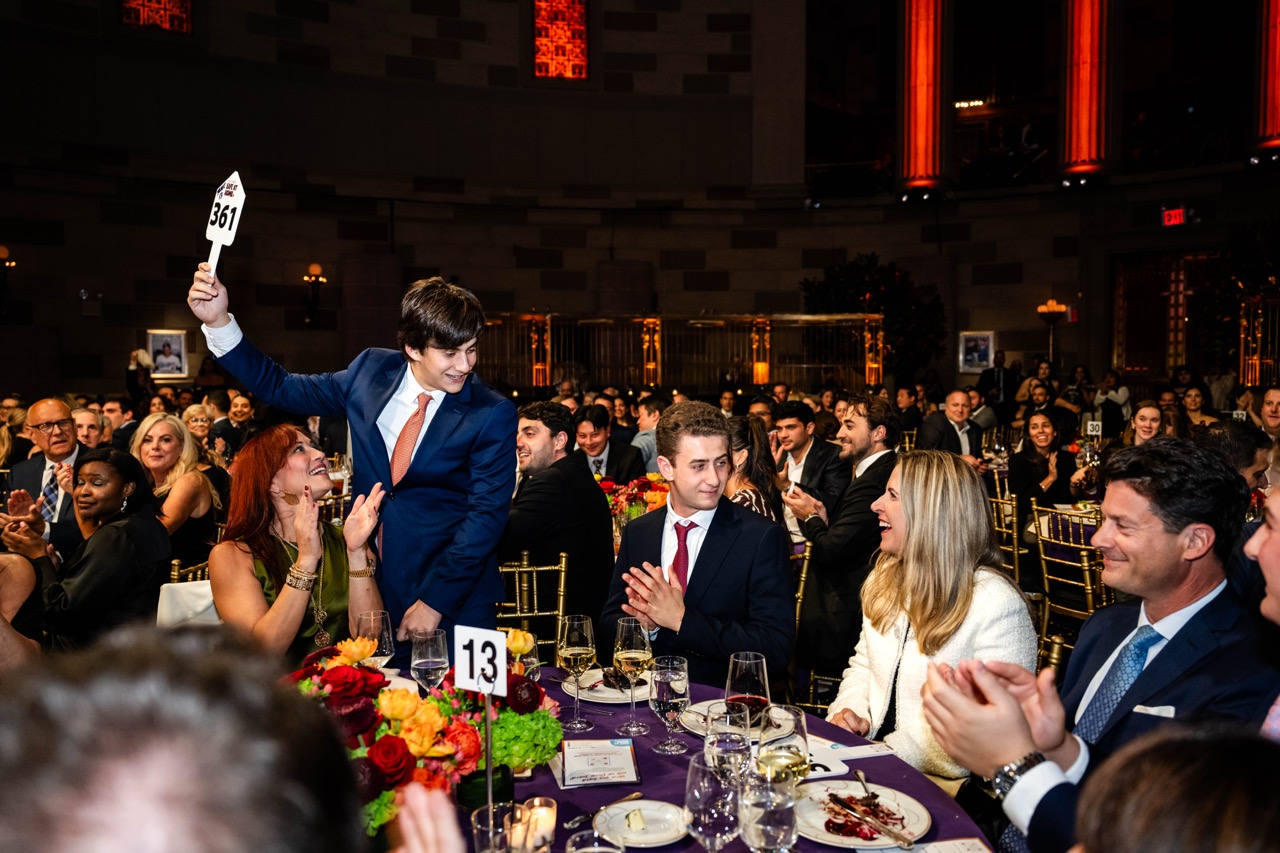
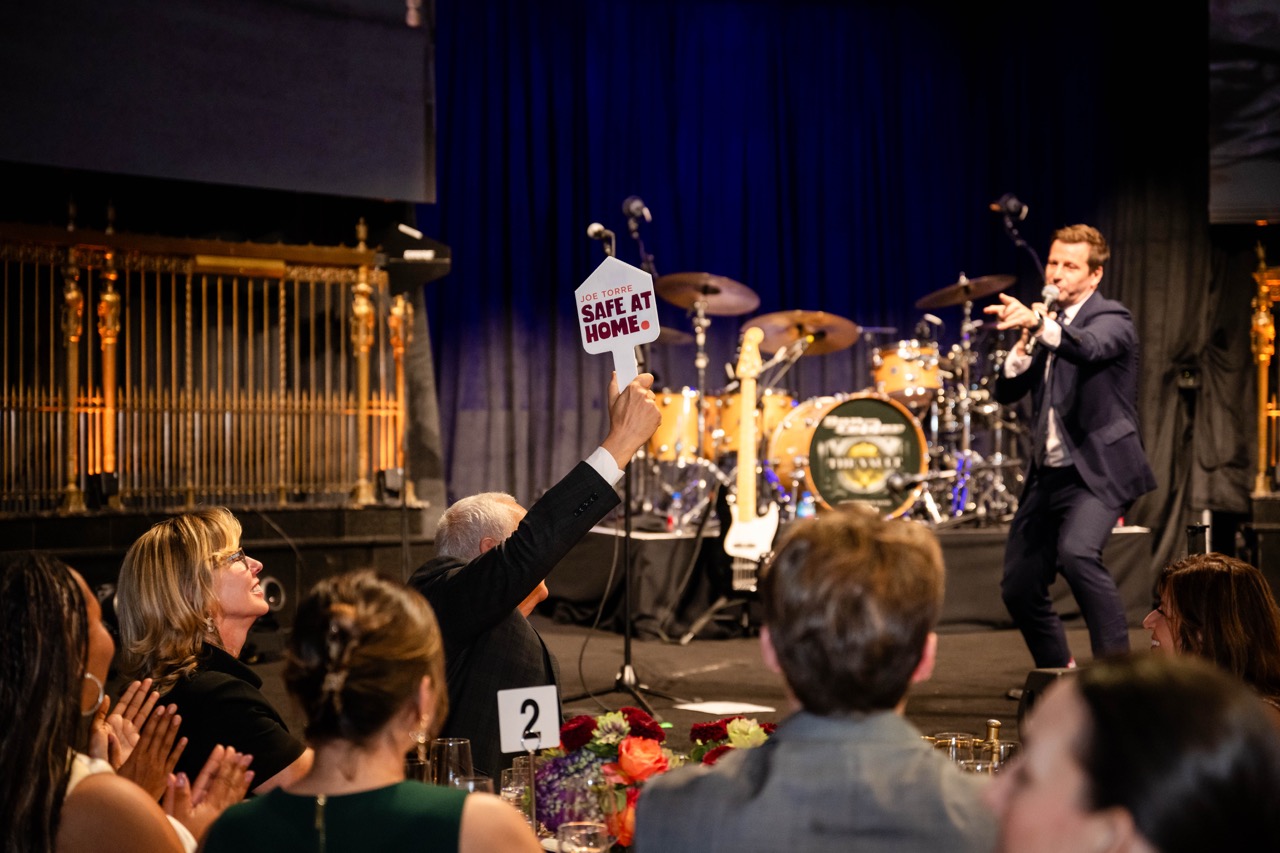
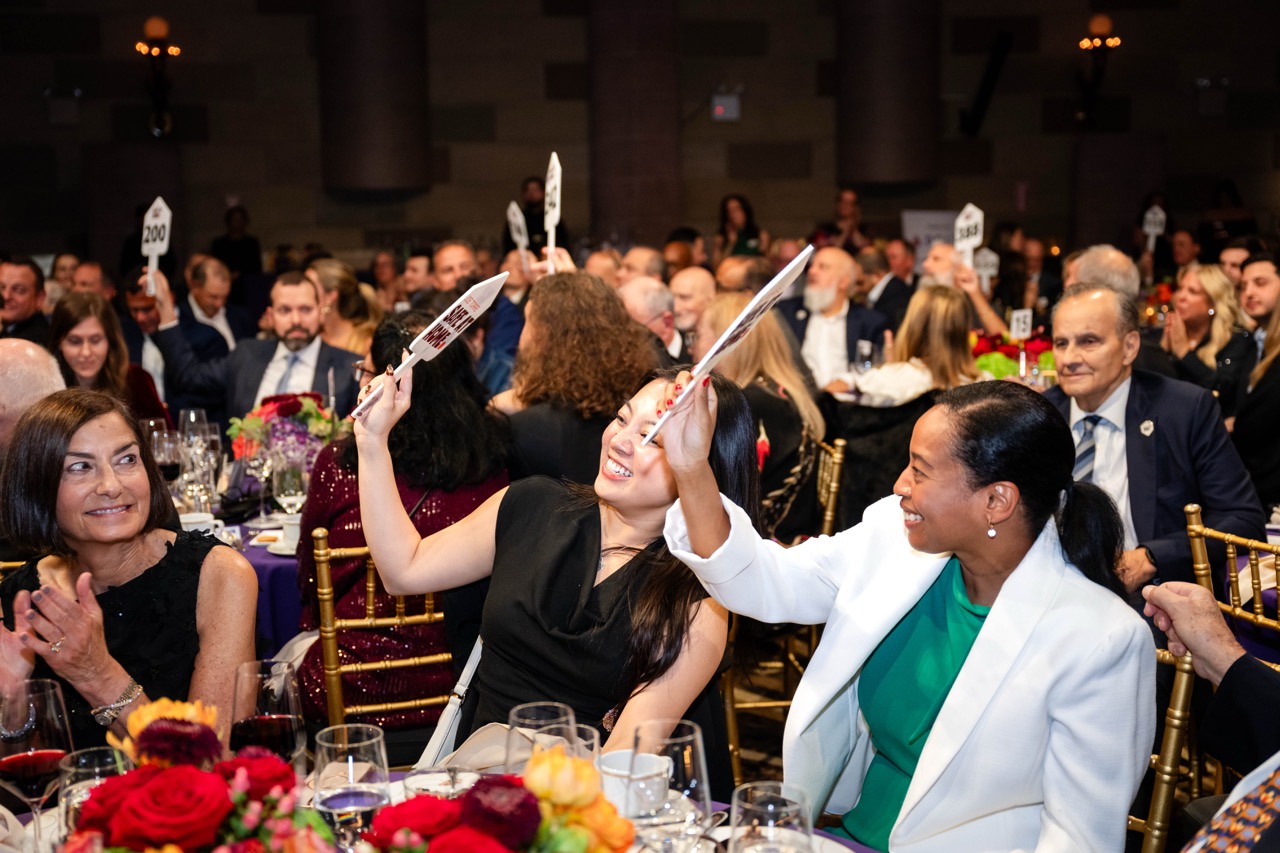
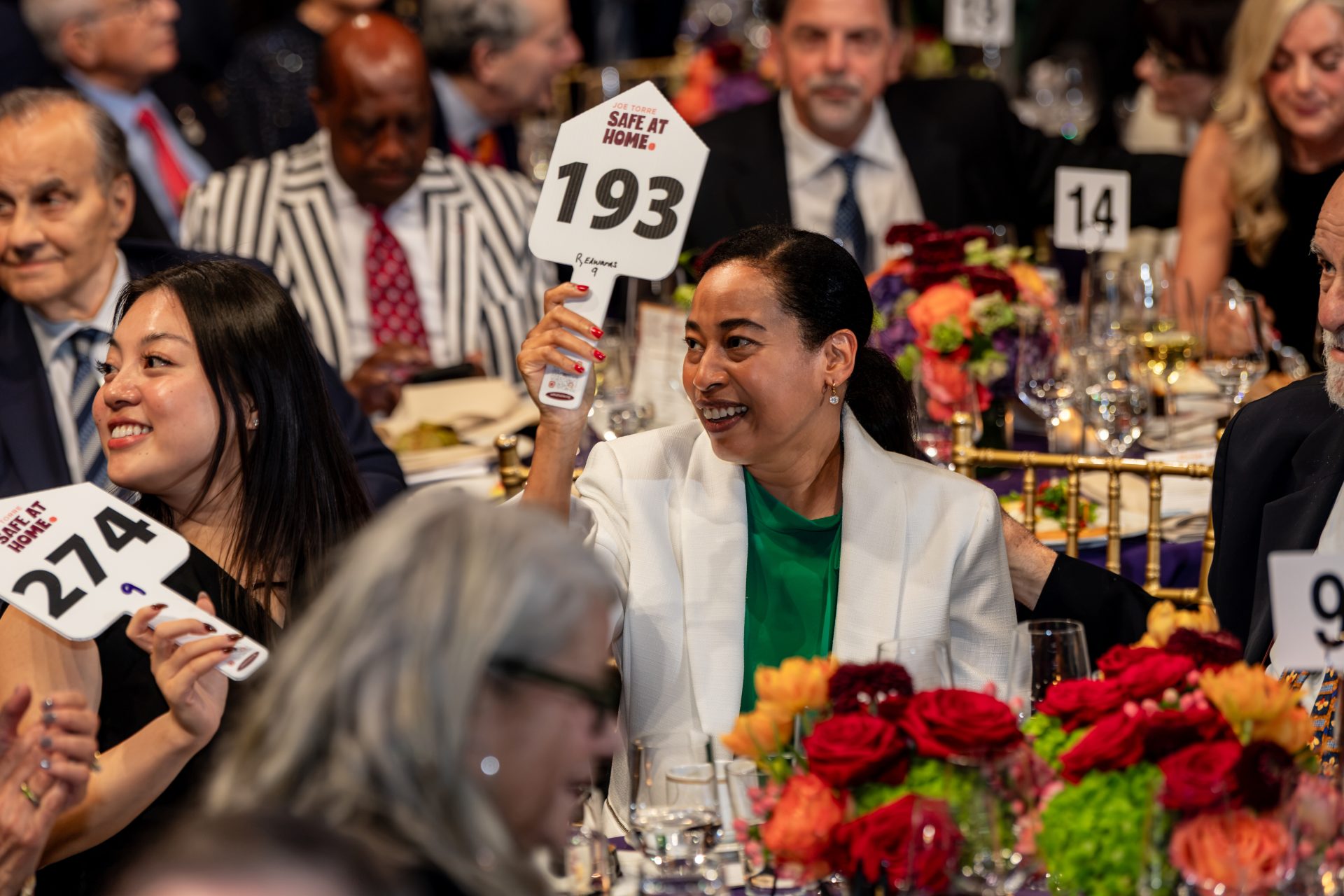
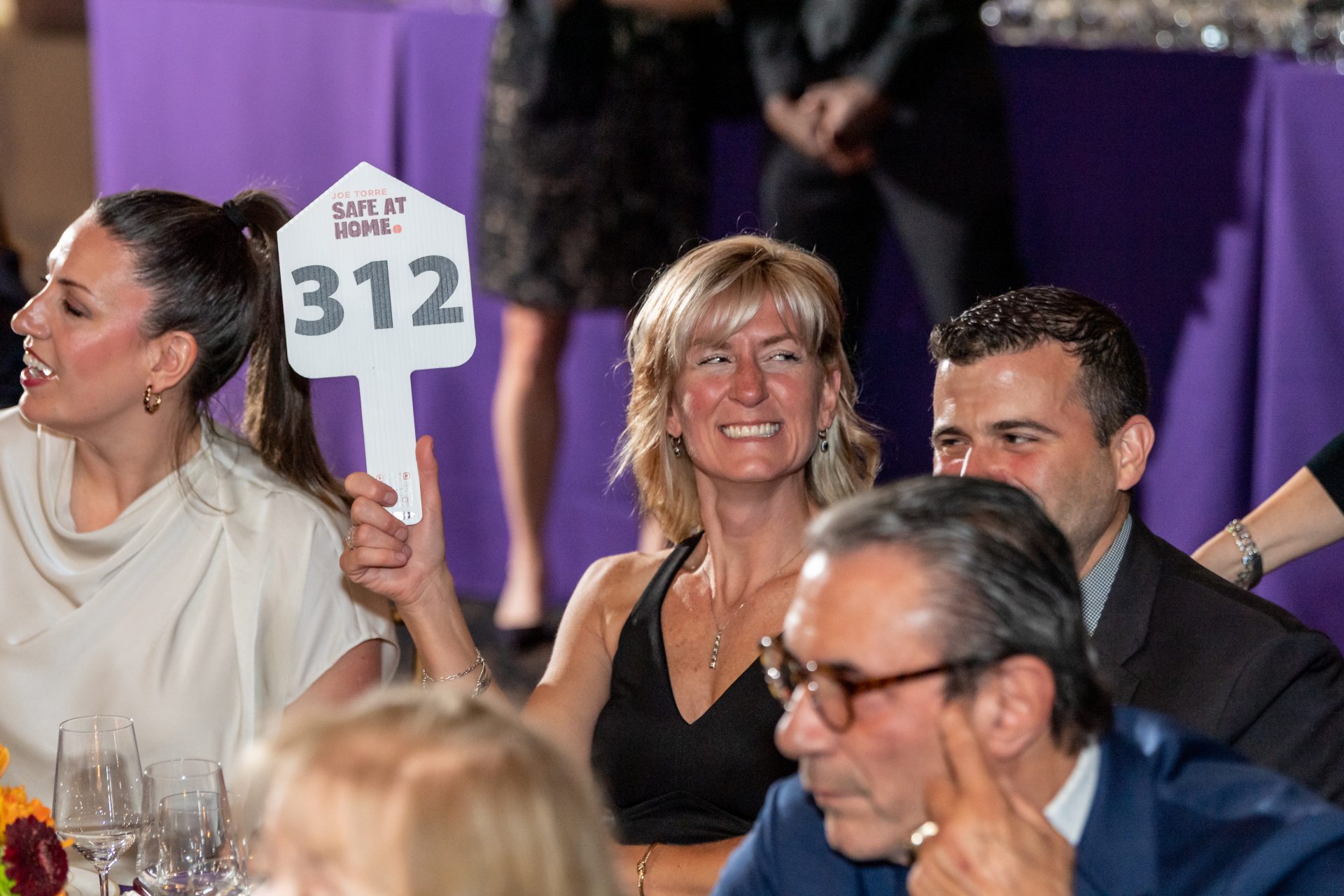
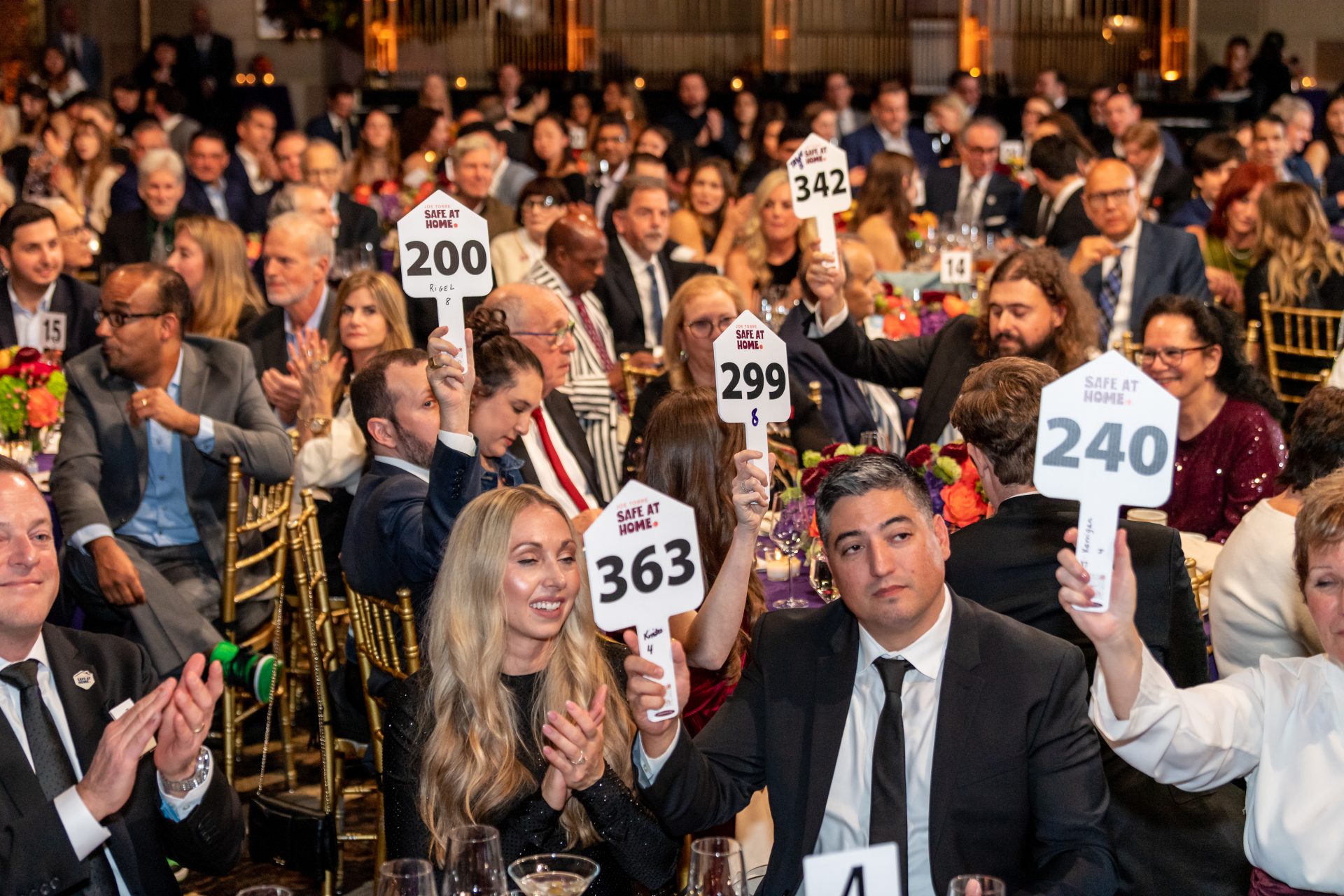
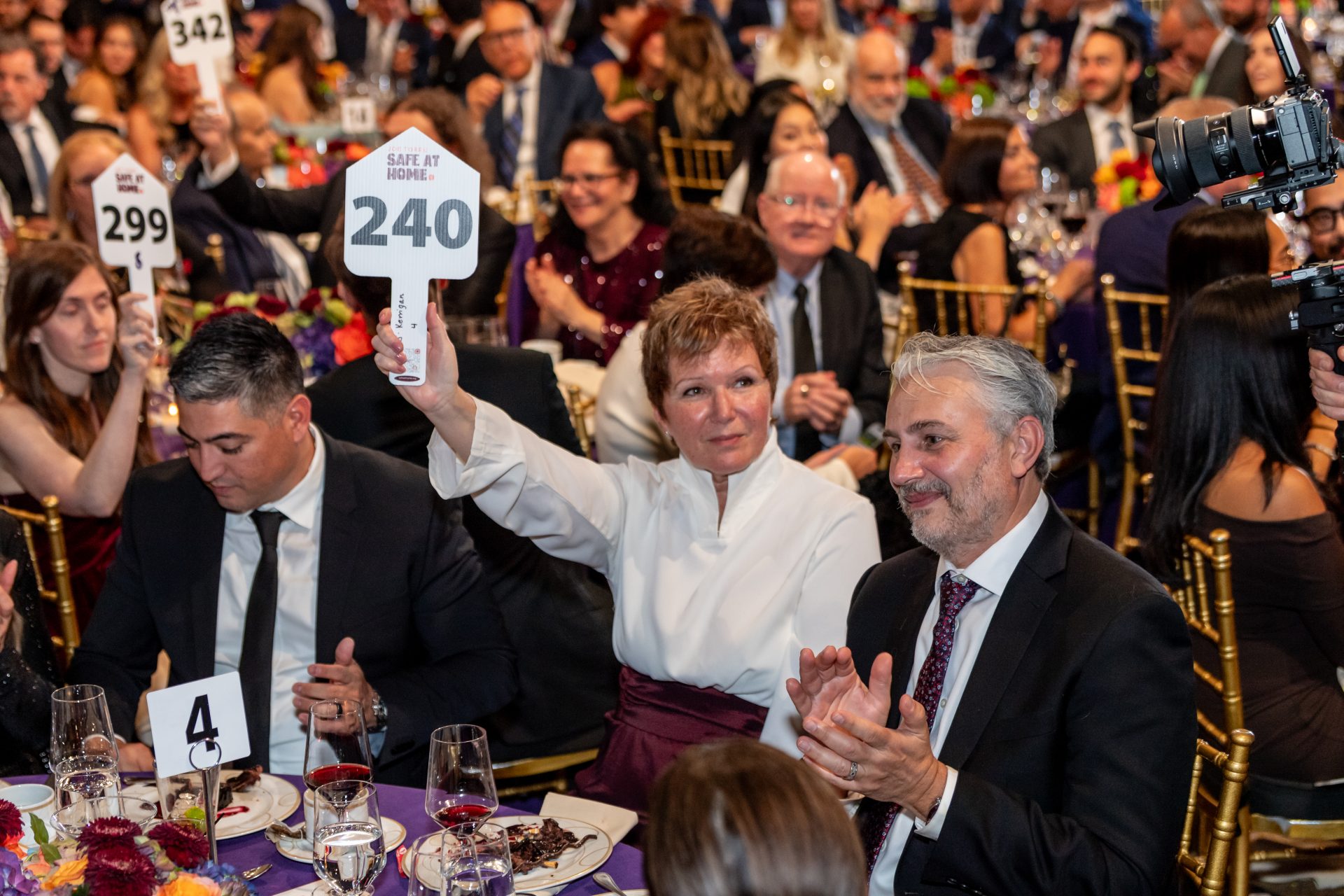
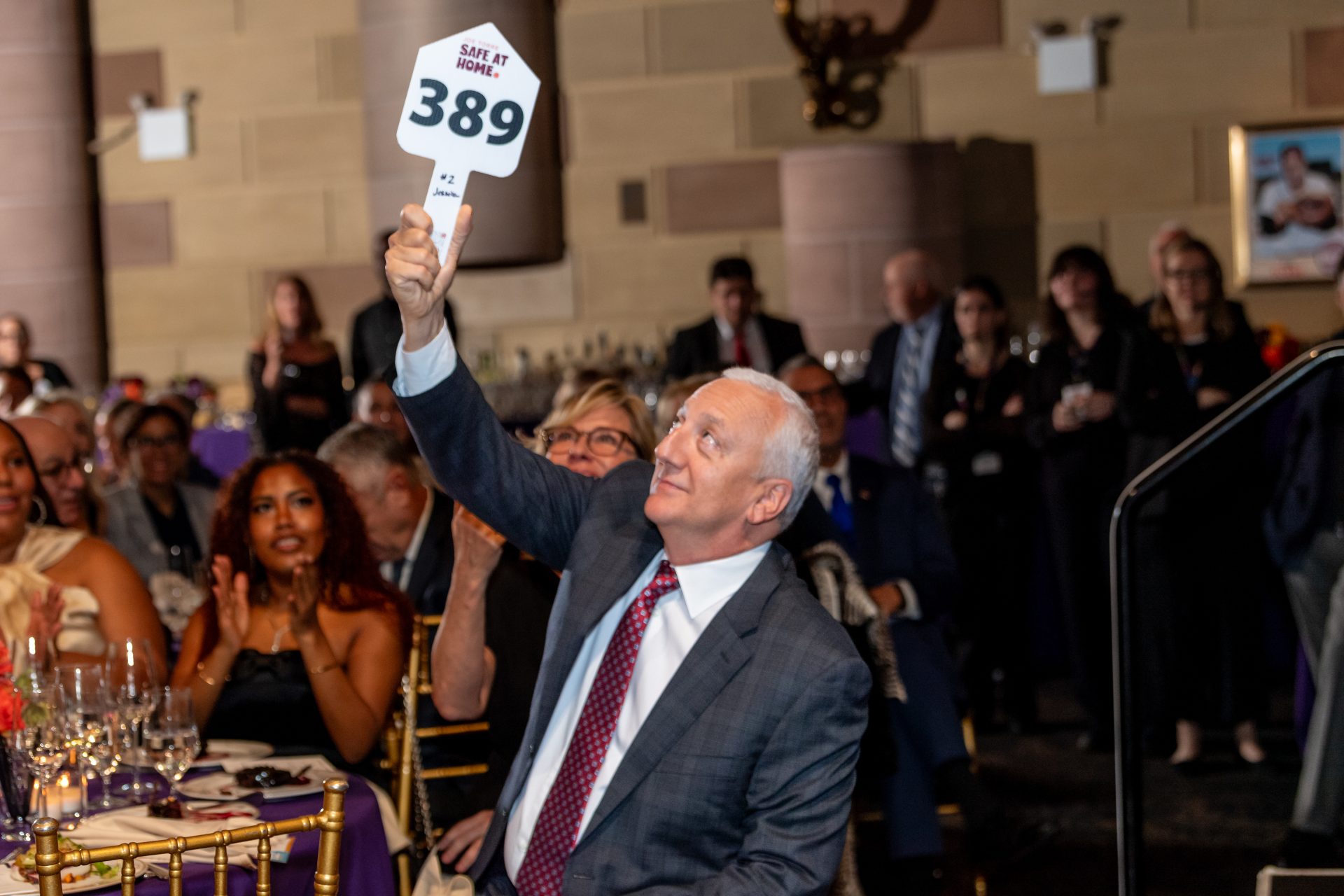
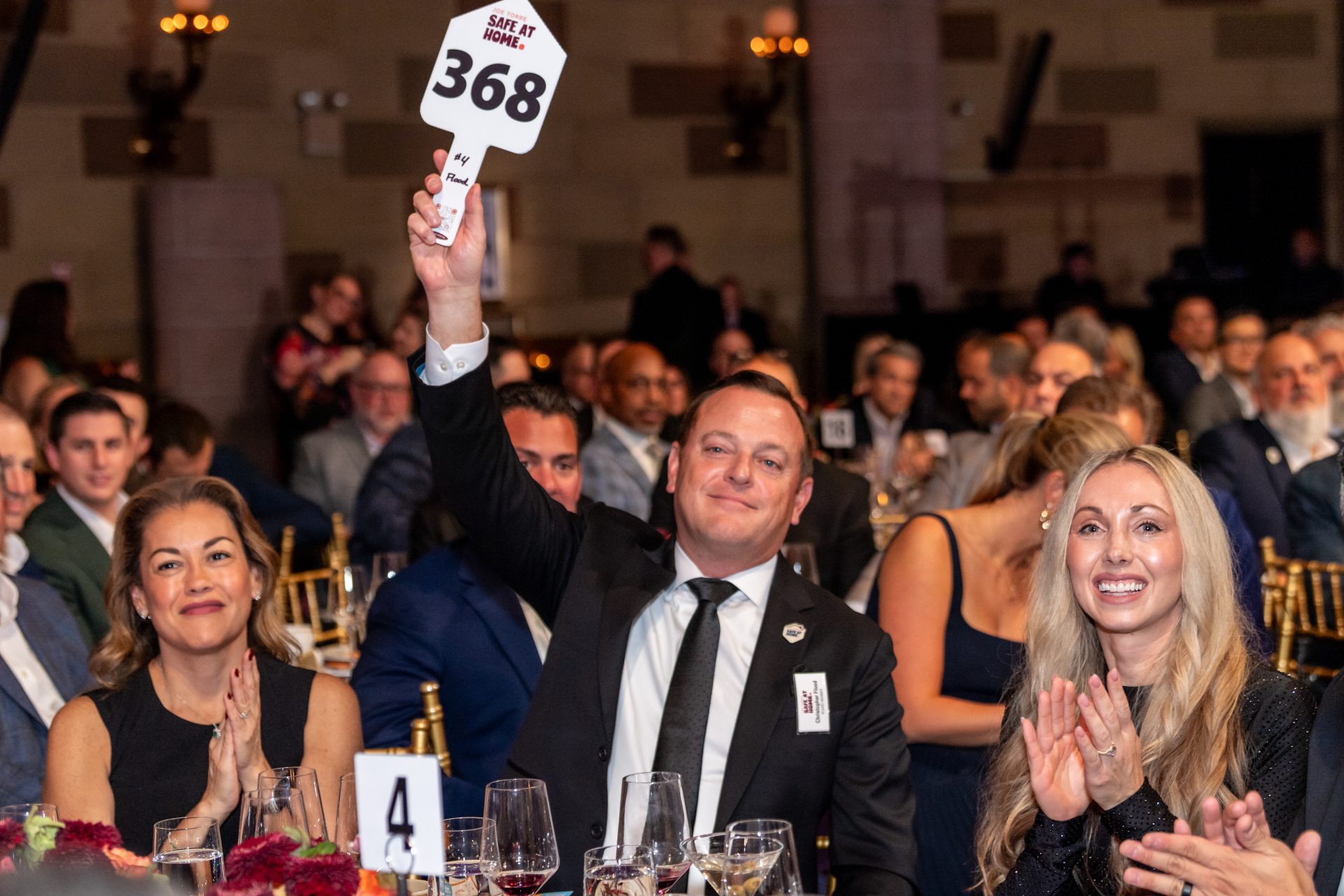
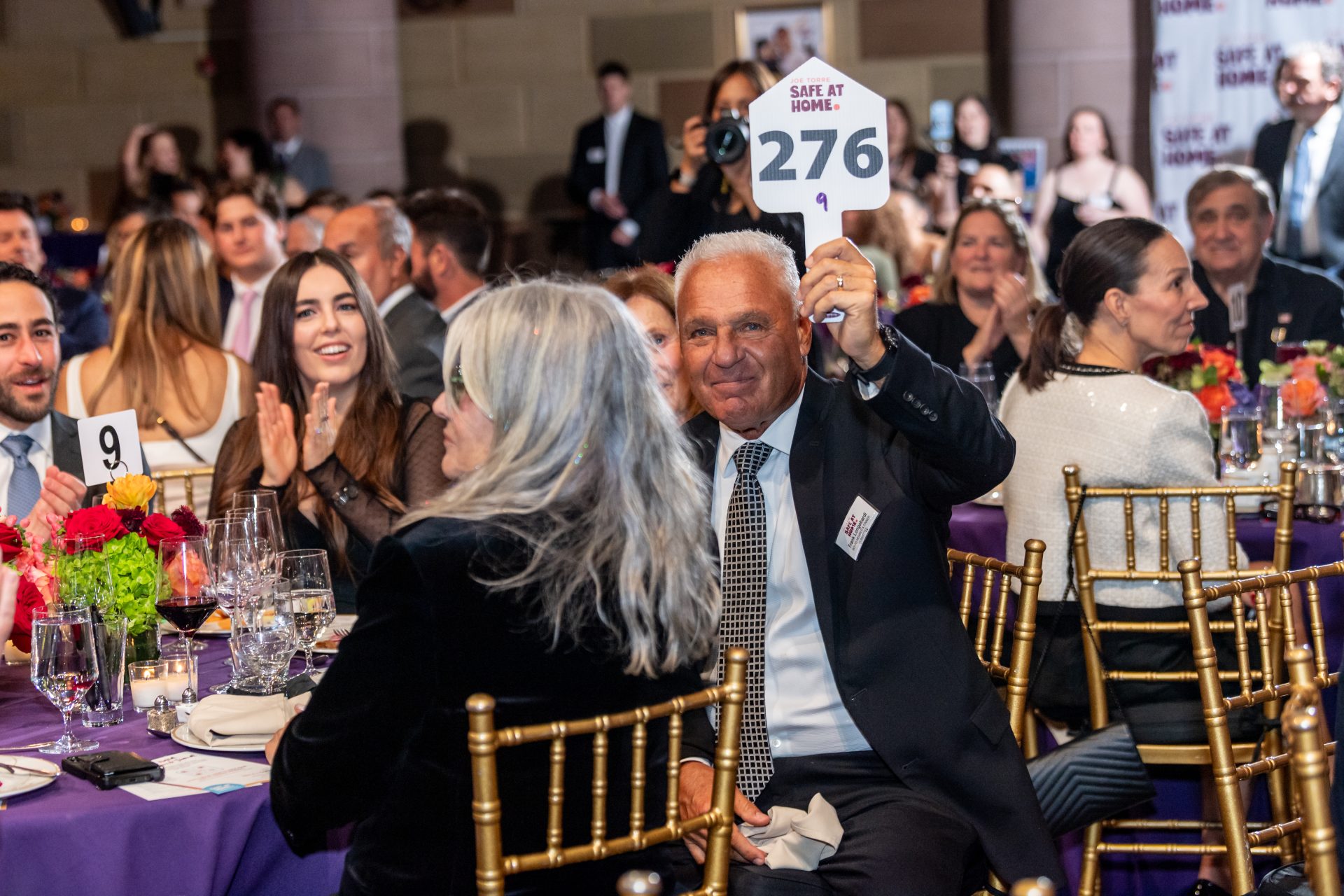
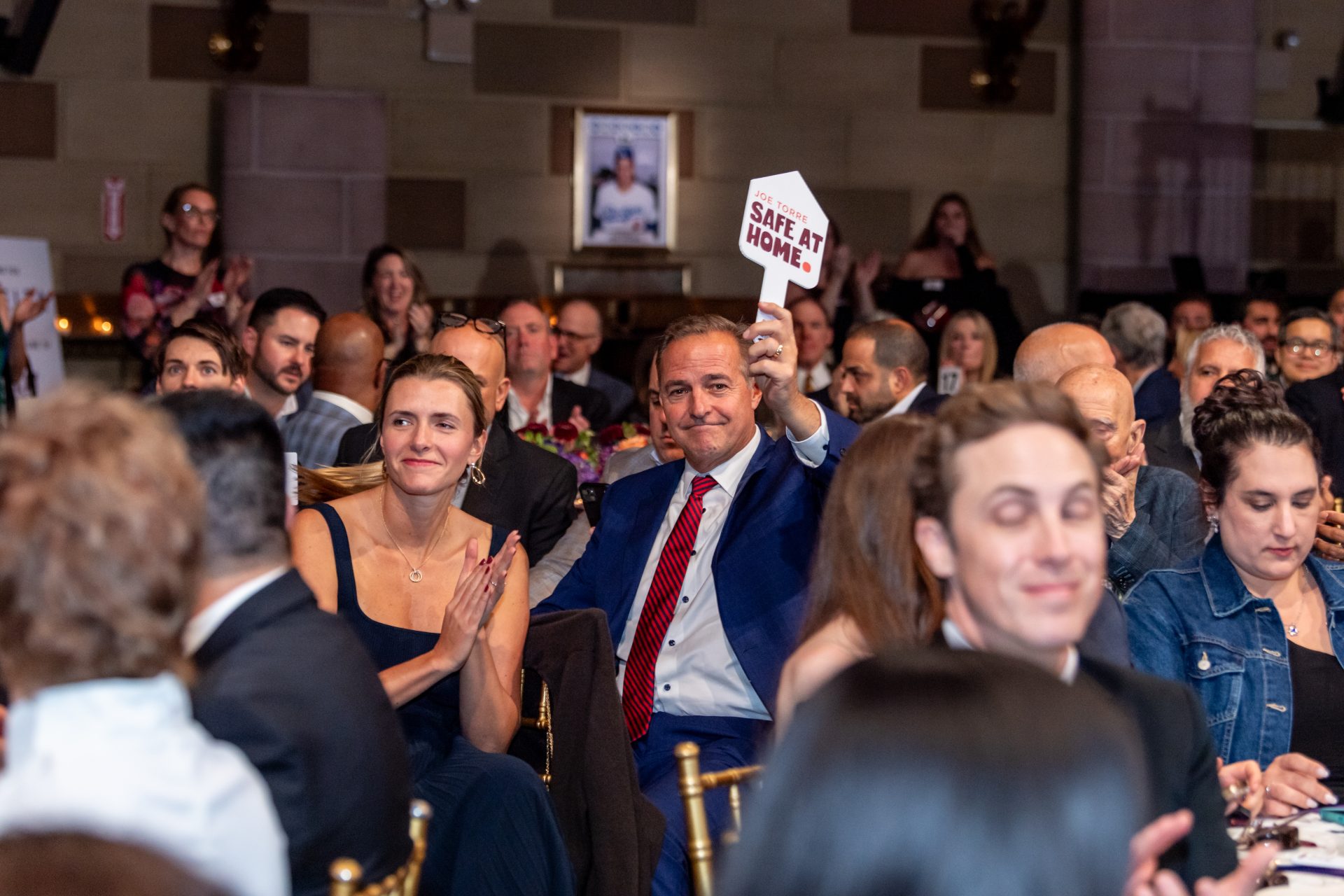
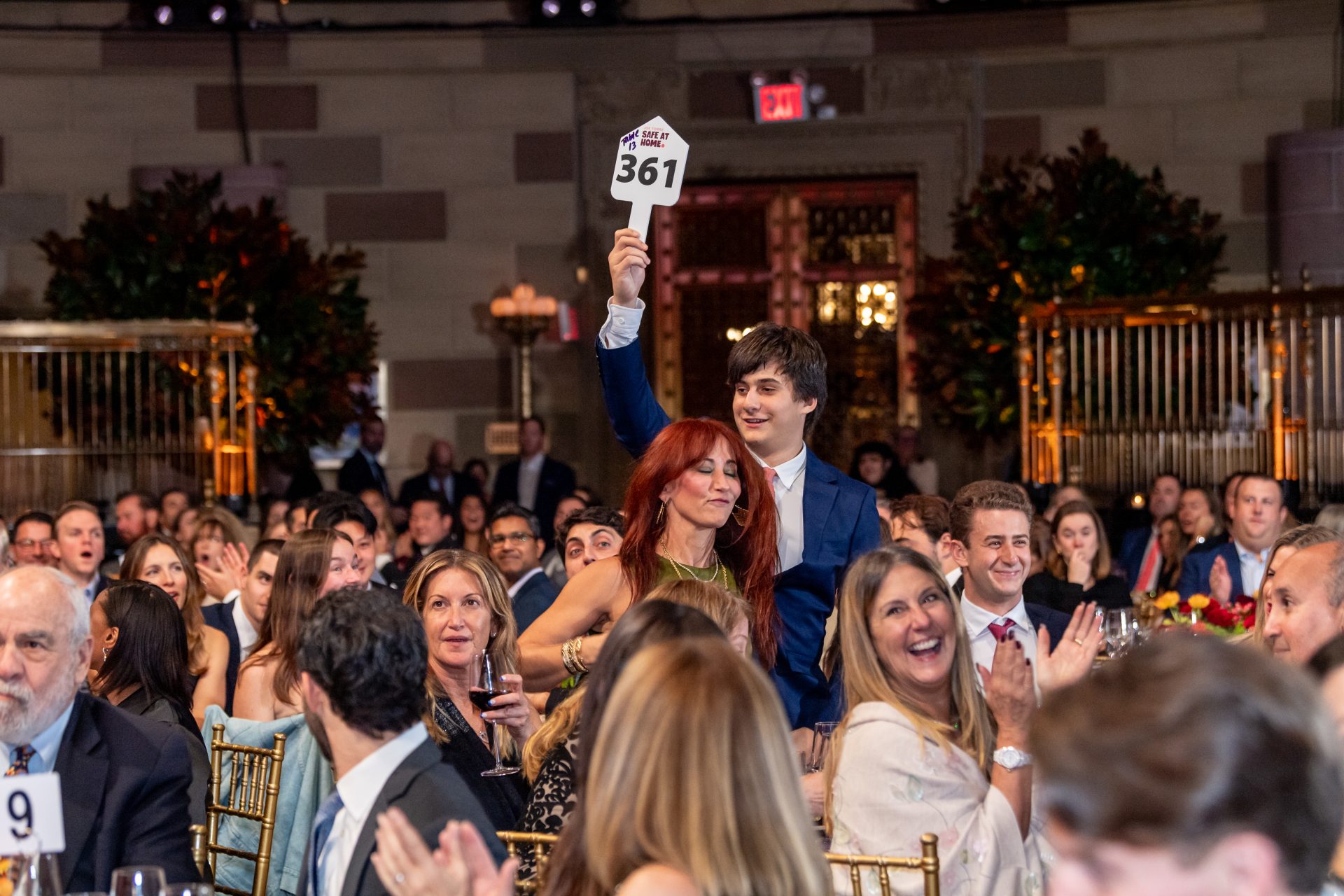
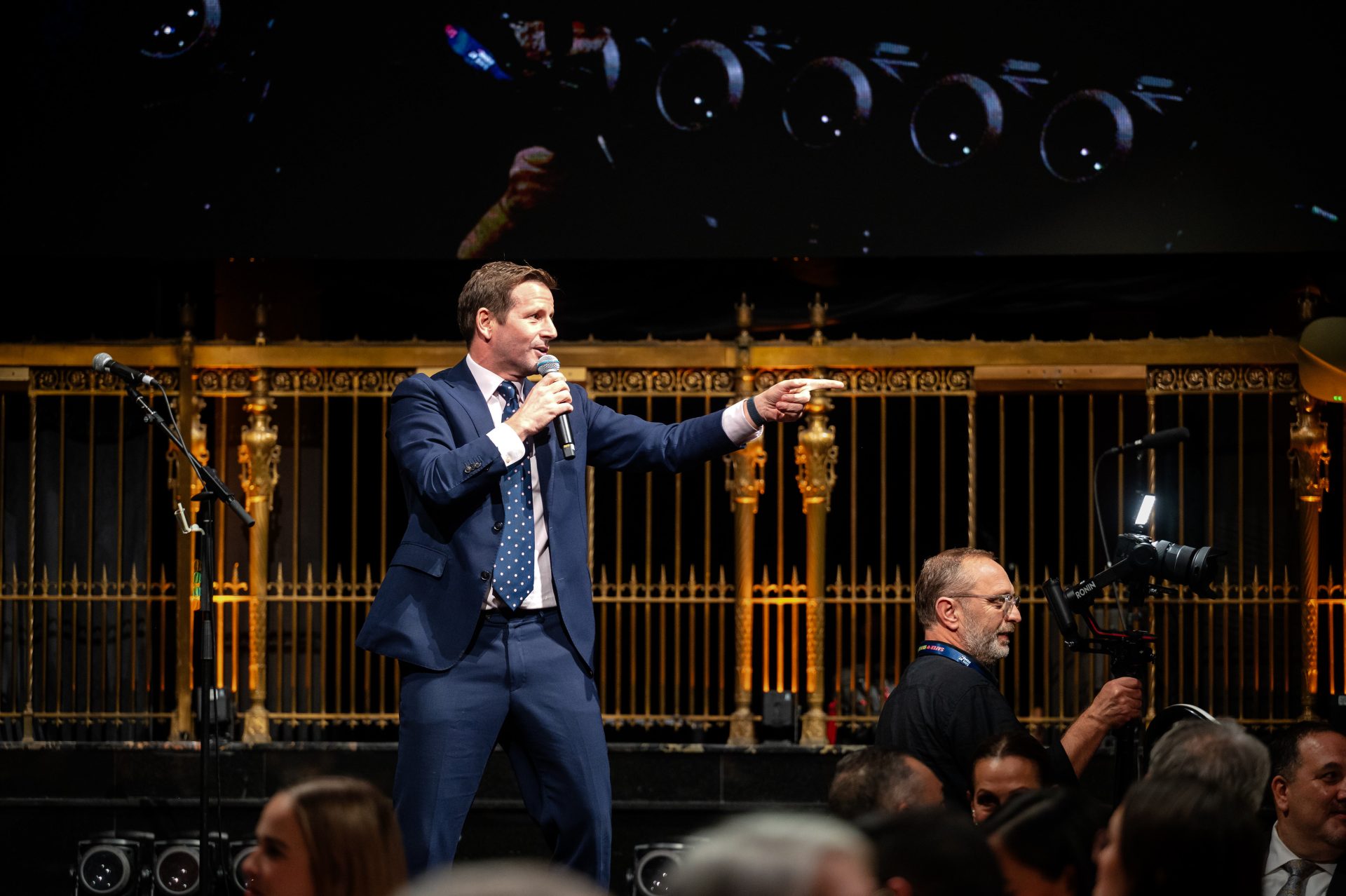
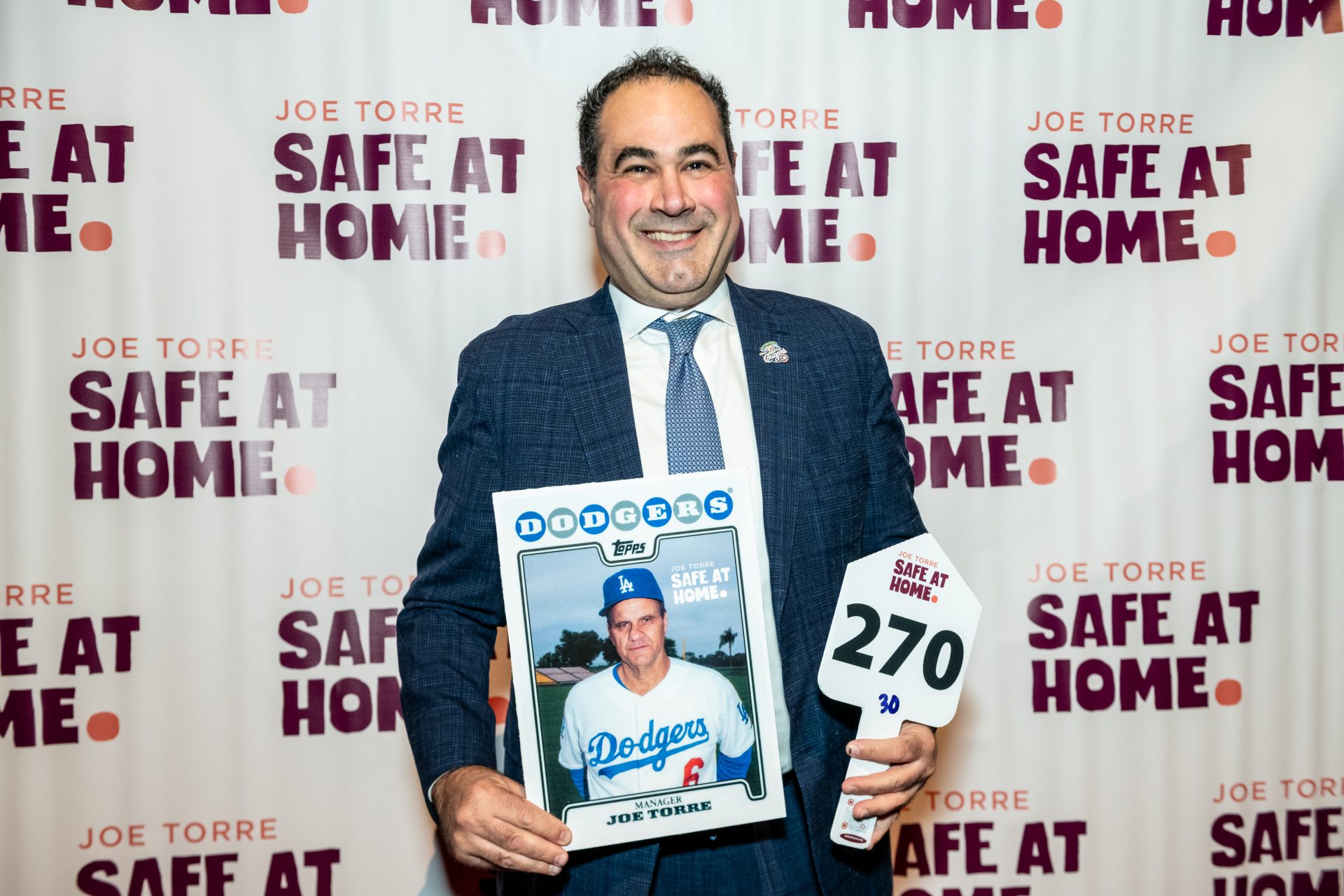
That message carried into the evening’s live auction and paddle raise, led by auctioneer Jamie McDonald, as guests demonstrated their generosity and commitment to sustaining and expanding Safe At Home’s impact.

"Trauma may shape a young person's experiences, but it does not have to define their future." — Typhani Carter, Executive Director

A Memorable Close

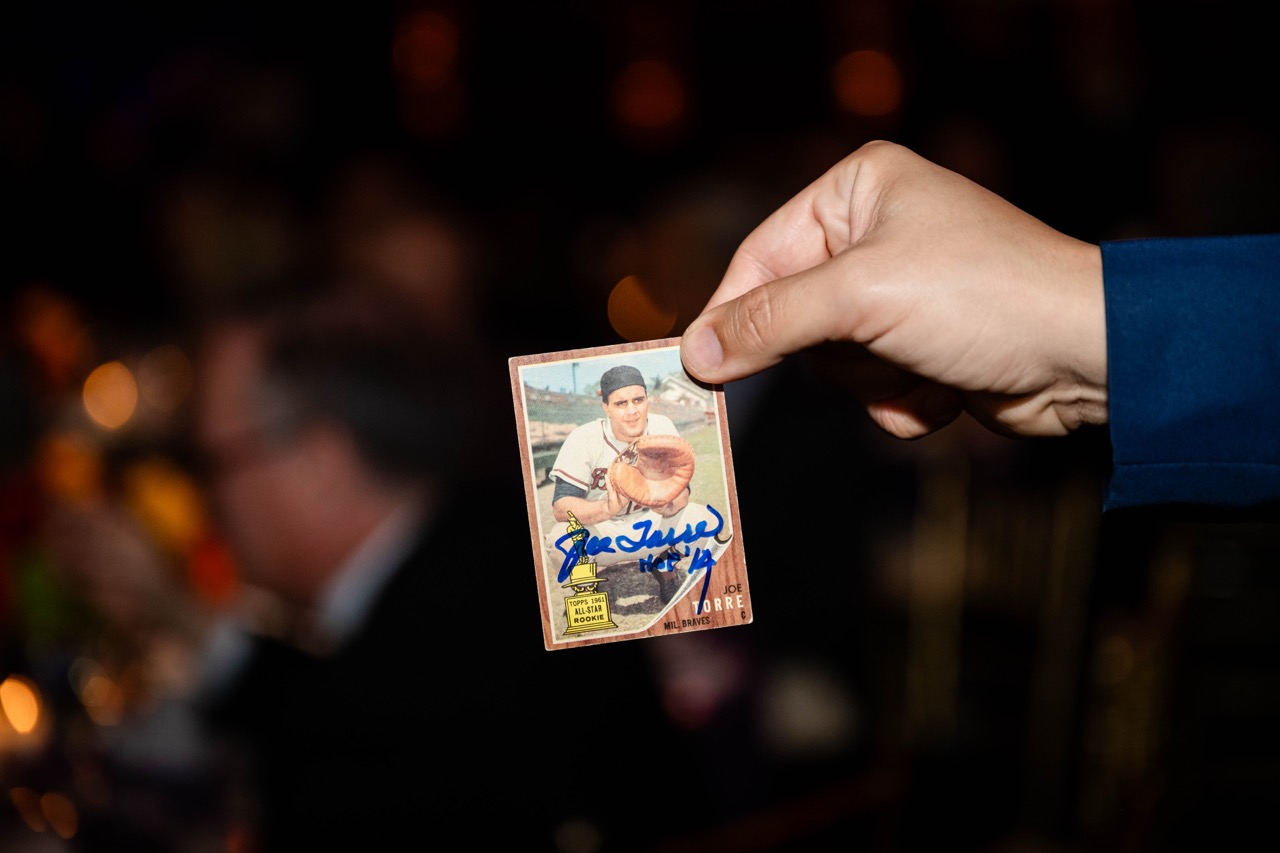
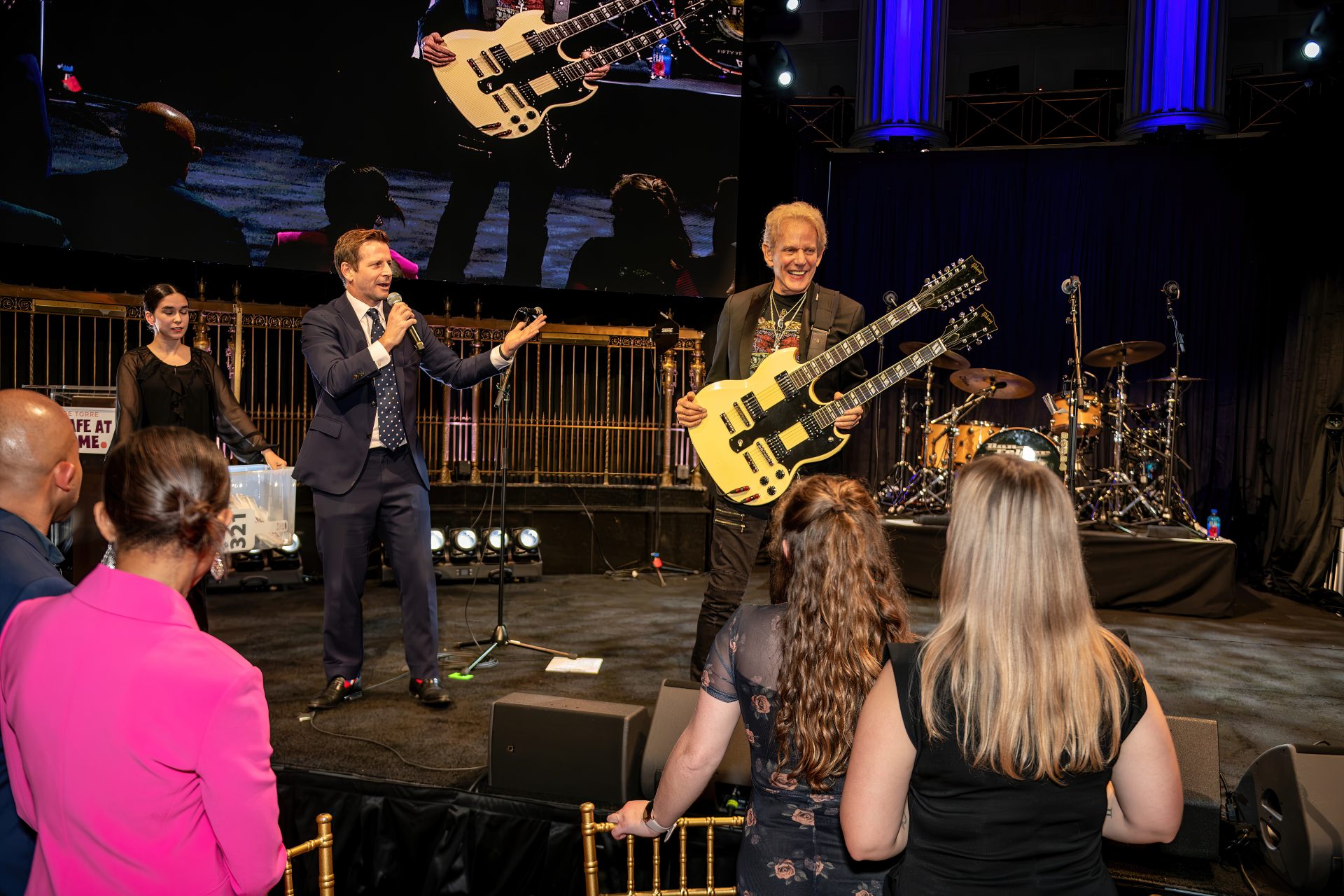
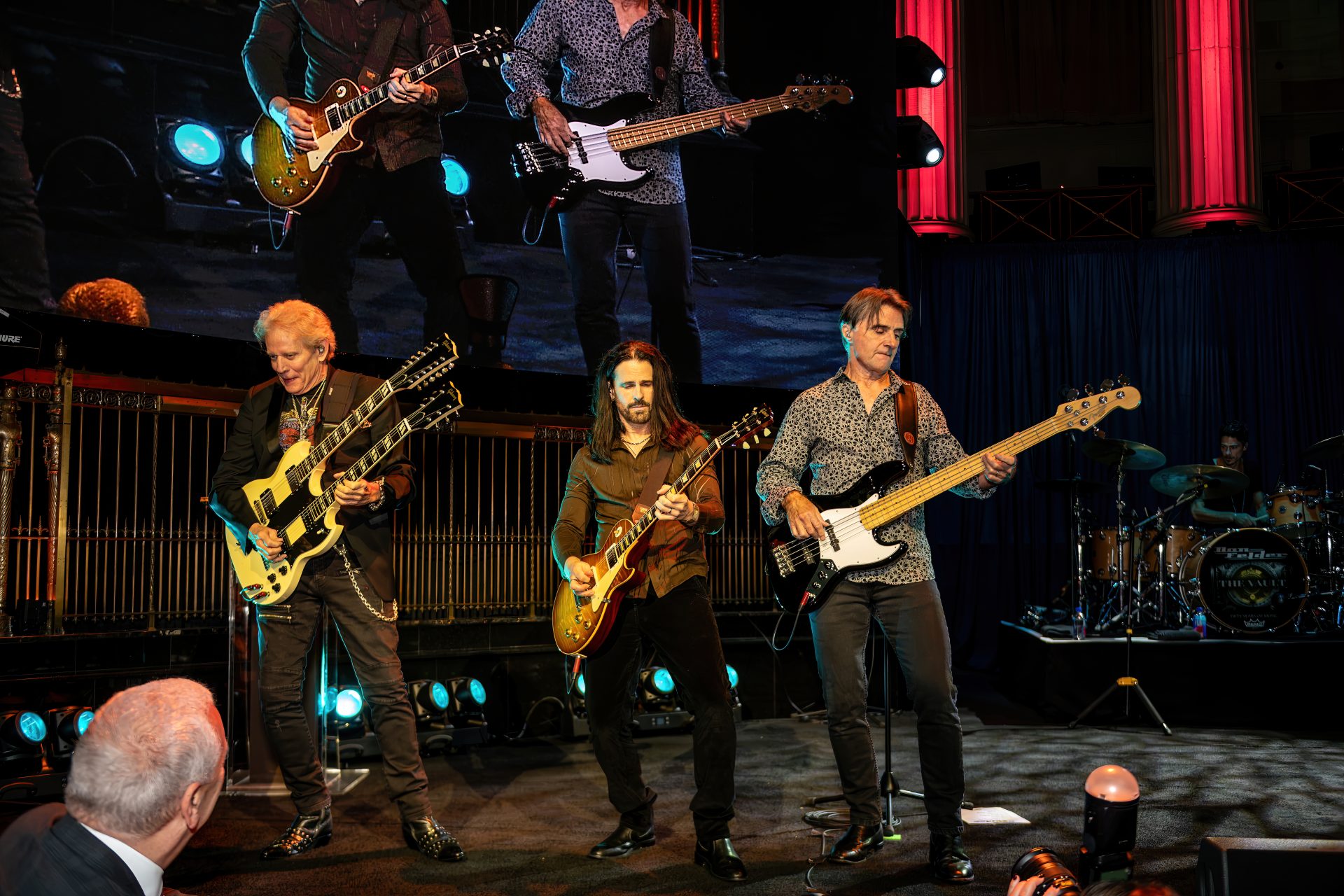
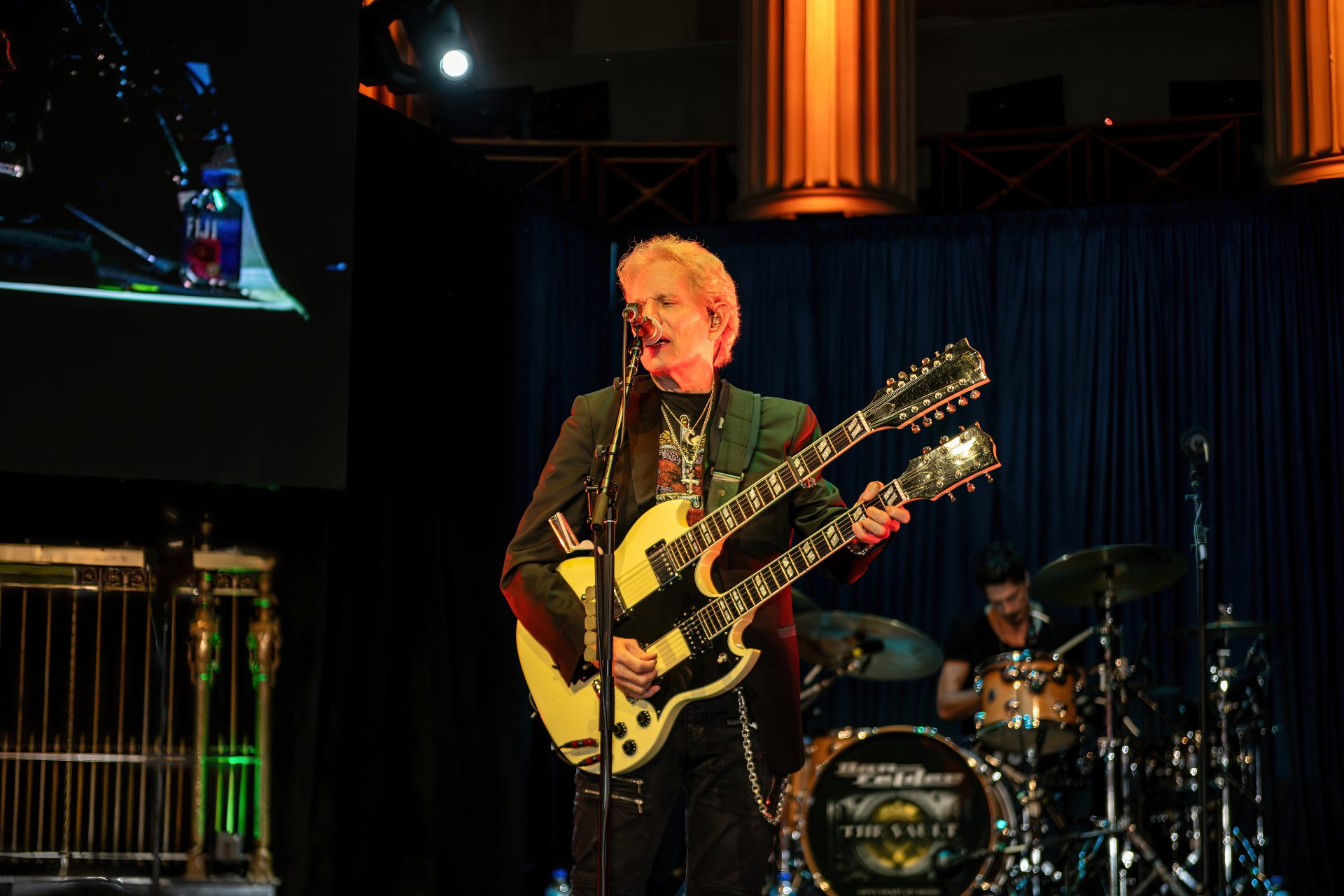
The evening concluded with a special musical performance by Rock & Roll Hall of Fame inductee Don Felder, a former lead guitarist of the Eagles, bringing guests together for a celebratory close to a night of connection, generosity, and shared purpose. Making the appearance extra special, Felder surprised guests by auctioning off two of the guitars he played during the event with all proceeds benefitting Safe At Home.

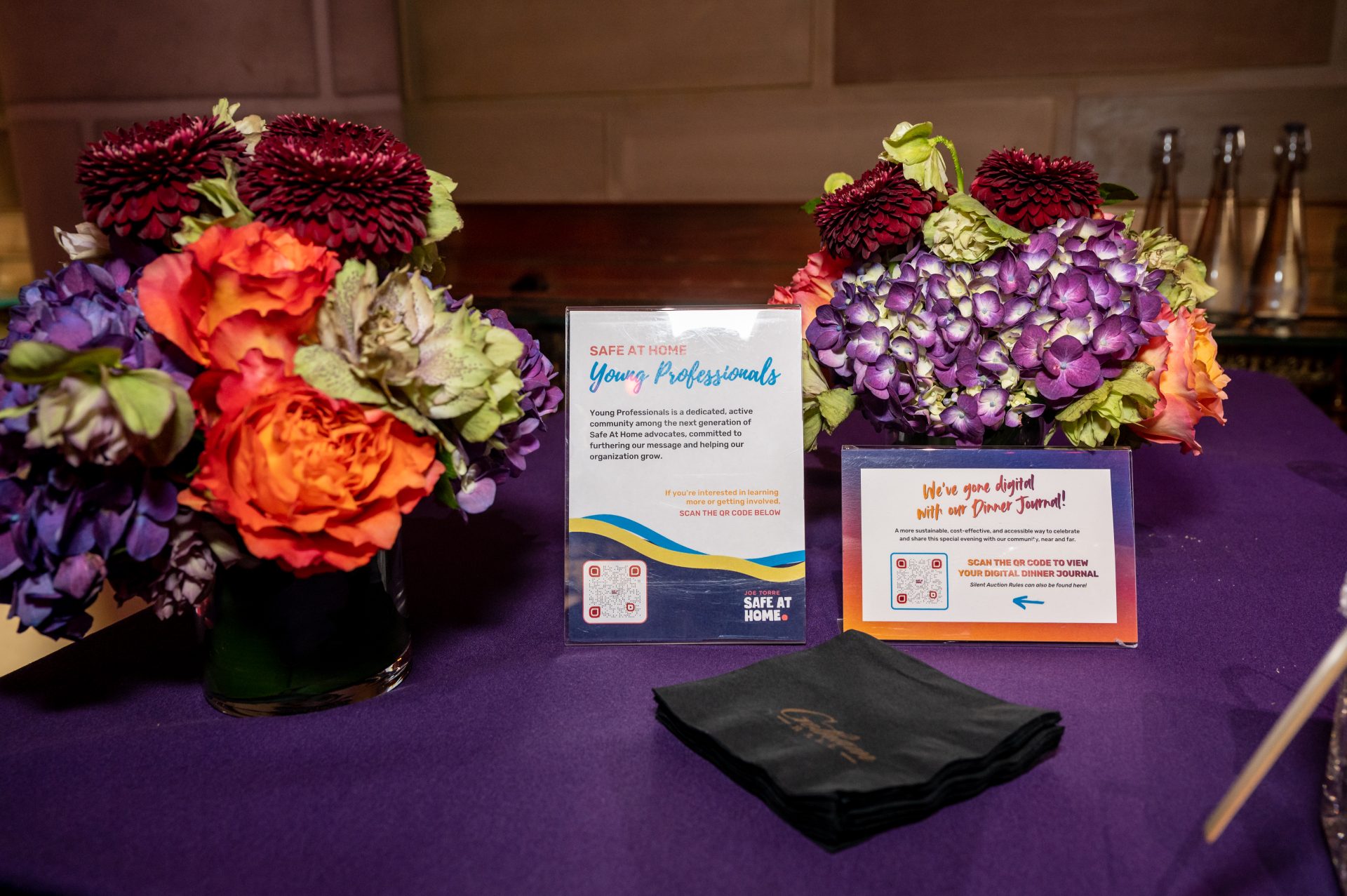
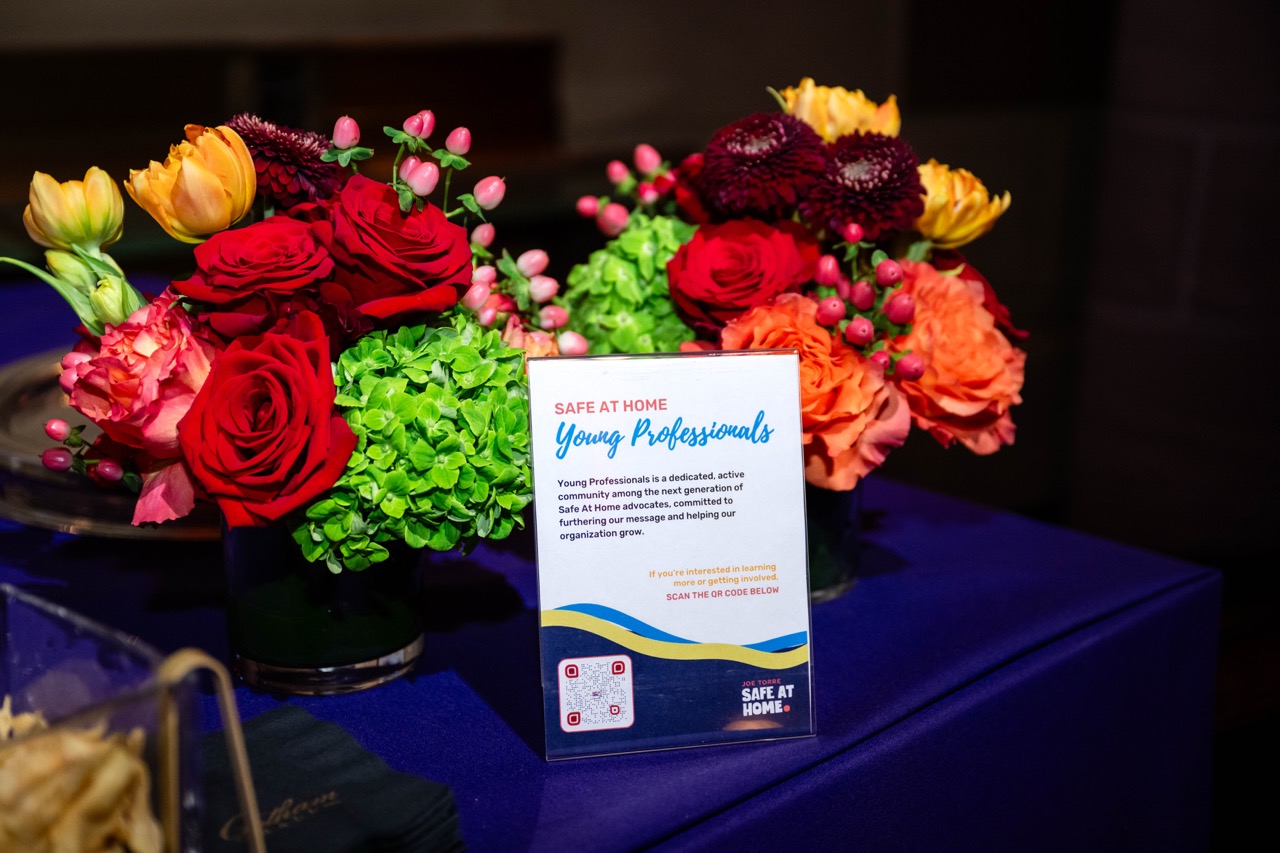
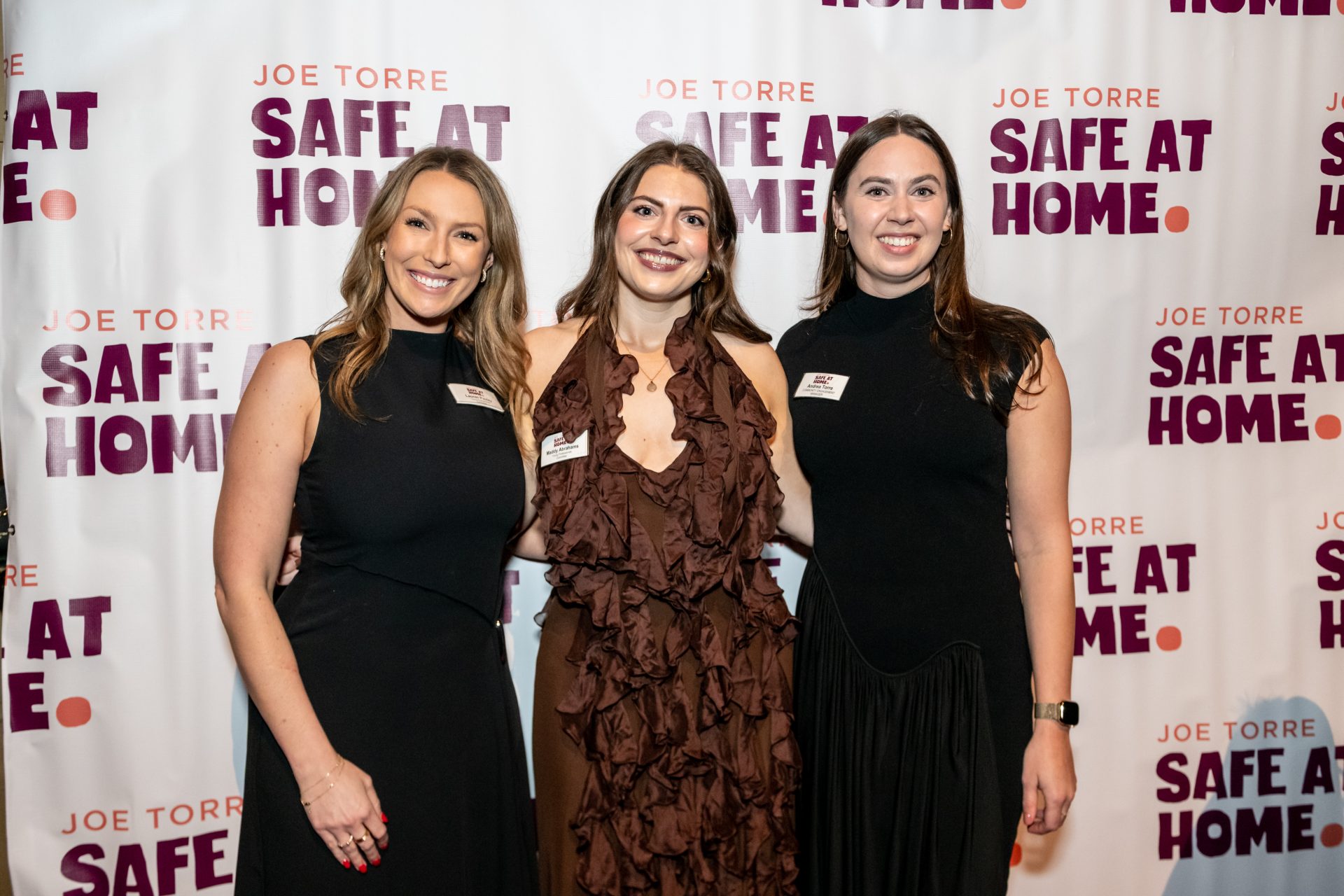
We extend our heartfelt gratitude to our honorees, Beth and Darrell Rigel, and to our generous sponsors, donors, and supporters whose commitment makes our work possible. We are equally grateful to our Board of Directors, Event Committee, Young Professionals Committee, staff, and volunteers for their dedication, leadership, and support.

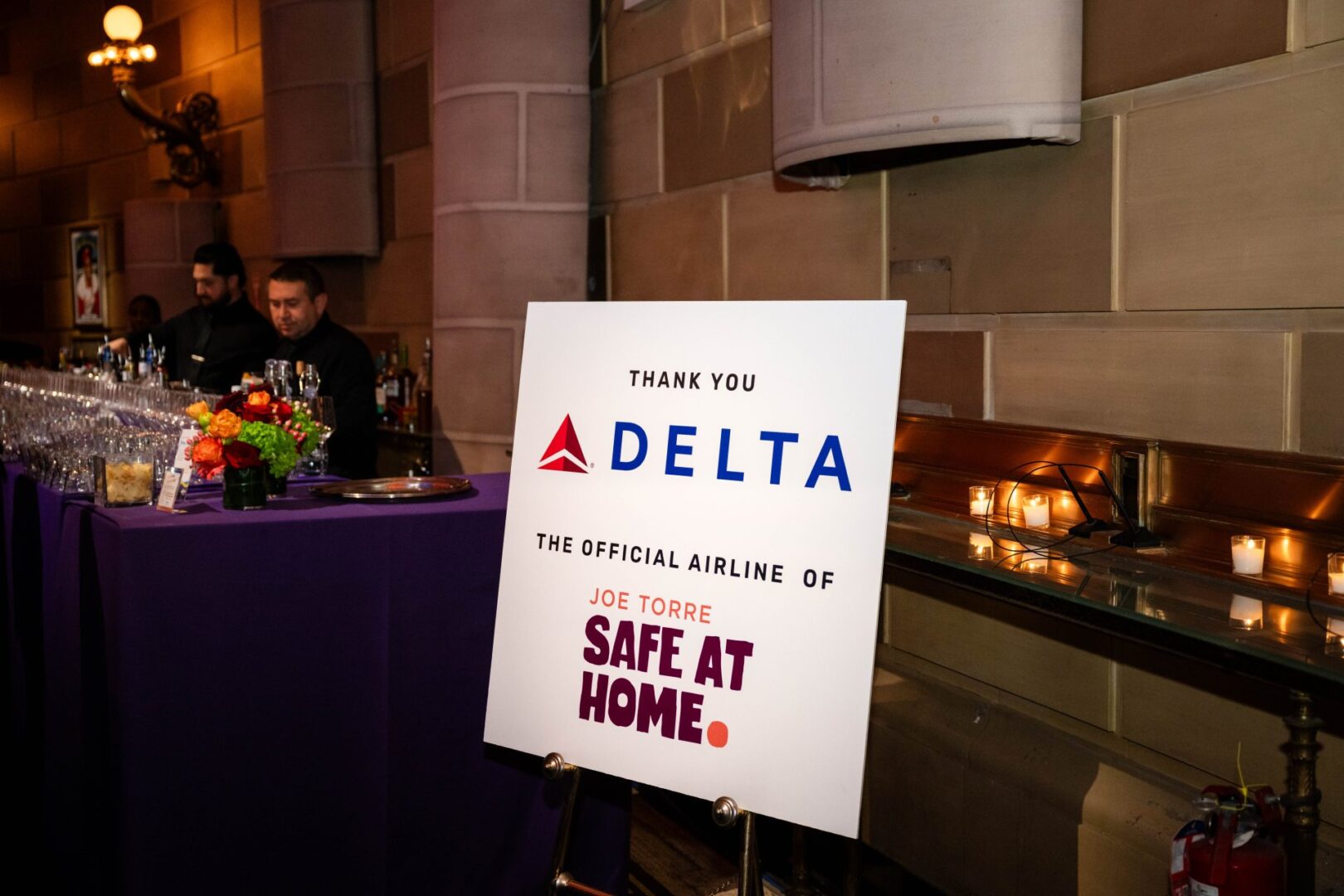
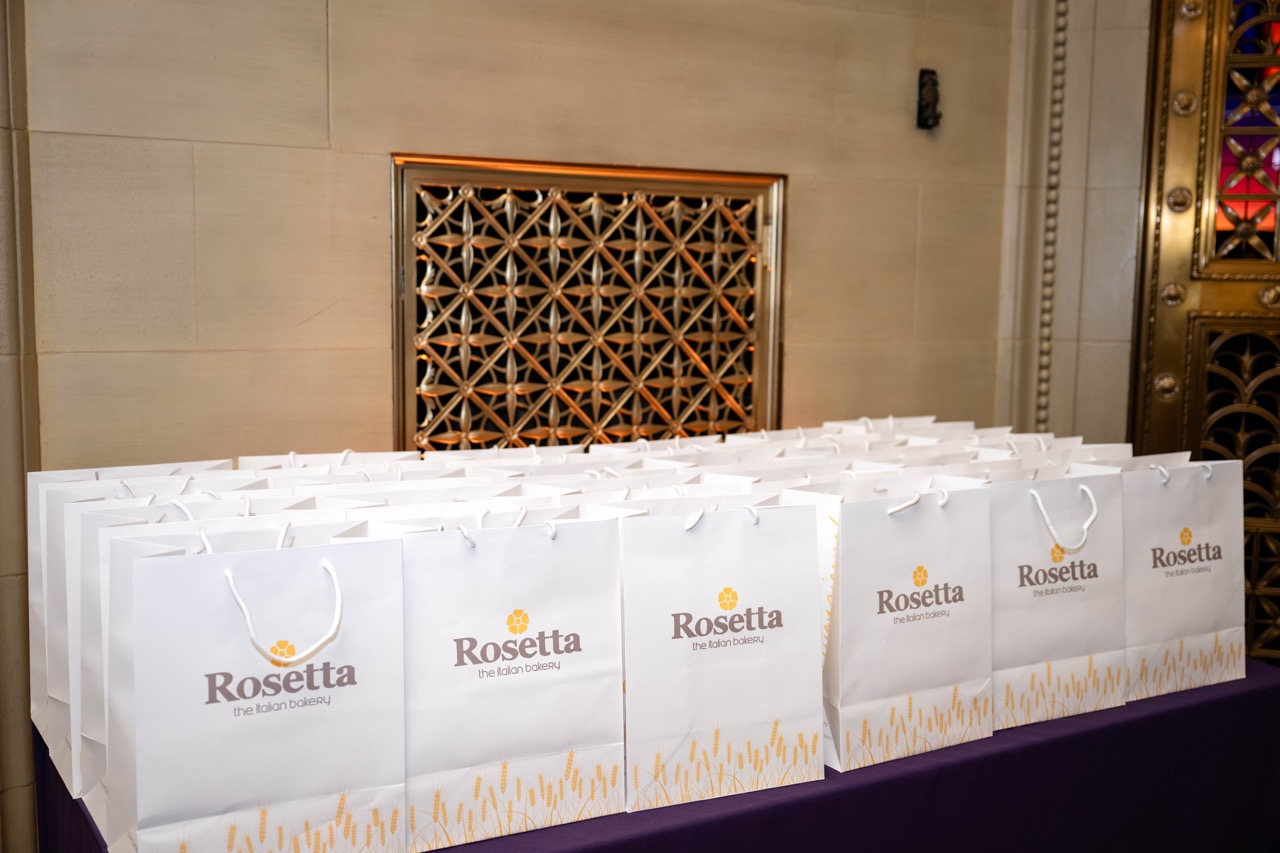
Special thanks to Delta Air Lines, our Official Airline Sponsor; Goodman Media International; John Chan Photography; all of our auction donors; our production team; our security team; our incredible volunteers; and our generous gift bag contributions.

Because of this extraordinary community, Safe At Home can continue reaching young people with the education, resources, and trusted support they need to build healthier, safer futures.

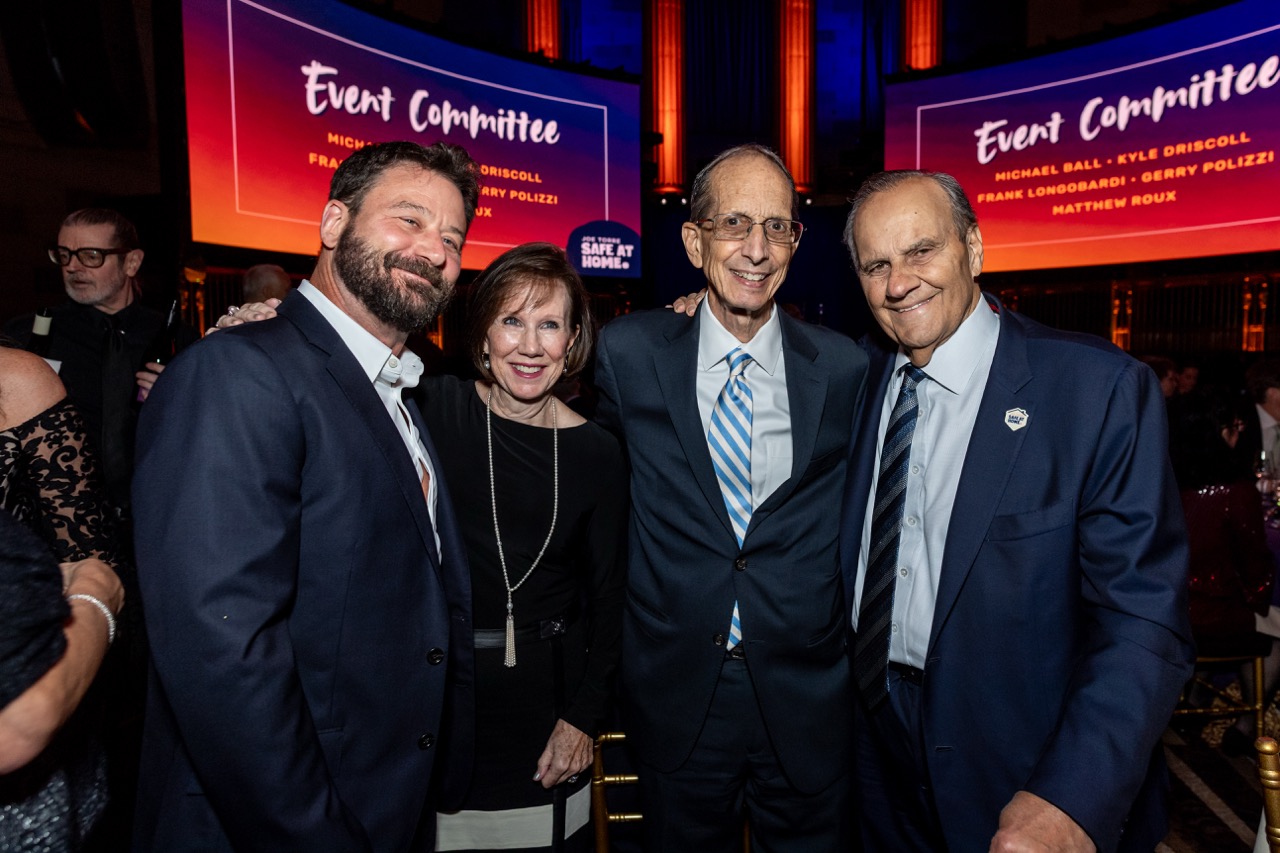
Event Committee

Michael Ball • Kyle Driscoll • Frank Longobardi

Gerry Polizzi • Matthew Roux

View our Digital Dinner Journal

Couldn’t join us this year? Make a contribution below.

We look forward to seeing you next year!

Understanding Domestic Violence and Recognizing the Warning Signs: Why Awareness Matters

By Jennifer Herbert, ATR-BC, LCAT, ATCS

By Jennifer Herbert, ATR-BC, LCAT, ATCS

Vice President of Program Development, Content & Training | Joe Torre Safe at Home

Every October, Domestic Violence Awareness Month (DVAM) gives us an opportunity to pause, learn, reflect, and take thoughtful action.  Over the past twenty years, I’ve had the privilege of working alongside youth, adults, families, educators, and communities impacted by domestic violence.  During that time, I’ve learned many things, but perhaps the most important is this: meaningful change almost always starts with a conversation.

I’ve seen young people find the words to describe a relationship that didn’t feel right.  I’ve watched parents and caregivers navigate difficult conversations with courage and vulnerability.  I’ve witnessed friends, coworkers, educators, and trusted adults create moments of connection that helped someone feel seen, supported, and less alone.

While awareness is important, awareness alone does not create change. Real and lasting change happens when we better understand what domestic violence looks like, recognize when someone may need support, and feel empowered to start thoughtful conversations that can make a difference.

Domestic violence, also referred to as intimate partner violence (IPV), is more common, more complex, and often less visible than many people realize.  It impacts people of all ages, backgrounds, identities, and communities.  Yet it can still be difficult to recognize, especially when there are no visible signs of harm.

Domestic Violence is About Power and Control

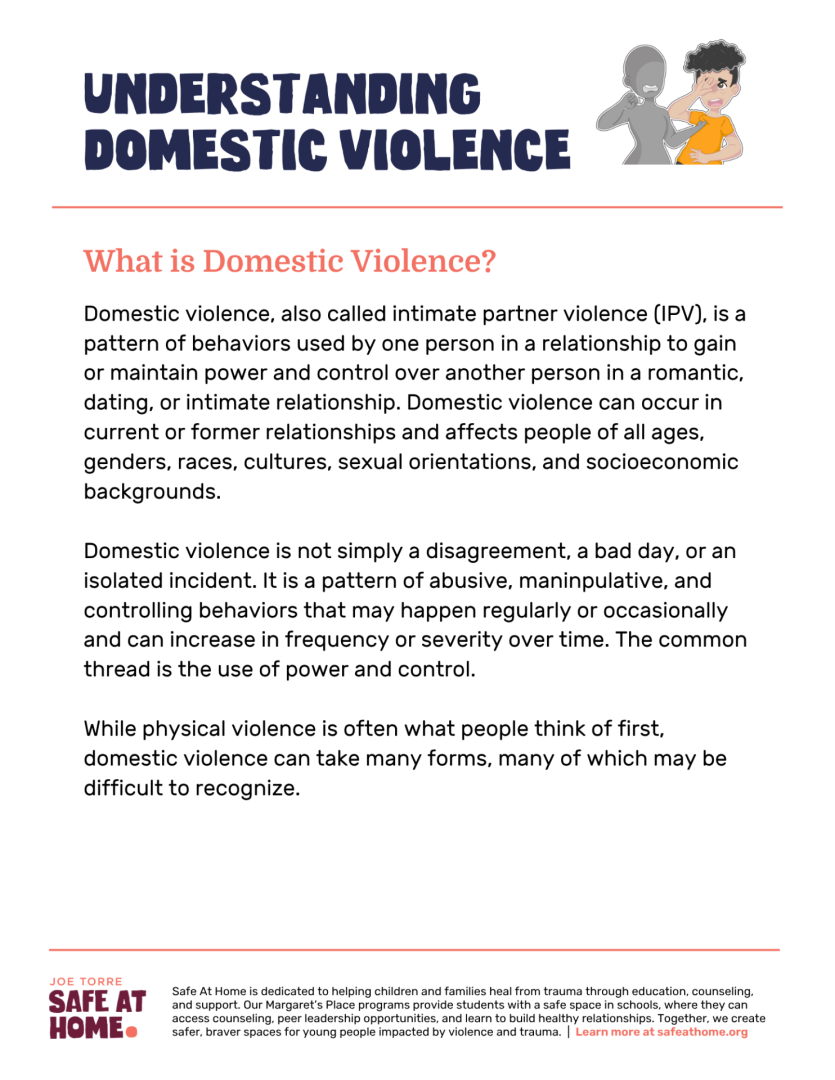
At its core, domestic violence is about power and control. It is a pattern of behavior used to gain and maintain control over another person in a relationship.

Sometimes, that pattern includes physical violence.  Often, it also includes emotional manipulation, isolation, intimidation, financial control, sexual coercion, verbal abuse, or monitoring someone’s activities through technology. 

Because these behaviors frequently develop over time, they can be incredibly difficult to recognize, especially for the person who is experiencing them.  What may begin as jealousy can become control.  What may seem like concern can become isolation.  What may be dismissed as an argument can become a pattern of manipulation and fear. 

I’ve spoken to countless people who questioned their own experiences because what they were going through didn’t match what they thought abuse was supposed to look like.  That’s why education is so important.  The more we understand about domestic violence, the more equipped we are to recognize it and respond with compassion. 

The Warning Signs Aren’t Always Clear

One of the biggest misconceptions about domestic violence is that if something serious was happening, it would be obvious.  Warning signs don’t always look the way we expect them to.  Many people don’t talk openly about experiencing abuse.  They may minimize concerns, make excuses for their partner’s behavior, or choose to keep their experiences quiet.  Some are worried about being judged, and others fear that they won’t be believed.  Some are concerned about their safety, their children, their relationships, their housing, and their financial stability.

As a result, many people carry an incredible amount on their own before ever telling someone what is happening.

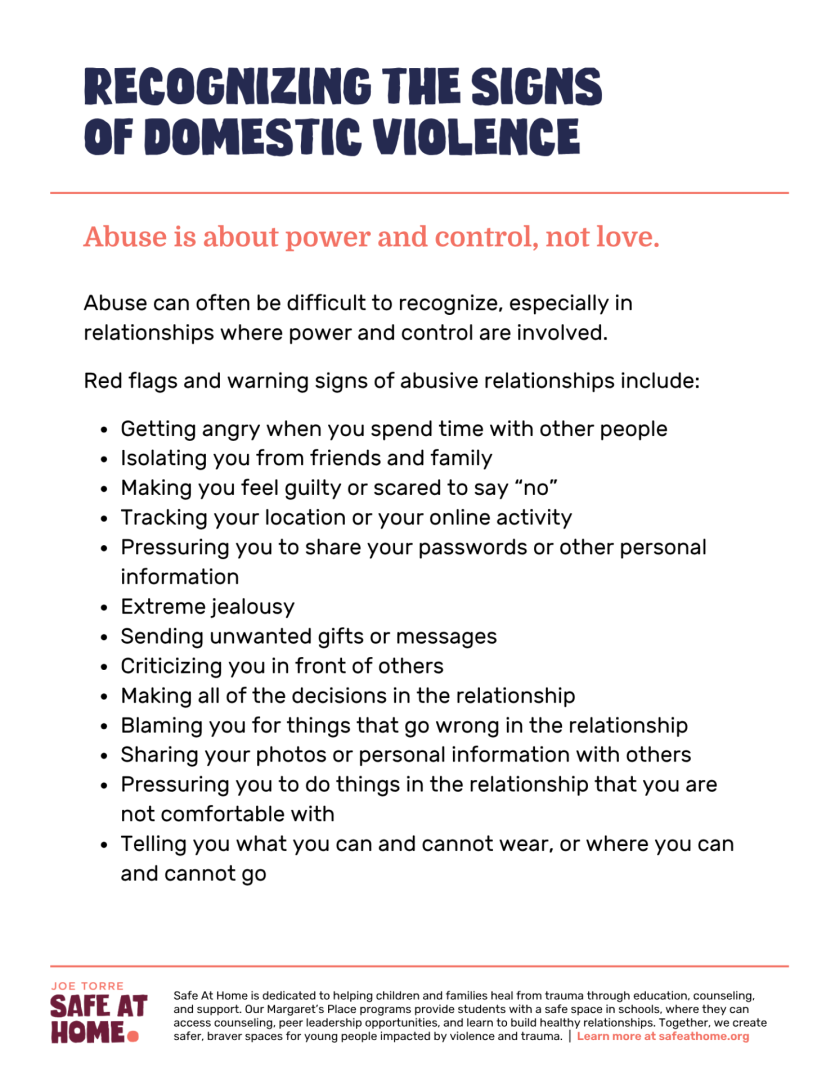
Some warning signs may include:

  • A partner who frequently checks their phone, their messages, their online accounts, or their location
  • Becoming increasingly isolated from friends, family, or activities they typically enjoy
  • Feeling or appearing anxious about how their partner may react
  • Sudden changes in self-confidence or self-esteem
  • Having limited access to money, transportation, or decision-making
  • Frequently canceling plans because a partner becomes upset
  • A partner who is excessively jealous, possessive, or controlling

It’s important to remember that the presence of any of these signs does not automatically mean someone is experiencing abuse.  But they can remind us to pay attention, stay connected, and approach others with curiosity and care, instead of making assumptions.

I’ve learned that support looks different to everyone.  Before reaching out, consider the person’s safety, privacy, and readiness.  Support often beings with something simple: noticing, listening, and letting someone know they don’t have to navigate challenges alone.

Supporting Young People Can Start with One Conversation

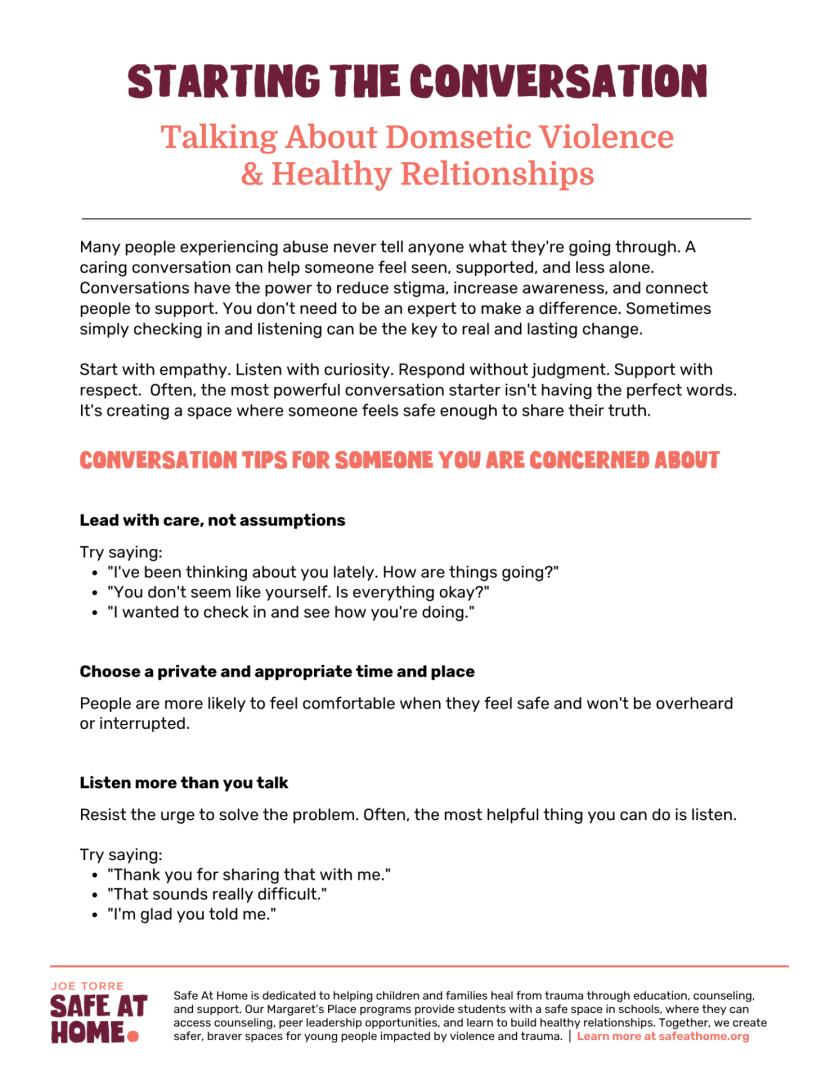
One question I hear all the time is: “What do I say if someone tells me they are experiencing abuse?”  The answer is that most people don’t need you to have the perfect words.  They need you to listen.  They need you to believe them.  They need you to resist the urge to judge, fix, or take cover.  In my experience, some of the most meaningful responses are also the simplest:

  • “Thank you for trusting me”
  • “I’m glad you told me”
  • “What happened is not your fault”
  • “How can I support you?”
  • “You are not alone”

These responses communicate a powerful message: I see you, I believe you, and I’m here with you.

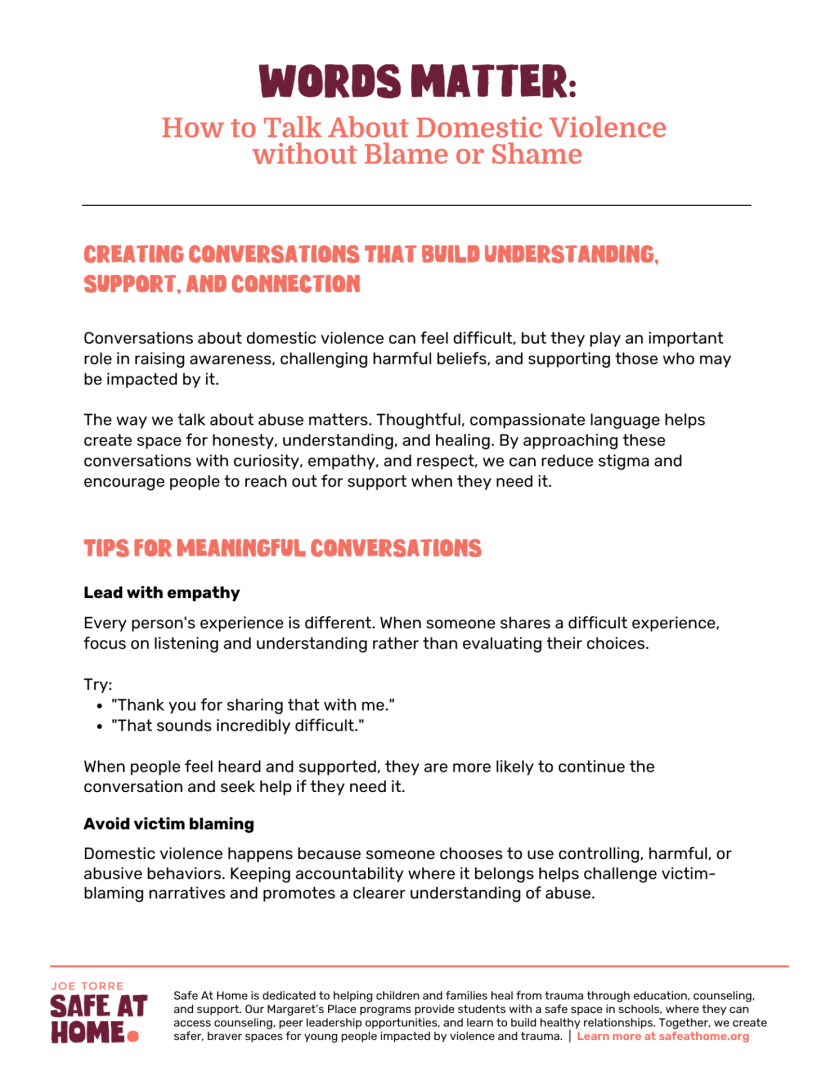
What we avoid saying matters too.  Questions like, “Why didn’t you leave?” or statements like “I would never stay in that situation” can unintentionally create shame and blame, and make it harder for someone to continue the conversation.  When we approach these conversations with empathy, respect, and a willingness to listen, we help create conditions for others to feel safer reaching out for support.

Prevention Starts with Everyday Conversations

One of the most meaningful lessons I have learned is that prevention does not begin during a crisis.  Prevention starts much earlier.  It starts when we talk about respect, boundaries, communication, consent, accountability, and healthy relationships.  It starts when we create opportunities for reflection and discussion.  It starts when we make space for questions.

I’ve worked with young people for most of my career, and one thing I know for sure is that they are already thinking deeply about relationships.  They are navigating friendships, family dynamics, dating relationships, online interactions, and questions about identity and belonging every day.

They don’t need adults to have all the answers.  What they need are trusted adults who are willing to listen, engage, and stay in the conversation.  Whether you are a parent, caregiver, educator, coach, mentor, or family member, your voice matters.  Your willingness to talk openly about healthy relationships matters.

And these conversations don’t have to be perfect.  Some of the most impactful conversations happen in everyday moments: during a care ride, over dinner, after watching a movie, or when responding to something happening in the world around us.

Healthy relationships are built on respect, trust, communication, honesty, boundaries, accountability, support, and shared decision-making.  When we help young people explore these concepts, we are not only teaching relationships skills, but we are also helping them develop the confidence, critical thinking, and self-awareness that can support them throughout their lives.

To support these conversations, we have created some additional resources:

Moving from Awareness to Action

I remain hopeful because I’ve seen what happens when people choose connection over silence. I’ve seen young people use their voices in powerful ways. I’ve seen families strengthen relationships through honest and tough conversations. I’ve seen educators create safer spaces for students. I’ve seen people recognize warning signs and offer support that makes others feel less alone.

This Domestic Violence Awareness Month, I invite you to take one small step. Share a resource. Start a conversation. Check in with someone you care about. Reflect on ways we can all contribute to communities built on safety, respect, and connection. Preventing violence is not the responsibility of a single person or organization. It takes all of us.

Safe At Home’s Your Voice Campaign Toolkit makes it easy, with information, messages, visuals, and resources you can use and customize to raise awareness and engage your community. To receive your toolkit, simply add your name to the Raise Your Voice Pledge.

You do not need to be an expert to make a difference. Every single conversation has the potential to increase understanding, reduce stigma, strengthen connection, and remind someone that support is available when they are ready. Often, that very conversation is exactly where change begins.

Jennifer Herbert, ATR-BC, LCAT, ATCS

Jennifer Herbert, ATR-BC, LCAT, ATCS

Vice President of Program Development, Content & Training | Joe Torre Safe at Home Foundation

Jennifer Herbert, ATR‑BC, LCAT, ATCS, is an art therapist, trainer, and program leader with more than 20 years of experience in the mental health field, specializing in work with individuals and communities impacted by complex and compounded trauma. She currently serves as Vice President of Program Development, Training, and Content at the Joe Torre Safe At Home Foundation, where she provides clinical and programmatic leadership for trauma‑informed initiatives, overseeing program design, implementation, and partnership development to support prevention and intervention efforts. Jennifer delivers national and international training for educators and clinicians on trauma‑informed practice, vicarious trauma, organizational wellness, and creative arts therapy.  She brings a strategic, relational approach to advancing evidence‑informed, responsive services that support children, adolescents, and adults across the lifespan.

Finding His Voice: Joe Torre Reflects on His Story This Domestic Violence Awareness Month

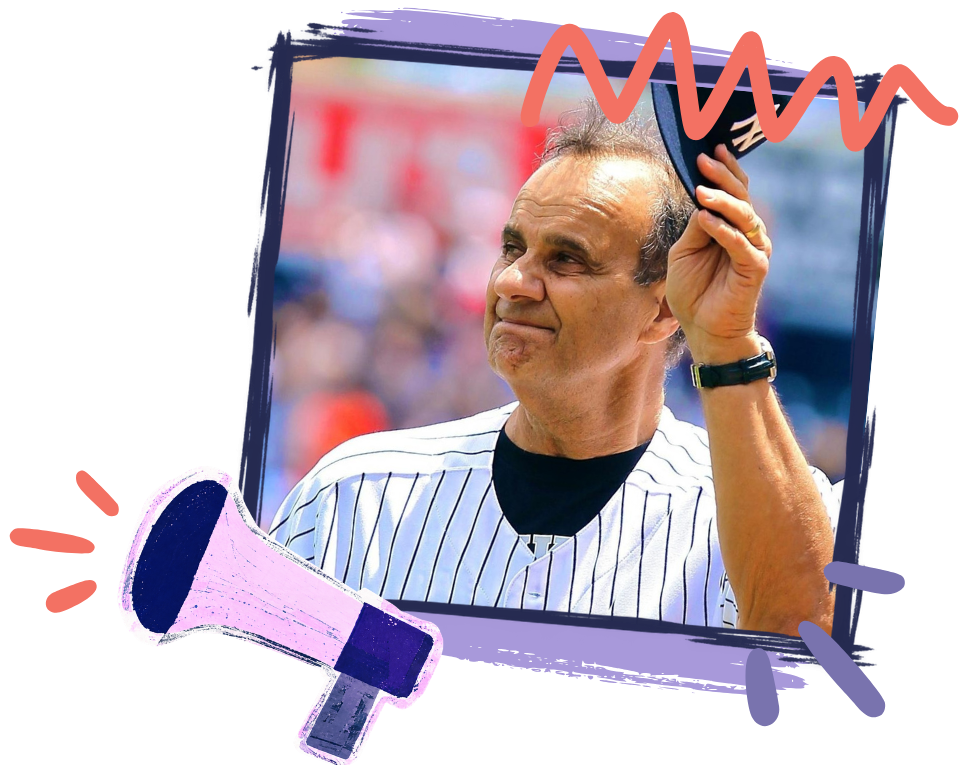
At Safe At Home, our work is rooted in lived experience and what we can learn from others. Before he became a legendary baseball player, Hall of Fame manager, and broadcaster, our co-founder Joe Torre was a child growing up in a home impacted by domestic violence. This Domestic Violence Awareness Month, we are grateful to Joe for sharing his personal reflections on growing up in a home affected by domestic violence, the power of finding his voice, and why he believes sharing our stories can help others feel seen, supported, and less alone.

A Letter from Joe Torre

Growing up, I didn’t always have the words to describe what was happening in my home. I knew I was afraid. I struggled with self-confidence. Like so many young people who grew up around domestic violence, I carried those feelings with me, even when I was away from home. Baseball gave me a place where I felt safe and supported when things at home were difficult.

For a long time, I kept what happened in my home to myself. I thought I was the only one going through something like that, and I didn’t know how to talk about it. It wasn’t until I attended a seminar as an adult that I began to understand how much what I witnessed growing up had affected me, even years later. When I began speaking publicly about my experience, I was struck by how many people shared similar stories with me. It made me realize that talking about it could help others feel less alone. That’s why my wife, Ali, and I started Safe At Home in 2002.

Our voices can make a difference, sometimes in ways we may never fully realize. I learned that firsthand when I began sharing my story. Speaking openly about domestic violence can help others feel less alone and encourage conversations that aren’t always easy to have. And sometimes, simply listening without judgement or helping someone find support can make a real difference. 

That’s what Safe At Home’s Your Voice campaign is all about. This Domestic Violence Awareness Month, I’m using my voice to remind anyone experiencing domestic violence that they are not alone, violence is not their fault, and help is available. Whether it’s starting a conversation, sharing information, or being there for someone who needs support, I hope you’ll add your voice, too.

Joe Torre’s story reminds us that sharing our experiences can help others feel less alone and create opportunities for conversation, connection, and change.

This October, we invite you to learn, listen, talk and share. Our Your Voice Campaign Toolkit makes it easy, with information, messages, visuals, and resources you can use and customize to raise awareness and engage your community. To receive your toolkit, simply add your name to our Raise Your Voice Pledge.

Finding His Voice: Joe Torre Reflects on His Story This Domestic Violence Awareness Month

At Safe At Home, our work is rooted in lived experience and what we can learn from others. Before he became a legendary baseball player, Hall of Fame manager, and broadcaster, our co-founder Joe Torre was a child growing up in a home impacted by domestic violence. This Domestic Violence Awareness Month, we are grateful to Joe for sharing his personal reflections on growing up in a home affected by domestic violence, the power of finding his voice, and why he believes sharing our stories can help others feel seen, supported, and less alone.

A Letter from Joe Torre

Growing up, I didn’t always have the words to describe what was happening in my home. I knew I was afraid. I struggled with self-confidence. Like so many young people who grew up around domestic violence, I carried those feelings with me, even when I was away from home. Baseball gave me a place where I felt safe and supported when things at home were difficult.

For a long time, I kept what happened in my home to myself. I thought I was the only one going through something like that, and I didn’t know how to talk about it. It wasn’t until I attended a seminar as an adult that I began to understand how much what I witnessed growing up had affected me, even years later. When I began speaking publicly about my experience, I was struck by how many people shared similar stories with me. It made me realize that talking about it could help others feel less alone. That’s why my wife, Ali, and I started Safe At Home in 2002.

Our voices can make a difference, sometimes in ways we may never fully realize. I learned that firsthand when I began sharing my story. Speaking openly about domestic violence can help others feel less alone and encourage conversations that aren’t always easy to have. And sometimes, simply listening without judgement or helping someone find support can make a real difference. 

That’s what Safe At Home’s Your Voice campaign is all about. This Domestic Violence Awareness Month, I’m using my voice to remind anyone experiencing domestic violence that they are not alone, violence is not their fault, and help is available. Whether it’s starting a conversation, sharing information, or being there for someone who needs support, I hope you’ll add your voice, too. 

Joe Torre’s story reminds us that sharing our experiences can help others feel less alone and create opportunities for conversation, connection, and change.

This October, we invite you to learn, listen, talk and share. Our Your Voice Campaign Toolkit makes it easy, with information, messages, visuals, and resources you can use and customize to raise awareness and engage your community. To receive your toolkit, simply add your name to our Raise Your Voice Pledge.

Press Release: Joe Torre Safe At Home Comes to Yankee Stadium


WHAT: The New York Yankees will welcome Joe Torre Safe At Home for a special game.

WHEN: Wednesday, August 12, 7:05 PM

WHO: Fans can see Joe Torre take part in a special pre-game ceremony (at approximately 6:45 p.m.), which will include information about Safe At Home and an important video.

MORE: In addition, fans who purchase tickets to the game directly through this link will receive a custom co-branded Yankees and Safe At Home hat. For each ticket, a $10 donation will go to Safe At Home.

Founded in 2002 by Ali and Joe Torre, Safe At Home was created to end the cycle of domestic violence and abuse through education. Safe At Home reaches more than 28,000 students each year and has directly served over 425,000 young people while working with families, schools and communities across the country and world.

Safe At Home’s connection to baseball runs deeper than our name. Rooted in the game’s shared values—respect, teamwork, leadership, and positive role modeling— we partner with Minor League Baseball and several Major League Baseball clubs to raise awareness of domestic violence, abuse, bullying, and harassment, which perpetuate cycles of harm in relationships and communities. Safe At Home expands access to trusted resources and inspires meaningful engagement with our mission.

We encourage all fans to visit www.safeathome.org for resources that can be downloaded, printed, and shared to raise awareness, spark dialogue, support young people, and strengthen prevention efforts to end the cycle of domestic violence and abuse through education.

For more and resources, visit www.safeathome.org.

###

Media Contact:

Sabrina Strauss

Goodman Media International

sstrauss@goodmanmedia.com


2026 Golf & Tennis Classic Raises More Than $550,000 for Safe At Home

Supporters, partners, celebrity guests, and community leaders gathered at Sleepy Hollow Country Club on July 16 for Safe At Home’s Annual Golf & Tennis Classic, raising more than $550,000 to help provide prevention education, counseling, and support for young people and families impacted by domestic violence and abuse.

From the golf course and tennis courts through the evening program, the day brought together longtime supporters and new friends around a shared belief: every young person deserves to feel safe, supported, and hopeful about their future.

Celebrity Guests

We were honored to welcome an incredible group of athletes, broadcasters, and longtime friends of Safe At Home who generously donated their time in support of this year’s event:

Rick Cerone, Marco Battaglia, Ken Dashow, John Franco, Brian Kelly, Chris Lambert, Jim Leyritz, Tino Martinez, Lee Mazzilli, Paul Mirabella, Shane Spencer, John Starks, Darryl Strawberry, Tom Verducci, and Todd Zeile. 

Their participation and enthusiasm helped make the day especially memorable for our players and guests.

Congratulations to Our Tournament Winners

Low Gross: Colleen Manfred, Kathy Scotti, Elizabeth Bellendir, Naomi Phan, Tyler Everets

Low Net: Billy Wade, Mike Shéa, Baskar Ramachandran, Saul Faber, Brian Kelly

Closest to the Pin: Naomi Phan, Sean Peters, Todd Zeile

Longest Drive: Naomi Phan, Scott Voigt

Congratulations to this year’s winners and thank you to everyone who joined us on the course and courts.

Honoring Tom Kushner

One of the evening’s most meaningful moments was the recognition of Tom Kushner, a founding Board Member whose extraordinary leadership and longstanding commitment has helped shape Safe At Home since its earliest days.

For decades, Tom has been a dedicated champion of the organization, strengthening our work through his leadership, generosity, and belief in our mission. His support has helped ensure more young people and families can access the education, counseling, and resources they need to envision futures free from harm.

We were proud to honor Tom and grateful for the lasting impact he continues to make.

Evening Program

The evening program celebrated the people and partnerships that make Safe At Home’s work possible.

Guests heard remarks from Safe At Home Founders Ali  and Joe Torre, Board Members and Golf & Tennis Committee Co-Chairs Bob Murray and Matt Roux, honoree Tom Kushner, and Vice President of Programs Jenny Herbert.

Together, they reflected on Safe At Home’s impact, the importance of investing in young people and families, and the collective responsibility to create environments where every young person can feel safe, supported, and heard.

Following dinner, Golf & Tennis Committee member Tim O’Neill moderated a very special fireside chat featuring Joe Torre, Todd Zeile, John Starks, and Darryl Strawberry. The panel shared their thoughts on  leadership, resilience, teamwork, and the influence that mentors and positive role models can have throughout a young person’s life.

One of the most moving aspects of the program was hearing men share their personal experiences with domestic violence, abuse, and trauma. Their openness underscored the important role men can play in creating change and building a safer future for young people and families. A very special thank you to those who shared their personal stories with our guests.

Throughout the program, guests also enjoyed live music from Hudson Valley artist Alex Cano.

With Gratitude

The Golf & Tennis Classic would not be possible without the generosity of our sponsors, donors, participants, auction bidders, celebrity guests, volunteers, partners, and everyone who contributed to the success of the day.

Your support extends far beyond a single event. It helps Safe At Home continue providing prevention education, counseling, and support to young people and families impacted by domestic violence and abuse.

We are especially grateful to the following partners and contributors:

Hole-in-One Vehicles: Benzel-Busch and Land Rover Princeton

Official Airline Sponsor: Delta Air Lines

Gift Item Donors: ’47, Crown Awards, Major League Baseball, and Pedigree Ski Shop

Dinner Entertainment: Alex Cano

Event Photographer: John Chan

Media Relations: Goodman Media International, Inc.

We also extend our sincere thanks to the members of the 2026 Golf & Tennis Committee for their time, dedication, and leadership:

Bob Murray, Co-Chair • Matt Roux, Co-Chair • Kyle Driscoll • Rob Gaynor • Maury Gostfrand •Frank Longobardi • Tim O’Neill • Gerry Polizzi

Thank you to everyone who helped make the 2026 Golf & Tennis Classic such a meaningful and succesful day. 

Couldn’t join us this year? Make a contribution below.

2026 Golf & Tennis Classic Raises More Than $550,000 for Safe At Home

Supporters, partners, celebrity guests, and community leaders gathered at Sleepy Hollow Country Club on July 16 for Safe At Home’s Annual Golf & Tennis Classic, raising more than $550,000 to help provide prevention education, counseling, and support for young people and families impacted by domestic violence and abuse.

From the golf course and tennis courts through the evening program, the day brought together longtime supporters and new friends around a shared belief: every young person deserves to feel safe, supported, and hopeful about their future.

Celebrity Guests

We were honored to welcome an incredible group of athletes, broadcasters, and longtime friends of Safe At Home who generously donated their time in support of this year’s event:

Rick Cerone, Marco Battaglia, Ken Dashow, John Franco, Brian Kelly, Chris Lambert, Jim Leyritz, Tino Martinez, Lee Mazzilli, Paul Mirabella, Shane Spencer, John Starks, Darryl Strawberry, Tom Verducci, and Todd Zeile. 

Their participation and enthusiasm helped make the day especially memorable for our players and guests.

Congratulations to Our Tournament Winners

Low Gross: Colleen Manfred, Kathy Scotti, Elizabeth Bellendir, Naomi Phan, Tyler Everets

Low Net: Billy Wade, Mike Shéa, Baskar Ramachandran, Saul Faber, Brian Kelly

Closest to the Pin: Naomi Phan, Sean Peters, Todd Zeile

Longest Drive: Naomi Phan, Scott Voigt

Congratulations to this year’s winners and thank you to everyone who joined us on the course and courts.

Honoring Tom Kushner

One of the evening’s most meaningful moments was the recognition of Tom Kushner, a founding Board Member whose extraordinary leadership and longstanding commitment has helped shape Safe At Home since its earliest days.

For decades, Tom has been a dedicated champion of the organization, strengthening our work through his leadership, generosity, and belief in our mission. His support has helped ensure more young people and families can access the education, counseling, and resources they need to envision futures free from harm.

We were proud to honor Tom and grateful for the lasting impact he continues to make.

Evening Program

The evening program celebrated the people and partnerships that make Safe At Home’s work possible.

Guests heard remarks from Safe At Home Founders Ali and Joe Torre, Board Members and Golf & Tennis Committee Co-Chairs Bob Murray and Matt Roux, honoree Tom Kushner, and Vice President of Programs Jenny Herbert.

Together, they reflected on Safe At Home’s impact, the importance of investing in young people and families, and the collective responsibility to create environments where every young person can feel safe, supported, and heard.

Following dinner, Golf & Tennis Committee member Tim O’Neil moderated a very special fireside chat featuring Joe Torre, Todd Zeile, John Starks, and Darryl Strawberry. The panel shared their thoughts on leadership, resilience, teamwork, and the influence that mentors and positive role models can have throughout a young person’s life.

One of the most moving aspects of the program was hearing men share their personal experiences with domestic violence, abuse, and trauma. Their openness underscored the important role men can play in creating change and building a safer future for young people and families. A very special thank you to those who shared their personal stories with our guests.

Throughout the program, guests also enjoyed live music from Hudson Valley artist Alex Cano.

With Gratitude

The Golf & Tennis Classic would not be possible without the generosity of our sponsors, donors, participants, auction bidders, celebrity guests, volunteers, partners, and everyone who contributed to the success of the day.

Your support extends far beyond a single event. It helps Safe At Home continue providing prevention education, counseling, and support to young people and families impacted by domestic violence and abuse.

We are especially grateful to the following partners and contributors: 

Hole-in-One Vehicles: Benzel-Busch and Land Rover Princeton

Official Airline Sponsor: Delta Air Lines

Gift Item Donors: ’47, Crown Awards, Major League Baseball, and Pedigree Ski Shop

Dinner Entertainment: Alex Cano

Event Photographer: John Chan

Media Relations: Goodman Media International, Inc.

We also extend our sincere thanks to the members of the 2026 Golf & Tennis Committee for their time, dedication, and leadership:

Bob Murray, Co-Chair • Matt Roux, Co-Chair • Kyle Driscoll • Rob Gaynor • Maury Gostfrand •Frank Longobardi • Tim O’Neill • Gerry Polizzi

Thank you to everyone who helped make the 2026 Golf & Tennis Classic such a meaningful and succesful day.

Couldn’t join us this year? Make a contribution below.

MLB logo with a batter silhouette on blue, stars, next to text 'JOE TORRE SAFE AT HOME'

Press release

Minor League Baseball and Joe Torre Safe At Home Celebrate 10 Years of Partnership, Hosting Safe At Home Games in Ballparks to Help End the Cycle of Violence and Abuse

Major League Baseball Continues its Support of Safe At Home Games with Select Teams

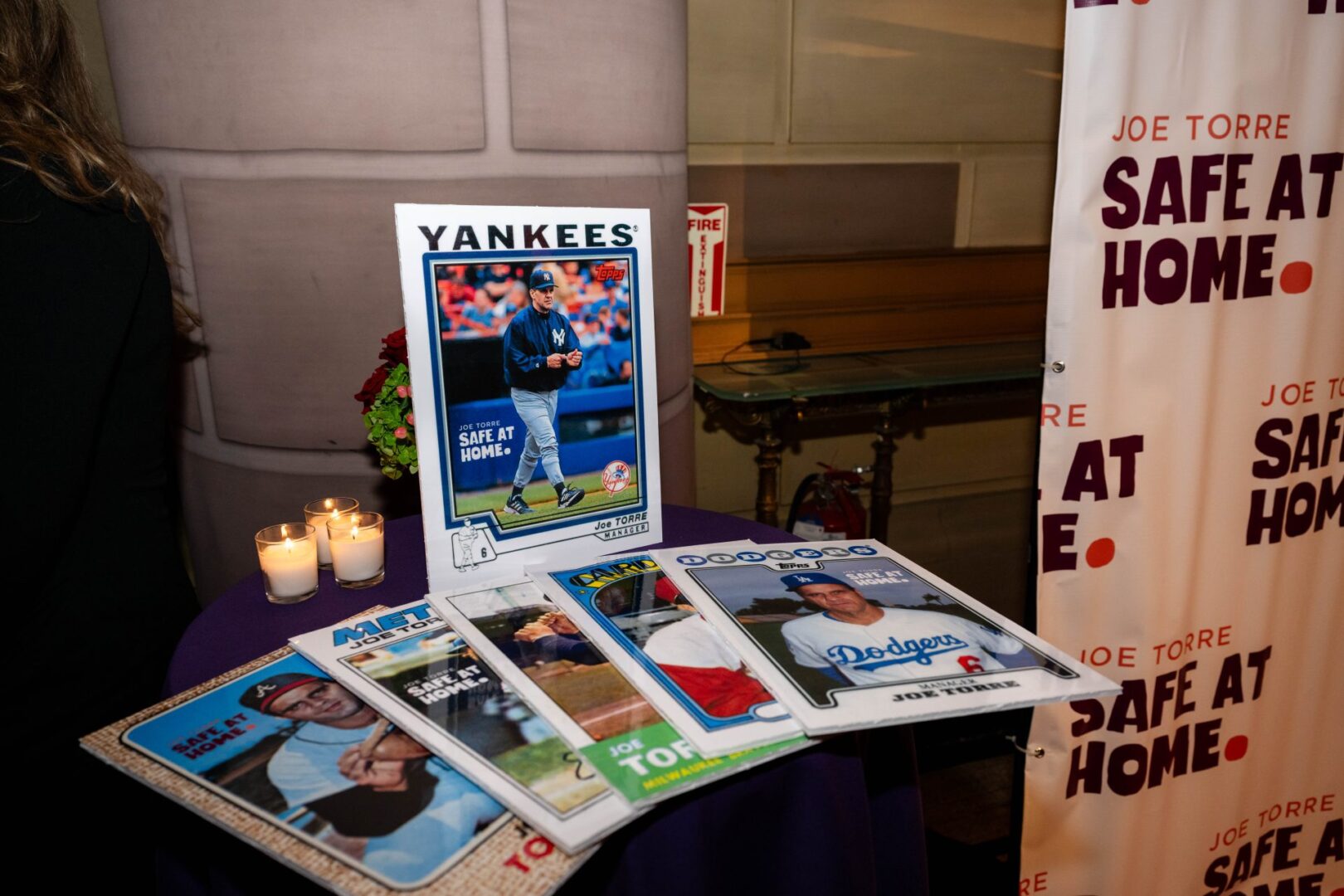
Topps ® Creates Custom Joe Torre Safe At Home Baseball Cards for Select Stadium Events

 May 13, 2026 — For the 10 th year in a row, Minor League Baseball™ (MiLB™) and Joe Torre Safe At Home (SAH) will team up at ballparks this summer to raise awareness about domestic violence and abuse, and to inspire fans of all ages to join them in SAH’s critical effort to support young people’s safety and well‑being. Additionally, several Major League Baseball™ (MLB™) clubs will also participate by hosting special Safe At Home Games throughout the season.

Over 65 MiLB teams will participate in an in-ballpark initiative from June 1 – September 20, 2026. At participating games, fans will have multiple opportunities to engage with SAH’s mission, including video public service announcements and scoreboard messages dedicated to raising awareness of issues related to violence and abuse, opportunities to win a Joe Torre autographed baseball, posters featuring help and hotline information, and on-site resources provided by local domestic violence organizations.

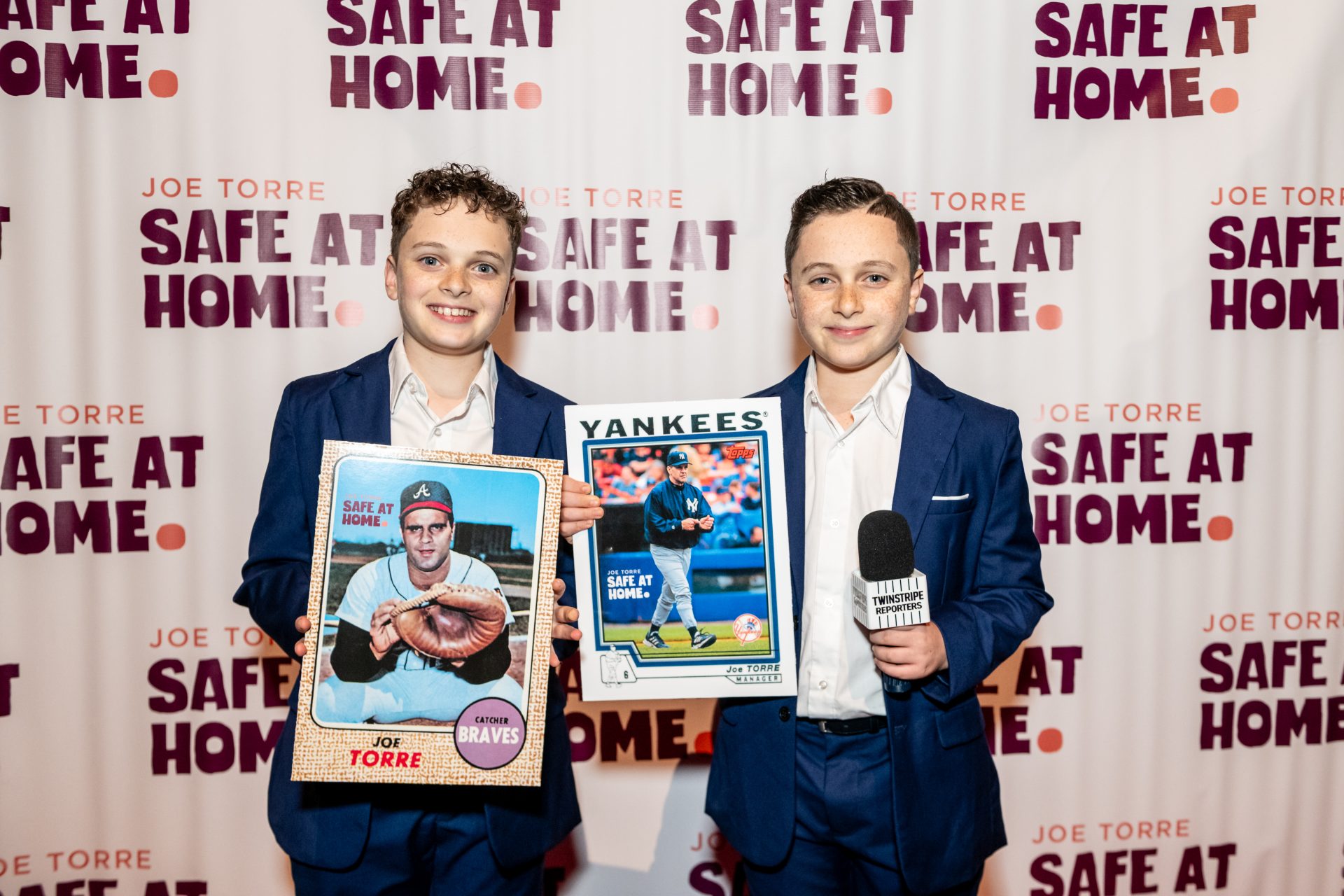
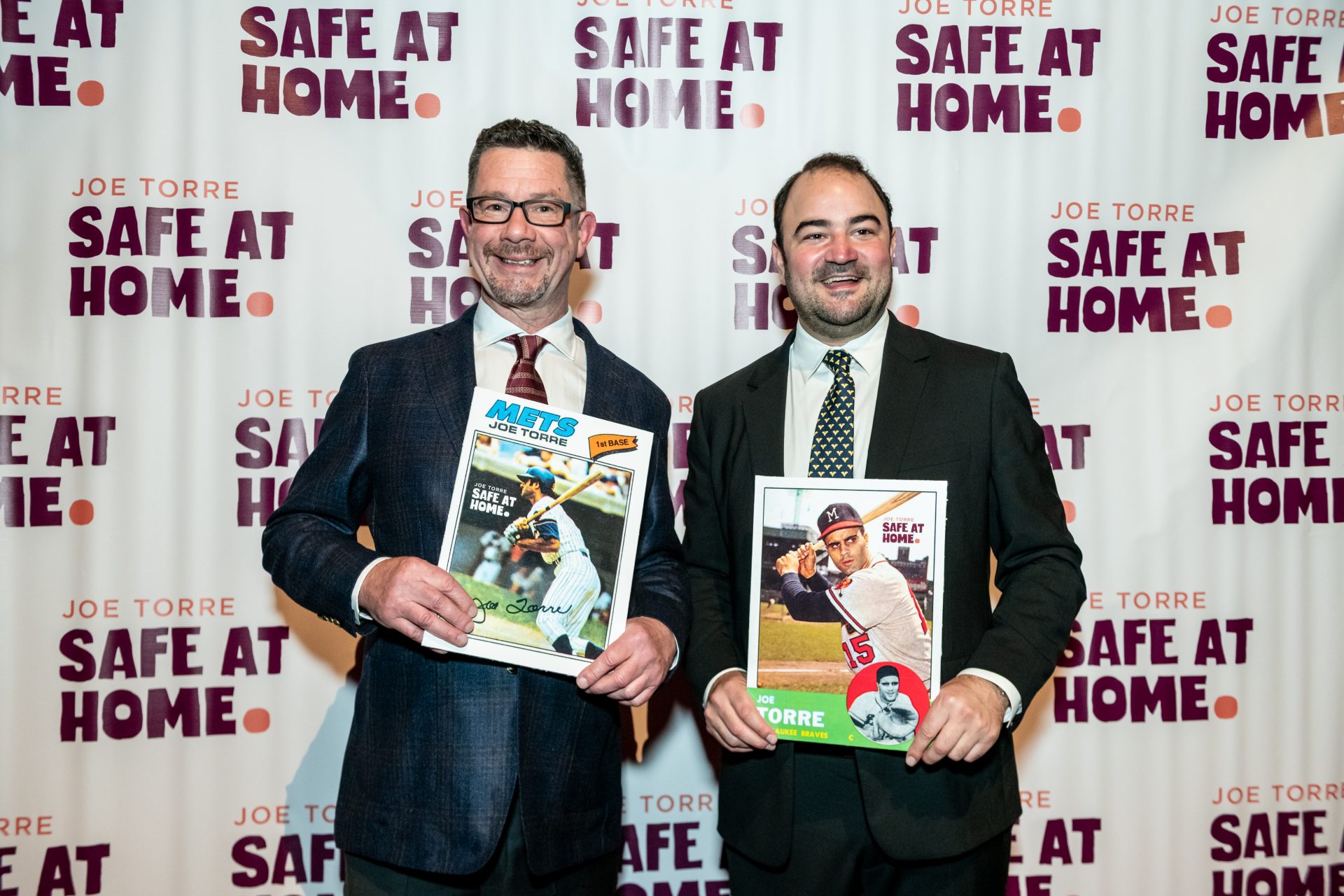
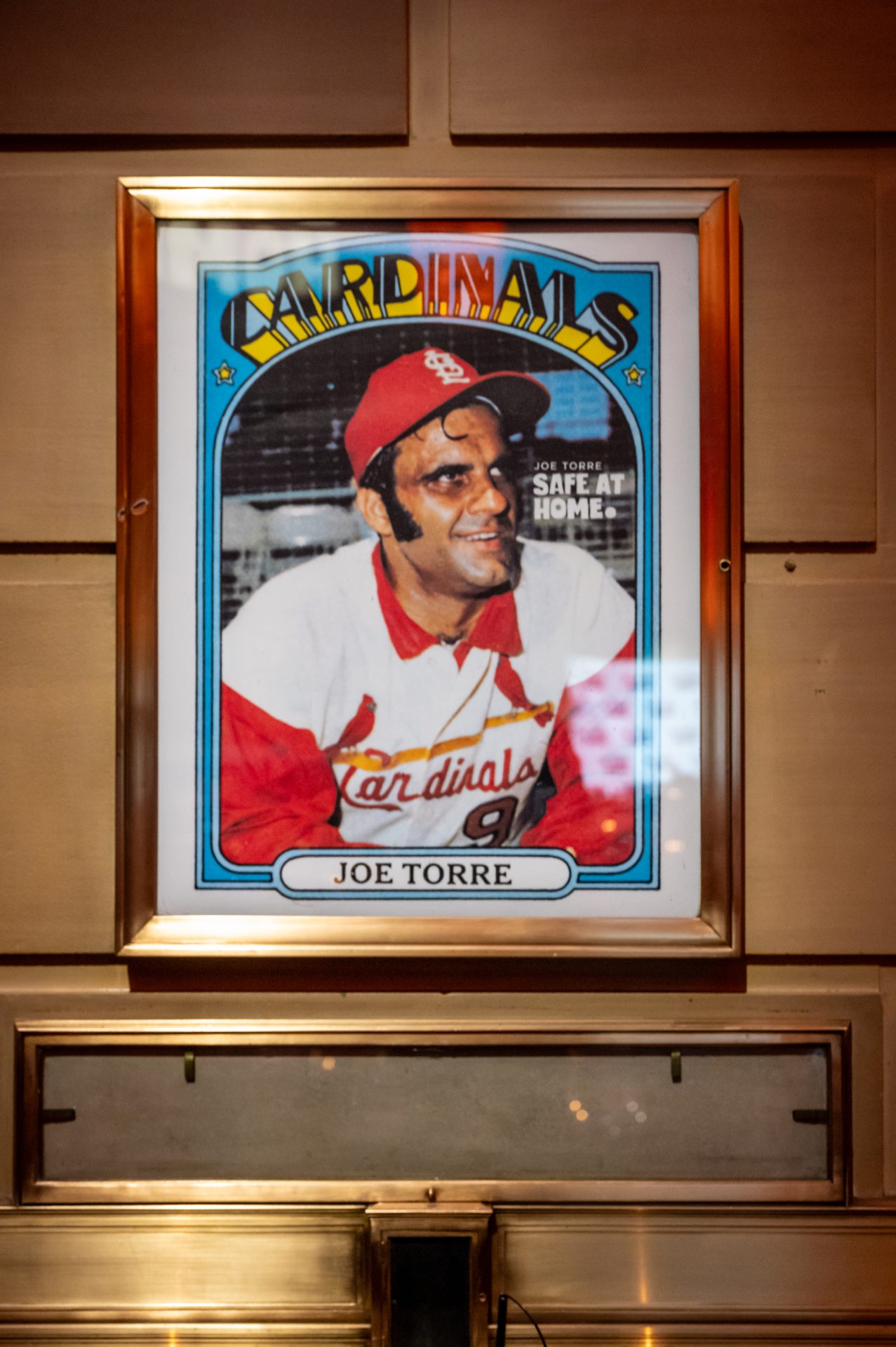
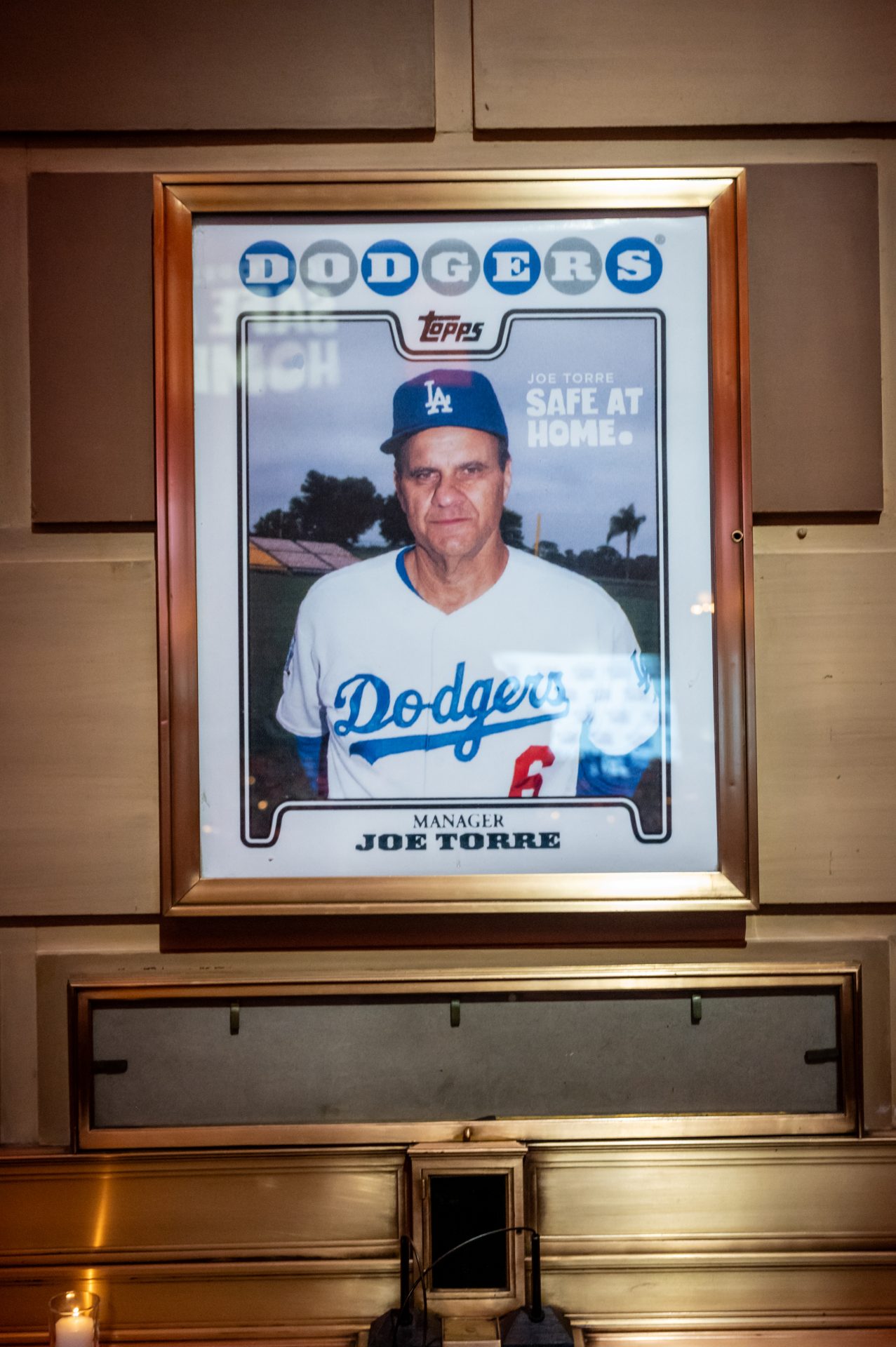
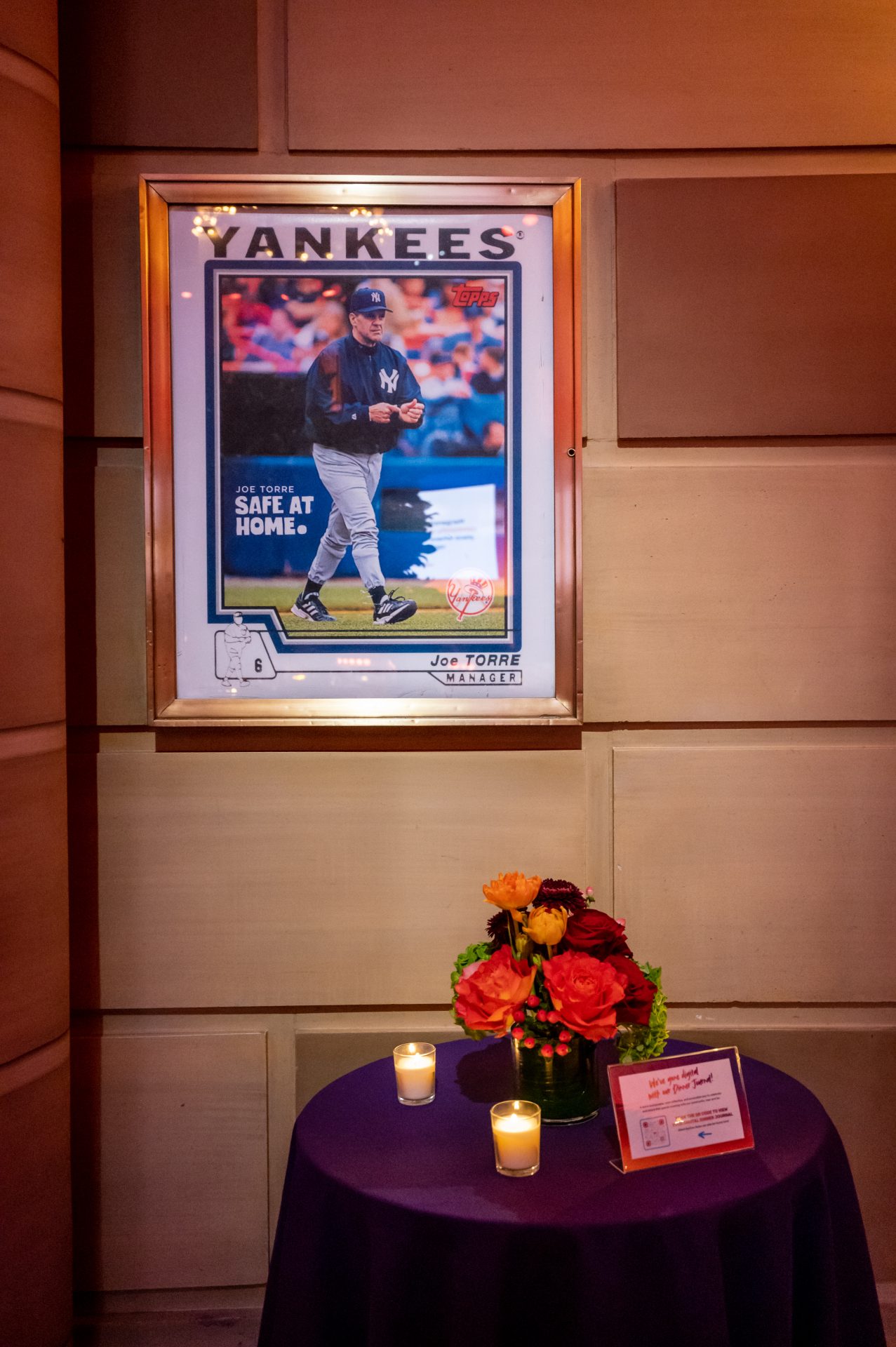
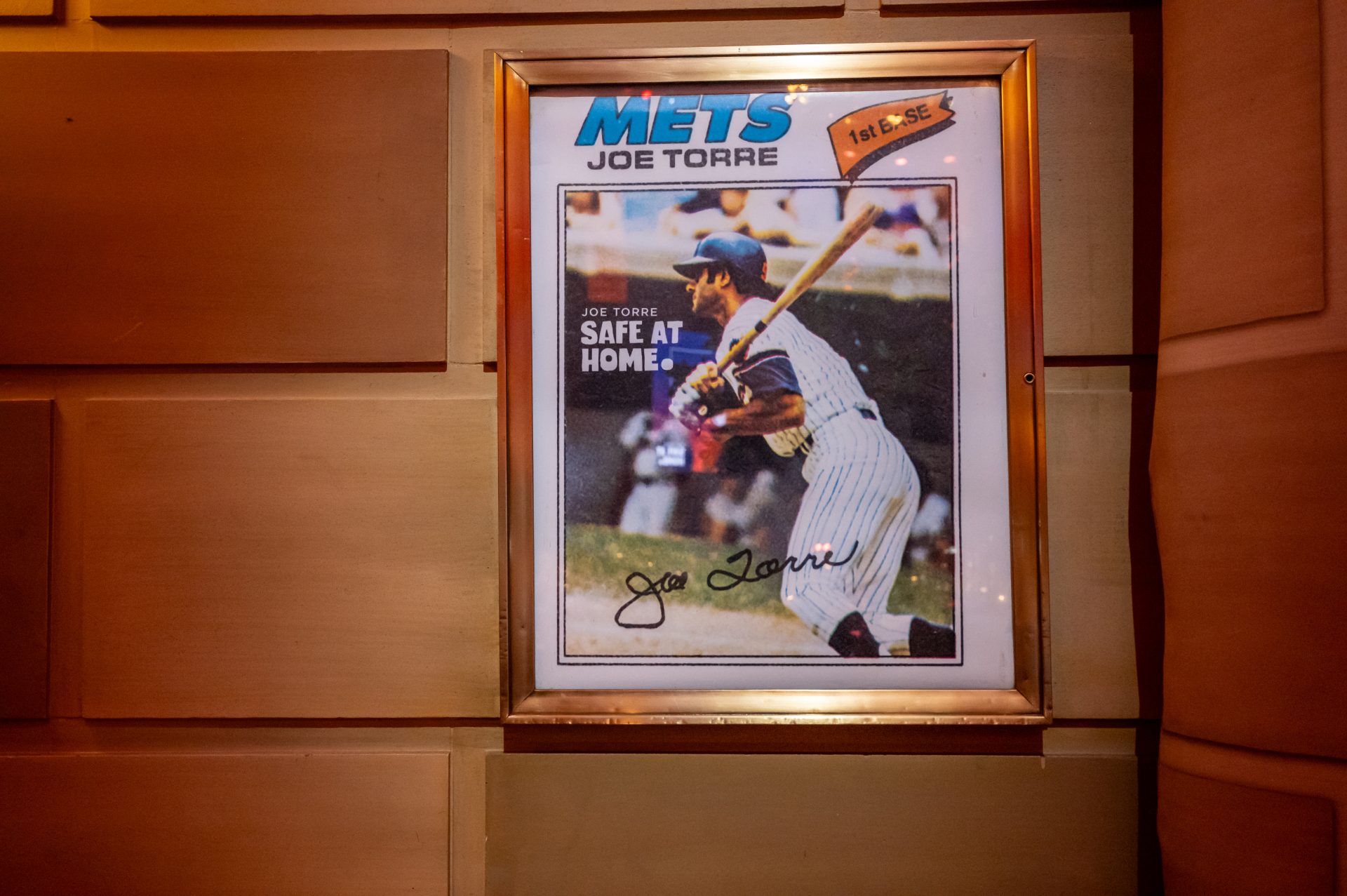
Additionally, fans at MiLB Safe At Home Games will have the chance to receive packs of new Topps ® baseball cards, as well as a limited edition, custom Safe At Home Topps ® baseball card inspired by legendary Joe Torre cards from throughout his career, featuring SAH conversation starters and resources on the back. They include:

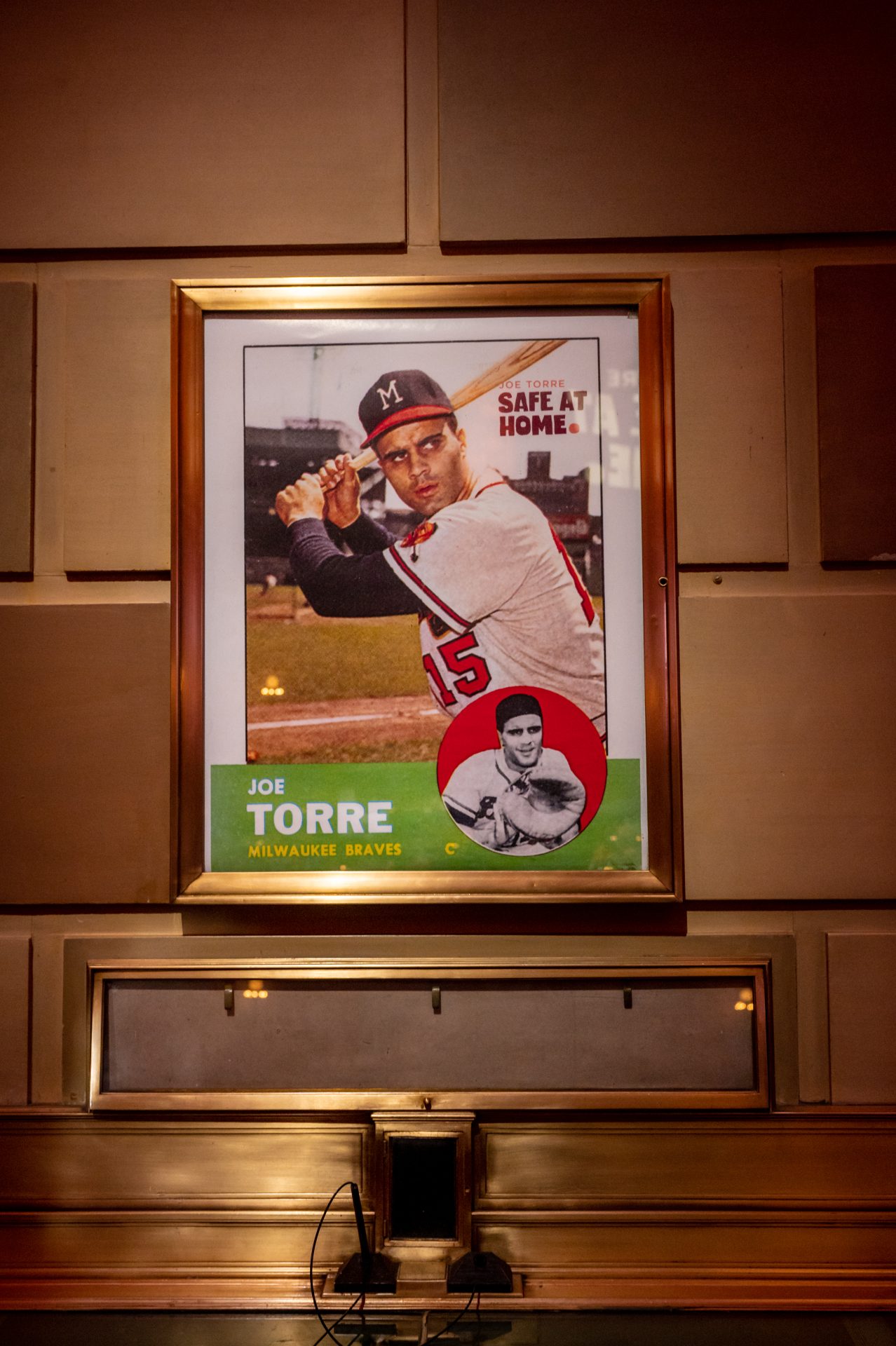
  • 1963 Topps Baseball Joe Torre #347 (Milwaukee Braves)
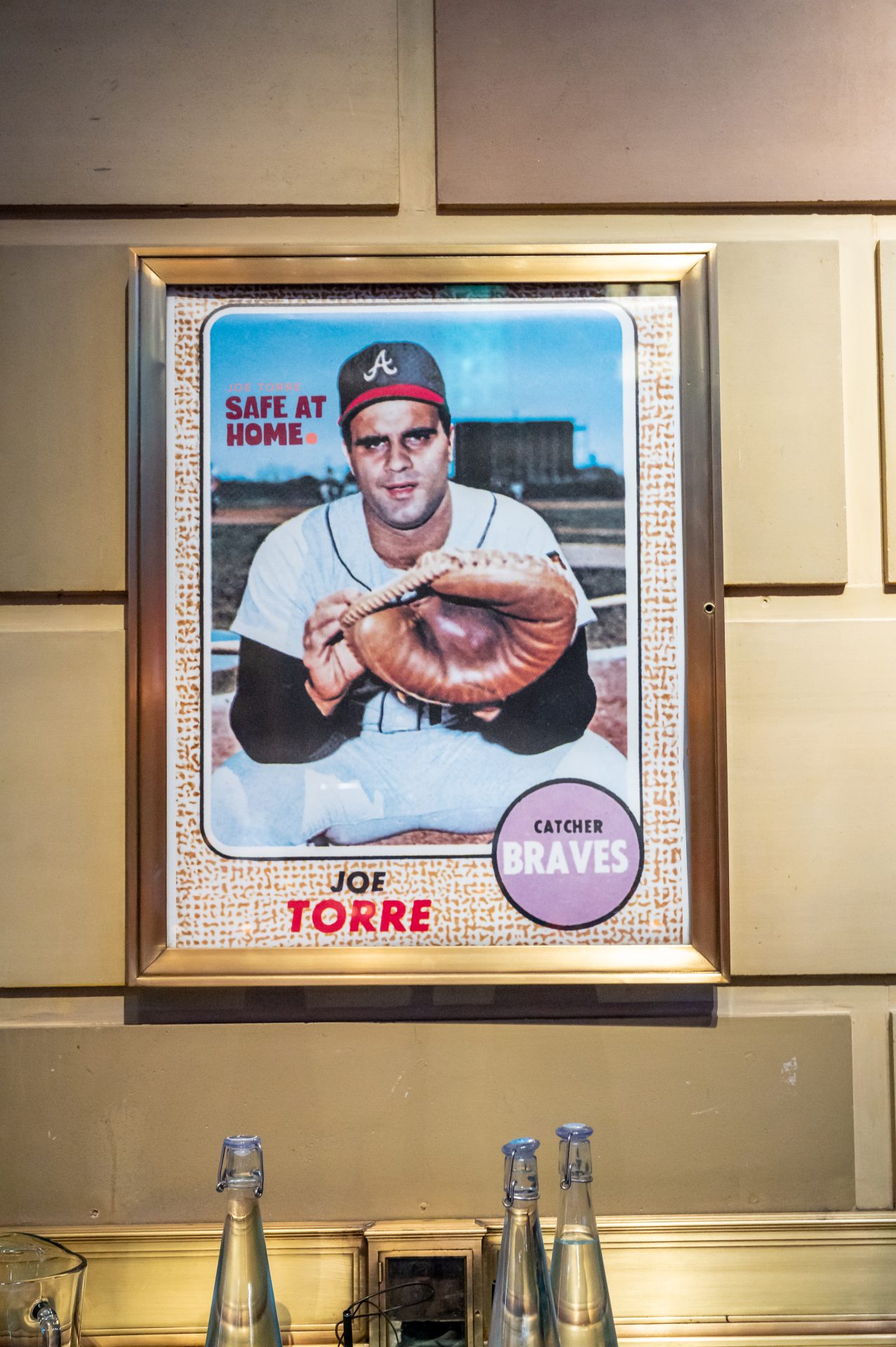
  • 1968 Topps Baseball Joe Torre #30 (Atlanta Braves)
  • 1972 Topps Baseball Joe Torre #500 (St. Louis Cardinals)
  • 1977 Topps Baseball Joe Torre #425 (New York Mets)
  • 2004 Topps Baseball Joe Torre #286 (New York Yankees, Manager)
  • 2008 Topps Baseball Joe Torre #624 (Los Angeles Dodgers, Manager)

“We are proud of our decadelong partnership with Minor League Baseball, as well as our growing and impactful partnership with Major League Baseball and Topps. Each year, Safe At Home Games reach more fans and deepen our impact,” said Joe Torre, Baseball Hall of Famer and cofounder and cochair of Safe At Home. “Together, we are helping make ballparks places where everyone feels safe, supported, and respected, while raising awareness about domestic violence and abuse, connecting fans to important resources, and empowering young people to build futures free from harm.”

Founded in 2002 by Ali and Joe Torre, Safe At Home was created to end the cycle of domestic violence and abuse through education. Safe At Home’s Margaret’s Place, named in honor of Joe’s mother, is a safe space in schools which offers both traumainformed prevention and intervention services for empowerment, education, and understanding. Students are given the tools to understand what healthy relationships look like, how to care for themselves and each other, and how to support friends in need—so that everyone feels safer and braver at school, at home, and wherever they go. Safe At Home reaches more than 28,000 students each year and has directly served over 425,000 young people, families, schools, and communities across California, New York, Ohio, and two international locations since the organization’s inception.

For more information and to find a participating game, visit www.safeathome.org/baseball.

###

Media Contact:
Sabrina Strauss
Goodman Media International
sstrauss@goodmanmedia.com

annual 2026 los angeles Gala

annual 2025

los angeles Gala

The Next Generation of Change: A Powerful Night in Los Angeles

The Next Generation of Change: A Powerful Night in Los Angeles

On April 23, 2026, friends, supporters, and advocates gathered at The Maybourne Beverly Hills for Safe At Home’s Annual Los Angeles Gala, united by a shared commitment to young people across Los Angeles.
From the moment guests arrived, the energy was unmistakable: this was more than a event. It was a powerful reminder of what’s possible when people come together around a mission that matters. Against the backdrop of shifting funding for school‑based mental health programs, placing access to trusted support at risk for thousands of students, the evening carried a heightened sense of urgency.

The occasion brought together leaders from across entertainment, music, sports, and public service, including baseball great Tony La Russa, actor and filmmaker Billy Crystal, actor Dann Florek, recording artist MILCK, and Assemblymember Mike A. Gipson (CA‑65). Guests gathered for a cocktail reception and silent auction, connecting longtime supporters, new friends, and partners from across Los Angeles and beyond.

“We’re here tonight to affirm that intention and their vision—that it is possible to end this cycle of domestic violence and abuse. And that education remains one of the most powerful tools we have to do it.” - Bob Costas

The Evening Begins

As guests took their seats, esteemed broadcaster and longtime Safe At Home host Bob Costas welcomed the room, grounding the evening in purpose and commitment. A supporter of Safe At Home for more than two decades, Costas spoke to the heart of the Safe At Home’s mission: that it is possible to end the cycle of violence and abuse—and that education remains one of the most powerful tools in making that possible. He then joined Joe Torre and Tony La Russa in a wide‑ranging conversation, offering attendees unique reflections shaped by decades in the game of baseball and the perspective that comes with time.

“What our young people experience early on can stay with them for a long time. And having someone there—someone they trust, someone who shows up—can change the direction of their life.” - Ali & Joe Torre

Ali and Joe Torre followed with remarks rooted in gratitude for the community that continues to stand alongside Safe At Home and a shared belief in what becomes possible when young people are given the support they deserve. Their reflections underscored a powerful truth: what young people experience early in life can shape their futures—and for those who experience domestic violence, abuse, or other trauma, access to learned skills, trusted adults, and meaningful resources can foster healing, resilience, and lasting possibility.

That vision lives on through Margaret’s Place, Safe At Home’s school‑based model that creates safe spaces where young people build skills to recognize harm, develop healthy relationships, and ask for help when they need it most. Through film and firsthand storytelling, guests saw how this work not only makes a difference for those young people are able to access Safe At Home’s programs in their schools, but how it’s reach new and growing audiences through partnerships like those with Major League Baseball, Minor League Baseball, and communities nationwide.

Honoring Edward Mady

At the heart of the evening was the recognition of Edward Mady—this year’s honoree, a globally respected hospitality leader, and dedicated member of the Safe At Home Board of Directors. Since joining the Board in 2017, Ed has played a meaningful role in shaping Safe At Home’s presence and growth in Los Angeles. He was instrumental in the foundation of the organization’s first LA Gala, helping to establish it in Beverly Hills and setting the stage for what has become one of the organization’s most important annual events.
Through his leadership and deep ties within the hospitality community, Ed has consistently created opportunities for Safe At Home to gather in exceptional spaces while thoughtfully stewarding resources so that more funding supports the work itself. Informed by years of leading high‑performing teams, his perspective has strengthened the organization’s approach and supported its continued growth. A surprise tribute featuring Hall of Famer Derek Jeter added a powerful, personal dimension to the moment, underscoring the respect Ed has earned across industries. His longstanding commitment reflects a genuine investment in Safe At Home’s mission and in the young people, schools, and communities at the heart of our work.
“That’s what leadership really is—humans caring for humans.” - Ed Mady

The Next Generation of Change

One of the most moving moments of the evening came from four Peer Leaders representing Margaret’s Place at Santa Monica High School: Orly Wilkinson, Grayson Fitzgerald, Samantha Medina, and Kaitlyn Eggers. Through their reflections, they spoke about what Margaret’s Place has meant in their lives, offering not only support but the language and tools to understand their experiences and show up for others.

As graduating seniors, they now carry that forward with the confidence to challenge what isn’t right and create change in their communities. Their presence on stage was a powerful reminder of what becomes possible when young people are given the support they deserve, as well as a reflection of the leadership behind them, including their counselor, Ms. Lara DeSanto, who continues to guide one of the largest school communities in the program with care, consistency, and trust.

“Being a Peer Leader has allowed me to connect with students at school and talk openly about what healthy relationships look like. But it’s also given me the tools to have those same conversations at home.” - Samantha, MP Peer Leader

This Moment Matters

Amplifying the voices of the Peer Leaders, CEO Maile Zambuto delivered a compelling call to action, drawing on her decades of experience addressing domestic violence and abuse. She spoke to the realities facing young people across Los Angeles today, where exposure to violence, instability, and trauma shapes how students move through the world. Zambuto then invited Assemblymember Mike A. Gipson to the stage, whose leadership in California’s 65th Assembly District—encompassing communities including Compton, Carson, and parts of South Los Angeles—places him at the forefront of the challenges and opportunities facing the young people Safe At Home serves.

Gipson reinforced this urgency, grounding the conversation in the lived experiences of the young people and families he represents and emphasizing the importance of investing in prevention and early intervention. His presence underscored the role of public and private partnership in sustaining programs like Margaret’s Place and ensuring these spaces remain accessible. Together, their messages made one thing clear: this moment calls for partnership from all of us. 

“If we are serious about public safety, educational outcomes, and the future of our young people, then we have to invest in prevention—and in partnerships that work.” - Assemblymember Mike A. Gipson (CA-65)

During the evening’s paddle raise, that call was met with extraordinary generosity. Led by Maile Zambuto and Board Member Lori Sunkin, supporters came together to invest in the future of Safe At Home and Margaret’s Place, raising critical funds to help safeguard programs at risk. With the support of a generous matching gift, every contribution made during the evening, and through June 30, 2026, will be doubled—helping sustain essential programs and creating a much-needed funding bridge during this critical time. It was a powerful reflection of what this community does best: showing up when it matters most.

“The strength and resilience of these young people are a reminder that even in our darkest times, we have the power to rise up and rebuild.” - Maile Zambuto, Chief Executive Officer, Safe At Home Foundation

A Meaningful Close

To close the evening, guests were treated to a special solo performance by John Rzeznik of the Goo Goo Dolls. A longtime supporter of Safe At Home, Rzeznik has shown up in extraordinary ways over the years, from dedicating proceeds from tours to sharing education and resources through his platform and visiting Margaret’s Place to connect directly with students. His continued partnership reflects a shared commitment to using influence and creativity to expand the reach of this work, and his performance served as a meaningful close to the evening.

All night, one message became clear: when young people are given the tools, support, and space to understand what they’re experiencing, they begin to make different choices for themselves, for their relationships, and for their futures. That is how cycles are interrupted, and that is how they end.

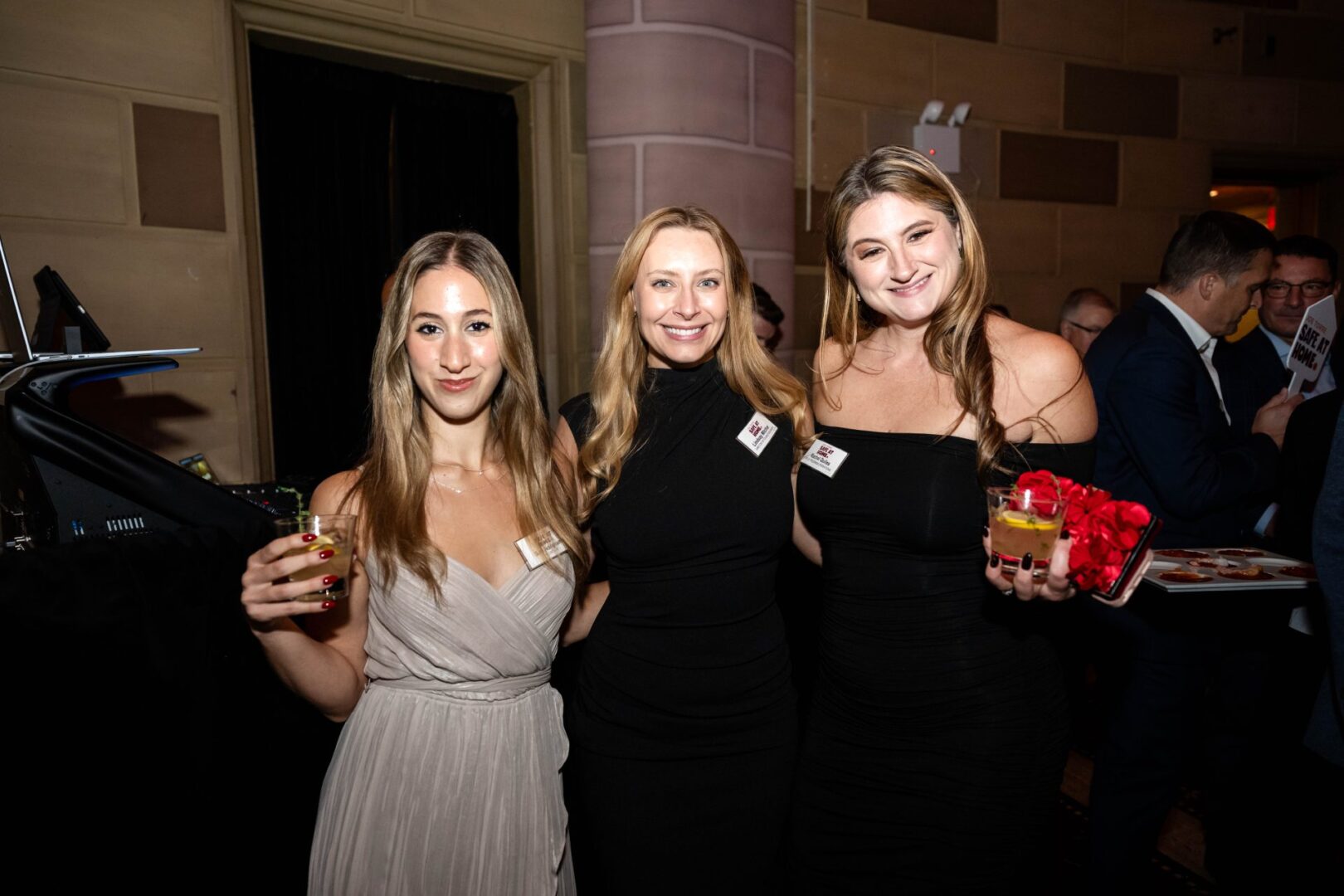
We are deeply grateful to our Event Committee, Board of Directors, staff, volunteers, and every supporter who made this evening possible, as well as the partners and supporters who helped bring the night to life—including Delta Air Lines, our official airline sponsor; Goodman Media International, our Public Relations Firm of Record; our dedicated volunteers; our photographers, Carrie Giordano and Gary Vasquez; and Levain Bakery for their generous gift bag contributions. Because of all of you, Safe At Home can continue showing up in schools, in communities, and in the moments that matter most.

EVENT COMMiTTEE

Charmaine Bailey • Joseph & Rita Cohen • Gia Levin • Mareva Marciano

Alison Petrocelli • Jeff Proctor • Michelle Richman • Tawny Sanders

Ken Scherer • Lori Yve Sunkin • Vaun Wilmott

Charmaine Bailey • Joseph & Rita Cohen • Gia Levin • Mareva Marciano • Alison Petrocelli • Jeff Proctor • Michelle Richman • Tawny Sanders • Ken Scherer • Lori Yve Sunkin • Vaun Wilmott

Couldn’t join us this year? Make a contribution below.

We look forward to seeing you next year!

Managing the Winter Blues:

Supporting Kids Through a Challenging Season

For many families, winter is filled with celebration, traditions, and togetherness. But it can also be a time of heightened stress, fatigue, and emotional ups and downs—especially for children and teens. Shorter days, disrupted routines, academic pressure, and the emotional weight of the holiday season can all contribute to what’s often referred to as the winter blues or holiday syndrome.

Holiday syndrome, a term introduced by psychologist James Cattell, describes a temporary increase in feelings like anxiety, irritability, sadness, or emotional regression that some people experience during the holiday season. Importantly, these feelings are not the same as mental illness—but they are real, valid, and deserving of care and attention.

Why Winter Can Feel Hard for Kids
The stretch of time between late fall and early spring can be especially challenging for young people. Changes in routine, heightened expectations around the holidays, family stress, and reflections on the passage of time can all impact emotional well-being. In schools and communities, this may show up as increased distractibility, withdrawal, mood changes, or a greater need for reassurance and support. 
What Helps: Consistency, Compassion, and Connection

While we can’t eliminate all stressors, there are simple, meaningful ways adults can help children feel more grounded during the winter months:

  • Maintain predictable routines when possible, especially around sleep, meals, and daily transitions.
  • Create space for mixed emotions. The holidays can bring joy and grief at the same time—acknowledging that complexity helps kids feel seen.
  • Encourage movement and breaks, particularly when energy or focus seems low.
  • Build in moments to check in and check out, whether at home, in school, or during activities.
  • Model self-care and boundary-setting, reminding young people that it’s okay to rest, say no, and ask for help.

Even small acts of awareness and consistency can make a meaningful difference. When children feel safe, supported, and understood, they are better able to navigate seasonal stress and reconnect with hope.

A Season for Care

Winter can be a powerful reminder that care and connection matter—especially during times of transition. By approaching the season with empathy, flexibility, and intention, we can help young people move through the winter blues feeling supported, resilient, and less alone. If you’re looking for an easy way to start these conversations at home or in the classroom, our Winter Workbook is available to download and share.

Mental Health Resources

If this season feels heavy for you or the young people in your life, you’re not alone — and support is always available. The winter months can bring up a wide mix of emotions, and reaching out for help can offer comfort and clarity when things feel overwhelming. Below are a few trusted resources you can turn to anytime:

Helpful Resources:

Additional Resources

Download in English | Español

Download in English | Español

Download in English | Español

Download in English | Español

About Safe At Home

Joe Torre, together with his wife Ali, started Safe At Home in 2002 to end the cycle of domestic violence and abuse through education— to create a world where every young person feels, safe, supported, and empowered.

Safe At Home’s Margaret’s Place program, named in honor of Joe’s mother, offers trauma-informed intervention and prevention services within schools, helping students learn about healthy relationships, leadership, and emotional well-being. The impact of Margaret’s Place program’s impact extends beyond the classroom, uplifting families, schools, and communities. Currently operating across 30 school sites in New York, California, Ohio, and two international locations, Margaret’s Place has directly served over 425,000 young people, their families, schools, and communities.. 
We aim to provide valuable and accesible digital resources, including trauma-informed care, mental health support, and expert advice to empower those seeking healing and resilience.

Ali & Joe Torre standing at a podium with Safe At Home Logo, alongside a graphic that says " The Annual safe At Home Gala Celebrating the Next Generation of Changemakers"

Annual New York Gala 2025

Ending the Cycle of Domestic Violence and Abuse Through Education

Under the golden lights of Gotham Hall, the Annual Joe Torre Safe At Home New York Gala gathered friends, partners, and new supporters for an evening that honored our history while looking boldly toward the future. The room carried an unmistakable sense of purpose—a shared belief that every young person deserves to feel safe, supported, and seen. It was a powerful reflection of our mission: to end the cycle of domestic violence and abuse through education, creating spaces where care and community can truly change lives.

The night opened with the familiar voice of Bob Costas, the Emmy Award–winning broadcaster whose legendary career has spanned more than four decades, including nearly every major sporting event from the World Series to the Olympic Games. A longtime friend of Joe and Ali Torre, Bob has hosted the Safe At Home Gala since its earliest days, lending his voice and heart to the cause year after year.

His words carried both reverence and conviction as he reflected on Joe and Ali’s vision:

“We’re here tonight to affirm a simple truth: it is possible to end this cycle, and education remains our most powerful tool.”

Click above for more photos by John Chan

The program unfolded like a conversation between the past and the present. Bob and Joe shared stories from baseball’s most memorable moments—snapshots of teamwork, perseverance, and integrity that mirror the lessons Safe At Home instills in schools today. A short film captured how that mission now stretches far beyond the classroom through Safe At Home’s partnership  with Major and Minor League Baseball teams nationwide, bringing messages of safety and respect to families and fans across the country.

Ali and Joe Torre later took the stage to thank the  dedicated community that has carried Safe At Home forward for more than two decades—our Board of Directors, school partners, counselors, volunteers, sponsors, and friends. Their message was one of deep gratitude and shared purpose:

“It truly takes a village to make Safe At Home possible—and tonight, that village was right here in this room.”

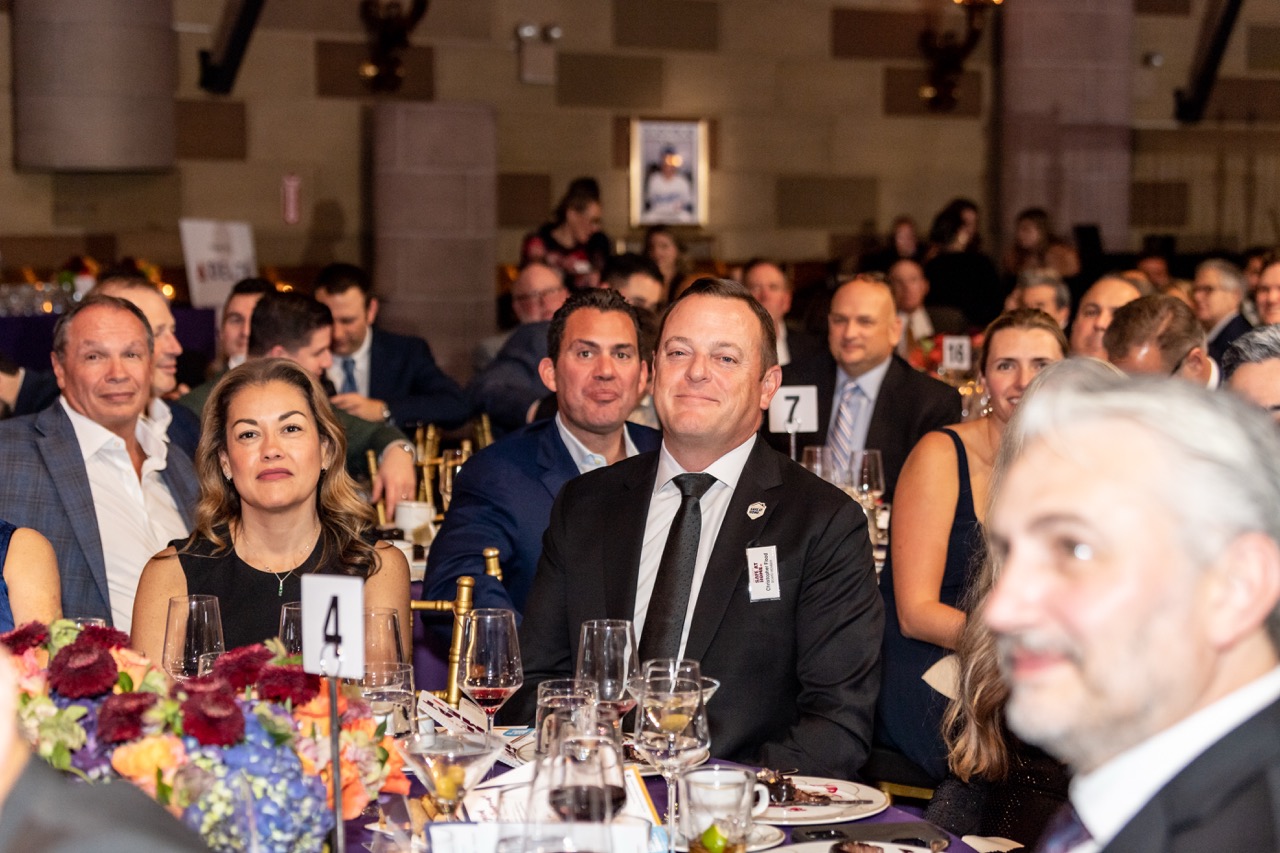
The evening’s most powerful moment came as we honored Chris Flood, Senior Vice President of Operations for the Verizon Consumer Sales Organization and a devoted Safe At Home Board Member. Chris spoke with striking courage and honesty about his childhood and how those early experiences shaped his lifelong commitment to creating safer spaces for others. Like Joe, he grew up navigating violence in his home—and it is that lived experience that fuels his unwavering passion for Safe At Home’s mission today.

“I’ve had the honor of meeting some of the incredible children we work with, and words cannot express the impact Safe At Home has on their lives. These are children who, through no fault of their own, have faced things that no child should ever have to endure. Yet, in their eyes, I’ve seen not only resilience but also a spark of hope that we, as a foundation, are privileged to nurture. And it is that hope that I carry in my heart every day.”

The audience rose to their feet in a standing ovation that filled the hall with emotion—a collective response to a story that reminded everyone why this work matters.

CEO Maile Zambuto offered a powerful reflection on what it takes to sustain that hope—the daily work of the counselors who meet students where they are, guiding them toward healing and hope. She grounded her remarks in both urgency and optimism, sharing that Margaret’s Place, Safe At Home’s school-based program, is not only changing lives but serving as a public health solution, reducing trauma symptoms for 96% of students, helping 88% attend class more often, and improving classroom focus and emotional well-being across entire school communities.

Maile introduced a moving video featuring Leslie Cardenas, Em Holy, Stefanie Nolli-Gaspar, Julissa Salas, and David Sewsankar—alumni of Margaret’s Place who have gone on to become educators, counselors, and youth facilitators. Their stories captured the purpose of Safe At Home’s work: the lasting impact of trusted care and the ripple effect of what happens when young people are given space to heal and lead.

Click above for more photos by John Chan

The live auction, led by famed auctioneer Jamie McDonald, brought energy and generosity to new heights. Guests bid enthusiastically on once-in-a-lifetime experiences—from a coveted Saturday Night Live experience to a Royal Highland escape in Scotland trip and a music package featuring the Goo Goo Dolls—all in support of the students, counselors, and school communities who bring Safe At Home’s mission to life.

The night concluded with a performance by The Lords of 52nd Street—Billy Joel’s original band featuring Liberty DeVitto on drums and Russell Javors on guitar. Inducted into the Long Island Music Hall of Fame, the legendary group brought their unmistakable New York sound to the stage, filling Gotham Hall with energy and nostalgia.

They were joined by Bernie Williams—four-time World Series champion, five-time All-Star, and Grammy-nominated musician whose number 51 was retired by the New York Yankees. His performance brought the evening to a close with a sense of joy and artistry that perfectly captured the spirit of the night.

Click above for more photos by John Chan

It was a celebration of community, compassion, and the power of education—a reminder that this Safe At Home community continues, year after year, to turn compassion into action. Because of everyone who joined us, more young people will have access to the safety, healing, and hope they deserve—at school, at home, and wherever life takes them.

We are deeply grateful to everyone who made this night possible—our Event Committee, Board of Directors, staff, Margaret’s Place counselors, and school partners. Your dedication ensures that Safe At Home continues to grow and reach more young people each year.

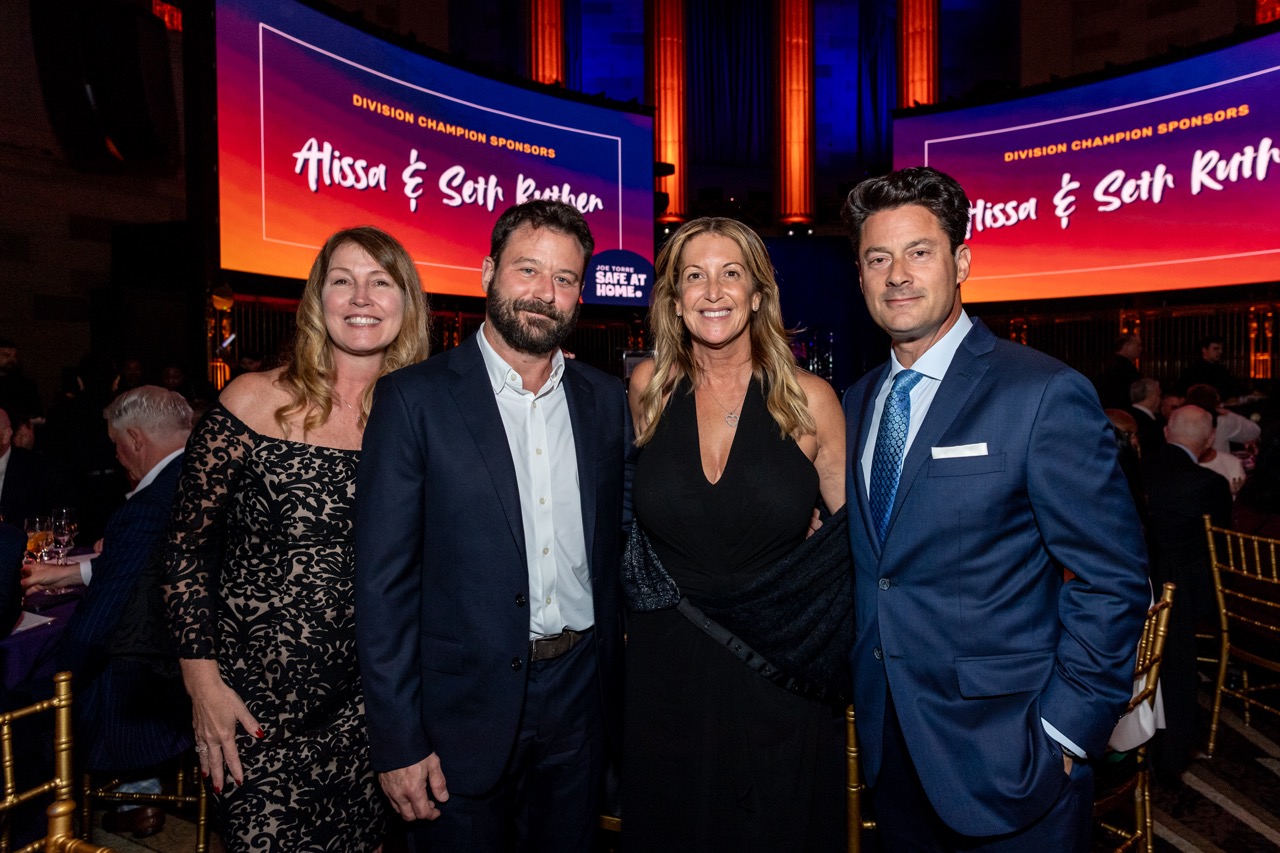
Thank you to our League Champion Sponsor, the Office of the Commissioner and Major League Baseball, and to our Division Champion Sponsors: Liza & Michael Ball, Bank of America, Delta Air Lines, Kate & Bob Devlin & Family, The Kalafer Family, Clinton Honda, Jaguar Land Rover Princeton, The Somerset Patriots, National Football League Foundation, Alissa & Seth Ruthen, Scotiabank, Starr Companies, Patricia Synhorst & Frank P. Longobardi, TD Securities, The Toner Family, Verizon, and the Wasserman Foundation.

Special thanks to our production team—John Frazee and Lori Wekselblatt—our Official Airline Sponsor, Delta Air Lines, Goodman Media International, Lindsay Crystal, BirdsNest Foundation, John Chan Photography, Bobby McHugh and the Security Team, all of our volunteers, generous gift bag donors Gorgie and the New York Yankees, and all of our presenters and performers who made the evening unforgettable.

To everyone who joined us—thank you. Your generosity and belief in Safe At Home make this work possible.

EVENT COMMiTTEE

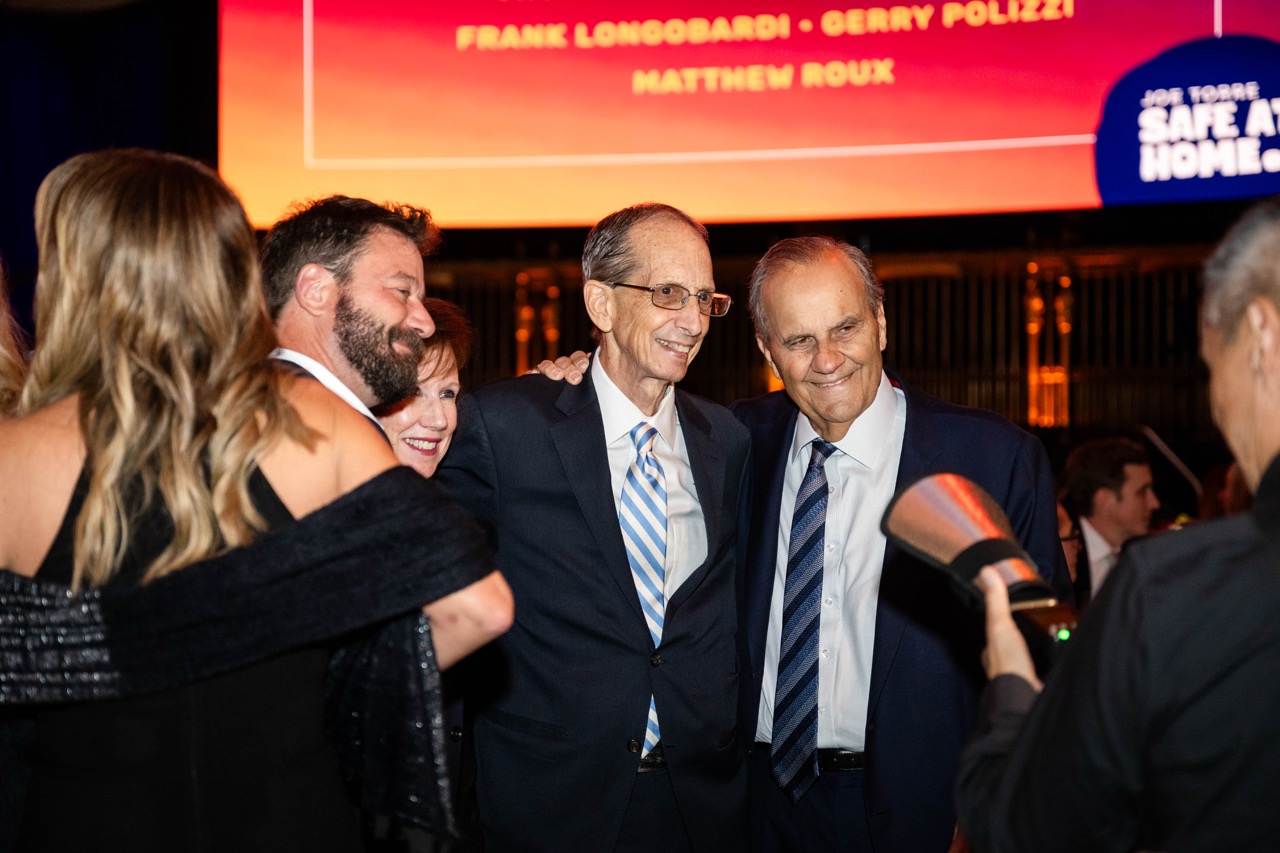
Michael Ball • Kyle Driscoll • Frank Longobardi

Howard I. Smith • Gerry Polizzi • Matthew Roux

Swipe through Our Electronic Dinner Journal

Couldn’t join us this year? Make a contribution below.

We look forward to seeing you next year!